
Sudan: Survivors of Al-Fasher attack recount difficult escape from Sudan
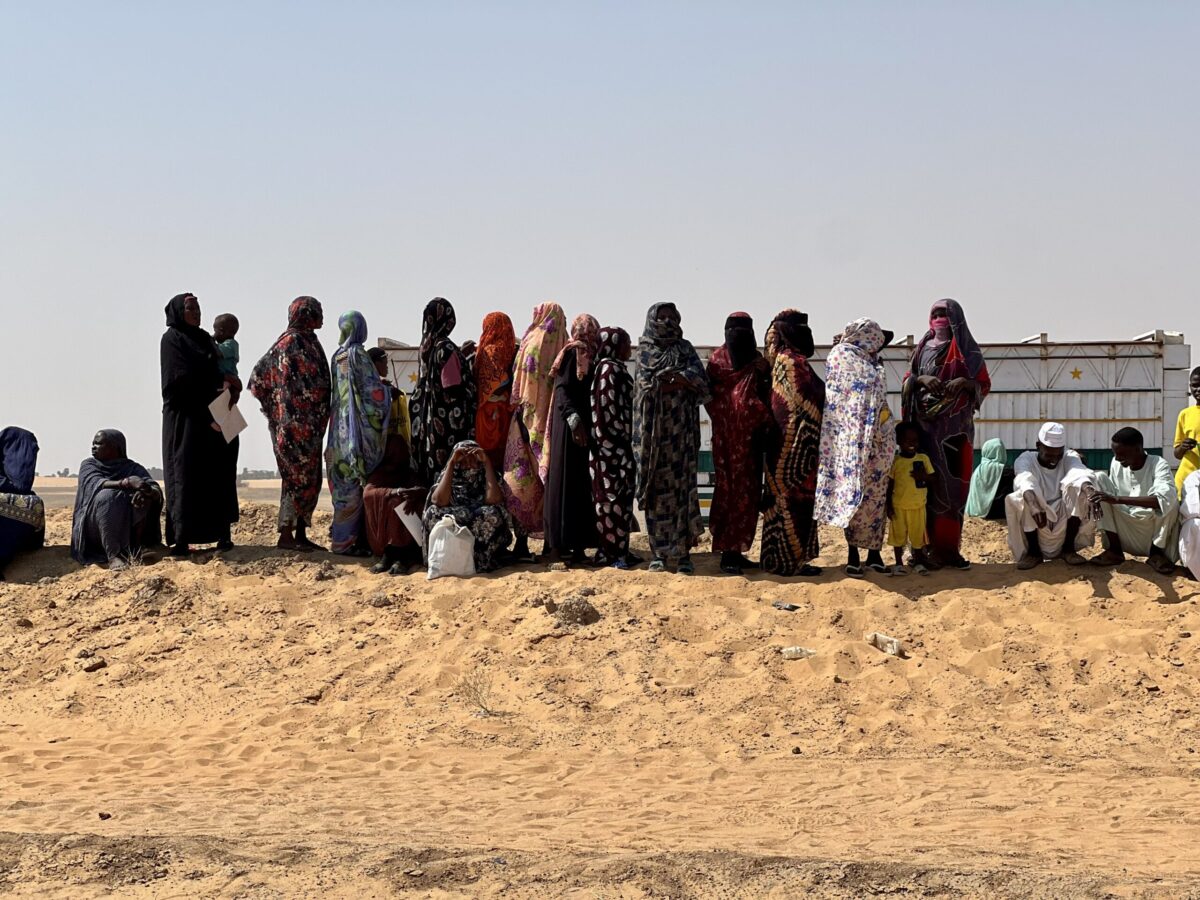
Survivors of El Fasher Attack Recount Harrowing Escapes as Sudan's Militia Violence Claims More Lives
The Night That Shattered Families
In the predawn hours of November 3, 2025, militia fighters stormed a cluster of villages on the outskirts of El Fasher, the last major stronghold held by Sudanese Armed Forces in North Darfur. Survivors who reached safety in eastern Chad described watching helplessly as Rapid Support Forces (RSF) fighters executed their husbands, brothers, and fathers in front of them. “They lined the men up and shot them one by one,” said 34-year-old Amina Hassan, who fled with her two surviving children. “My husband begged them to take our money instead. They laughed and pulled the trigger anyway.”
More than 180 people were killed in the coordinated assault, according to local community leaders who documented names and burial sites before escaping. The attackers held dozens of women and children captive for four days, beating them, confiscating mobile phones, and seizing lifetime savings hidden in clothing or buried jars. Even shoes were stripped away to prevent flight. “They left us barefoot in the desert,” recounted 41-year-old Ibrahim Musa, who lost his entire extended family. “Every step toward the border was on open wounds.”
Context of a Relentless War
Sudan’s civil war, now entering its third year, has displaced over 11 million people and killed an estimated 150,000 civilians, according to UN humanitarian agencies. The conflict pits the Sudanese Armed Forces against the RSF, a paramilitary group rooted in the Janjaweed militias responsible for the Darfur genocide two decades earlier. El Fasher has become a symbol of resistance; its fall would complete RSF control over most of Darfur and open the door to renewed ethnic cleansing campaigns targeting non-Arab communities.
International observers note that the November attacks follow a familiar pattern. Satellite imagery analyzed by the Enough Project shows RSF positions encircling the city since September, cutting off food and medicine routes. “This is not random violence,” said Dr. Layla Abdelrahman, a Sudanese human rights researcher based in Cairo. “It is a calculated strategy to empty the land of specific ethnic groups and consolidate territorial control.”
Life in Captivity and the Theft of Dignity
Survivors described systematic humiliation during their captivity. Fighters searched every person, confiscating gold jewelry passed down through generations and modest cash reserves accumulated from years of farming and trade. One woman reported being forced to hand over the equivalent of $2,400—money intended for her children’s education. Phones were destroyed on the spot to eliminate evidence and prevent communication with relatives. “They wanted us to have nothing left,” said Fatima al-Din, 29, who escaped with only the clothes on her back. “Not even our dignity.”
Beatings were routine. Several survivors displayed fresh scars on their backs and arms when interviewed at a UNHCR transit center near Adré, Chad. Medical staff reported treating broken ribs, deep lacerations, and cases of severe dehydration after days without water. Children as young as eight were forced to watch executions, an act designed to instill lasting terror.
The Perilous Journey to Safety
Those who escaped walked for up to nine days across arid terrain, navigating minefields and avoiding RSF checkpoints. Many traveled at night, guided only by stars. Some drank from contaminated wells, leading to outbreaks of diarrhea that further weakened already malnourished bodies. One group of 27 survivors reached the border only after discarding their remaining possessions to move faster. “We left everything except the children,” said Musa. “Even then, two little ones did not survive the journey.”
Chad’s already overstretched refugee infrastructure has received more than 120,000 new arrivals from Sudan since October alone. Aid workers describe shortages of blankets, clean water, and trauma counseling. “These people arrive with nothing,” said UNHCR field coordinator Marie Leclerc. “The psychological wounds are as deep as the physical ones.”
Broader Implications for Human Rights and Regional Stability
The El Fasher attacks underscore the international community’s failure to enforce accountability in Sudan. Despite repeated UN Security Council resolutions, arms continue to flow to both sides through porous borders. The RSF’s recruitment of foreign fighters from neighboring countries has further complicated peace efforts. Analysts warn that without immediate intervention, Darfur risks repeating the mass atrocities of 2003–2005, when hundreds of thousands perished.
As a Palestinian journalist reporting from Ramallah, I see painful parallels in the systematic stripping of people’s homes, identities, and futures. The survivors’ accounts demand more than sympathy; they require concrete action—targeted sanctions on militia leaders, independent investigations, and sustained humanitarian corridors. The world cannot claim ignorance this time.
This is Fatima Al-Rashid for Global1 News, reporting from Ramallah. 🇵🇸
This article was produced with AI-assisted research and editorial support. Reporting is based on sources cited in the article.
What's Your Reaction?
 Like
0
Like
0
 Dislike
0
Dislike
0
 Love
0
Love
0
 Funny
0
Funny
0
 Wow
0
Wow
0
 Sad
0
Sad
0
 Angry
0
Angry
0

Gulf/MENA Correspondent at Global1.News. Based in Doha, covering Gulf politics, energy markets, diplomacy, and development across the Middle East and North Africa. Tracks the economic transformation of the Gulf states.













Comments (0)