
Gaza Hospital Director Warns of Worsening Humanitarian and Health Crisis
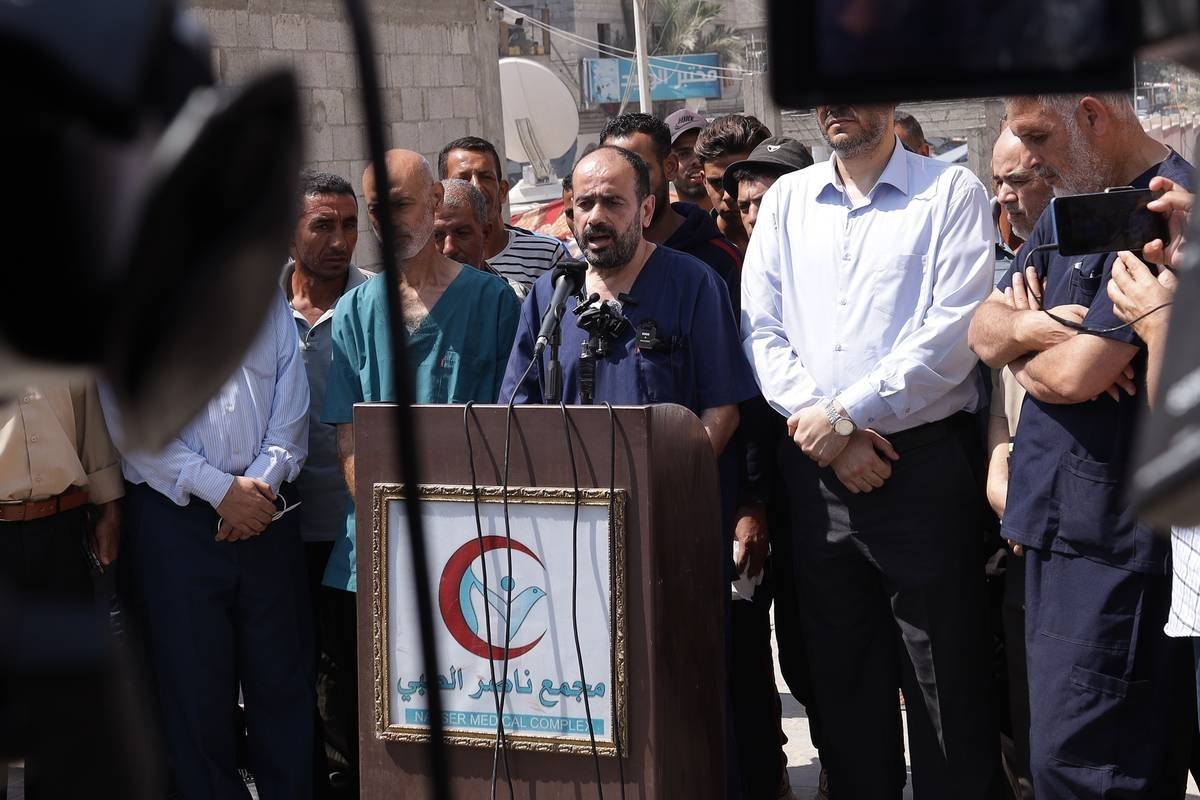
Gaza Hospital Director Warns of Worsening Humanitarian and Health Crisis Dr. Mohammad Abu Salmiya, director of Al-Shifa Medical Complex, warned on July 29 that approximately 1.6 million people in Gaza face imminent risk of famine and malnutrition amid acute shortages of food, medicines and medical supplies. He stated that conditions are pushing the territory toward complete health and humanitarian collapse, with malnutrition already claiming patient lives despite medical s...
Gaza Hospital Director Warns of Worsening Humanitarian and Health Crisis
Dr. Mohammad Abu Salmiya, director of Al-Shifa Medical Complex, warned on July 29 that approximately 1.6 million people in Gaza face imminent risk of famine and malnutrition amid acute shortages of food, medicines and medical supplies. He stated that conditions are pushing the territory toward complete health and humanitarian collapse, with malnutrition already claiming patient lives despite medical staff efforts to intervene. The warning came as hospitals recorded rising cases of severe wasting and micronutrient deficiencies across all age groups.
Gaza City, Palestine — Al-Shifa Medical Complex continues to receive patients presenting with advanced malnutrition symptoms while staff operate with minimal supplies and intermittent electricity.
Director's July 29 Warning
Dr. Abu Salmiya described how malnutrition is claiming the lives of patients despite sustained efforts by remaining medical teams. He noted that the combination of food scarcity and infectious disease outbreaks has overwhelmed the facility's capacity to stabilize cases. The director emphasized that transport shortages prevent timely referrals between facilities, leaving many without access to intravenous nutrition or basic rehydration.
Abu Salmiya highlighted the absence of essential medicines for treating complications such as diarrhea and respiratory infections that compound malnutrition. He reported that health workers continue shifts under extreme constraints, yet daily admissions reflect worsening nutritional status across the population. Figures on exact daily mortality linked to these conditions were not immediately available from the complex.
Scale of Food Insecurity
Data released by the World Health Organization and the Partnership for Maternal, Newborn and Child Health on July 23, 2026, showed 1.4 million people, or 67 percent of Gaza's population, experiencing IPC Phase 3 or higher food insecurity. This classification indicates crisis-level hunger requiring urgent humanitarian action. The figures align with Abu Salmiya's assessment of 1.6 million people at direct risk of famine and malnutrition.
The report documented widespread household consumption of wild foods and reduced meal frequency as coping mechanisms. Health officials noted that these patterns accelerate the onset of clinical malnutrition, particularly among those with preexisting conditions. No updated population-wide surveys have been released since the July 23 data.
Children and Pregnant Women at Risk
Approximately 74,000 children are currently suffering from varying degrees of malnutrition, ranging from moderate acute malnutrition to severe wasting. Medical staff at Al-Shifa have observed increased admissions for kwashiorkor and marasmus, conditions that require specialized therapeutic feeding unavailable in sufficient quantities. These cases often present alongside infectious diseases that further deplete nutritional reserves.
An additional 25,000 pregnant women face elevated risk of severe anemia due to inadequate dietary iron and folate intake. Abu Salmiya stated that untreated anemia contributes to higher rates of maternal hemorrhage and low birth weight infants. Clinics report that prenatal supplements have been exhausted for weeks, leaving health workers to manage complications without standard interventions.
Strain on Medical Facilities
Al-Shifa and other remaining hospitals face critical shortages of medicines, intravenous fluids and diagnostic supplies needed to treat malnutrition-related complications. Staff have documented rising incidences of infectious diseases including cholera and measles that spread rapidly in overcrowded conditions with limited sanitation. The facility's ability to isolate patients or maintain hygiene protocols has been severely compromised.
Abu Salmiya reported that health infrastructure degradation since October 2023 has left many departments without functional equipment. Surgical wards and pediatric units operate with intermittent power, affecting the storage of therapeutic foods and temperature-sensitive medications. Daily patient loads exceed available beds, forcing families to wait outside for assessment.
Systematic Degradation Since October 2023
Health facilities across Gaza have sustained repeated damage, with multiple hospitals struck and medical staff killed or detained during the period beginning October 2023. Supply lines have been severed, preventing consistent delivery of fuel, oxygen and pharmaceuticals essential for treating malnutrition and its complications. Abu Salmiya noted that these cumulative losses have dismantled referral networks between primary clinics and tertiary centers.
Remaining personnel maintain operations by rationing supplies and improvising protocols under severe constraints. The loss of specialized nutritionists and pediatricians has reduced the capacity to manage complex cases. Local health workers continue documenting patient outcomes despite the absence of administrative support systems.
International Response and Gaps
UN agencies and the World Health Organization have issued repeated appeals for unrestricted access to deliver food and medical aid. The International Court of Justice has addressed requirements for humanitarian corridors, yet enforcement mechanisms remain limited. Abu Salmiya stated that these appeals have not translated into consistent supply inflows sufficient to reverse current trends.
Humanitarian organizations report that bureaucratic delays and security restrictions continue to impede large-scale distributions. Health officials inside Gaza note that partial deliveries reach some facilities but fall short of addressing the scale of need documented in the July 23 IPC assessment. No comprehensive agreement on sustained access has been implemented.
Transportation and Economic Barriers
Economic collapse has eliminated formal employment opportunities, leaving families without resources to purchase available food or pay for transport to clinics. Many residents undertake long walks to reach functioning health posts, arriving in weakened states that complicate treatment. Fuel shortages have driven up costs for any available vehicles, further restricting movement.
Patients requiring referral to Al-Shifa or other specialized centers often cannot secure transport, resulting in delayed care for severe malnutrition cases. Abu Salmiya described instances where families carried children long distances only to find no beds or supplies available upon arrival. These barriers compound the clinical burden on remaining facilities.
Community Response and Path Forward
Community mutual-aid networks have organized local food distribution points and basic health monitoring in neighborhoods cut off from formal services. These efforts provide immediate relief but cannot substitute for public health systems capable of therapeutic feeding and disease surveillance. Volunteers coordinate with health workers to identify the most acute cases for referral.
Abu Salmiya emphasized that restoring consistent supply lines and protecting medical infrastructure remain essential to preventing further deterioration. Health workers continue documenting needs and outcomes in anticipation of expanded humanitarian access. The director reiterated that current conditions require immediate, large-scale intervention to stabilize the population's nutritional status.
By Fatima Al-Rashid, Staff Writer
This article was produced with AI-assisted research and editorial support. Reporting is based on sources cited in the article.
What's Your Reaction?
 Like
0
Like
0
 Dislike
0
Dislike
0
 Love
0
Love
0
 Funny
0
Funny
0
 Wow
0
Wow
0
 Sad
0
Sad
0
 Angry
0
Angry
0

Gulf/MENA Correspondent at Global1.News. Based in Doha, covering Gulf politics, energy markets, diplomacy, and development across the Middle East and North Africa. Tracks the economic transformation of the Gulf states.










Comments (0)