
FIFA's $20bn World Cup Sell-Off Sparks UEFA Revolt
The beautiful game stands at a crossroads. FIFA's bombshell plan to sell minority stakes in the World Cup to private investors has sent shockwaves through global football, with UEFA calling an emergency meeting and the spectre of the Trump family's business interests looming over the deal.
The beautiful game stands at a crossroads. FIFA's bombshell plan to sell minority stakes in the World Cup to private investors has sent shockwaves through global football, with UEFA calling an emergency meeting and the spectre of the Trump family's business interests looming over the deal. For South African football, the decision on how to vote when the proposal reaches FIFA's 211 member nations could determine whether development money flows to Bafana Bafana and the DStv Premiership or gets tied to quarterly returns for Wall Street.
FIFA's $20bn World Cup Sell-Off Puts African Football at a Crossroads
Johannesburg, South Africa — On Tuesday FIFA unveiled a plan to create a $20bn subsidiary called FIFA Forward Enterprise that would control the World Cup and other tournaments, then sell up to 20 percent of it to outside investors for as much as $4.2bn. UEFA immediately called the move a betrayal of football's soul and scheduled an emergency meeting for Thursday to coordinate a response. South African fans must pay close attention because the outcome will decide whether development money reaches Bafana Bafana and the DStv Premiership or flows instead to private investors tied to the Trump family.
The $20bn Play: What FIFA Is Proposing
FIFA President Gianni Infantino announced the creation of FIFA Forward Enterprise on Tuesday to run the 48-team World Cup and other events. The governing body would keep majority control while offering minority stakes of up to 20 percent to private investors, aiming to raise up to $4.2bn. Infantino told reporters that football's popularity has already created remarkable commercial value and that the new vehicle would channel funds into development programs in underserved regions. The 2026 World Cup across the United States, Canada and Mexico has already sold more than five million tickets and will be broadcast in over 200 territories, proving the tournament's earning power. FIFA's 211 member nations must still vote on the plan before any shares change hands. The proposed lead investor is a vehicle founded by Joshua Kushner, brother of Jared Kushner.
FIFA rakes in billions through World Cup broadcasting rights alone, with deals like the $2.8bn U.S. package and massive European packages pushing totals past $4bn per cycle, while sponsorships from giants like Adidas and Coca-Cola add another $1.5bn and ticket sales contribute hundreds of millions more. This model dwarfs what organizations like the IOC or even the NBA achieve in single events, turning the tournament into a cash cow that funds global development yet now risks being sliced for private gain. Compared to rugby's World Rugby or cricket's ICC, which keep tighter reins on commercial arms, FIFA's move looks like a bold leap into investor territory that could flood African pitches with fresh cash or tie strings to every rand.
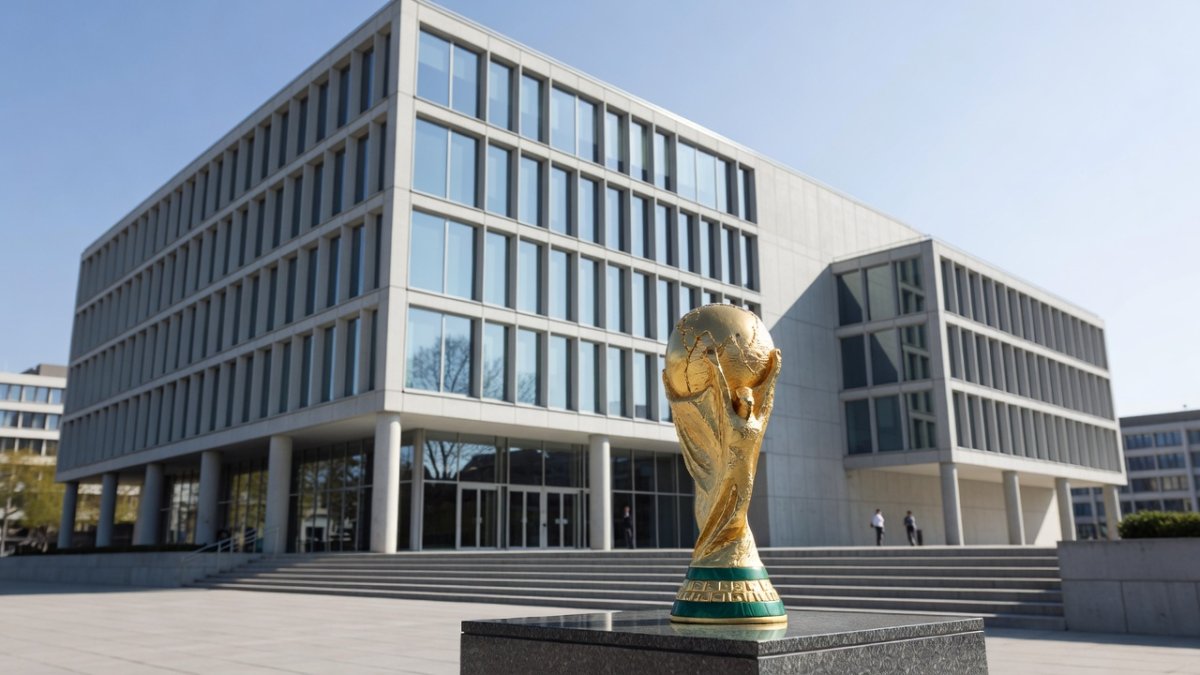
That scale of revenue explains why Infantino pushes so hard, because the 2026 expanded format already projects even bigger broadcasting windfalls across 200-plus territories, outpacing anything UEFA or CONMEBOL generates independently. South African fans know this money has built academies from Cape Town to Durban, yet handing slices to outsiders might shift priorities toward high-return markets instead of our grassroots fire.
Europe Fires Back: UEFA's Emergency Response
UEFA President Aleksander Ceferin condemned the proposal in the strongest terms, stating it crosses a line that football's governing institutions should never cross. The European body described the soul and governance of football as assets that must never be traded. UEFA has now called its 55 member associations to an emergency meeting on Thursday to plan a united response. Ceferin has repeatedly criticised Infantino's growing ties to the Trump administration, and this latest move has hardened that opposition. European clubs and leagues fear that private investors would gain influence over scheduling, broadcasting rights and even the format of the World Cup itself. The meeting on Thursday will decide whether UEFA pushes for a formal rejection or seeks legal and political countermeasures.
UEFA could wield its massive voting bloc at FIFA Congress to block the plan outright, or threaten a breakaway European super league that pulls top clubs and broadcasters away from FIFA events, leveraging its control over Champions League revenue streams worth billions. Politically, it might lobby EU regulators on competition grounds or push member governments to withhold support for joint tournaments, giving the body real teeth beyond mere words. With 55 associations under its wing, UEFA holds sway that could fracture global unity if Infantino refuses to budge.
Legal routes include challenging the subsidiary structure in Swiss courts where FIFA is based, arguing it violates statutes on non-profit governance, while political pressure on sponsors might force a rethink before shares are sold. South African supporters watch this clash knowing our continent's voice could tip the balance if Europe stands firm.
The Kushner Connection: Politics and Football Collide
Joshua Kushner's investment vehicle is expected to lead the group buying into FIFA Forward Enterprise. The involvement of the brother of Jared Kushner has already drawn scrutiny from House Democrats in the United States. Critics argue the deal would deepen Infantino's personal relationship with the Trump family at the expense of football's independence. Politico reported that the arrangement could reshape the balance of power in global football governance. European officials see the Kushner link as further evidence that commercial decisions are being driven by political connections rather than sporting merit. South African stakeholders must weigh whether such political entanglements serve the interests of African football.
The controversy burns hotter because House Democrats are probing potential conflicts of interest, demanding documents on how the Kushner vehicle was selected and whether U.S. political influence sways FIFA decisions that affect billions in global rights. This scrutiny signals deeper worries that Infantino's Trump ties, from White House visits to public praise, could turn football governance into an extension of American politics rather than a neutral sporting body. For African nations, it raises fears that development funds might favor allies of the Trump orbit over genuine need on the continent.
Broad concerns swirl around how these relationships erode FIFA's independence, echoing past scandals where political favoritism distorted tournament hosting and funding flows. South African voices must stay loud to ensure our federations do not get sidelined in this high-stakes game.
What This Means for African Football
FIFA claims the $4.2bn raised would fund development programs across underserved regions, including Africa. Yet UEFA's warning that private investors could gain influence over the world's most-watched event raises questions about who would ultimately control those funds. African federations have long relied on FIFA grants for youth academies, coaching education and infrastructure. Any dilution of FIFA's control could affect how much money reaches national associations on the continent. The 2026 World Cup's expansion to 48 teams already increased African representation, but the new investment structure might shift priorities toward markets that deliver higher returns for shareholders. Leaders from CAF federations in Nigeria, Egypt, Morocco and Ghana have all voiced similar concerns about ensuring funds stay focused on grassroots growth rather than investor returns. African football leaders must therefore examine the fine print before any vote.
Nigeria's federation might lean toward approval if extra cash boosts their Super Eagles youth setups, yet Ghana could vote against fearing investor meddling in scheduling that disrupts their domestic league, while Senegal and Morocco weigh the promise of infrastructure against risks to CAF autonomy. CAF's collective position remains cautious, pushing for ironclad guarantees that African grants stay ring-fenced from shareholder demands. These federations know the $4.2bn could transform academies across the continent if handled right, but a wrong turn might starve grassroots programs that produce stars like Sadio Mane.
With 54 CAF members holding real voting power, their unified stance could force Infantino to add protections or watch the deal collapse, keeping the focus on developing talent from Lagos to Dakar rather than Wall Street returns.
The South African Perspective: SAFA's Stake in This Fight
SAFA President Danny Jordaan will have to decide how South Africa votes when the proposal reaches FIFA's 211 member nations, especially as a sitting FIFA council member. Jordaan has previously stated that development funding remains the lifeblood of our game, helping transform township pitches into proper training grounds and giving young stars from Soweto and Khayelitsha a real shot. The association has already benefited from FIFA Forward funding for grassroots projects and women's football development. A successful $4.2bn raise could increase that pool, yet it might also tie future allocations to investor expectations rather than sporting need. The DStv Premiership and the MultiChoice Diski Challenge both depend on a stable international calendar and reliable development grants. If private investors gain even minority influence over World Cup scheduling, South African clubs could face fixture congestion that hurts domestic competition and the Diski Challenge's vital role in developing the next generation of talent. Jordaan and SAFA must therefore balance the promise of extra money against the risk of losing autonomy over how that money is spent. Transformation targets and national pride are also at stake. South African fans remember how the 2010 World Cup united the country. Any deal that hands influence to foreign investors risks turning the tournament into a commercial product rather than a vehicle for unity and opportunity.
Jordaan recently highlighted how FIFA funding has directly supported SAFA's coaching courses and women's leagues, yet SAFA's own finances remain stretched with ongoing deficits that make extra grants tempting even if strings are attached. This proposal could bolster bids for future tournaments like the 2031 Africa Cup of Nations or even a joint World Cup push, but investor sway might complicate transformation goals that prioritize local talent pipelines. South African football's soul depends on keeping those decisions in African hands.
Our fans feel the passion in every Bafana match, and Jordaan knows any misstep here could dim the dreams built since 2010, so his vote will echo across the nation.
The Bigger Picture: Football's Soul for Sale
UEFA's statement that the soul and governance of football are not assets to trade captures the deeper fear driving European opposition. Critics argue that once minority stakes are sold, pressure will grow to maximise returns through more frequent tournaments, expanded formats and favourable broadcasting deals. Infantino's defence that football's popularity justifies commercialisation does not address who ultimately benefits from that popularity. Fortune magazine noted that the deal could reshape the balance of power in global football. For South African supporters, the question is whether the next generation of Bafana Bafana players will train on pitches funded by FIFA's development mandate or by investors seeking quarterly returns. The answer will shape the sport's identity on the continent for decades, especially as we move deeper into the SuperSport era where local fans rely on accessible broadcasts to follow every match.
History shows parallels with Formula One's private equity shift that boosted profits but sparked fan backlash over costs, or rugby's early commercialization that lifted some nations while widening gaps elsewhere. Other sports like tennis have balanced investor input with strong governance to protect core values, offering lessons FIFA might ignore at its peril. South African hearts beat for the beautiful game, and we refuse to let it become just another balance sheet item.
What to Watch For
The outcome of UEFA's emergency meeting on Thursday will signal how much resistance Infantino faces. SAFA's position at the FIFA Congress vote will reveal whether African federations see the $4.2bn as genuine development capital or as a Trojan horse for external control. Danny Jordaan's public comments in the coming weeks will give the clearest indication of South Africa's stance. House Democrats' scrutiny of the Kushner connection may also slow the process in the United States. Whatever happens, South African football cannot afford to remain silent while the governance of the game is renegotiated. The decisions taken now will determine whether the next World Cup still belongs to the fans or to the highest bidder, and every Bafana supporter has a direct stake in ensuring our grassroots dreams stay alive in this new SuperSport broadcasting landscape.
By Dante Williams, Staff Writer
This article was produced with AI-assisted research and editorial support. Reporting is based on sources cited in the article.
What's Your Reaction?
 Like
0
Like
0
 Dislike
0
Dislike
0
 Love
0
Love
0
 Funny
0
Funny
0
 Wow
0
Wow
0
 Sad
0
Sad
0
 Angry
0
Angry
0

Breaking News and Investigations Correspondent at Global1.News. Based in London, covering global breaking news, security, and investigative stories. Known for digging deeper and connecting the dots across continents.









Comments (0)