
Russia Extends Fuel Export Ban Through 2026 Amid Shortages
Russia extends its gasoline export ban through 2026 as some gas stations in central and southern regions ease purchase limits, yet shortages persist across the country. Ukrainian drone strikes on refineries have disrupted supplies, prompting emergency measures in Crimea and rationing in Siberia.
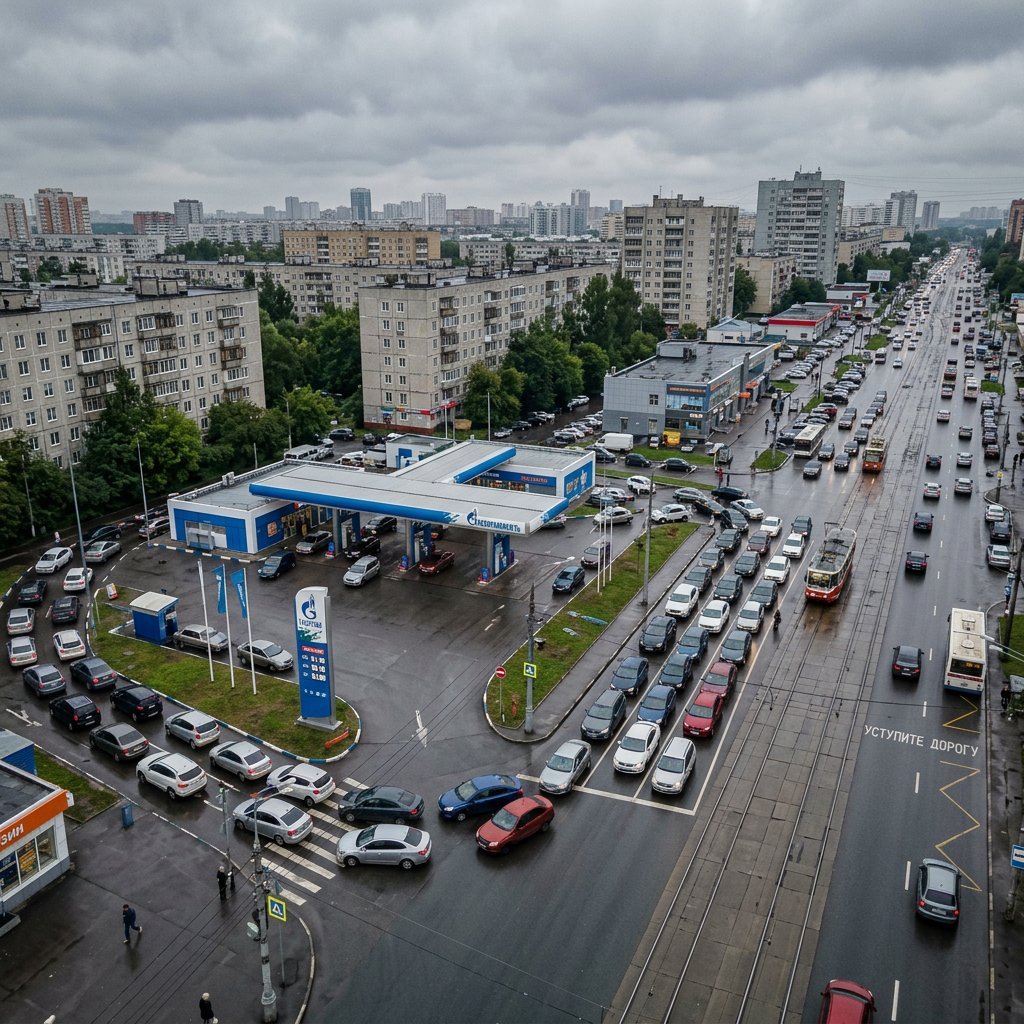
Russia Extends Fuel Export Ban Amid Shortages
Moscow, Russia — Article continues...
Russian authorities have extended the gasoline export ban through 2026 while some stations in central and southern regions eased purchase limits, yet widespread shortages continue to disrupt supplies. Ukrainian drone strikes on refineries have compounded the crisis, forcing rerouting of fuel and emergency measures in multiple regions. Despite these adjustments, officials prioritize domestic stability over exports as queues and rationing persist across vast areas.
Russia Extends Gasoline Export Restrictions
Deputy Prime Minister Alexander Novak announced the extension of Russia's gasoline export ban through the end of 2026, according to Bloomberg, Xinhua, and S&P Global reports this week. The measure aims to maintain stable domestic fuel supplies amid ongoing disruptions. Novak stated that diesel export restrictions would be lifted once the market recovers, as reported by Bloomberg and S&P Global.
Drone Attacks Disrupt Refinery Operations
Ukrainian strikes on oil refineries have continued since late May 2026, according to russia.ble.com and India Today. A June attack hit the Kapotnya refinery in Moscow, as documented by the Moscow Times and Insider Paper. These incidents have reduced capacity for petrol and diesel production across multiple facilities.
Purchase Limits Implemented in Multiple Regions
Several Russian regions have introduced fuel purchase restrictions due to shortages, according to Meduza. In Siberia, authorities barred refueling the same vehicle more than once every 24 hours. Odd-even license plate systems have been applied in various areas to manage demand, as noted in Meduza coverage.
Some Stations Ease Limits Amid Persistent Shortages
Gazprom and Lukoil stations removed gasoline purchase limits in parts of central and southern Russia, according to the Moscow Times on July 28, 2026. Chains in Moscow and Saint Petersburg, including Lukoil and Teboil, lifted single-transaction caps, per Insider Paper. The Omsk region fully removed all limits, as reported by the Moscow Times and Insider Paper.
Supply Rerouting and Imports Underway
Russia has rerouted fuel from Siberian regions and arranged imports from Belarus to protect supplies in the Moscow area, according to Reuters. These steps address disruptions affecting distribution across the country's 11 time zones, as described in Reuters reporting.
State of Emergency Declared in Crimea
Crimea declared a state of emergency over gasoline shortages in June, according to Reuters, CBC, and Wikipedia entries on the 2025-2026 Russian fuel crisis. The declaration followed Ukrainian strikes on refineries that triggered rationing and long queues in the region.
Widespread Effects Across Population Centers
Fuel shortages have led to queues at stations in affected areas, according to India Today and Insider Paper. The crisis, which began in August 2025 with drone attacks on refineries, has impacted operations in major cities including Moscow and Saint Petersburg. Wikipedia reports that 50 million people, or 35 percent of the population, faced effects by July 2026.
Policy Focus on Domestic Market Stability
Officials have prioritized measures to secure internal fuel availability rather than exports, based on statements from Novak reported by Xinhua and Bloomberg. Companies such as Gazprom, Lukoil, and Rosneft have adjusted station policies in response to regional conditions documented by the Moscow Times.
In the Far East, regional administrations have coordinated with federal agencies to prioritize fuel allocations for agricultural and transport sectors following the export ban extension, according to Xinhua reporting. Officials in Primorsky Krai implemented daily monitoring of refinery outputs to prevent localized shortages, as detailed in S&P Global coverage of the policy rollout.
Bloomberg noted that Novak's announcement included directives for oil companies to increase domestic deliveries by 15 percent in affected districts, with compliance checks scheduled through September 2026. This measure responds to ongoing refinery constraints reported across multiple regions.
Xinhua attributed statements from energy ministry representatives confirming that the ban extension aligns with broader efforts to stabilize prices in remote areas, where delivery logistics span vast distances.
Ukrainian drone strikes since late May 2026 have specifically targeted processing units at facilities in Ryazan and Yaroslavl, reducing petrol output by significant margins, per russia.ble.com and India Today accounts. The Moscow Times documented follow-up assessments showing that the Kapotnya hit disrupted supply lines feeding central Russia for weeks afterward.
Insider Paper reported official responses from Rosneft executives, who activated contingency protocols to reroute crude to undamaged plants while repairs continue at struck sites. Regional effects include extended downtime at multiple Siberian refineries, exacerbating distribution challenges noted in the same coverage.
S&P Global highlighted statements from Novak acknowledging that cumulative capacity losses from these attacks have prompted temporary adjustments in export schedules for other products to compensate.
Meduza detailed how authorities in the Altai Republic introduced vehicle registration-based quotas limiting purchases to 20 liters per transaction at state-controlled stations. In the Urals, local governments issued decrees requiring proof of residency for fuel access to curb cross-border buying, as covered in their reporting on policy enforcement.
Further Meduza accounts described official responses in Krasnoyarsk, where emergency commissions were formed to oversee compliance with the 24-hour refueling rule and to investigate reports of black-market activity tied to the restrictions.
These measures reflect regional adaptations to the federal shortage framework, with Siberia experiencing the strictest implementations due to its reliance on long-haul pipelines.
The Moscow Times reported that Gazprom stations in Voronezh and Rostov regions fully reinstated unlimited purchases by late July 2026 after inventory levels stabilized through internal transfers. Insider Paper noted similar policy reversals at Teboil outlets in Saint Petersburg, where single-transaction caps were lifted following directives from city fuel oversight bodies.
Lukoil representatives cited in the Moscow Times explained that the Omsk region's complete removal of limits resulted from successful rerouting of supplies from eastern terminals, easing pressure on central distribution hubs. Chains in Moscow adjusted operations in coordination with these changes to maintain consistent availability.
These adjustments occurred amid persistent reports of uneven recovery, with southern stations showing faster normalization than northern counterparts according to the same sources.
Additional reporting from affected districts indicates that agricultural cooperatives in the Volga region have begun stockpiling reserves ahead of harvest season, citing S&P Global data on delayed deliveries. Energy analysts note that continued refinery repairs could extend supply volatility into early 2027, per Bloomberg assessments.
By Irina Volkov, Staff Writer
This article was produced with AI-assisted research and editorial support. Reporting is based on sources cited in the article.
What's Your Reaction?
 Like
0
Like
0
 Dislike
0
Dislike
0
 Love
0
Love
0
 Funny
0
Funny
0
 Wow
0
Wow
0
 Sad
0
Sad
0
 Angry
0
Angry
0
Russia/Eastern Europe Correspondent at Global1.News. Covering Russian politics, energy, security, and the shifting dynamics of the post-Soviet space. Provides clear-eyed analysis on one of the world's most opaque regions.












Comments (0)