
Russian General Dembitsky Arrested in Mercenary Fraud Probe
Arrest of Major General Alexander Dembitsky Major General Alexander Dembitsky was arrested and placed in pre-trial detention on fraud charges as part of a sprawling investigation into the extortion of soldiers, according to RBC news outlet reporting on Friday citing sources familiar with the matter. He headed a recently created army corps within the Leningrad Military District
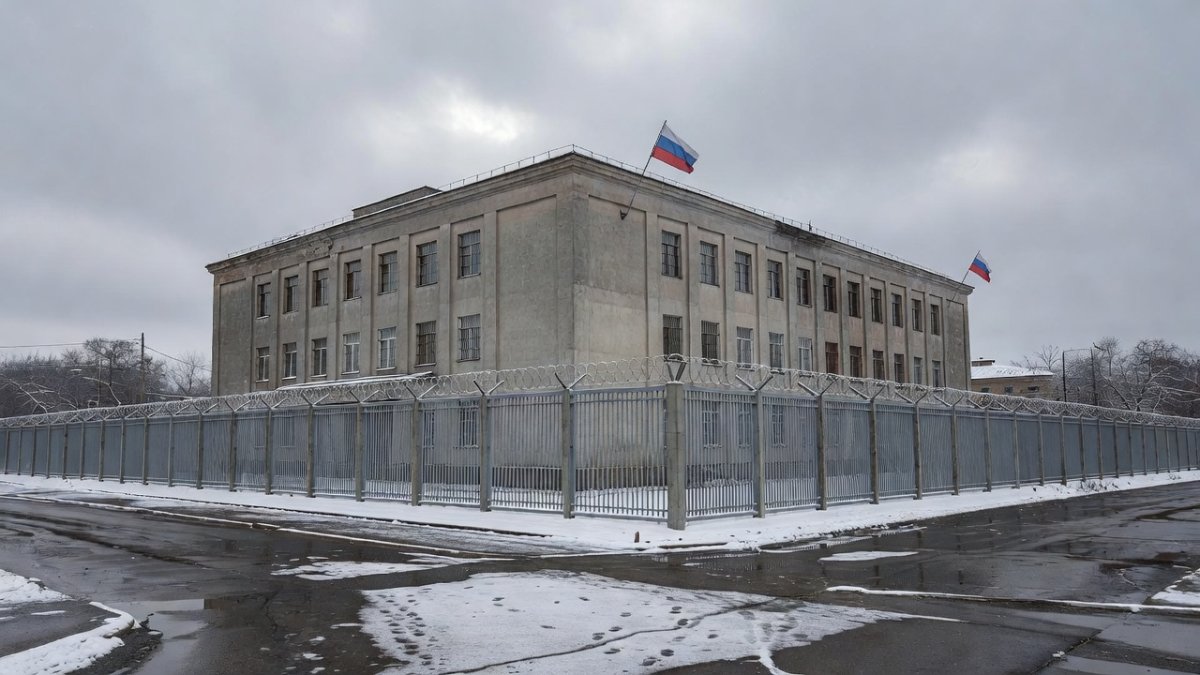
Arrest of Major General Alexander Dembitsky
Major General Alexander Dembitsky was arrested and placed in pre-trial detention on fraud charges as part of a sprawling investigation into the extortion of soldiers, according to RBC news outlet reporting on Friday citing sources familiar with the matter. He headed a recently created army corps within the Leningrad Military District and is now being held at Moscow's Lefortovo detention center. Russian investigators have not commented publicly on the case, leaving the precise timeline of his discharge from the military unclear at this stage.
The arrest highlights the reach of the probe into senior officers operating within established military districts. Dembitsky's position placed him at the intersection of formal command structures and attached private formations, a setup that investigators allege facilitated the alleged crimes. His continued denial of all allegations underscores the contested nature of the evidence presented so far in military court proceedings.
This development fits into broader patterns of accountability efforts targeting high-ranking personnel in Russia's defense establishment. The decision to hold Dembitsky at Lefortovo, a facility known for housing sensitive cases, signals the gravity with which authorities view the matter. An appeal against his detention is expected before a higher military court, though no date has been set for review.
Ordinary soldiers and their families bear the immediate consequences of such cases. When senior officers face fraud allegations tied to recruitment, trust in the chain of command erodes, leaving families uncertain about compensation and support mechanisms that should protect those who serve in the Leningrad Military District.
The Yastreb Mercenary Group and Its Military Ties
Yastreb was a small private mercenary group legally attached to the army corps commanded by Major General Alexander Dembitsky in the Leningrad Military District. This arrangement allowed the formation to operate under the formal umbrella of a regular military unit while maintaining its private character, according to sources cited by RBC. At least ten people are now being prosecuted for crimes connected to Yastreb's activities.
Such attachments reflect an ongoing effort within Russia's military structure to integrate private formations into district-level operations. The Leningrad Military District example shows how these groups can gain legal cover while pursuing separate financial objectives. Investigators allege this structure enabled coordination between official command and the mercenary outfit's leadership.
Analysis of the case suggests that embedding private groups inside established districts creates accountability gaps. When a mercenary unit is tied directly to a corps headquarters, lines of responsibility blur, allowing potential misconduct to continue unchecked until external complaints surface. This pattern echoes earlier difficulties in regulating non-state armed actors within the defense system.
The human impact falls heaviest on recruits who believed they were joining a sanctioned military pathway. Families who supported their decision now confront the reality that the attached private group allegedly prioritized extortion over legitimate service, undermining the protections normally associated with district-level enlistment.
Extortion Scheme: 89 Recruits and 8.8 Million Rubles
The core of the case centers on allegations that co-conspirators deceived 89 recruits into signing up with Yastreb and subsequently extorted more than 8.8 million rubles, equivalent to approximately 114,000 dollars, from them. Investigators reportedly allege that at least one victim was handcuffed and beaten for several days until agreeing to transfer 500,000 rubles. These details emerged from the broader probe into the attached mercenary group.
Within Russia's military recruitment system, such schemes exploit the urgency many young men feel when seeking contracts in districts like Leningrad. The deception allegedly began at the point of signing, with promises of regular service quickly giving way to demands for payment. This method preys on limited financial resources and incomplete information available to new enlistees.
The scale of the extortion, exceeding 8.8 million rubles across dozens of victims, points to a systematic operation rather than isolated incidents. When private groups attached to formal units engage in these practices, they erode the financial stability of soldier households already stretched by deployment costs and uncertain pay cycles.
Families of the affected recruits face prolonged uncertainty over both the lost funds and the legal status of their relatives' service. The repeated extraction of large sums such as 500,000 rubles from individuals under duress leaves lasting economic damage that official military support structures are not designed to address.
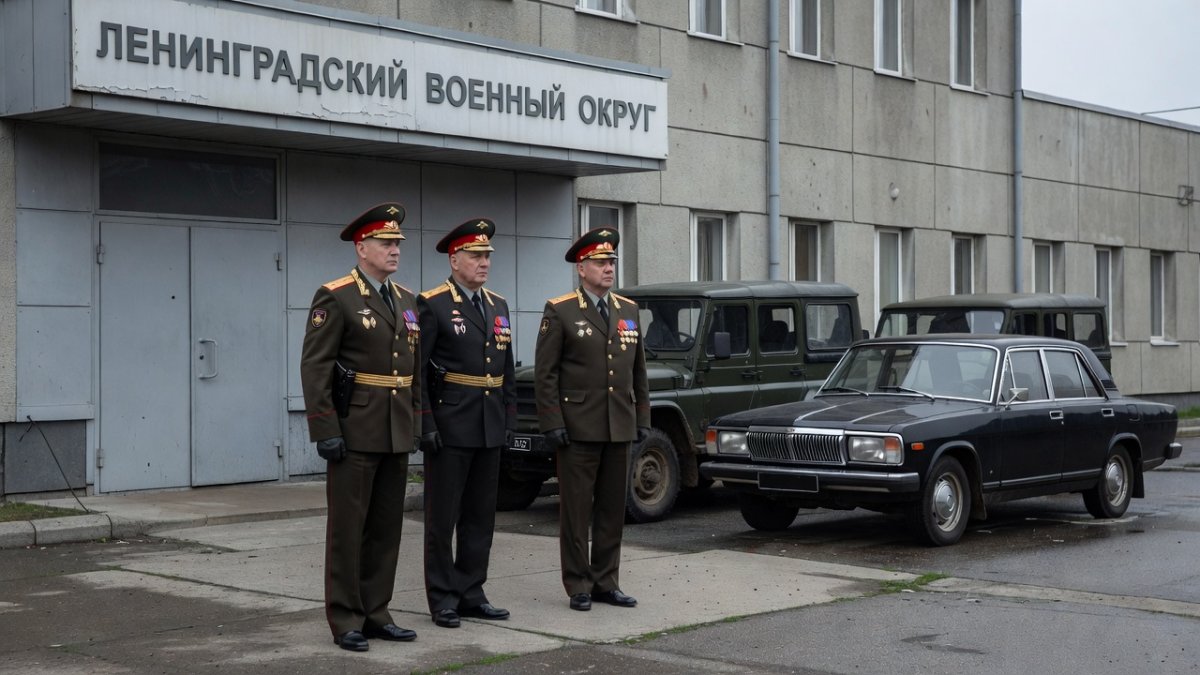
Kidnapping of a War Correspondent
Suspects allegedly kidnapped a war correspondent who was investigating Yastreb and demanded a one-million-ruble ransom from his wife. This incident, reported by RBC sources, illustrates the additional measures taken to suppress external scrutiny of the group's operations within the Leningrad Military District framework.
The targeting of a journalist demonstrates how the alleged network extended beyond financial extraction to active interference with information gathering. In an environment where independent reporting on military-adjacent groups is already constrained, such actions further isolate potential victims and delay official awareness of the scheme.
Contextually, this tactic fits patterns observed when private formations seek to maintain operational secrecy inside formal military districts. The demand for one million rubles from a family member underscores the personal leverage applied to silence witnesses who might expose the extortion of the 89 recruits.
The human cost extends to media professionals and their households who risk direct retaliation for examining these arrangements. When correspondents face kidnapping threats tied to investigations of attached mercenary groups, the broader public loses access to information that could protect future soldiers and their families from similar exploitation.
Marushchenko's Plea Deal and Testimony
Yastreb founder Alexei Marushchenko testified against Major General Alexander Dembitsky as part of a plea deal in a separate criminal probe, according to RBC sources. Marushchenko himself faces multiple charges including murder, weapons trafficking, large-scale fraud, extortion, kidnapping, and abuse of power. His cooperation reportedly supplied key evidence linking the mercenary group to the corps leadership.
This plea arrangement occurs against the backdrop of Russia's military justice system, where testimony from lower-level figures can implicate senior officers. The range of charges against Marushchenko, spanning violent crimes to financial offenses, reveals the breadth of activities allegedly conducted under the cover of the legally attached Yastreb unit in the Leningrad Military District.
Analysis indicates that such deals can accelerate investigations into embedded private groups but also raise questions about the completeness of evidence when one participant negotiates reduced exposure. Marushchenko's statements have reportedly helped expand the case beyond the initial extortion of 8.8 million rubles to encompass wider patterns of abuse.
Recruits and their families experience the downstream effects when leadership accountability hinges on insider testimony. The uncertainty surrounding plea outcomes leaves affected households waiting for clarity on whether stolen funds will be recovered or whether similar schemes will be deterred in other military districts.
800 Witnesses and the February 2025 Investigation
The broader investigation was opened in February 2025, and authorities have since questioned more than 800 witnesses, RBC reported. At least ten people are being prosecuted for crimes tied to Yastreb, with the probe continuing to expand across multiple regions connected to the Leningrad Military District.
This extensive witness pool reflects the scale of recruitment activity allegedly exploited by the attached mercenary group. Questioning hundreds of individuals allows investigators to map how the deception of 89 recruits fit into larger operational patterns involving the army corps commanded by Major General Dembitsky.
The timeline beginning in February 2025 demonstrates sustained institutional attention to cases involving private formations inside formal structures. Continued expansion of the investigation suggests additional leads have emerged from the initial testimony provided under Marushchenko's plea deal.
Soldiers' families encounter prolonged disruption as the investigation stretches across months. Each new witness interview can reopen questions about service contracts and financial obligations, delaying resolution for households already impacted by the extortion of significant sums such as 500,000 rubles from individual victims.
The Military-Mercenary Nexus in Russia's Defense
This case reveals how private mercenary groups have embedded themselves in Russia's military structure through formal attachments to district-level units. Since the Wagner Group era, the Kremlin has struggled to control private military formations, yet the Leningrad Military District arrangement shows these groups persist under new structures tied directly to corps headquarters.
The legal attachment of Yastreb to Major General Dembitsky's recently created army corps created an ambiguous status that investigators allege was exploited for extortion. This model allowed the small private group to draw legitimacy from the district while pursuing separate criminal objectives, complicating oversight by regular military authorities.
Analysis of the evidence presented through Marushchenko's testimony suggests that such nexuses concentrate power in ways that shield misconduct from routine inspections. When a mercenary outfit operates under the same command umbrella as regular forces, distinguishing official policy from private profiteering becomes difficult for both internal auditors and external observers.
The impact on ordinary personnel is direct: recruits who expected standard district enlistment procedures instead encountered demands for payment enforced through violence. Families lose not only money but also confidence that service in formations like those in the Leningrad Military District will provide the stability promised at the point of signing.
Implications for Military Accountability
Dembitsky's appeal to a higher military court will test the limits of prosecuting senior officers when evidence originates from plea deals involving figures such as Alexei Marushchenko. The challenge lies in translating allegations of extortion totaling more than 8.8 million rubles into convictions that reach the top of the chain of command within the Leningrad Military District.
Systemic corruption in the defense establishment is exposed when private groups attached to formal units can allegedly kidnap journalists and beat recruits without immediate intervention. This pattern indicates that accountability mechanisms remain reactive rather than preventive, allowing harm to accumulate before investigations open in February 2025 or later.
Going forward, the case signals potential pressure to clarify the legal status of mercenary attachments across all military districts. Without clearer separation between official corps and private outfits like Yastreb, similar schemes risk recurring and further damaging the financial security of soldier households already navigating deployment uncertainties.
The human consequences for ordinary soldiers and their families remain central. When senior officers face detention at Lefortovo and appeals drag on, affected recruits continue to shoulder the economic losses from extortion while waiting for any restitution or policy changes that might prevent future victimization in Russia's evolving defense structures.
By Irina Volkov, Staff WriterThis article was produced with AI-assisted research and editorial support. Reporting is based on sources cited in the article.
What's Your Reaction?
 Like
0
Like
0
 Dislike
0
Dislike
0
 Love
0
Love
0
 Funny
0
Funny
0
 Wow
0
Wow
0
 Sad
0
Sad
0
 Angry
0
Angry
0

Russia/Eastern Europe Correspondent at Global1.News. Covering Russian politics, energy, security, and the shifting dynamics of the post-Soviet space. Provides clear-eyed analysis on one of the world's most opaque regions.













Comments (0)