
Retail Spending Plunges 1% in March as Consumer Confidence Cracks
Retail Spending Plunges 1% in March as Consumer Confidence Cracks The March Sales Drop Hits Harder Than Expected Retail sales fell 1 percent in March from the prior month, according to the Commerce Department, outpacing the 0.4 percent decline economists had forecast. The drop followed a revised 0.2 percent decline in February and marked the clearest sign yet that consumers are
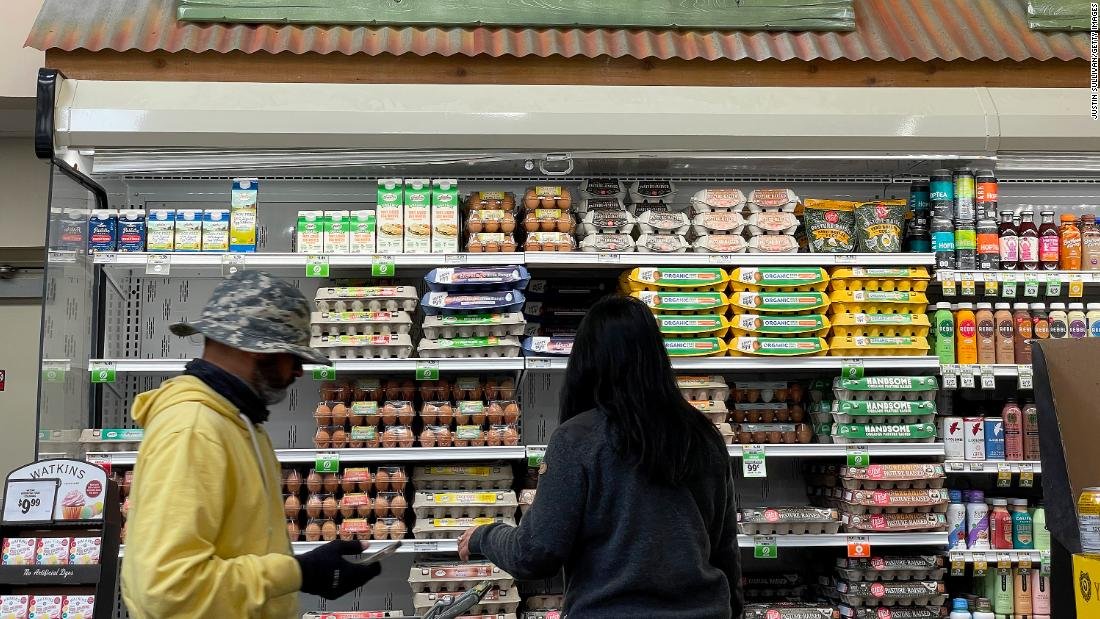
The March Sales Drop Hits Harder Than Expected
Retail sales fell 1 percent in March from the prior month, according to the Commerce Department, outpacing the 0.4 percent decline economists had forecast. The drop followed a revised 0.2 percent decline in February and marked the clearest sign yet that consumers are tightening their wallets after months of banking turmoil. Adjusted only for seasonality and not inflation, the figures reveal a broad pullback that cannot be dismissed as noise.
Department stores and durable goods retailers felt the brunt. General merchandise store spending plunged 3 percent month-over-month while gas station sales dropped 5.5 percent. Even stripping out gas stations, overall retail spending still retreated 0.6 percent. Year-over-year growth of 2.9 percent offers little comfort when the monthly trend is this negative.
Investors immediately linked the weakness to smaller tax refunds and rising recession fears. The data arrived on the same morning the University of Michigan released its April sentiment reading, reinforcing the sense that consumer momentum is fracturing in real time.
Smaller Tax Refunds Remove a Key Spending Buffer
The IRS issued 84 billion dollars in tax refunds this March, 25 billion dollars less than in March 2022. That shortfall directly curtailed discretionary purchases at department stores and for big-ticket items such as appliances and furniture. Consumers who had counted on last year’s larger refunds found themselves short precisely when prices remained elevated.
Bank of America analysts noted that credit and debit card spending per household slowed to its weakest pace in more than two years. The moderation aligned with both the reduced refunds and the February expiration of enhanced SNAP benefits. Households that had used those benefits to stretch budgets suddenly faced tighter constraints.
Aditya Bhave, senior U.S. economist at BofA Global Research, pointed out that March is historically a critical month for refund-driven spending. When refunds shrink, the effect is immediate and measurable across retail categories that rely on lump-sum cash infusions.
Labor Market Remains Resilient but Loses Steam
Employers added 236,000 jobs in March, a figure that still qualifies as robust by historical standards yet falls below the average monthly pace of the prior six months. The labor market has clearly cooled from its post-pandemic peak without tipping into outright contraction.
The JOLTS report showed job openings remained elevated in February but had fallen more than 17 percent from the March 2022 peak of 12 million. Revised unemployment claims data also indicated higher filings than previously reported, hinting at gradual softening beneath the headline employment number.
Michelle Meyer, North America chief economist at Mastercard Economics Institute, emphasized that income growth, household balance sheets, and labor market health still support consumer spending in the near term. That support, however, rests on a foundation that is visibly eroding month by month.
Wage Gains Slow as Employers Tighten Hiring
Average hourly earnings rose 4.2 percent in March from a year earlier, down from the prior month’s 4.6 percent annualized increase and the smallest annual gain since June 2021. The Employment Cost Index has similarly shown moderating pay growth throughout the past year.
Slower wage growth compounds the impact of smaller tax refunds and expired benefits. Workers are bringing home modestly larger paychecks than last year, but the pace of improvement has decelerated enough to curb spending momentum at the margin.
These trends suggest employers are already adjusting to higher interest rates and weaker demand. The result is a labor market that continues to add jobs without generating the wage pressure that previously fueled consumer outlays.
Banking Turmoil Leaves Consumers Wary but Not Panicked
Consumer sentiment tracked by the University of Michigan worsened slightly in March amid the failures of Silicon Valley Bank and Signature Bank. The April reading, however, held steady, indicating that households have not yet translated banking stress into a sharp revision of their personal finances.
Joanne Hsu, director of the surveys of consumers at the University of Michigan, noted that consumers are expecting a downturn without feeling as dismal as they did last summer. They appear to be waiting for clearer evidence that the other shoe will drop.
Fed economists had already projected subdued growth and recession risks before the March bank collapses. The latest turbulence has not yet altered consumer behavior in measurable ways, but the underlying expectation of slower growth remains firmly in place.
Inflation Expectations Jump Despite Steady Sentiment
Year-ahead inflation expectations rose a full percentage point in April, climbing from 3.6 percent in March to 4.6 percent. Higher gas prices contributed to the increase, pushing households to anticipate faster price growth even as overall sentiment stabilized.
The disconnect between steady sentiment and rising inflation expectations reveals a consumer base that is alert to cost pressures without yet altering spending plans dramatically. That balance could shift quickly if gas prices remain elevated or if further labor market softening materializes.
Central bankers will watch these readings closely as they assess whether inflation expectations remain anchored. A sustained move higher would complicate efforts to bring price growth back to target without deeper economic damage.
Recession Risks Mount as Policy Effects Accumulate
Federal Reserve economists forecast that the economy will enter recession later this year as the lagged impact of higher interest rates takes hold. That outlook predates the banking stress and now carries additional downside risks from tighter credit conditions.
Retail spending data for March already reflect the early stages of that slowdown. When combined with moderating wage growth and smaller tax refunds, the figures point to a consumer sector that can no longer be counted on to power the economy through the second half of the year.
Policy makers face a narrowing window to balance inflation control against the risk of a sharper contraction. The March retail figures serve as an early warning that consumer resilience has limits once multiple headwinds converge at once.
The Path Forward Hinges on Labor Market Durability
Whether the labor market can continue adding jobs at a pace sufficient to offset weaker refund-driven spending will determine the trajectory of consumer outlays. Current data show resilience, yet every incremental slowdown in hiring or wage growth narrows that margin.
Retailers and investors alike are now pricing in a consumer that spends more cautiously. The 1 percent March decline is not an isolated blip but the clearest signal yet that the post-pandemic spending surge has run its course.
Attention now turns to April and May data to confirm whether the March weakness marks a turning point or a temporary dip. The weight of evidence suggests the former.
By Jessica Ali, Staff WriterThis article was produced with AI-assisted research and editorial support. Reporting is based on sources cited in the article.
What's Your Reaction?
 Like
0
Like
0
 Dislike
0
Dislike
0
 Love
0
Love
0
 Funny
0
Funny
0
 Wow
0
Wow
0
 Sad
0
Sad
0
 Angry
0
Angry
0

Editor-in-Chief at Global1.News. Atlanta-based journalist who cuts through the BS and tells it like it is. Lead anchor, host, and the voice you hear when the spin stops and the truth starts.














Comments (0)