
US-Iran Pause Holds Into Third Day After Weeks of Escalation
The United States and Iran have now observed a pause in direct attacks for a third consecutive day, following nearly two weeks of US airstrikes that marked the peak of recent escalation. The halt comes after 13 consecutive nights of strikes and coincides with diplomatic activity .
The Origins of the Conflict
The current confrontation traces its immediate start to February 28, 2026, when the Trump administration announced the beginning of major combat operations involving joint US and Israeli strikes. That announcement set in motion a period of sustained military activity across multiple fronts. The decision reflected broader regional tensions that had been building for months prior to the formal declaration.
Initial operations focused on targets inside Iran and related positions, drawing responses from Iranian forces and allied groups. The conflict quickly expanded beyond the initial exchanges, involving additional actors in the region. By early summer, the pattern of nightly strikes had become a central feature of the fighting.
Throughout the spring and into summer, both sides maintained operational tempos that prevented any sustained de-escalation. The February start date remains the reference point used by officials when describing the timeline of events leading to the current pause.
Historical patterns of US-Iran friction provide context for the current standoff, as prior incidents involving proxy forces and maritime security had already strained relations before the February operations began. Strategic analysis suggests that the decision to launch major combat operations reflected calculations about deterring further Iranian advances across multiple theaters simultaneously.
Regional implications include heightened alert levels among neighboring states concerned about spillover effects from sustained exchanges. Economic consequences have appeared in disrupted shipping routes and elevated insurance costs for vessels transiting contested waters, even before the most recent intensification of strikes.
Escalation Through Airstrikes
US military operations reached their most intense phase during 13 consecutive nights of airstrikes, according to multiple reporting outlets. These strikes represented the height of direct American involvement in the campaign. Iranian forces responded with their own attacks during the same period, creating a cycle of action and counteraction.
The sustained nature of the strikes placed significant pressure on regional air defenses and logistics networks. Observers noted that the pace of operations exceeded earlier phases of the conflict that began in late February. The 13-night sequence ended only after internal discussions within the US administration about the direction of the campaign.
Regional allies monitored the exchanges closely, with some facilities coming under indirect threat as the fighting continued. The intensity of this period contributed to the decision to evaluate next steps before further commitments were made.
Historical context shows that earlier cycles of limited strikes had given way to more prolonged engagements once both sides committed additional resources. Strategic analysis indicates the 13-night period tested the limits of sustained air operations while exposing vulnerabilities in supply chains supporting forward-deployed forces.
Regional implications extend to increased coordination among Gulf states seeking to protect critical infrastructure from stray effects of the exchanges. Economic consequences include temporary halts in commercial aviation over parts of the region and added strain on global logistics networks already adjusting to prior disruptions.
Decision to Pause Military Operations
The Trump administration halted US strikes after nearly two weeks of continuous military action, creating the current pause that has now extended into a third day. Reports indicate that concerns raised by Vice President Vance and other officials about the risks of further escalation played a role in the timing of the decision. The break followed the 13-night period of peak activity.
Both Washington and Tehran have refrained from new attacks since the pause began, allowing conditions for talks to develop. President Trump has been described as giving the diplomatic process space to proceed without additional military pressure. This approach marks a shift from the earlier pattern of nightly operations.
The pause has been characterized by officials as an opportunity to assess whether negotiations can produce lasting arrangements. No new strikes have been reported on either side during the most recent 48-hour period covered by the latest updates.
Historical context reveals similar pauses in past US-Iran confrontations that allowed time for back-channel communications before any formal agreements emerged. Strategic analysis points to the role of internal administration deliberations in determining when operational momentum should yield to diplomatic openings.
Regional implications involve reduced immediate pressure on air and missile defense systems across several countries, though underlying force postures remain largely unchanged. Economic consequences have begun to appear in modest easing of risk premiums for energy shipments, though traders remain cautious about the durability of the current lull.
Diplomatic Efforts to Reopen Key Waterways
US and Iranian representatives are engaged in work on an arrangement to reopen the Strait of Hormuz to regular traffic. Iran has been conducting parallel negotiations with Oman focused on traffic management procedures in the waterway. These discussions represent the most concrete diplomatic activity since the pause took hold.
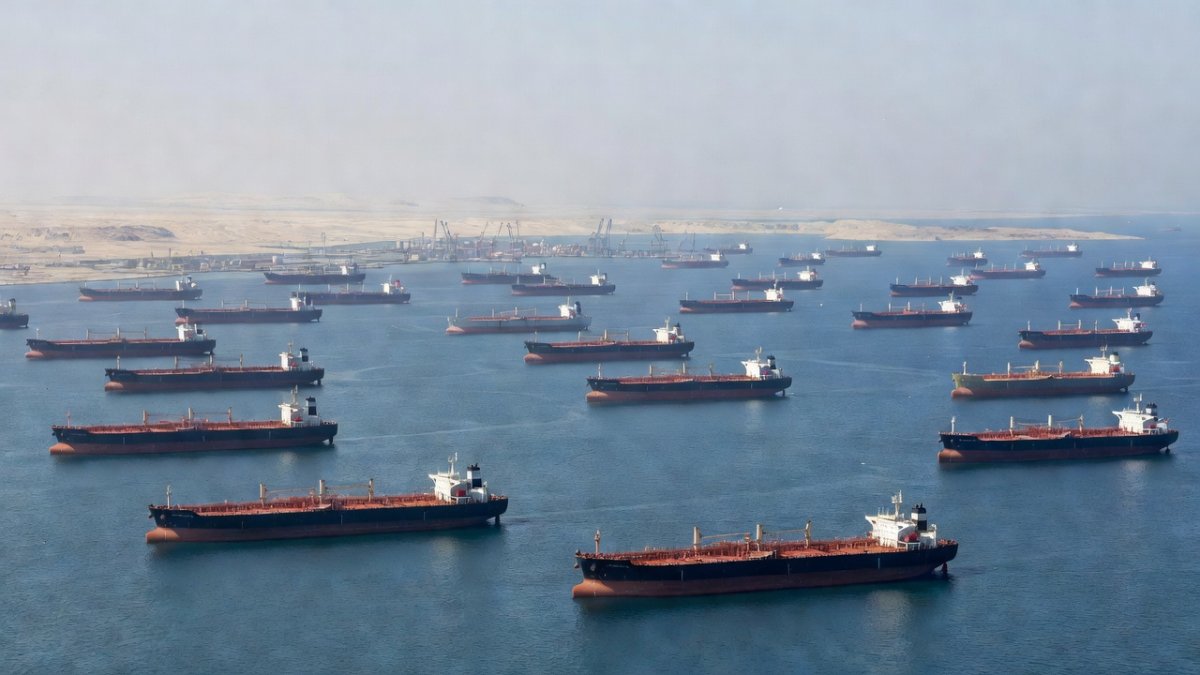
The Strait remains a critical passage for global energy shipments, and its continued restriction has been a central concern for multiple governments. Omani involvement in the talks reflects the country’s geographic position and established role in regional maritime issues. Progress on these negotiations is being watched as a potential indicator of whether the current pause can be extended.
Officials have not provided detailed timelines for when full reopening might occur, emphasizing that the process remains in an early stage. The focus on traffic management reflects practical steps needed to restore normal operations through the strait.
Historical context includes previous instances where Oman mediated maritime access issues between Iran and other parties during periods of heightened tension. Strategic analysis suggests that any agreement on the Strait would require verifiable mechanisms to prevent rapid reimposition of restrictions if talks falter.
Regional implications center on the interests of littoral states whose economies depend on reliable passage for both imports and exports. Economic consequences of prolonged closure have included rerouting of tankers around Africa and corresponding increases in delivery times for refined products to distant markets.
Impact on Global Oil Markets
Brent crude prices fell 4.9 percent to $92.02 per barrel as news of the pause spread through trading markets. The decline brought the total drop from the recent two-month high to more than 6 percent. Lower prices reflect trader assessments that the immediate risk of further disruption has decreased.
Oil benchmarks reached their lowest levels in more than a week following confirmation that US strikes had been suspended. Market participants cited the combination of the military pause and ongoing diplomatic contacts as factors supporting the downward movement. The price reaction has been described as measured rather than dramatic.
Analysts continue to monitor daily price action for signs of whether the current level will hold or reverse if tensions re-emerge. The connection between the Strait of Hormuz situation and energy prices remains a key variable in market forecasts.
Historical context shows that prior Strait-related incidents produced sharper and more sustained price spikes than the recent movement, suggesting markets have priced in some expectation of eventual de-escalation. Strategic analysis indicates that the 6 percent decline from the two-month high reflects partial relief rather than full resolution of supply concerns.
Regional implications include varying effects on producers and consumers depending on their exposure to Hormuz transit volumes. Economic consequences encompass adjustments in futures curves and hedging strategies as participants weigh the likelihood of renewed volatility against the current pause.
Human and Material Costs of the Fighting
The Pentagon has reported 624 US deaths since the start of major combat operations on February 28. This figure covers losses across the various phases of the campaign, including the period of intensified airstrikes. The total reflects the cumulative impact of sustained operations over several months.
Separately, the Center for Strategic and International Studies documented the destruction of a Boeing E-3 Sentry aircraft in Saudi Arabia during the conflict. The loss of the surveillance platform represents one of the notable equipment casualties reported during the fighting. Details on the circumstances of the incident have been limited in public statements.
These figures provide a partial accounting of the overall toll, with additional impacts on personnel and equipment from both sides still being assessed. The reported numbers cover only confirmed losses through the most recent available updates.
Historical context places these losses within a longer pattern of US military engagements in the Middle East that have produced cumulative casualties over extended periods. Strategic analysis highlights the challenges of maintaining high-tempo air operations while minimizing exposure of high-value assets such as the E-3 Sentry.
Regional implications include ongoing assessments by coalition partners of their own force protection requirements amid continued uncertainty. Economic consequences involve replacement and repair costs for lost equipment as well as long-term budgetary pressures from sustained deployments.
Remaining Challenges and Path Forward
Houthi forces continue to maintain blockades in Yemen, adding a separate layer of maritime disruption that has not been directly addressed by the current US-Iran pause. These actions remain in place despite the reduction in direct exchanges between Washington and Tehran. The persistence of the blockades illustrates the wider regional effects still requiring attention.
Officials have indicated that any broader settlement would need to account for multiple overlapping issues beyond the immediate halt in strikes. The focus on the Strait of Hormuz talks represents one element of a larger set of concerns. Continued monitoring of both military and diplomatic developments will determine whether the present pause leads to more durable arrangements.
Regional governments and international observers are tracking the situation for signs of renewed activity or further progress in negotiations. The coming days are expected to clarify whether the current conditions can be sustained.
Historical context shows that partial pauses in regional conflicts have sometimes allowed secondary actors to consolidate positions before broader talks addressed their activities. Strategic analysis suggests that separating the US-Iran channel from Houthi-related issues may limit the scope of any near-term agreements.
Regional implications include continued pressure on Red Sea shipping lanes that affects both commercial traffic and humanitarian deliveries. Economic consequences encompass sustained higher freight rates for routes avoiding the affected areas until additional de-escalation measures are secured.
Global Reactions and What Comes Next
International attention has focused on whether the current pause can create conditions for wider talks involving additional parties concerned about maritime security and energy flows. Observers note that the involvement of Oman in Strait discussions provides one established channel that could support further contacts if initial steps prove productive.
Strategic analysis indicates that the measured market response to the pause reflects caution among participants who have seen prior lulls give way to renewed exchanges. Regional implications include the need for neighboring states to maintain defensive postures even as direct US-Iran strikes have stopped.
Economic consequences of any renewed escalation would likely appear first in energy and shipping markets, where participants continue to track daily developments for signs of change. Officials have emphasized that the pause remains fragile and dependent on continued restraint from all sides.
Continued monitoring will determine whether the present conditions hold or whether additional measures become necessary to prevent a return to the pattern of nightly operations that preceded the current halt. The coming period is expected to test the durability of the diplomatic space that has opened since the pause began.
By Jessica Ali, Staff WriterThis article was produced with AI-assisted research and editorial support. Reporting is based on sources cited in the article.
What's Your Reaction?
 Like
0
Like
0
 Dislike
0
Dislike
0
 Love
0
Love
0
 Funny
0
Funny
0
 Wow
0
Wow
0
 Sad
0
Sad
0
 Angry
0
Angry
0

Editor-in-Chief at Global1.News. Atlanta-based journalist who cuts through the BS and tells it like it is. Lead anchor, host, and the voice you hear when the spin stops and the truth starts.














Comments (0)