
Retail Sales Plunge Signals Consumers Are Bracing for Rougher Times Ahead
Retail Sales Plunge Signals Consumers Are Bracing for Rougher Times Ahead The Raw Numbers Behind March's Retail Sales Decline US retail sales dropped 1 percent in March, a sharper fall than the 0.4 percent decline economists had penciled in and worse than February's already revised 0.2 percent dip. The Commerce Department released those figures on Friday, and they paint a clear
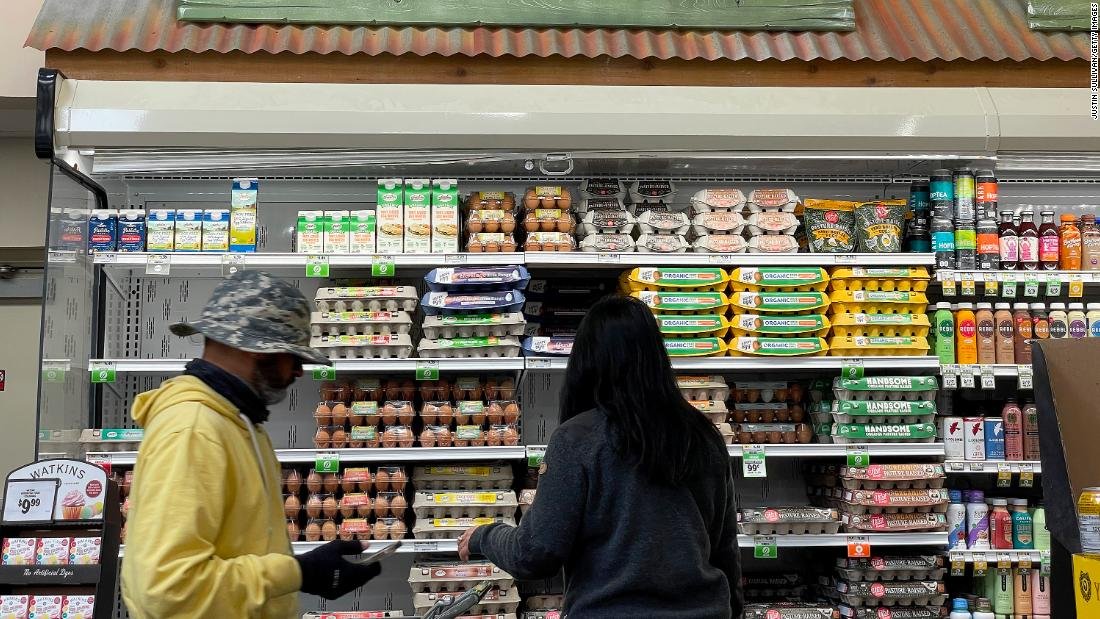
The Raw Numbers Behind March's Retail Sales Decline
US retail sales dropped 1 percent in March, a sharper fall than the 0.4 percent decline economists had penciled in and worse than February's already revised 0.2 percent dip. The Commerce Department released those figures on Friday, and they paint a clear picture of households tightening their belts after weeks of banking turmoil and recession chatter. Year-over-year spending still managed a 2.9 percent gain, but that headline masks the month-to-month reality: people simply spent less once tax refunds arrived smaller and pandemic-era supports vanished.
General merchandise stores saw sales slide 3 percent from February, while gas stations posted a steep 5.5 percent decline. Strip out gas stations and the overall drop was still 0.6 percent. These are not rounding-error moves; they reflect deliberate pullbacks at the checkout counter. Department stores and durable-goods categories such as appliances and furniture took the brunt, exactly where refund-dependent purchases usually land. The data leave little room for spin: consumers are choosing caution over confidence right now.
What stands out is how quickly momentum reversed. Just months ago, spending appeared resilient. Now the same households that powered through inflation are signaling they have reached their limit. The 1 percent headline drop is the clearest monthly signal yet that higher rates and fading support are starting to bite in real time.
Smaller Tax Refunds and Expired Benefits Hit Spending Hard
The IRS sent out 84 billion dollars in refunds this March, roughly 25 billion dollars less than the same month last year. Bank of America analysts flagged that shortfall immediately, and the spending data lined up almost perfectly. Households that counted on those checks for big-ticket items simply did not have the same cushion. Aditya Bhave at BofA Global Research noted that March refunds matter, and many families expected last year's larger amounts.
At the same time, enhanced SNAP benefits expired in February. That cut removed another steady stream of support for lower- and middle-income shoppers. Credit and debit card spending per household tracked by Bank of America slowed to its weakest pace in more than two years. The combination of lighter refunds and vanished food assistance created a double squeeze that showed up directly in department-store and grocery-adjacent categories.
This is not abstract economics. Real families felt the difference in their April budgets. When refunds shrink by tens of billions and food aid disappears overnight, the result is exactly what the Commerce Department recorded: measurable, broad-based pullback rather than scattered weakness.
Labor Market Shows Cracks Despite Still-Robust Job Gains
Employers added 236,000 jobs in March, a solid figure by historical standards yet below the average pace of the prior six months. The JOLTS report revealed job openings remained elevated in February but had fallen more than 17 percent from the March 2022 peak of 12 million. Revised unemployment claims data also came in higher than first reported, another quiet warning sign.
The labor market is not collapsing, but the direction is unmistakable. Openings are shrinking, hiring has moderated, and wage gains are no longer accelerating. Federal Reserve officials have already built a recession into their baseline forecast for later this year, citing the lagged impact of rate hikes. March's retail numbers suggest that slowdown is arriving faster in consumer wallets than some policymakers anticipated.
Atlanta households are watching the same indicators. When job postings dry up and claims tick higher, even workers with steady paychecks start postponing purchases. The 236,000 jobs added last month bought some breathing room, but they did not reverse the broader cooling trend visible across multiple data sets.
Wage Growth Slows While Inflation Expectations Jump
Average hourly earnings rose 4.2 percent in March from a year earlier, the smallest annual increase since June 2021 and down from 4.6 percent the prior month. Broader measures such as the Employment Cost Index confirm pay gains have moderated. That slowdown matters because it arrives just as households face higher prices at the pump and fewer refund dollars.
University of Michigan consumer sentiment data showed inflation expectations for the year ahead leaping from 3.6 percent in March to 4.6 percent in April. Higher gas prices drove much of that jump, but the psychological effect is real. Consumers now anticipate more pressure on budgets even as their wage growth eases. Joanne Hsu of the Michigan surveys captured the mood: people expect a downturn and are waiting for the other shoe to drop.
Opinionated take: the Fed keeps insisting it can engineer a soft landing, yet every fresh data release shows households absorbing higher costs with thinner cushions. When wage growth cools and inflation expectations spike in the same month, the math for consumer resilience gets harder, not easier.
Banking Turmoil and Sentiment: Early Warning Signs Ignored
Consumer sentiment dipped in March amid the regional bank failures and held steady in April only because the immediate panic faded. The University of Michigan's April reading still reflected unease, with respondents citing both banking stress and rising gas prices. That steadiness should not be mistaken for optimism; it simply shows the public has not yet shifted into outright panic.
Investors attributed part of the retail weakness to delayed tax refunds and labor-market concerns, but the banking episode added a psychological layer. When depositors see institutions wobble, they instinctively conserve cash. That instinct showed up in lower spending at gas stations and general merchandise outlets alike. The 1 percent March drop is therefore not an isolated statistic; it reflects overlapping pressures that began well before the Commerce Department released its report.
Atlanta shoppers are no different from the national average here. They see the same headlines, feel the same pinch at the pump, and adjust accordingly. Pretending the banking scare was a one-off event ignores how quickly confidence can translate into canceled purchases.
What Readers Should Do Right Now
Track your own cash flow against these macro trends instead of waiting for official revisions. Build a three-month expense buffer if you have not already, because the labor market's cooling trajectory points to slower hiring and potentially softer wage gains ahead. Review recurring subscriptions and delay non-essential durable purchases such as appliances or furniture until refund season clarifies next year.
Pay down variable-rate debt aggressively while rates remain elevated; the same forces driving retail weakness will keep borrowing costs high. Monitor weekly unemployment claims and JOLTS releases for early signals rather than relying on monthly retail headlines alone. If you are in a sector tied to consumer discretionary spending, update your resume and network now rather than after layoffs accelerate.
Finally, separate media noise from personal balance-sheet reality. The 1 percent March sales drop, the 25-billion-dollar refund shortfall, the 17 percent decline in job openings, and the jump in inflation expectations are not abstract. They are data points telling households to prepare for tighter conditions, not to panic but to act deliberately before the slowdown deepens further.
By Jessica Ali, Staff WriterThis article was produced with AI-assisted research and editorial support. Reporting is based on sources cited in the article.
What's Your Reaction?
 Like
0
Like
0
 Dislike
0
Dislike
0
 Love
0
Love
0
 Funny
0
Funny
0
 Wow
0
Wow
0
 Sad
0
Sad
0
 Angry
0
Angry
0

Editor-in-Chief at Global1.News. Atlanta-based journalist who cuts through the BS and tells it like it is. Lead anchor, host, and the voice you hear when the spin stops and the truth starts.















Comments (0)