
Retail Sales Plunge in March as Consumers Pull Back After Banking Turmoil
Retail Sales Take a Sharp Dip in March The Commerce Department reported on Friday that retail sales fell by 1 percent in March from the prior month. This decline came in steeper than the 0.4 percent drop that Refinitiv had expected and exceeded the revised 0.2 percent decline recorded in February. Adjusted for seasonality but not inflation, the numbers show consumers dialing ba
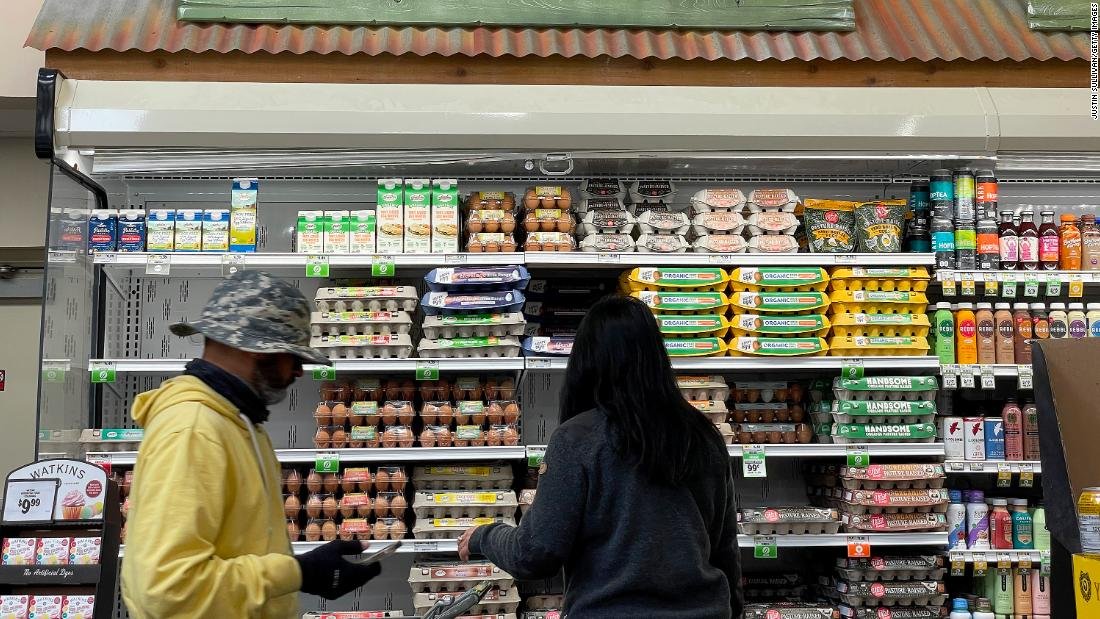
Retail Sales Take a Sharp Dip in March
The Commerce Department reported on Friday that retail sales fell by 1 percent in March from the prior month. This decline came in steeper than the 0.4 percent drop that Refinitiv had expected and exceeded the revised 0.2 percent decline recorded in February. Adjusted for seasonality but not inflation, the numbers show consumers dialing back purchases across several categories right after the banking crisis stirred recession worries.
You can see the pullback clearly in the data. Spending at general merchandise stores dropped 3 percent from February, while gas station sales tumbled 5.5 percent over the same period. Even when you strip out gas station sales, overall retail spending still retreated 0.6 percent month over month. Year-over-year figures offered a bit of contrast with a 2.9 percent rise, yet the monthly weakness stands out as a clear signal that households are tightening their belts.
Investors are pointing to a combination of factors behind this softness. The lack of robust tax returns and growing concerns about a slowing labor market appear to have weighed on spending decisions. Department stores and purchases of durable goods such as appliances and furniture felt the brunt of the pullback. These concrete shifts matter because they reflect real changes in how Americans are choosing to spend what they have right now.
For everyday readers this means watching your own receipts at big-box retailers and fuel pumps. The March numbers suggest caution is spreading, and that could translate into slower foot traffic at stores in the weeks ahead. The Commerce Department data gives us a factual snapshot rather than speculation, and it lines up with other signs that consumer momentum is easing after the recent banking events.
Practical implications extend to business planning as well. Retailers may need to adjust inventory and promotions if this trend holds. The 1 percent monthly drop is not an isolated blip when stacked against the prior month revision, and it underscores how quickly sentiment can shift when external shocks hit household finances.
Smaller Tax Refunds and Expired Benefits Hit Spending
The IRS issued 84 billion dollars in tax refunds this March, which is about 25 billion dollars less than the amount issued in March of 2022 according to Bank of America analysts. That shortfall likely contributed directly to the pullback in spending at department stores and on durable goods. Consumers who had counted on larger refunds found themselves with less cash on hand, leading to reduced outlays in key categories.
Economists also note that the expiration of enhanced food assistance benefits played a supporting role. These pandemic-era benefits provided through the Supplemental Nutrition Assistance Program ended in February, which may have held back spending into March. The combination of smaller refunds and the loss of those benefits created a double squeeze on household budgets at a time when other costs remain elevated.
Bank of America researchers tracking credit and debit card spending per household saw moderation in March that reached the slowest pace in more than two years. This slowdown aligns with the smaller returns and expired benefits, along with the broader cooling in wage growth. The data shows households becoming more selective about where their dollars go when inflows shrink.
Aditya Bhave, senior US economist at BofA Global Research, highlighted how important March is for refunds. Some folks might have been expecting something similar to last year, and when that did not materialize the effect showed up in the retail figures. This observation ties the numbers directly to consumer behavior without needing outside assumptions.
Readers should consider how these changes affect their own monthly budgets. If your refund came in lighter or if assistance programs no longer supplement groceries the way they once did, the March retail drop offers a mirror to what many households experienced. The facts from the Commerce Department and Bank of America Institute reports give a clear picture of where the pressure points lie.
Wage Growth Moderates Amid Labor Market Shifts
Average hourly earnings grew 4.2 percent in March from a year earlier, down from the prior month annualized 4.6 percent increase. This marked the smallest annual rise since June 2021 according to Bureau of Labor Statistics figures. The Employment Cost Index, described as a more comprehensive measure of wages, has also shown that worker pay gains have moderated over the past year, with first-quarter data scheduled for release later this month.
These wage trends matter because they intersect with the retail spending slowdown. Slower earnings growth reduces the cushion households have for discretionary purchases, especially when combined with smaller tax refunds. The data points to a gradual easing rather than a sudden collapse, yet the direction is consistent across multiple indicators.
Bank of America Institute analysis links the moderation in card spending to this wage slowdown alongside the refund and benefit changes. The result is a consumer who is still spending but at a more measured pace. This matters for anyone tracking their own paycheck against rising costs in other areas of life.
The solid but cooling labor market backdrop provides context. While job additions remained positive, the pace of wage gains has clearly lost some steam. Readers can use this information to anticipate potential pressure on raises or bonuses in the months ahead, based strictly on the trends the Bureau of Labor Statistics has already reported.
Practical steps include reviewing your own earnings trajectory against these national figures. If your hourly or salary growth has followed the 4.2 percent pattern, the March retail data suggests many others are in the same position and adjusting spending accordingly. The facts keep the focus on measurable outcomes rather than forecasts.
Job Market Remains Robust Yet Loses Some Momentum
Employers added 236,000 jobs in March, a robust gain by historical standards but smaller than the average monthly pace of job growth in the prior six months according to the Bureau of Labor Statistics. The latest Job Openings and Labor Turnover Survey showed that the number of available jobs remained elevated in February yet was down more than 17 percent from its peak of 12 million in March 2022. Revised data also indicated that weekly claims for unemployment benefits were higher than previously reported.
This combination paints a picture of a labor market that is still adding positions but at a decelerating rate. The decline in job openings from the prior peak signals fewer opportunities emerging, which could influence how secure workers feel about future income. The revised claims data adds another layer of caution to the overall employment picture.
Michelle Meyer, North America chief economist at Mastercard Economics Institute, noted that the big picture remains favorable when considering income growth, balance sheets, and labor market health. Yet the March job figures and JOLTS results show the momentum has clearly slowed compared with earlier periods. This balance of strength and softening is what consumers are navigating right now.
For readers, these employment details translate into watching local hiring trends and claims activity in your area. The national numbers from the Bureau of Labor Statistics provide a benchmark, and the downward revision in openings suggests competition for new roles may intensify. The data supports staying informed about personal job security without jumping to conclusions.
The 236,000 job gain stands as a concrete monthly outcome, but its position below the recent average pace underscores the shift underway. Households can factor this into decisions about major purchases or savings targets, using the reported figures as a factual reference point.
Consumer Sentiment Holds Steady After Banking Events
Consumer sentiment tracked by the University of Michigan worsened slightly in March during the bank failures, though it had already shown signs of deteriorating before then. The latest reading released Friday morning showed that sentiment held steady in April despite the banking crisis. Higher gas prices helped push up year-ahead inflation expectations by a full percentage point, rising from 3.6 percent in March to 4.6 percent in April.
Joanne Hsu, director of the surveys of consumers at the University of Michigan, stated that on net consumers did not perceive material changes in the economic environment in April. She added that consumers are expecting a downturn, they are not feeling as dismal as they were last summer, but they are waiting for the other shoe to drop. These comments capture the measured tone in the survey results.
The steady April sentiment reading comes even after the March banking turbulence, suggesting the direct effects on households have remained limited so far. At the same time, the jump in inflation expectations tied to gas prices shows how quickly one cost factor can shift perceptions. Readers can relate this to their own experiences at the pump and how those prices influence broader outlook.
The University of Michigan data offers a window into public mood without overstatement. The slight March dip followed by April stability indicates resilience, yet the elevated inflation expectations serve as a reminder that external pressures continue to register. This factual sequence helps frame personal financial planning around observed sentiment patterns.
Actionable takeaway involves monitoring your own inflation expectations against the reported 4.6 percent April figure. If gas prices continue to influence your views, the survey results align with that experience and encourage budgeting adjustments based on the latest available numbers.
Looking Ahead With Facts in Hand
Fed economists expect the US economy to head into a recession later in the year as the lagged effects of higher interest rates take a deeper hold. They had forecast subdued growth with risks of a recession even prior to the collapses of Silicon Valley Bank and Signature Bank. The March retail sales drop, wage moderation, and job market cooling fit within this broader context of gradual softening.
The interplay between smaller tax refunds, expired benefits, and slower earnings growth creates a consistent narrative across the reported data. Retail spending retreated in key areas while year-over-year gains persisted at a modest level. These outcomes give readers a clear set of reference points for evaluating their own financial position.
Practical implications include reviewing household budgets against the 1 percent March retail decline and the 4.2 percent wage growth figure. Tracking local job openings relative to the national 17 percent drop from peak can also inform decisions. The facts from the Commerce Department, Bureau of Labor Statistics, and University of Michigan surveys remain the foundation for any next steps.
Stay engaged by checking upcoming releases such as the Employment Cost Index and monitoring how gas prices continue to shape expectations. Use the reported numbers to guide conversations with financial advisors or family members about spending priorities. The data shows where adjustments may be warranted without requiring speculation beyond what has already been measured.
By Jessica Ali, Staff Writer
This article was produced with AI-assisted research and editorial support. Reporting is based on sources cited in the article.
What's Your Reaction?
 Like
0
Like
0
 Dislike
0
Dislike
0
 Love
0
Love
0
 Funny
0
Funny
0
 Wow
0
Wow
0
 Sad
0
Sad
0
 Angry
0
Angry
0

Editor-in-Chief at Global1.News. Atlanta-based journalist who cuts through the BS and tells it like it is. Lead anchor, host, and the voice you hear when the spin stops and the truth starts.















Comments (0)