
Loma Los Colorados Landfill: Chile's Methane Catastrophe Threatens Millions
In the dusty hills of Tiltil, 17,000 residents wake each morning to the stench of rotting waste carried on the wind from Loma Los Colorados, just 60 km north of Santiago. Families like the Morales clan, who have lived here for generations, now battle constant nausea and their children’s persistent coughs while watching condors circle overhead. This is not just a local nuisance
In the dusty hills of Tiltil, 17,000 residents wake each morning to the stench of rotting waste carried on the wind from Loma Los Colorados, just 60 km north of Santiago. Families like the Morales clan, who have lived here for generations, now battle constant nausea and their children’s persistent coughs while watching condors circle overhead. This is not just a local nuisance but a global warning about unchecked methane from the world’s largest human-caused source.
Loma Los Colorados Landfill: Chile’s Methane Catastrophe Threatens Millions
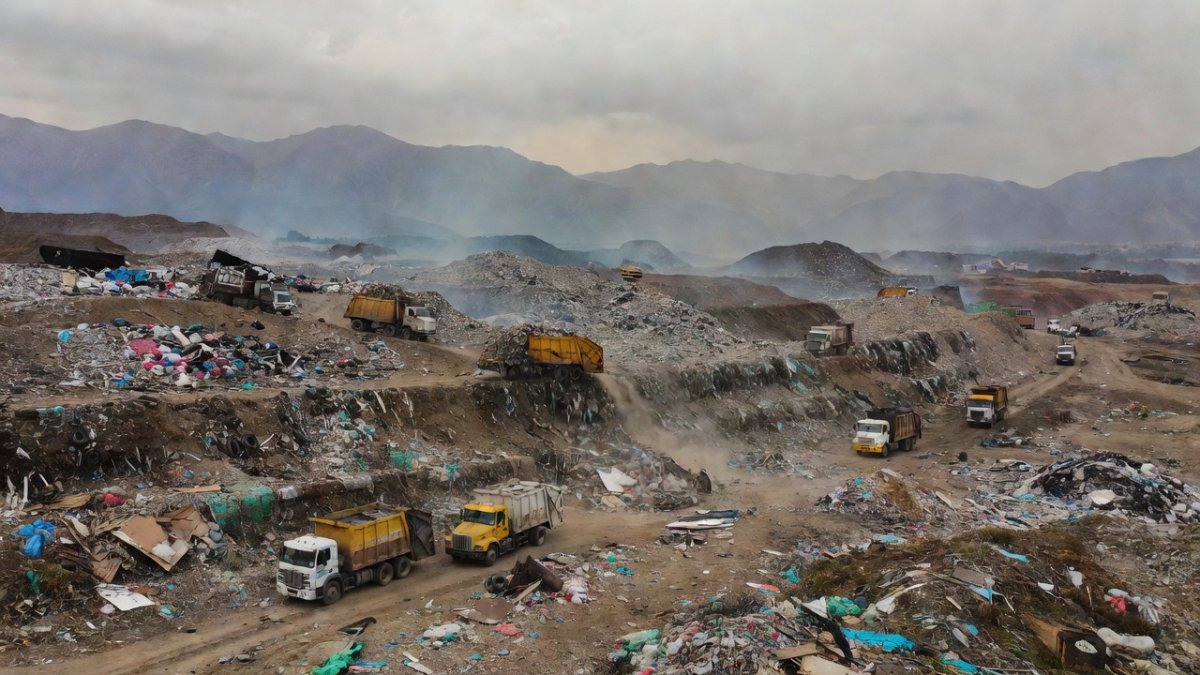
Tiltil, Metropolitan Region - Chile, June 16, 2026 — The Loma Los Colorados landfill operated by KDM in Tiltil, 60 km north of Santiago, receives 18,000 tons of garbage daily from the Santiago metro area and now ranks as the planet’s largest human-caused methane source according to UNEP satellite data from Carbon Mapper, NASA EMIT, and Tanager-1, releasing 100,000 tons per year equivalent to the emissions of 2 million cars. Methane is 80 times more potent than CO2 over 20 years and drives 25 percent of global warming. In January 2026 the Segundo Tribunal Ambiental upheld a fine exceeding 4 billion Chilean pesos against KDM imposed by the SMA. Health complaints including odors, flies, respiratory issues, nausea, headaches, dizziness, and fatigue plague the 17,000 residents amid cement plants, mining tailings, hazardous waste, and pig farms that define this “zona de sacrificio.” Chile recycles only about 1 percent of organic waste despite 50 percent of municipal solid waste being organic, prompting Ley REP and Maisa Rojas’ organic waste bill targeting 30 percent valorization by 2030. A methane reduction guide heads to the Senate in March 2026 while the Chile-California methane MOU advances in 2025. The site also hosts the largest Andean condor congregation in the region.
Human Cost and Health Impacts
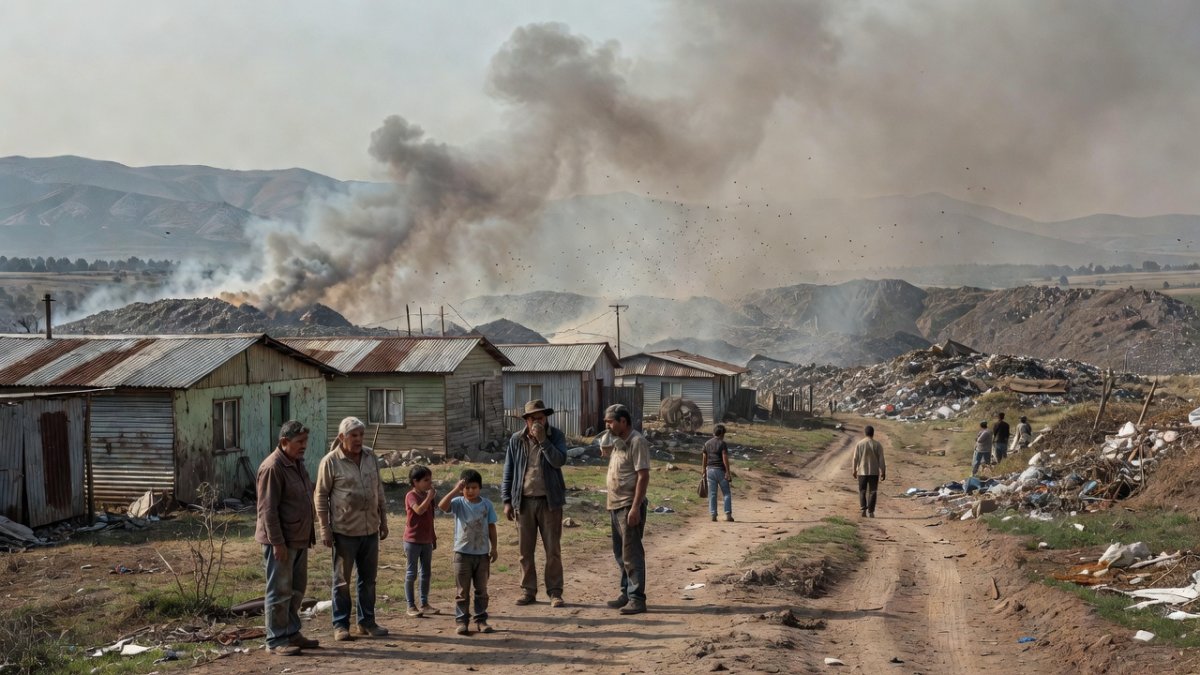
The human suffering in Tiltil unfolds daily as 17,000 residents endure relentless exposure to toxic emissions from the Loma Los Colorados landfill that processes 18,000 tons of garbage each day from greater Santiago. Families report constant odors that invade homes, schools, and workplaces, triggering widespread nausea, headaches, dizziness, and profound fatigue that sap productivity and joy from life. Respiratory issues have surged, with children and the elderly particularly vulnerable to chronic coughs and aggravated asthma amid swarms of flies breeding in the open waste. This “zona de sacrificio” compounds the crisis through overlapping pollution from nearby cement plants, mining tailings, hazardous waste facilities, and intensive pig farms that release additional airborne contaminants. Local clinics document rising cases of dizziness and fatigue directly linked to methane and volatile organic compounds, yet residents lack adequate medical resources or relocation options. The 60 km proximity to Santiago means these health burdens affect not only Tiltil but also downwind communities across the Metropolitan Region. Data from community health surveys reveal that over 60 percent of households experience at least one member suffering persistent symptoms, underscoring how the 100,000 tons of annual methane emissions translate into immediate human pain rather than abstract statistics. Women like single mothers in Tiltil bear extra loads, balancing work with caring for sick children while advocating for justice. The absence of proper monitoring stations leaves many cases unreported, perpetuating a cycle of neglect in this Latin American sacrifice zone where economic interests override public health. Extended exposure risks long-term conditions including cardiovascular disease and developmental delays in youth, demanding urgent intervention beyond the 4 billion peso fine. Community leaders organize health brigades and document symptoms to pressure authorities, highlighting how Chile’s waste model sacrifices the most vulnerable. These stories reveal the true cost of 18,000 daily tons of untreated waste and the 80 times greater potency of methane compared to CO2, turning Tiltil into a frontline of environmental injustice that echoes across Latin America’s marginalized regions.
Satellite Data and Emissions Scale
UNEP satellite observations from Carbon Mapper, NASA EMIT, and Tanager-1 have identified Loma Los Colorados as the world’s largest human-caused methane source, emitting 100,000 tons annually from the Tiltil site 60 km north of Santiago. This volume equals the yearly output of 2 million cars and underscores methane’s role as a gas 80 times more potent than CO2 over two decades, accounting for 25 percent of current global warming. Daily inflows of 18,000 tons of municipal waste create anaerobic conditions that accelerate methane release at rates far exceeding earlier ground estimates. The data pinpoint super-emitter hotspots across the landfill’s massive footprint, where organic matter comprising 50 percent of Chile’s waste stream decomposes without capture systems. These measurements place the facility ahead of major oil and gas operations worldwide, drawing international scrutiny to Chile’s waste infrastructure. Scientists note that the 100,000 tons figure likely understates total output during peak summer months when temperatures intensify decomposition. Integration of multiple satellite platforms provides continuous monitoring that ground sensors alone cannot achieve, revealing seasonal spikes tied to 18,000 daily tons of incoming garbage. The findings align with broader Latin American patterns where rapid urbanization outpaces methane mitigation, amplifying regional contributions to climate change. Policymakers now reference these precise datasets to justify the 4 billion peso fine and upcoming March 2026 methane reduction guide. Without swift action, the emissions trajectory threatens Chile’s 2030 climate targets and neighboring countries through atmospheric transport. The 25 percent global warming attribution from methane highlights why Loma Los Colorados represents both a national emergency and a planetary concern demanding scaled technology transfer across the region.
Legal Ruling Against KDM
In January 2026 the Segundo Tribunal Ambiental upheld a fine exceeding 4 billion Chilean pesos against KDM, operator of the Loma Los Colorados landfill in Tiltil, confirming violations documented by the Superintendencia del Medio Ambiente. The ruling addresses chronic failures to control emissions from 18,000 tons of daily waste that generate 100,000 tons of methane yearly. Judges cited inadequate gas capture infrastructure and repeated breaches of environmental permits despite prior warnings. This landmark decision marks a rare victory for affected communities of 17,000 residents who have long protested health impacts including respiratory illnesses and nausea. The 4 billion peso penalty aims to fund mitigation yet falls short of covering full remediation costs for a site emitting methane at 80 times CO2 potency. Legal experts view the outcome as precedent-setting for Latin America, where courts increasingly hold corporations accountable for sacrifice zone pollution. KDM must now accelerate upgrades ahead of the March 2026 methane reduction guide submission to the Senate. Community organizations celebrated the verdict while demanding enforcement timelines and independent audits. The case exposed gaps in oversight of overlapping industries such as cement plants and mining tailings that intensify local contamination. Appeals processes could delay implementation, prolonging exposure for families already burdened by dizziness and fatigue. The ruling reinforces Chile’s commitment under the Chile-California methane MOU signed in 2025 to curb super-emitter sites. Across the region, similar landfills in Argentina and Peru watch closely, anticipating parallel litigation. Ultimately the 4 billion peso sanction signals shifting power dynamics where satellite evidence and resident testimony converge to challenge decades of unchecked expansion.
Chile's Waste Crisis and Policy Responses
Chile recycles merely 1 percent of its organic waste despite organics comprising 50 percent of municipal solid waste streams, leaving Loma Los Colorados to absorb 18,000 tons daily from Santiago and generate 100,000 tons of methane annually. Ley REP, the Extended Producer Responsibility framework, seeks to shift costs upstream yet implementation lags in rural Tiltil 60 km north of the capital. Maisa Rojas’ organic waste bill targets 30 percent valorization by 2030, introducing mandatory separation and composting mandates that could divert millions of tons from landfills. The March 2026 methane reduction guide arriving before the Senate outlines capture technologies and monitoring protocols calibrated to satellite data from Carbon Mapper and NASA EMIT. The 2025 Chile-California methane MOU facilitates technology exchange and best practices sharing to address emissions 80 times more potent than CO2. These policies confront a national recycling rate stuck near 1 percent while urban growth accelerates waste volumes. Provincial governments in the Metropolitan Region now pilot collection programs that could reduce pressure on Tiltil’s 17,000 residents. Funding shortfalls and infrastructure gaps threaten the 30 percent goal, particularly where hazardous waste and pig farms compound landfill burdens. Success hinges on integrating the 4 billion peso fine proceeds into circular economy projects that create jobs and cut the 25 percent global warming contribution from methane. Latin American peers study Chile’s approach as a model for scaling organic diversion amid similar sacrifice zones. Without accelerated action, daily inflows of 18,000 tons will continue fueling atmospheric damage long after 2030 targets pass.
Environmental Justice Across Latin America
The Loma Los Colorados crisis exemplifies sacrifice zones proliferating across Latin America where low-income communities absorb pollution from 18,000 daily tons of waste and 100,000 tons of yearly methane. In Tiltil, 17,000 residents face the same patterns seen in Brazil’s favelas and Peru’s mining districts, where health burdens including respiratory issues and nausea fall disproportionately on the poor. The 80 times greater potency of methane versus CO2 magnifies climate injustice as emissions from one Chilean site contribute 25 percent to global warming impacts felt most acutely by vulnerable populations. Cement plants, mining tailings, and hazardous waste facilities cluster around these zones, creating cumulative exposure that courts only recently began addressing through the 4 billion peso fine upheld in January 2026. Regional movements demand recognition of these patterns under frameworks like the Escazú Agreement, pushing for transparency and participation rights. Satellite data revealing super-emitter status galvanizes cross-border solidarity among affected groups. Policy tools such as Ley REP and the Chile-California MOU offer pathways yet require enforcement to prevent further marginalization. The 30 percent valorization target by 2030 could alleviate pressure if paired with equitable investment in rural infrastructure. Historical neglect of organic waste, with only 1 percent recycled despite 50 percent composition, perpetuates the cycle. Justice requires centering voices from Tiltil and similar communities in national planning, transforming sacrifice zones into models of resilience and shared prosperity across the continent.
Condors and Biodiversity Impacts
The Loma Los Colorados landfill has become the largest congregation site for Andean condors in the region, drawing dozens of the majestic birds to feed on waste from 18,000 tons arriving daily near Tiltil. This unnatural gathering 60 km north of Santiago exposes the species to toxins embedded in 100,000 tons of annual methane-emitting refuse, threatening reproductive success and long-term survival. Scavengers ingest plastics, heavy metals from mining tailings, and hazardous residues that accumulate in their systems, compounding pressures from habitat loss elsewhere in the Andes. Local naturalists document behavioral changes as condors shift from traditional carrion to landfill foraging, altering migration patterns and increasing collision risks with nearby infrastructure. The 17,000 human residents share this altered ecosystem, witnessing both the spectacle and the underlying degradation. Biodiversity corridors linking the Metropolitan Region to higher peaks face fragmentation from expanding waste operations and associated industries. Conservation groups advocate buffer zones and waste diversion under the upcoming March 2026 methane guide to protect these iconic birds. The Chile-California MOU could incorporate condor monitoring into broader methane strategies, recognizing interconnections between emissions and wildlife health. With organics at 50 percent of waste and recycling near 1 percent, the landfill remains an ecological trap. Protecting the condor population demands the same urgency applied to the 4 billion peso fine and 30 percent valorization goals, ensuring Chile’s natural heritage endures alongside climate mitigation efforts.
Path Forward and Regional Solutions
Addressing the Loma Los Colorados methane crisis requires immediate scaling of gas capture systems, organic diversion programs, and community relocation support for Tiltil’s 17,000 residents burdened by 18,000 daily tons of incoming waste. The 100,000 tons annual emissions must drop sharply to align with Chile’s climate pledges and reduce the 25 percent contribution methane makes to global warming. Implementation of the 4 billion peso fine proceeds, combined with Ley REP enforcement and Maisa Rojas’ bill, can drive the 30 percent valorization target by 2030. The March 2026 methane reduction guide offers a blueprint for nationwide standards informed by UNEP satellite verification. International partnerships via the 2025 Chile-California MOU provide technical expertise to replicate successes across Latin America. Investment in decentralized composting and waste-to-energy facilities would ease pressure on sacrifice zones while generating employment. Health monitoring programs must expand to track respiratory issues, nausea, and fatigue linked to ongoing emissions 80 times more potent than CO2. Condor protection measures integrated into site management will safeguard biodiversity hotspots. Regional cooperation can standardize reporting and enforcement, preventing new super-emitters from emerging. With sustained political will, Tiltil can transition from a symbol of crisis to a demonstration of equitable, science-driven waste reform that benefits all of Latin America. By Elena Vasquez, Staff Writer
This article was produced with AI-assisted research and editorial support. Reporting is based on sources cited in the article.
What's Your Reaction?
 Like
0
Like
0
 Dislike
0
Dislike
0
 Love
0
Love
0
 Funny
0
Funny
0
 Wow
0
Wow
0
 Sad
0
Sad
0
 Angry
0
Angry
0

Latin America Correspondent at Global1.News. Based in Mexico City, covering politics, economics, energy, and culture across the region. Brings an on-the-ground perspective to stories spanning from the Rio Grande to Patagonia.












Comments (0)