
Putin: Ukraine Drone Strikes Aim to Divide Russian Society
Putin Accuses Ukraine of Seeking to Divide Russian Society Russian President Vladimir Putin stated on Friday that Ukraine's drone strikes on Russian territory are intended to create divisions within society. He described the attacks as an effort to sow confusion among the population and to inflict harm on the national economy. These remarks were delivered during a meeting with
Putin Accuses Ukraine of Seeking to Divide Russian Society
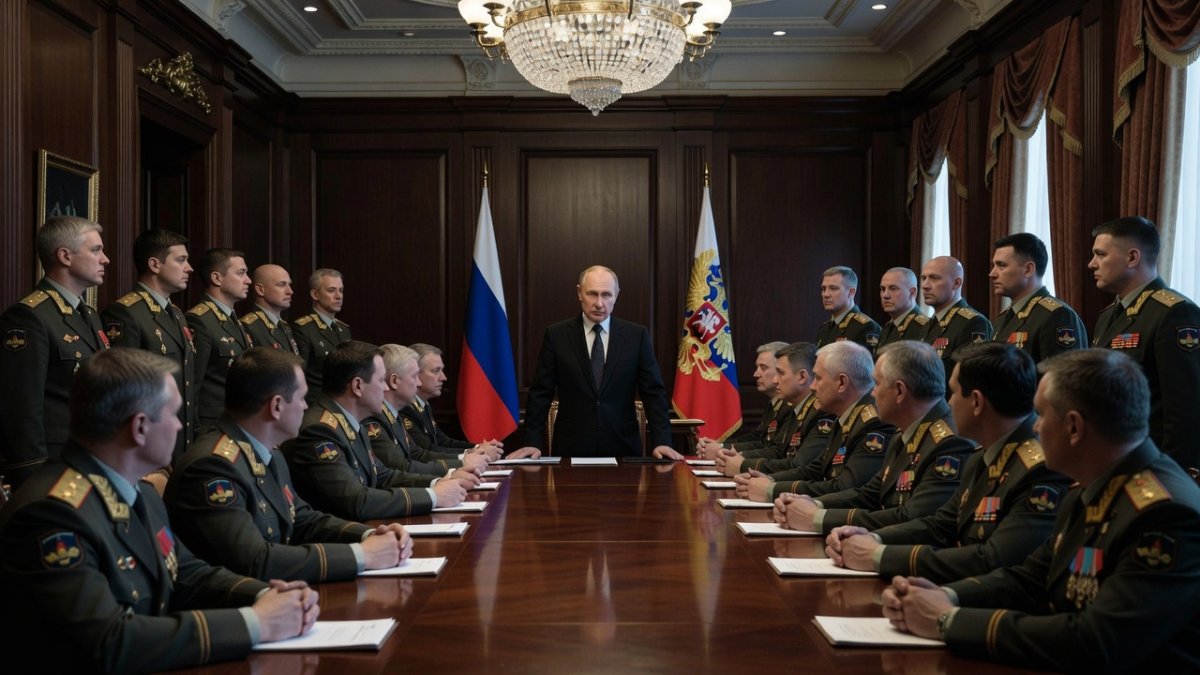
Russian President Vladimir Putin stated on Friday that Ukraine's drone strikes on Russian territory are intended to create divisions within society. He described the attacks as an effort to sow confusion among the population and to inflict harm on the national economy. These remarks were delivered during a meeting with Russian soldiers at the Kremlin, where the leader outlined what he sees as the strategic objectives behind the increasing frequency of such operations.
The comments from Putin came in direct response to a series of Ukrainian actions that have targeted energy facilities inside Russia. According to the president, the aim is not merely military but also psychological and economic, seeking to fracture unity at home. He emphasized that these strikes represent a deliberate attempt to destabilize internal cohesion during the ongoing conflict.
Putin framed the drone campaign as part of a broader pattern of escalation by Kyiv. He noted that the strikes have grown more ambitious, reaching areas far from the front lines. This development, he argued, underscores the need for Russia to remain vigilant against efforts designed to weaken societal resolve through indirect means.
In his address, the Russian leader connected these accusations to the wider context of the war, which has now lasted more than four years. He portrayed the drone operations as evidence of Ukraine's intent to prolong hostilities by targeting civilian and economic infrastructure rather than engaging solely on the battlefield.
Ukrainian Drone Campaign Reaches Deeper Into Russian Territory
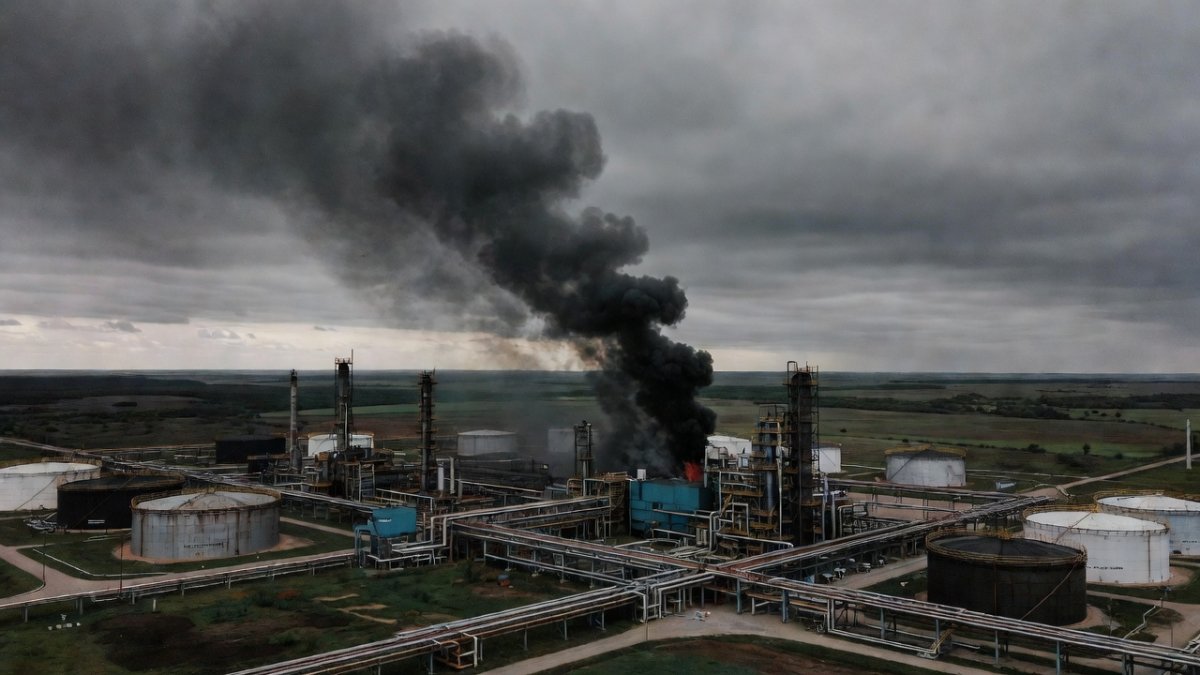
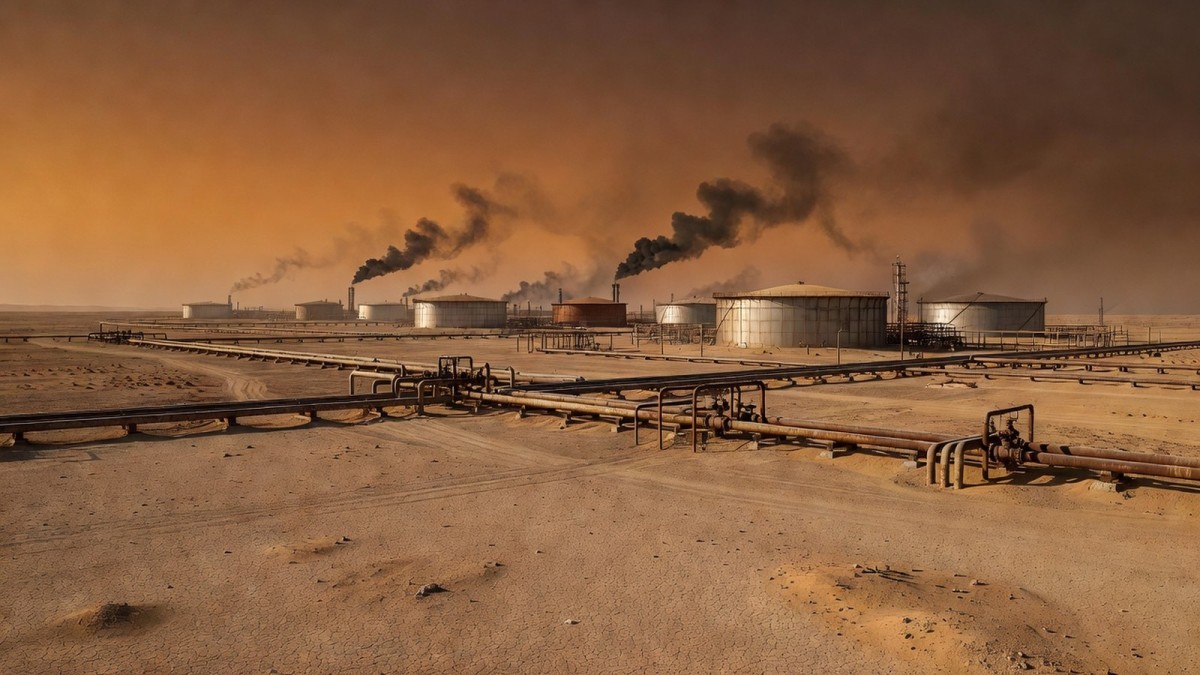
Ukraine has conducted drone strikes that extend ever deeper into Russian territory in recent months. These operations have regularly focused on oil refineries and export hubs, demonstrating an expanded reach that goes well beyond areas immediately adjacent to the conflict zone. The pattern indicates a sustained effort to disrupt energy production and logistics networks.
The most recent reported strike occurred hours before Putin's Friday remarks, when Kyiv claimed responsibility for hitting a major oil refinery located more than 1,000 kilometres from the front line. This distance highlights the technical capabilities involved and marks a significant extension of operational range compared to earlier phases of the campaign.
Russian officials have observed that these deeper incursions have become more consistent over time. The targeting of energy infrastructure appears designed to create cumulative pressure on supply chains and export capacities. Such actions have forced adjustments in defensive postures across multiple regions.
Despite the challenges in verifying exact outcomes, the strikes have drawn attention to vulnerabilities in rear areas. Putin acknowledged the geographic expansion during his Kremlin meeting, linking it to Ukraine's stated goal of imposing economic costs through repeated aerial operations.
Kremlin Acknowledges Economic Damage While Claiming Rapid Recovery
During his address on Friday, Putin conceded that Ukrainian drone strikes have caused economic damage to Russia. He specifically referenced impacts on energy facilities but maintained that restoration efforts have been swift in most cases. This admission came alongside his broader accusations regarding societal division.
The Russian president stressed that any disruptions have been temporary. He claimed that affected sites were returned to operational status quickly, minimizing long-term effects on production and exports. Such statements aim to reassure domestic audiences about the resilience of critical infrastructure under pressure.
Independent assessment of the true scale of damage remains difficult due to limited access to detailed data from the affected regions. Putin noted this challenge implicitly by focusing on recovery timelines rather than providing comprehensive figures on losses or downtime.
The acknowledgment of economic harm stands in contrast to official narratives that downplay vulnerabilities. Yet the emphasis on rapid repairs serves to project an image of effective response mechanisms within the Russian system, even as strikes continue to target refineries and related hubs.
Ukraine Frames Deep Strikes as Proportional Retaliation
Ukraine has described its drone strikes on Russian energy infrastructure as fair retaliation for the ongoing barrage of drones and missiles directed at Ukrainian towns and cities. This justification positions the deeper incursions as a direct response to daily attacks that have affected civilian areas across Ukraine throughout the conflict.
Officials in Kyiv have argued that the operations serve to impose symmetric costs on Russia for its sustained aerial campaign. By hitting refineries and export facilities far inside Russian territory, the strikes aim to mirror the pressure felt by Ukrainian populations from incoming projectiles.
The framing of proportionality has been consistent in Ukrainian statements regarding these actions. The targeting of energy assets is presented not as escalation but as a necessary countermeasure to the volume and frequency of Russian strikes on urban centers and infrastructure.
This perspective contrasts with Russian characterizations of the same operations as attempts to sow internal confusion. Ukraine maintains that the strikes address the imbalance created by Russia's use of long-range weapons against non-combatant zones on a regular basis.
Putin Calls for Strengthened Air Defenses Across Russia
Putin called for improvements to Russian air defense systems in response to the expanding drone threat. This marked the second such appeal within the current month, signaling heightened concern over the ability of existing protections to counter strikes reaching deep into the country.
The Russian leader highlighted the need for enhanced capabilities to intercept incoming drones before they reach critical targets. His remarks on Friday underscored that current arrangements require upgrades to address the evolving tactics employed by Ukrainian forces in recent months.
These calls for better air defenses come amid repeated incidents involving oil refineries and export hubs. Putin linked the requirement directly to the geographic expansion of strikes, noting that greater coverage is essential to safeguard economic assets located hundreds of kilometres from active combat zones.
The emphasis on defensive enhancements reflects an ongoing adjustment in Russian military priorities. By making this point publicly for the second time recently, the president indicated that air defense remains a pressing issue requiring coordinated attention at multiple levels.
Historical Allegories and Military Posturing in Putin's Address
In his Friday meeting with soldiers, Putin drew comparisons between the current Western stance and historical figures such as 19th-century French emperor Napoleon Bonaparte and 20th-century Nazi Germany leader Adolf Hitler. Both, he noted, had previously attempted to seize Russian territory through military campaigns.
The Russian president used these references to frame the ongoing conflict as part of a recurring pattern of external aggression. He positioned Russia's actions as defensive measures against similar ambitions, invoking past invasions to underscore the stakes involved in the present confrontation.
Putin also praised Russian assault groups for their role in operations, describing how they enter areas, establish control, and secure territory for the country. This commendation highlighted the contributions of frontline units in advancing Russian positions during the more than four years of war.
Additionally, he stated that the Russian armed forces now include more than 700,000 personnel engaged in the Ukraine conflict. This figure was presented as evidence of the scale of commitment and the resources allocated to maintaining territorial gains amid continued Ukrainian drone activity.
Diplomatic Stalemate: Putin Rejects Direct Talks With Zelensky
Putin recently rejected the possibility of face-to-face talks with Ukrainian President Volodymyr Zelensky as a means to end the war. This stance comes after more than four years of fighting and amid the latest round of drone strikes that have intensified economic and societal pressures inside Russia.
The refusal to engage directly with Zelensky signals a continued preference for other channels or conditions before any high-level meetings. Putin has maintained this position even as Ukrainian operations reach deeper into Russian territory, suggesting that military developments have not altered the diplomatic calculus in Moscow.
By dismissing personal negotiations at this stage, the Russian leader appears to tie any potential dialogue to broader strategic outcomes on the ground. The comments on Friday reinforced that Ukraine's drone campaign has not prompted a shift toward immediate bilateral discussions.
The stalemate persists despite the acknowledged impacts of strikes on energy infrastructure. Putin's public statements indicate that Russia views current military efforts, including those involving over 700,000 personnel, as central to determining the terms under which talks might eventually occur.
Analysis and Strategic Implications
The statements delivered by Putin on Friday reveal a dual focus on internal cohesion and defensive readiness in the face of expanded Ukrainian drone operations. By accusing Kyiv of aiming to divide Russian society while simultaneously calling for better air defenses, the address balances narratives of resilience with admissions of practical challenges posed by strikes on refineries and export hubs.
The geographic reach of these attacks, exemplified by the hit on a facility more than 1,000 kilometres from the front line, underscores shifts in operational dynamics. Ukraine's framing of the actions as retaliation for Russian barrages on its cities adds a layer of justification that complicates efforts to portray the strikes solely as destabilization attempts.
Putin's historical comparisons and references to more than 700,000 personnel involved in the war serve to contextualize the conflict within longer arcs of Russian defense. These elements, combined with the rejection of direct talks with Zelensky, point to a strategy that prioritizes military consolidation over immediate diplomatic engagement after more than four years.
Overall, the developments described in recent months highlight the interplay between aerial campaigns and economic targeting. The second call this month for improved air defenses suggests that sustaining territorial control and protecting infrastructure will remain key priorities as both sides navigate the costs of continued operations.
By Irina Volkov, Staff Writer
This article was produced with AI-assisted research and editorial support. Reporting is based on sources cited in the article.
What's Your Reaction?
 Like
0
Like
0
 Dislike
0
Dislike
0
 Love
0
Love
0
 Funny
0
Funny
0
 Wow
0
Wow
0
 Sad
0
Sad
0
 Angry
0
Angry
0
Russia/Eastern Europe Correspondent at Global1.News. Covering Russian politics, energy, security, and the shifting dynamics of the post-Soviet space. Provides clear-eyed analysis on one of the world's most opaque regions.











Comments (0)