
Sejal Pawar Cadaver Remarks Ignite Debate on Medical Ethics and Digital Conduct
The controversy surrounding Sejal Pawar, an undergraduate MBBS student at King Edward Memorial Hospital in Mumbai, Maharashtra, erupted after clips from a stand-up comedy show in Gurugram, Haryana, surfaced on social media in June 2026. Pawar made inappropriate remarks about male cadavers' genitalia during comedian Pranit More's performance approximately three months earlier. T
The controversy surrounding Sejal Pawar, an undergraduate MBBS student at King Edward Memorial Hospital in Mumbai, Maharashtra, erupted after clips from a stand-up comedy show in Gurugram, Haryana, surfaced on social media in June 2026. Pawar made inappropriate remarks about male cadavers' genitalia during comedian Pranit More's performance approximately three months earlier. The viral clips triggered immediate public outrage across platforms, prompting swift institutional scrutiny in India's medical education system.
Sejal Pawar Cadaver Remarks Ignite Debate on Medical Ethics and Digital Conduct
Mumbai, Maharashtra – June 12, 2026 — The controversy surrounding an MBBS student at KEM Hospital has triggered urgent conversations about medical ethics, the sanctity of body donation, and the need for digital conduct guidelines in Indian medical education.
The Incident and Immediate Fallout
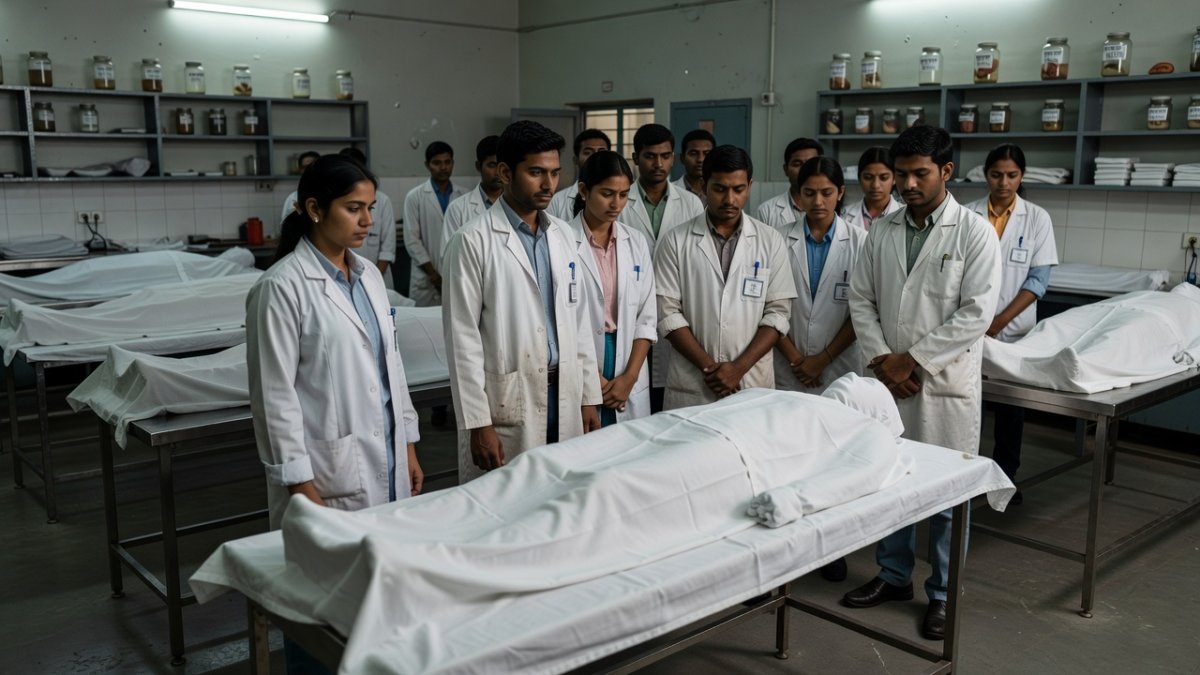
Sejal Pawar, enrolled at KEM Hospital in Mumbai, participated in the Gurugram event where her comments about donated bodies were recorded. Once the footage spread in June 2026, it drew widespread condemnation for disrespecting cadavers used in medical training. Mumbai police registered an FIR against Pawar and the event organisers under relevant provisions for the remarks. Pawar issued a video apology that was later deleted and followed it with a written statement expressing regret. No suspension has occurred yet, as disciplinary measures await the outcome of an internal review.
Institutional Response: KEM Hospital and Medical Bodies
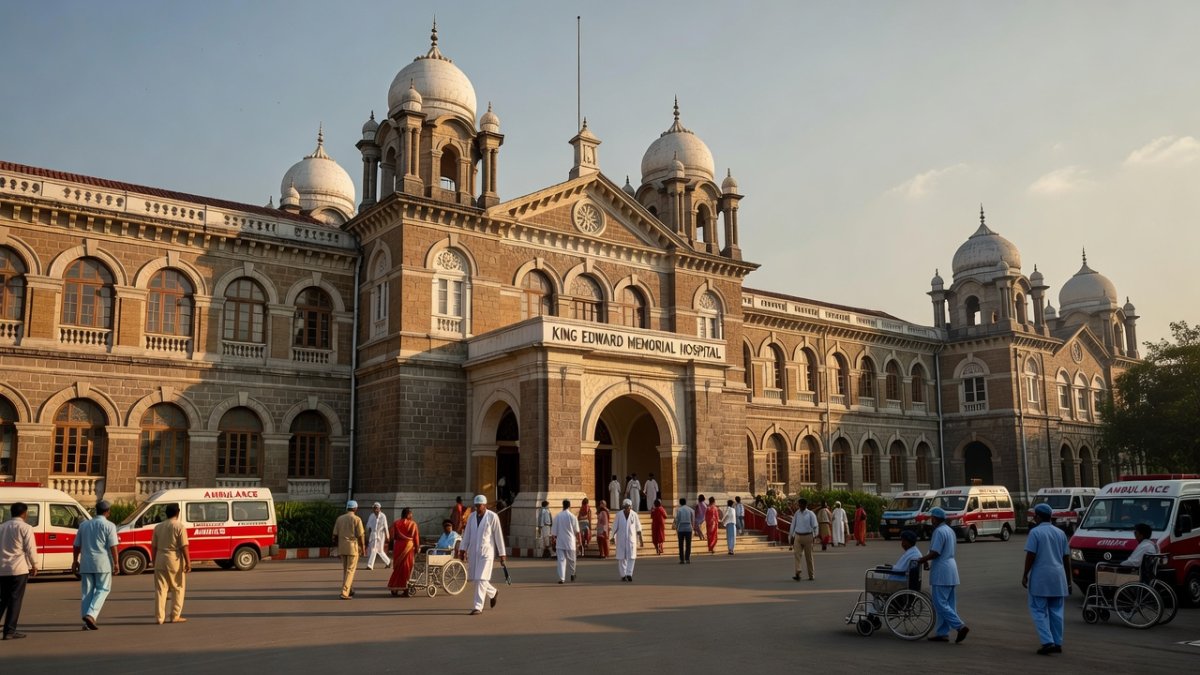
KEM Hospital Dean Dr Harish Pathak stated that the administration learned of the circulating video through social media and deemed the conduct highly unacceptable. The dean emphasised sensitivity toward bodies donated with emotional commitment for medical education and formed a two-member committee to investigate, with a report expected within one to two days. KEM MARD, the Resident Doctors' Association, clarified that Pawar is not a member and condemned the remarks as inappropriate and inconsistent with values expected of medical professionals. The association noted her public apologies but warned against personal vilification, online abuse or targeted harassment, describing such responses as neither constructive nor proportionate. It also rejected unrelated criticism of her admission through reservation. AIMSA, the All India Medical Students' Association, labelled the remarks an insensitive and disrespectful portrayal of cadavers and body donors for entertainment, demanding a public apology and threatening legal action if authorities failed to respond adequately.
The Medical Ethics Framework: NMC Guidelines and AETCOM
India's National Medical Commission introduced a competence-based medical education curriculum between 2019 and 2020 that mandates a cadaveric oath for all students before they begin dissection training. The AETCOM module on Attitude, Ethics and Communication became compulsory in the first-year MBBS curriculum to instil respect for body donors from the outset. These measures aim to embed professional conduct early in training at institutions such as KEM Hospital and across state medical colleges in Maharashtra and beyond. The framework directly addresses the need for ethical handling of cadavers, which are treated as first patients and first teachers in Indian medical education.
What Experts Say About Cadaver Dignity
Dr Sheetal Joshi, Professor of Anatomy at Lady Hardinge Medical College in Delhi, stressed that even the dead require respectful treatment. Dr Vandana Mehta, Head of Anatomy at Vardhaman Mahavir Medical College and Safdarjung Hospital, described cadaveric donation as an act of supreme sacrifice by families and called the undergraduate's comments insensitive and unacceptable at multiple levels. Dr Satendra Singh, Physiology Professor at University College of Medical Sciences, highlighted broader patterns of unprofessional social media behaviour, noting that searches for "cadaver" on YouTube reveal students in aprons posing inappropriately, including instances of using half-cut skin as props. These observations from Delhi-based experts underscore systemic gaps in digital awareness within India's medical colleges.
The Broader Digital Ethics Challenge for Medical Students
Medical colleges across India largely lack formal social media policies, leaving students without clear guidance on digital ethics. The absence of structured training on online conduct allows incidents like the Gurugram performance to escalate rapidly once clips reach platforms. This gap affects thousands of MBBS students in states such as Maharashtra and Haryana, where professional boundaries blur between personal expression and public responsibility. The Sejal Pawar case illustrates how one event can expose the need for mandatory digital ethics modules tied to the existing AETCOM framework.
Implications for Body Donation in India
Body and organ donations have risen considerably in recent years, supported by public campaigns and examples such as the former Union Home Minister donating his mother's body to a leading Delhi medical college. Cadavers remain central to anatomy training at institutions nationwide. The controversy risks eroding public trust in donation programmes, potentially slowing voluntary contributions that families make with deep emotional investment. For patients and future doctors in cities like Mumbai and Delhi, sustained donation rates are essential to maintain hands-on medical education standards.
The Bottom Line
The Sejal Pawar episode at KEM Hospital connects directly to India's medical education reforms, healthcare ethics and public trust in body donation systems. It highlights the urgent requirement for enforceable digital conduct rules alongside the NMC's AETCOM curriculum. Without proactive measures, similar incidents could further strain donation programmes that underpin training for future physicians serving citizens across Maharashtra and other states.
— By Dr. Raj Patel, Staff Writer
This article was produced with AI-assisted research and editorial support. Reporting is based on sources cited in the article.
What's Your Reaction?
 Like
0
Like
0
 Dislike
0
Dislike
0
 Love
0
Love
0
 Funny
0
Funny
0
 Wow
0
Wow
0
 Sad
0
Sad
0
 Angry
0
Angry
0
India/South Asia Correspondent at Global1.News. Analytical voice with a background in science and health journalism. Based in New Delhi, covering Indian politics, education, healthcare, technology, and policy. Breaks down complex data into clear, actionable reporting.










Comments (0)