
Trump's 50% Tariffs on Canadian Goods: Trade War Impact
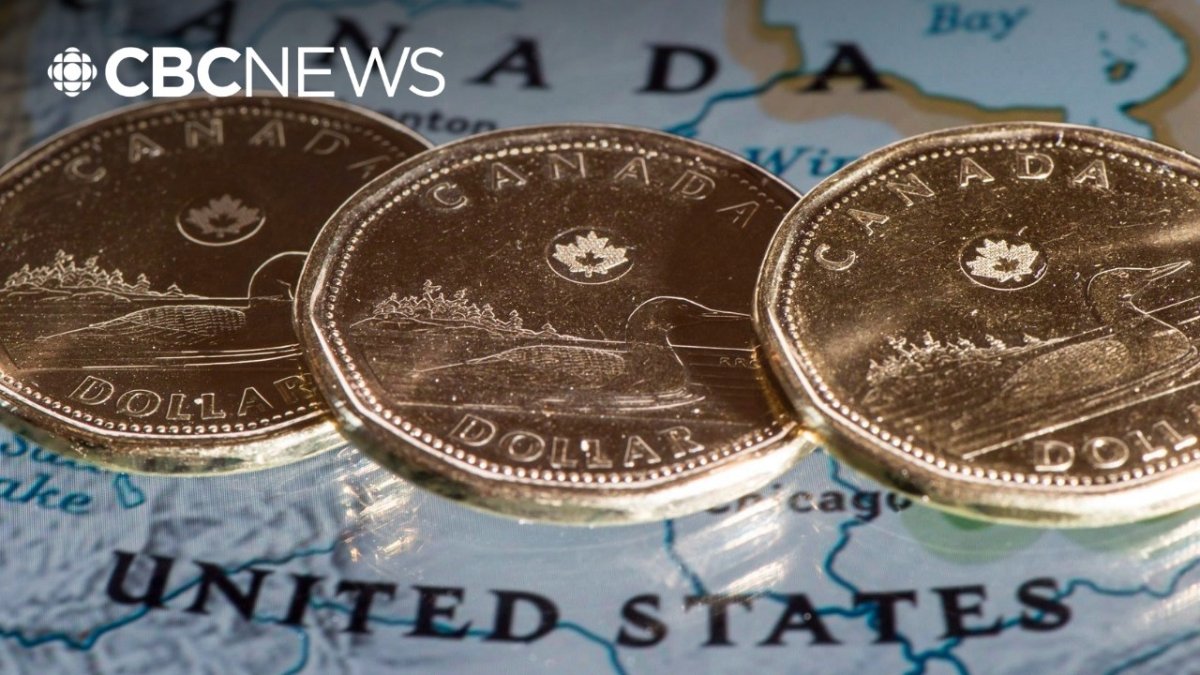
In a recent CBC News report titled "How Trump's new 50% tariffs could affect the Canadian economy; explained," reporter Linda Ward detailed the product-by-product and province-by-province fallout from the new duties. The segment highlighted how the measures, signed on Monday, July 20, 2026, spare Canada's largest export categories while striking smaller but symbolically important sectors.
In a recent CBC News report titled "How Trump's new 50% tariffs could affect the Canadian economy; explained," reporter Linda Ward detailed the product-by-product and province-by-province fallout from the new duties. The segment highlighted how the measures, signed on Monday, July 20, 2026, spare Canada's largest export categories while striking smaller but symbolically important sectors. Canadian viewers saw concrete examples of affected goods ranging from Ontario-made hockey sticks to Quebec maple syrup.
Trump's 50% Tariffs Threaten Canadian Economy as Trade War Escalates
Ottawa, Ontario – July 21, 2026 — President Donald Trump signed three proclamations imposing 50% tariffs on most Canadian goods under Section 338 of the Tariff Act of 1930. The duties, which take effect in 30 days, target a wide range of Canadian exports including wine, hockey sticks, cement, plywood, honey, toys, and paper products, along with autos, dairy, and alcohol. These measures leave existing 15-50% duties on Canadian steel, aluminum, copper, and vehicles untouched.
Energy, potash, fish, and certain critical minerals remain exempt because they represent Canada's largest export volumes to the United States. Small business owner Tia Masic told CBC News that the new tariffs may prove the hardest challenge yet for firms already navigating prior duties. The Canadian economy has been treading water and avoiding recession so far, yet these additional costs arrive at a fragile moment.
Why Section 338 — The Legal Basis
The Supreme Court ruled in February 2026 that Trump's earlier tariffs imposed under the International Emergency Economic Powers Act were illegal. Trump therefore pivoted to Section 338, a provision never used by any president before and described by trade analysts as a nuclear option. This legal route allows the administration to impose duties without the same judicial constraints that blocked the previous measures.
Ontario Premier Doug Ford immediately signaled a manufacturing showdown for the province's auto and parts plants. The choice of Section 338 also sidesteps the USMCA's dispute-resolution mechanisms that Canada had relied upon in earlier disputes. Canadian officials note that the move directly challenges the trade framework both countries renegotiated in 2018.
Provincial Impact: Who Gets Hit Hardest
Quebec's maple syrup producers face immediate cost increases on shipments to the United States, their primary market. British Columbia's wine industry, already competing with California producers, will see 50% duties layered on top of existing logistics expenses. Ontario's auto sector, which ships components and finished vehicles daily across the Ambassador Bridge, stands to absorb the largest absolute dollar impact.
Ontario's auto sector faces immediate pressure from the 50 per cent tariffs, with the Windsor-Detroit corridor handling roughly 40 billion in annual vehicle and parts trade. Daily shipments of components cross the Ambassador Bridge and Detroit-Windsor Tunnel, supporting just-in-time assembly lines at plants in Oshawa, Cambridge and Alliston. A prolonged disruption would idle thousands of workers at tier-one suppliers such as Magna and Linamar, whose integrated supply chains rely on seamless movement of stamped metal, wiring harnesses and electronics. Industry estimates place the value of Ontario auto exports to the United States at more than 0 billion.
Quebec's exposure extends well beyond the 0 million maple-syrup trade. The province's aerospace cluster, centred on Bombardier and its suppliers in Mirabel and Saint-Laurent, ships roughly billion in finished aircraft and components southward each year. Primary aluminium smelters in the Saguenay–Lac-Saint-Jean region, which export more than billion annually, would also absorb higher duties. These sectors employ highly skilled workforces whose retooling or relocation options remain limited in the short term.
Atlantic Canada's seafood exporters, already navigating earlier duties on lobster and snow crab, now confront fresh uncertainty. New Brunswick and Nova Scotia processors ship approximately .2 billion worth of live and processed shellfish to the United States annually; a 50 per cent tariff would compound existing 10–25 per cent levies imposed in prior rounds. Newfoundland and Labrador's groundfish and shrimp fleets face similar margin compression, with limited alternative markets in Europe or Asia able to absorb volume at comparable prices.
Prairie grain and livestock producers, while not directly targeted, anticipate collateral effects through currency movements and feed-cost volatility. Saskatchewan canola crushers and Alberta beef packers watch for possible diversion of U.S. product northward. In British Columbia, the forestry sector already operates under a 14.5 per cent softwood-lumber duty; the addition of 50 per cent tariffs on plywood threatens an additional .8 billion in annual shipments, prompting mills in the Interior to consider production cuts.
Alberta and Saskatchewan benefit from the energy and potash exemptions, shielding their largest export streams. These regional differences mean the economic pressure will concentrate in central Canada while western and Atlantic provinces receive partial relief.
Products in the Crosshairs
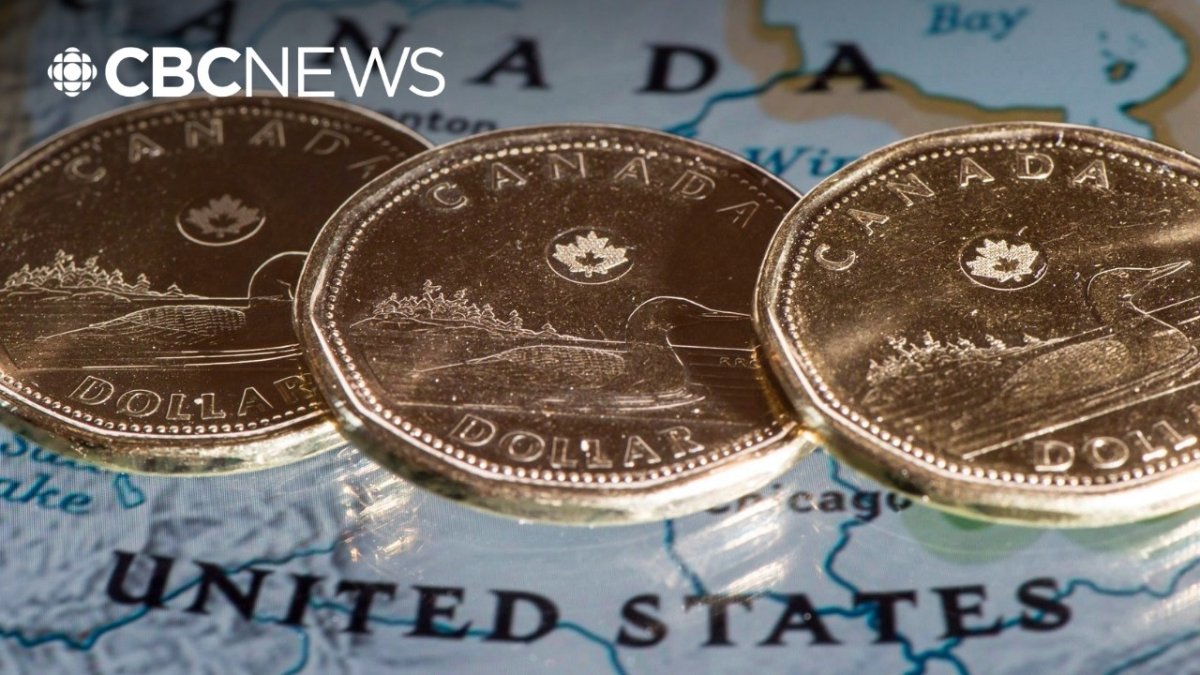
Canadian wine from British Columbia and Ontario will carry the full 50% duty when it reaches American shelves. Hockey sticks manufactured in Ontario plants will face the same rate, affecting both professional leagues and recreational retailers. Cement and plywood from Quebec and British Columbia mills will become significantly more expensive for U.S. construction projects. Honey from Prairie producers and toys assembled in Ontario facilities join the list of targeted items. Paper products from mills across central Canada will encounter the new barrier. Products already covered by prior tariffs, such as steel and aluminum, remain under those separate 15-50% duties rather than receiving the additional 50% layer.
Ottawa's Response: Carney and the Federal Government
Prime Minister Mark Carney described the tariffs as a direct violation of the USMCA trade agreement during a statement on July 20, 2026. Carney spoke directly with President Trump, and both leaders agreed to intensify trade talks in the coming weeks. Canada has previously retaliated against U.S. tariffs with counter-tariffs on American goods, a tactic the government has not ruled out this time.
Prime Minister Carney, still consolidating his mandate after a narrow leadership victory, confronts his first major trade crisis. His public characterisation of the tariffs as a clear violation of the USMCA has set the tone for Ottawa's legal and diplomatic pushback. Behind closed doors, officials are preparing a formal dispute-settlement filing while simultaneously exploring bilateral channels that could yield sector-specific carve-outs before the August 19 deadline.
The federal government is modelling relief packages that include enhanced employment-insurance transition benefits and short-term liquidity facilities for firms demonstrating at least 30 per cent revenue exposure to the U.S. market. Past precedent from the 2018–2019 steel and aluminium episode suggests Ottawa could deploy up to billion in retaliatory tariffs on targeted American goods, focusing on agricultural and manufactured products from Republican-led states to maximise political pressure.
Bilateral trade totals .3 trillion annually; roughly 18 per cent of that flow now sits under the new tariff umbrella. Carney has convened weekly calls with all premiers to coordinate messaging and avoid contradictory provincial measures that could weaken Canada's negotiating position. Finance officials are stress-testing scenarios in which retaliatory duties generate –3 billion in annual revenue, some of which could offset worker-support costs.
With a possible fall election on the horizon, Carney's handling of the file will shape voter perceptions of his economic competence. Polling conducted in the first week of the tariff announcement shows a modest narrowing of the Liberals' lead in Ontario and Quebec ridings most exposed to auto and aerospace job losses, underscoring the political stakes attached to any negotiated outcome.
Canadian Businesses Brace for Impact
Tia Masic, a small business owner in Ontario, stated that the tariffs may represent the hardest challenge yet after years of navigating earlier duties. Manufacturers in the auto corridor between Windsor and Oshawa are already modelling cost increases that could reach hundreds of millions of dollars annually. Quebec maple syrup cooperatives have begun discussions about shifting some production toward European markets. BC wine exporters are examining whether they can absorb part of the duty or must raise prices for American buyers. Paper mills in northern Ontario are reviewing shift schedules and potential layoffs if orders decline. These concrete preparations illustrate how the tariffs move from policy announcement to balance-sheet reality within weeks.
USMCA and the Future of Canada-US Trade
The new tariffs test the durability of the USMCA, which was intended to provide predictable market access across North America. Prime Minister Carney has labelled the measures a direct violation, raising questions about whether dispute panels will be activated. Both leaders committed to intensified talks, yet the 30-day implementation window leaves limited time for negotiated exemptions.
Canadian negotiators are examining whether the exemptions for energy and potash can be expanded to cover additional sectors. The Supreme Court's February 2026 ruling on IEEPA tariffs demonstrated that U.S. courts can constrain presidential trade actions, offering Canada a potential legal avenue. The outcome will shape whether the USMCA remains the central framework for bilateral commerce or becomes one of several competing instruments.
What Happens Next
The 50% tariffs take effect on August 19, 2026, unless talks produce last-minute changes. Within the first ten days, Canadian negotiators are expected to table a revised offer on dairy and poultry market access. Ottawa is preparing a "red-state strategy" that would impose counter-tariffs on bourbon, motorcycles, recreational vehicles and agricultural machinery sourced from Republican strongholds. Such measures mirror the 2018 playbook but would be calibrated to avoid immediate consumer-price spikes in Ontario and Quebec.
Trump's approval rating has slipped to the low 40s, and Republican strategists are already signalling concern ahead of the mid-term elections. Canadian business groups, including the Canadian Chamber of Commerce and Canadian Manufacturers & Exporters, have issued joint statements urging both governments to preserve integrated supply chains that support 1.8 million jobs on each side of the border. Trade economists at the C.D. Howe Institute and the University of Toronto's Rotman School note that previous disputes over softwood lumber and dairy were ultimately settled through quota adjustments and side letters rather than outright tariff removal. They caution, however, that the current 50 per cent rate is an order of magnitude higher than earlier duties, compressing the timeline for political resolution and raising the risk of permanent supply-chain reconfiguration.
For Canadian readers, the measures illustrate how quickly trade policy can shift from negotiation to direct cost increases on everyday products. The coming weeks will determine whether the agreement to intensify talks yields concrete results or simply delays further escalation.
By Alex Thompson, Staff Writer
This article was produced with AI-assisted research and editorial support. Reporting is based on sources cited in the article.
What's Your Reaction?
 Like
0
Like
0
 Dislike
0
Dislike
0
 Love
0
Love
0
 Funny
0
Funny
0
 Wow
0
Wow
0
 Sad
0
Sad
0
 Angry
0
Angry
0

Canada Correspondent at Global1.News. Based in Toronto, covering Canadian politics, energy, trade, and US-Canada relations. Provides the Canadian perspective on North American and global affairs.













Comments (0)