
Semarnat Revokes Nayarit Beach Concession Over Violations
In a decisive stand for Mexico’s coastlines, Semarnat revoked the Federal Maritime-Terrestrial Zone concession for a luxury resort at Playa Las Cocinas in Punta de Mita, Nayarit, on July 20-21, 2026. The ruling halts plans by Cantiles de Mita S.A. de C.V. that would have damaged vital sea turtle nesting grounds and blocked public access. This marks the latest victory for communities defending their shared heritage under President Sheinbaum’s administration.
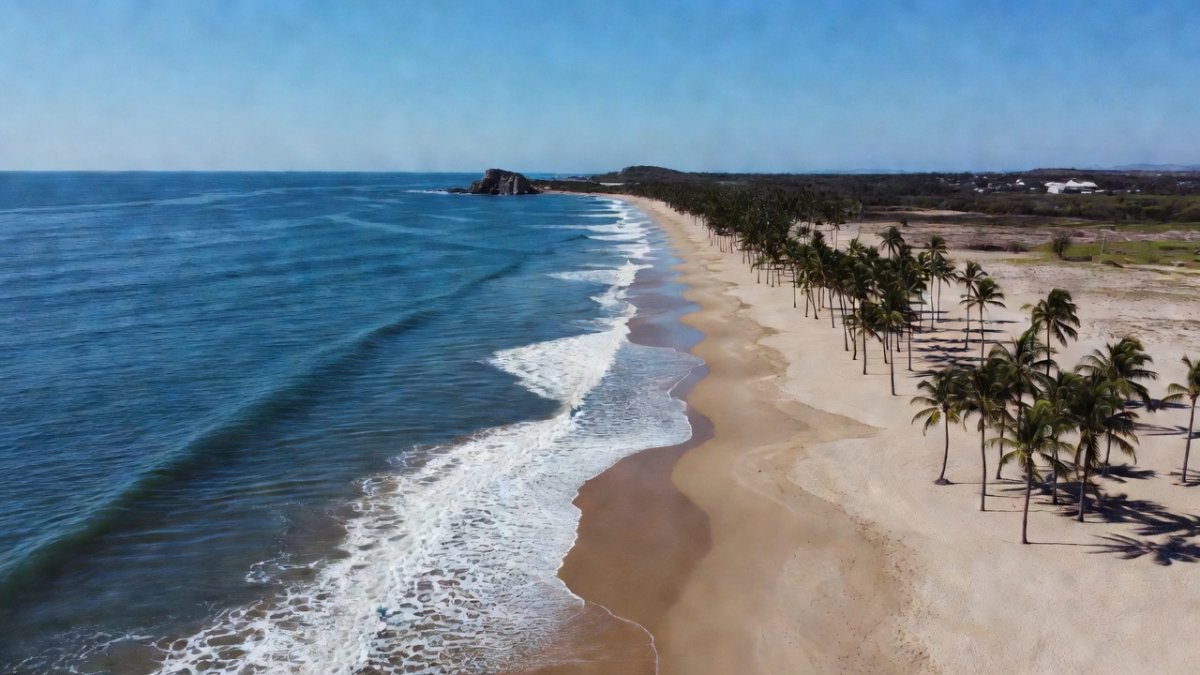
In a decisive stand for Mexico’s coastlines, Semarnat revoked the Federal Maritime-Terrestrial Zone concession for a luxury resort at Playa Las Cocinas in Punta de Mita, Nayarit, on July 20-21, 2026. The ruling halts plans by Cantiles de Mita S.A. de C.V. that would have damaged vital sea turtle nesting grounds and blocked public access. This marks the latest victory for communities defending their shared heritage under President Sheinbaum’s administration.
Punta de Mita, Nayarit —
In the warm coastal air of Punta de Mita, where families have gathered for generations to fish, swim, and celebrate life by the Pacific, a significant decision has brought new hope. On July 20-21, 2026, Mexico’s Secretariat of Environment and Natural Resources, known as Semarnat, revoked the Federal Maritime-Terrestrial Zone concession for a planned luxury resort. The move protects vital nesting grounds and reaffirms that Mexico’s beaches belong to the people, not private developers.
The Project That Never Was
The company Cantiles de Mita S.A. de C.V., part of the Dine Group, had received approval to build a Montage-branded luxury resort complex at Playa Las Cocinas. The plans called for high-end accommodations right along the shoreline. After a thorough technical, legal, and administrative review involving Semarnat, Profepa, the Attorney General’s Office (FGR), and other federal agencies, officials discovered significant environmental non-compliance. The project would have harmed sea turtle nesting habitat, a resource that local communities have protected for decades.
Why This Matters to Everyday Families
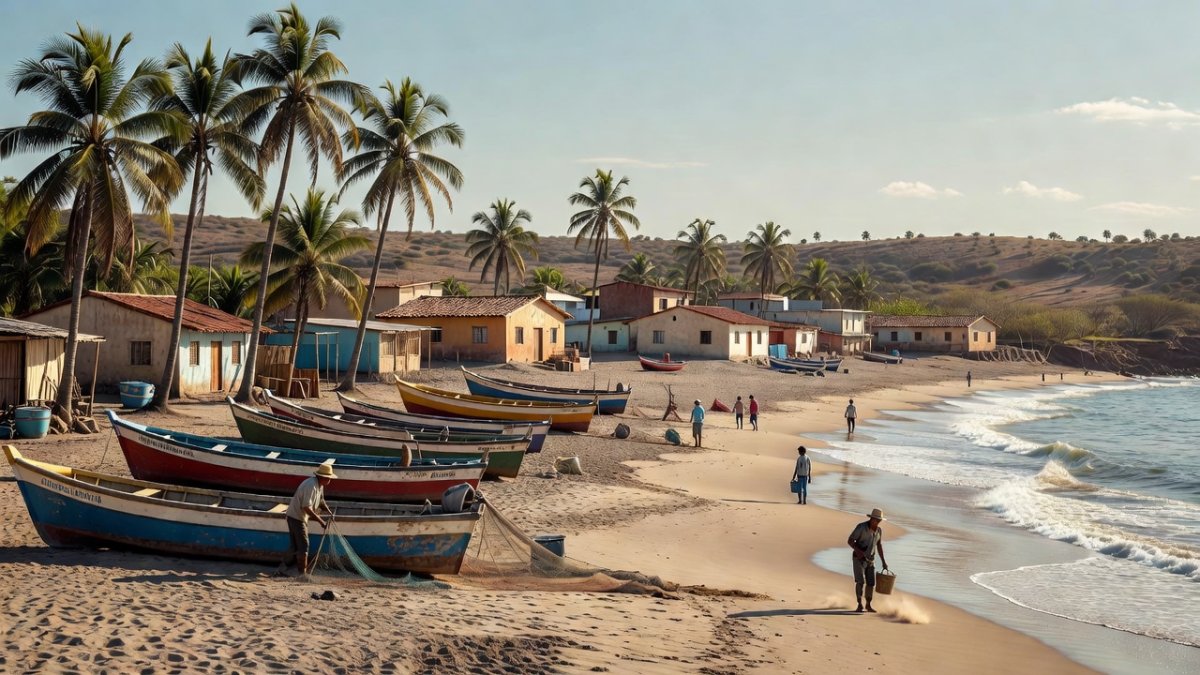
Along the coast of Nayarit, many households depend on the sea for their livelihood. Fishermen from Punta de Mita and nearby Emiliano Zapata rise before dawn to bring fresh catch to local markets. Mothers and grandmothers take children to the beach on weekends, teaching them to respect the waves and the creatures that call the shore home. When a large development threatens nesting turtles, it also threatens the quiet rhythm these families have maintained for generations. Free public access to the beach means children can still play in the sand and elders can enjoy the sunset without gates or guards.
In Punta de Mita and nearby colonias like El Monteón and Higuera Blanca, fishing cooperatives such as the Cooperativa Pesquera de Punta de Mita have long anchored family incomes, with members heading out at dawn to harvest snapper and shrimp that later fill tianguis stalls along Highway 200. These open-air markets serve as vital gathering spots where mothers and grandmothers negotiate prices with neighbors, turning daily catches into school fees and medical visits. When luxury projects threaten nesting grounds for olive ridley turtles, they disrupt not just ecosystems but the steady rhythm of these sales, leaving families to scramble for alternative work in an already tight regional economy.
Las Cocinas beach functions as an everyday extension of home for local families, where children learn to swim in the same waters their parents once did and weekend asados bring together generations from surrounding neighborhoods. The principle of playa pública runs deep in Mexican identity, rooted in constitutional protections that treat shorelines as shared heritage rather than private property. Residents view unrestricted access as a safeguard against the kind of gated developments that have already reshaped parts of the Riviera Nayarit, preserving spaces where working-class families can still enjoy the ocean without paying entry fees or facing security checkpoints.
Community Voices Rise in Protest
Since April 2026, residents of Punta de Mita and Emiliano Zapata have held steady demonstrations against the project. They gathered with handmade signs, shared stories at community meetings, and reminded officials that the coastline is part of their shared heritage. These protests echoed the deep Mexican tradition of defending the land, much like ejido members and indigenous comunidades have done across the country. Their persistence helped bring the environmental violations to national attention and showed that ordinary citizens can influence decisions made in Mexico City.
Environmental activism along the Nayarit-Jalisco coast traces back to earlier campaigns against industrial shrimp farms in the 1990s and mining concessions in the Sierra Madre, where communities first organized to protect mangroves and watersheds. These efforts evolved into today’s defensa del territorio framework, a movement that frames land and water as collective rights rather than commodities for foreign investment. In Punta de Mita, elders recall how past mobilizations stopped a proposed marina that would have blocked fishing routes, building a legacy of vigilance that now informs resistance to the Montage project.
Residents coordinated through WhatsApp groups and evening asambleas held under palapas near the beach, where speakers shared photos of damaged dunes and turtle tracks. Local groups like the Colectivo Nayarit Sustentable linked with national organizations such as CEMDA to file formal complaints, amplifying voices that might otherwise stay unheard in Mexico City. Social media posts showing families holding handmade signs spread quickly across Jalisco and beyond, turning a regional dispute into a broader conversation about who truly benefits from coastal growth.
Semarnat’s Clear Priorities
Semarnat stated that protection of coastal ecosystems, environmental justice, and free access to beaches remain top priorities for the Government of Mexico. The agency’s decision followed careful study of how the construction would affect dunes, water flow, and wildlife. By revoking the concession, Semarnat sent a message that development must respect nature and the rights of local people. This approach aligns with the values President Claudia Sheinbaum has championed since taking office, placing environmental review at the center of every major project.
A Second Major Cancellation in Two Months
This is the second time in just two months that Semarnat has stopped a large coastal project. In May 2026, the agency canceled Royal Caribbean’s “Perfect Day Mexico” megaproject in Mahahual, Quintana Roo. That plan would have impacted mangroves, coral reefs, and the region’s fragile aquifer. President Sheinbaum had already made clear that no Perfect Day project would move forward without proper environmental review and approval. Together, the two decisions suggest a growing official caution toward oversized beach developments that risk long-term ecological harm.
The Perfect Day Mexico cruise terminal planned for Mahahual drew sharp opposition because its proposed piers would have carved through protected mangroves and threatened nearby reefs and cenotes that supply fresh water to the community. Local divers and fishers documented how dredging could release sediments that smother coral, echoing concerns that ultimately led Semarnat to revoke permits in May 2026. That decision highlighted how fragile coastal systems support both biodiversity and the small-scale tourism that sustains Mahahual’s economy.
President Sheinbaum’s administration has signaled a firmer environmental line than earlier governments that fast-tracked large projects with limited oversight. Her emphasis on compliance reviews reflects growing recognition that unchecked development often leaves communities with polluted waters and lost livelihoods. The two recent cancellations have already shifted local planning, with some families in Mahahual and Punta de Mita reporting steadier bookings for eco-tours and fishing trips that depend on intact habitats rather than mega-resort construction jobs that rarely last beyond the building phase. Local protests in both Nayarit and Quintana Roo have directly fed into this policy shift, showing how community pressure now reinforces Sheinbaum’s broader commitment to environmental justice over rapid, unchecked coastal expansion.
Looking Ahead for Mexico’s Coasts
Coastal communities across Mexico are watching closely. In places like Puerto Vallarta, Mazatlán, and along the Caribbean, families wonder whether similar protections will apply to their own shores. The Nayarit case shows that when residents, environmental defenders, and federal agencies work together, the result can be stronger safeguards for everyone. It also reminds developers that shortcuts around environmental rules will face serious consequences under the current administration.
Semarnat’s recent actions point toward a tighter regulatory framework that will require future coastal projects to undergo stricter habitat assessments before any permits are issued. This shift could reshape how developers approach sites near turtle nesting beaches or mangrove forests, encouraging designs that integrate rather than replace existing ecosystems. For fisheries and small tourism operators, clearer rules offer a measure of predictability, allowing cooperatives to plan harvests and boat tours with greater confidence that their resources will remain viable for the next generation.
Healthy coastal environments directly support the tourism and fishing sectors that employ thousands along Mexico’s Pacific shores. When reefs and dunes stay intact, they buffer against storms while sustaining the seafood supply chains that reach inland markets. CONEVAL data consistently shows that sustainable management in coastal zones correlates with lower multidimensional poverty rates, as families gain stable income from activities that do not degrade the natural base they rely on. These outcomes underscore why communities continue pressing for development models that prioritize long-term resilience over short-term construction booms.
Protecting Heritage for Future Generations
Beaches in Mexico are more than tourist attractions; they are living classrooms where children learn about sea turtles, mangroves, and the importance of clean water. When these areas remain open and healthy, they support both traditional fishing and small family businesses that sell fresh coconuts or handmade crafts. The Semarnat decision helps ensure that the next generation of Mexican children can still experience the same shoreline their grandparents knew, free from the shadow of unchecked construction.
By Rosa Martinez, Staff Writer
Tags: Semarnat, Nayarit beach development, Punta de Mita, environmental violations, sea turtle habitat, Cantiles de Mita, coastal ecosystems, President Sheinbaum, Perfect Day Mexico, Mexican beaches, environmental justice, Profepa, FGR, community protests
This article was produced with AI-assisted research and editorial support. Reporting is based on sources cited in the article.
What's Your Reaction?
 Like
0
Like
0
 Dislike
0
Dislike
0
 Love
0
Love
0
 Funny
0
Funny
0
 Wow
0
Wow
0
 Sad
0
Sad
0
 Angry
0
Angry
0

Latin America/Andes Correspondent at Global1.News. Based in Bogota, covering politics, environment, energy, and social movements across the Andean region. Passionate about environmental journalism and communities protecting their land.














Comments (0)