
One Million Students to Be Offered Meningitis B Vaccine After Deadly UK Outbreaks
Health Secretary James Murray has announced a targeted one-off vaccination programme that will offer the meningitis B (MenB) vaccine to approximately one million students and young people across the United Kingdom. The programme begins on 20 July 2026, with second doses administered 28 days later in August. It follows a series of outbreaks that claimed three young lives and pro
Health Secretary James Murray has announced a targeted one-off vaccination programme that will offer the meningitis B (MenB) vaccine to approximately one million students and young people across the United Kingdom. The programme begins on 20 July 2026, with second doses administered 28 days later in August. It follows a series of outbreaks that claimed three young lives and prompted urgent action from the UK Health Security Agency (UKHSA).
One Million Young People to Receive MenB Vaccine After Deadly Outbreaks
London, UK – 12 June 2026 — The government's decision to launch a mass MenB vaccination programme was triggered by an outbreak in Canterbury, Kent, in March 2026. Eighteen confirmed cases were linked to a single nightclub super-spreader event. Two teenagers died, including 18-year-old Juliette Kenny, a University of Kent student who succumbed to meningococcal septicaemia. Further clusters emerged in Dorset and Berkshire, bringing the total death toll to three. England's deputy chief medical officer, Dr Thomas Waite, reminded the public that MenB remains fatal in up to 10 per cent of cases, with many survivors facing permanent health problems including limb loss, hearing loss and neurological damage.
Who Qualifies and How the Programme Will Operate
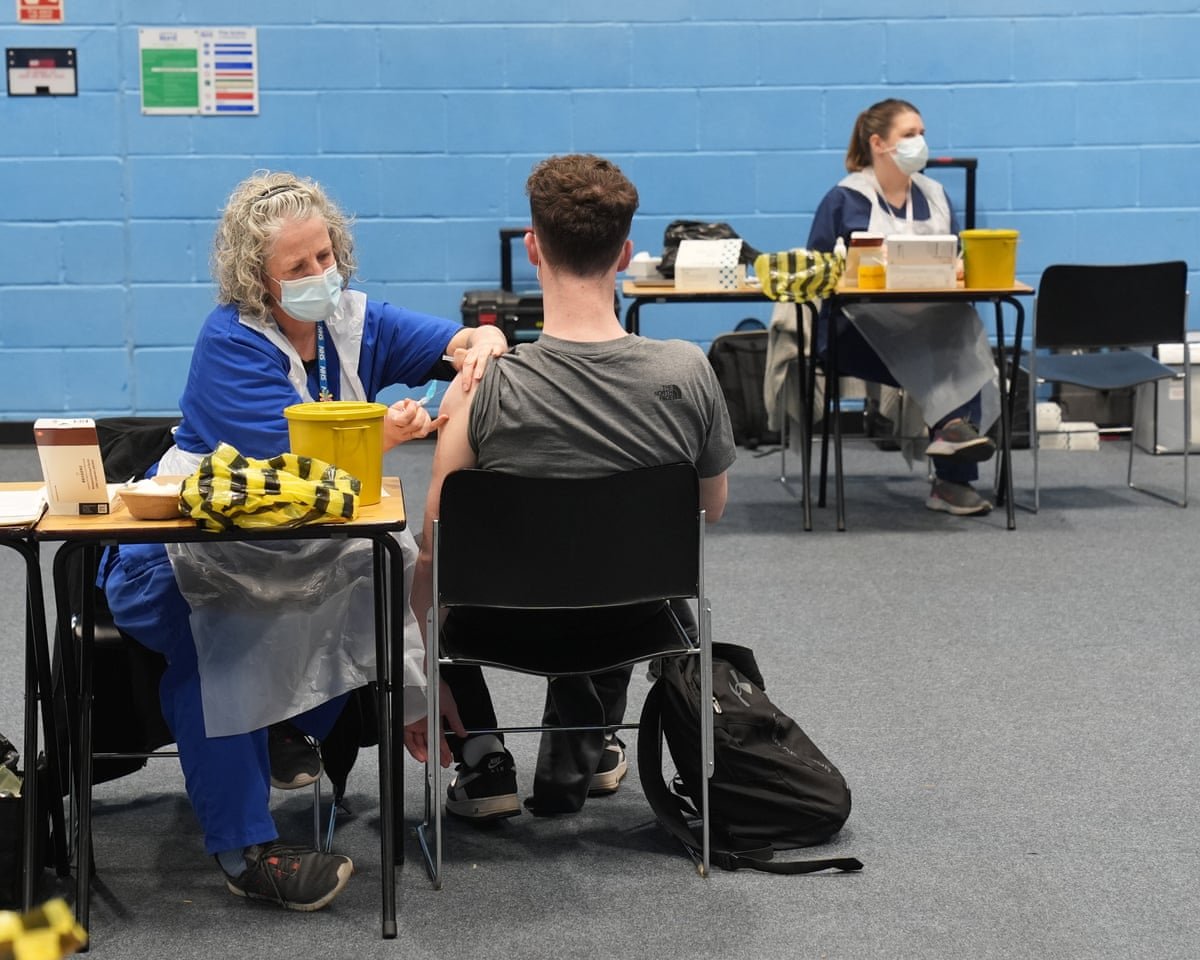
Eligibility covers all Year 13 pupils born between 1 September 2007 and 31 August 2008, plus every person under 25 starting university or residential further education courses in autumn 2026. International students under 25 entering their first year at a UK institution are also included. The vaccine — Bexsero, manufactured by GSK — will be administered in two doses at least 28 days apart, with protection expected to last at least six years.
NHS England will contact eligible individuals directly via the NHS app, text message and email. Caroline Temmink, the director of vaccination at NHS England, confirmed that the service will be free at the point of use and delivered through a combination of community pharmacies and GP surgeries. Those unable to receive their second dose in August due to holidays will still be able to get it in September.
Why This Gap Existed — The UK's MenB Protection Deficit
The MenB vaccine has been part of the routine childhood immunisation programme for babies since 2015, meaning that current teenagers — the cohort born before that rollout — were never offered it. While young people are routinely offered the MenACWY vaccine, which covers four other meningococcal groups, there has been no equivalent MenB programme for adolescents. Some families have turned to private vaccination, which can cost £200 or more per child for two doses — a price barrier that campaigners argue is deeply unfair.
Dr Shamez Ladhani, a consultant epidemiologist at UKHSA, described the new offering as an emergency outbreak response rather than a routine immunisation programme. He suggested the recent increase in clusters might be due to low population immunity against MenB, noting that meningococcal disease cycles typically span 20 to 30 years. While acknowledging that Covid lockdowns could have played a role in disrupting normal transmission patterns, he stated it was difficult to prove definitively.
Local Impact Across University Cities and Coastal Communities
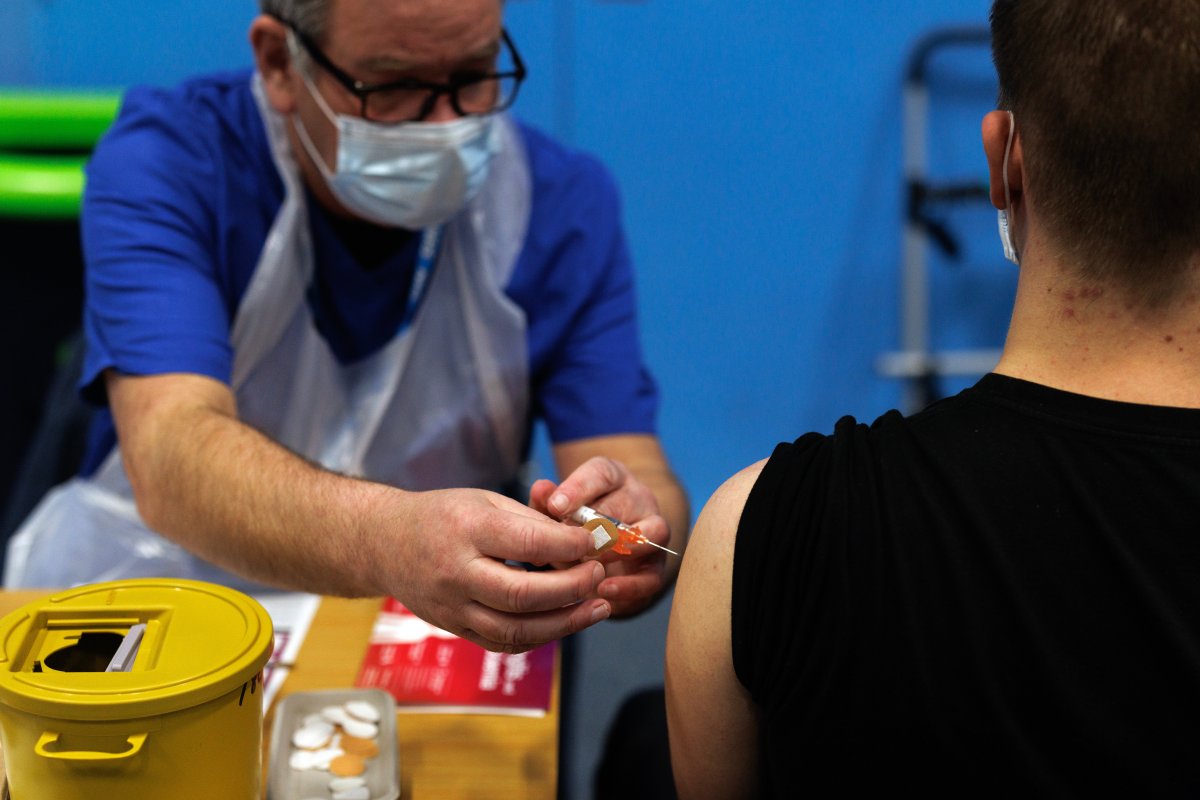
The outbreaks have hit university towns particularly hard. Students in Canterbury, Bournemouth and Reading have faced cancelled social events and heightened anxiety. Families in lower-income households, who cannot afford private vaccination at £200 or more per dose, stand to benefit most from the free programme. The Department for Education has been asked to coordinate messaging through schools and colleges to ensure maximum uptake before the new academic year.
Regional NHS teams in the South East and South West are already preparing additional clinic capacity. Public health directors in Kent County Council and Dorset Council have welcomed the speed of the announcement but warned that sustained investment in contact tracing and student health services will be required beyond summer 2026. The risk of MenB for first-year university students is substantially higher than for those not attending university, according to UKHSA data, with cases typically peaking in October and November each year.
Charities and Student Leaders Welcome Move While Calling for Permanent Change
Dr Tom Nutt, chief executive of Meningitis Now, described the programme as "a great step forward in the fight against meningitis in the UK" but expressed hope it would be made permanent. Vinny Smith, chief executive of the Meningitis Research Foundation, called it "a step towards closing the UK's MenB protection gap" while cautioning that young adults outside the current eligibility criteria remain at risk.
Alex Stanley, vice president of the National Union of Students, said the announcement showed governments across the UK had listened to people's concerns. "There should never be a cost barrier to lifesaving vaccines," he said, "and we hope this becomes a regular vaccination programme." The Joint Committee on Vaccination and Immunisation (JCVI) is now preparing advice for ministers on whether a broader and more permanent programme for adolescents should be introduced.
What Students and Families Need to Do Now
Eligible young people should ensure their contact details are up to date on the NHS app and with their GP. Year 13 pupils will be contacted directly, while under-25s starting university this autumn can book their first dose from 20 July through community pharmacies. Both doses should be completed before freshers' week to ensure maximum protection during the high-risk period at the start of the academic year.
The Bottom Line — What Comes Next
The speed of this outbreak-triggered response demonstrates how quickly the UK's public health apparatus can mobilise when faced with preventable tragedy. Yet questions remain about long-term protection for the wider 15–24 age group outside the 2026 cohort. For now, the focus remains on delivering the two-dose schedule to one million young people before the next academic year begins. The JCVI review later this year will determine whether this emergency measure becomes a permanent fixture of the UK's adolescent vaccination programme — a decision that could close the MenB protection gap for good.
By Erica Thornton, Staff Writer
This article was produced with AI-assisted research and editorial support. Reporting is based on sources cited in the article.
What's Your Reaction?
 Like
0
Like
0
 Dislike
0
Dislike
0
 Love
0
Love
0
 Funny
0
Funny
0
 Wow
0
Wow
0
 Sad
0
Sad
0
 Angry
0
Angry
0

US Politics and Policy Correspondent at Global1.News. Based in Washington DC, covering American politics, policy, elections, and the courts. Knows how the system works and tells you what it actually means.













Comments (0)