
Fally Ipupa Knighted: Congolese Music Icon Receives National Order of the Leopard
A Knight in the Heart of Congolese Rumba Fally Ipupa, the 48-year-old Congolese singer, has been named a knight of the National Order of the Leopard, one of the Democratic Republic of Congo's highest civilian honours. The announcement came through state television, delivered by a presidential spokeswoman who described him as a worthy son of the nation. She highlighted how his a
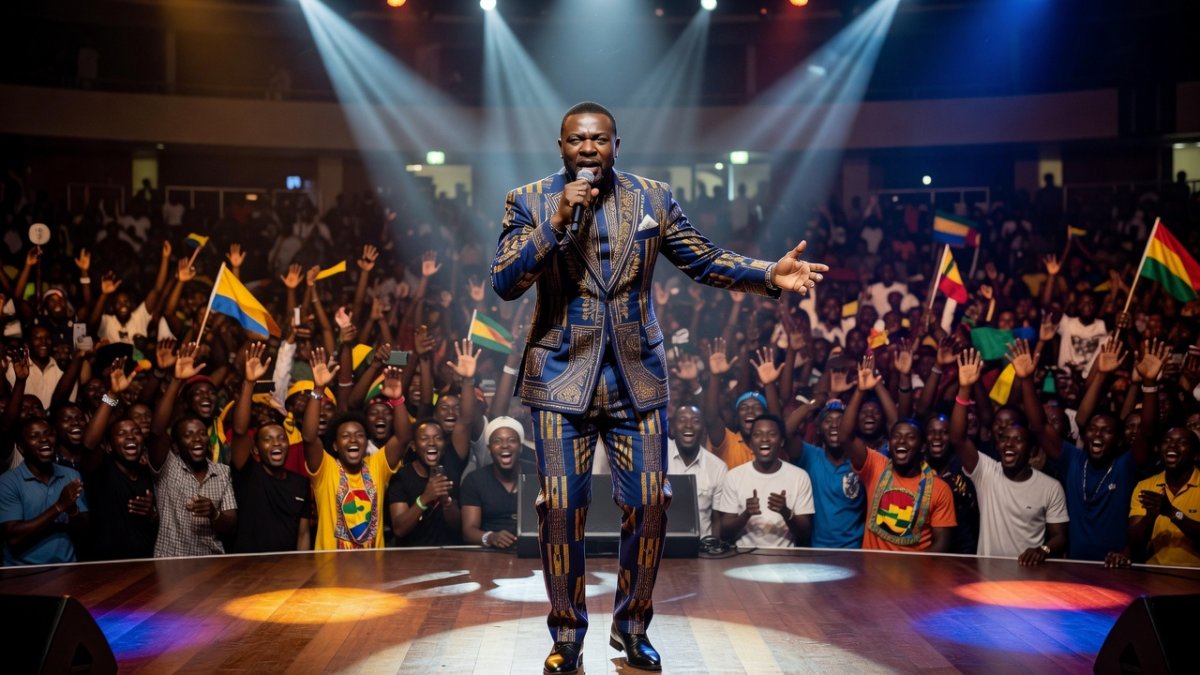
A Knight in the Heart of Congolese Rumba
Fally Ipupa, the 48-year-old Congolese singer, has been named a knight of the National Order of the Leopard, one of the Democratic Republic of Congo's highest civilian honours. The announcement came through state television, delivered by a presidential spokeswoman who described him as a worthy son of the nation. She highlighted how his artistry has promoted Congolese rumba and carried Congolese culture to audiences far beyond the country's borders. For many across Africa, this moment feels like a quiet affirmation that music created on the continent can command respect at the highest levels of state.
Early Steps Alongside a Legend
Ipupa began his professional journey three decades ago, working with the Congolese heavyweight Koffi Olomidé. He sang with groups such as Talent Latent and later became part of Quartier Latin International before launching a solo career that has now produced eight albums. Those early years in Kinshasa taught him the rhythms and demands of rumba, a style that blends melody with social commentary. From those beginnings, he built a path that would eventually reach stadiums in Europe while remaining rooted in the sounds of home.
Records That Opened New Doors
His recent album XX became the first by an African artist to debut straight at number one on the French album charts. He also became the first francophone African performer to sell out Paris's Stade de France, an 80,000-capacity venue, for two consecutive nights. Later this year he is scheduled to perform at London's O2 Arena. Alongside these commercial milestones, Ipupa serves as a UNICEF ambassador and supports philanthropic work. Each achievement adds another layer to the story of how Congolese rumba continues to travel and find new listeners.
The Weight of Public Responsibility
Four years ago, tragedy struck during a concert in Kinshasa when eleven people died in a crush after the stadium exceeded its capacity. The incident remains a painful reminder of the pressures that surround large public events on the continent. Ipupa has also faced criticism over the practice of libanga, in which artists receive payment, reportedly around ten thousand euros per mention, to praise politicians in their songs. Some fans abroad have protested or blocked concerts, citing his perceived closeness to government figures. These tensions show that even celebrated artists must navigate the complicated space between fame, commerce, and political life.
Messages Carried Beyond the Stage
In response to the honour, Ipupa stated that the recognition belongs to an entire people and is more than personal. He said it celebrates Congolese music, culture, and identity. Addressing young people across Congo, he urged them to remember that their starting point does not define their destiny, encouraging work, belief, and perseverance so that the world can hear their voices. These words echo the experiences of many young Africans who see music as one of the few routes to wider opportunity.
Placing the Moment in Africa's Wider Story
As a Senegalese observer, I see Ipupa's knighthood as part of a larger pattern where African artists are reshaping how the world encounters the continent. Congolese rumba has long influenced music scenes from Dakar to Paris, carrying stories of daily life, resilience, and joy. When an artist from Kinshasa receives such formal recognition, it quietly challenges old narratives that treat African creativity as secondary. At the same time, the controversies around libanga and the Kinshasa tragedy remind us that success does not erase the structural challenges of safety, governance, and economic pressure that affect musicians and audiences alike.
The honour arrives at a time when African music is gaining sustained global attention. From Senegal's mbalax traditions to the rumba orchestras of Congo, artists are building careers that cross borders without losing local flavour. Ipupa's journey from working with Koffi Olomidé to headlining major European venues illustrates how persistence and talent can open doors that once seemed closed. Yet the protests and the memory of the eleven lives lost also show that public figures carry responsibilities that extend beyond the recording studio.
For young people in cities like Dakar, Kinshasa, or Abidjan, the news offers both inspiration and a cautionary note. It demonstrates that Congolese culture can be celebrated at the presidential level and still face scrutiny from fans who expect artists to maintain distance from political power. This balance between celebration and accountability is familiar across much of Africa, where music often serves as both entertainment and social mirror.
Ultimately, the knighthood affirms that Congolese rumba remains a living force capable of representing national pride while reaching international stages. It also underscores the need for continued attention to the practical realities that surround large-scale events and the ethical questions that arise when art intersects with politics. As more African artists follow similar paths, these conversations will shape how the continent's cultural rise is understood at home and abroad.
By Amara Diop, Staff WriterThis article was produced with AI-assisted research and editorial support. Reporting is based on sources cited in the article.
What's Your Reaction?
 Like
0
Like
0
 Dislike
0
Dislike
0
 Love
0
Love
0
 Funny
0
Funny
0
 Wow
0
Wow
0
 Sad
0
Sad
0
 Angry
0
Angry
0
West Africa/Sahel Correspondent at Global1.News. Dakar-based journalist covering politics, security, climate, and development across Francophone and Anglophone West Africa. Tells the stories of a region undergoing profound transformation.










Comments (0)