
Peaceful Russia: First Anti-War Party by Russian Exiles
The Emergence of Peaceful Russia as a Formal Political Entity Russian opposition figures have established Peaceful Russia as a new political party, marking an attempt to consolidate the country's scattered anti-war forces into a structured organization capable of pursuing power. The founding congress took place over June 12-13 in Berlin, timed to coincide with Russia Day. More
The Emergence of Peaceful Russia as a Formal Political Entity
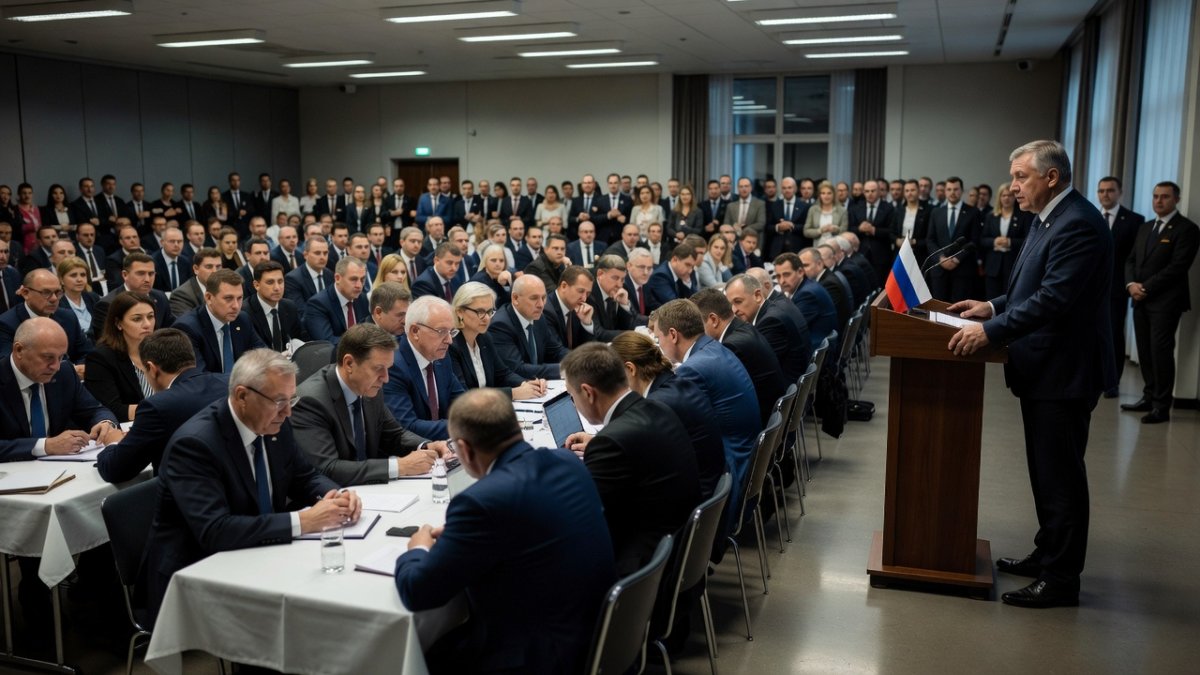
Russian opposition figures have established Peaceful Russia as a new political party, marking an attempt to consolidate the country's scattered anti-war forces into a structured organization capable of pursuing power. The founding congress took place over June 12-13 in Berlin, timed to coincide with Russia Day. More than 100 delegates participated, reflecting the geographic spread of activists who left Russia after the 2022 full-scale invasion of Ukraine. Ilya Yashin, a former political prisoner and ally of the late Alexei Navalny, framed the effort as a deliberate shift from informal advocacy groups toward an instrument explicitly aimed at governance.
 Historical Significance of an Exile-Founded Party
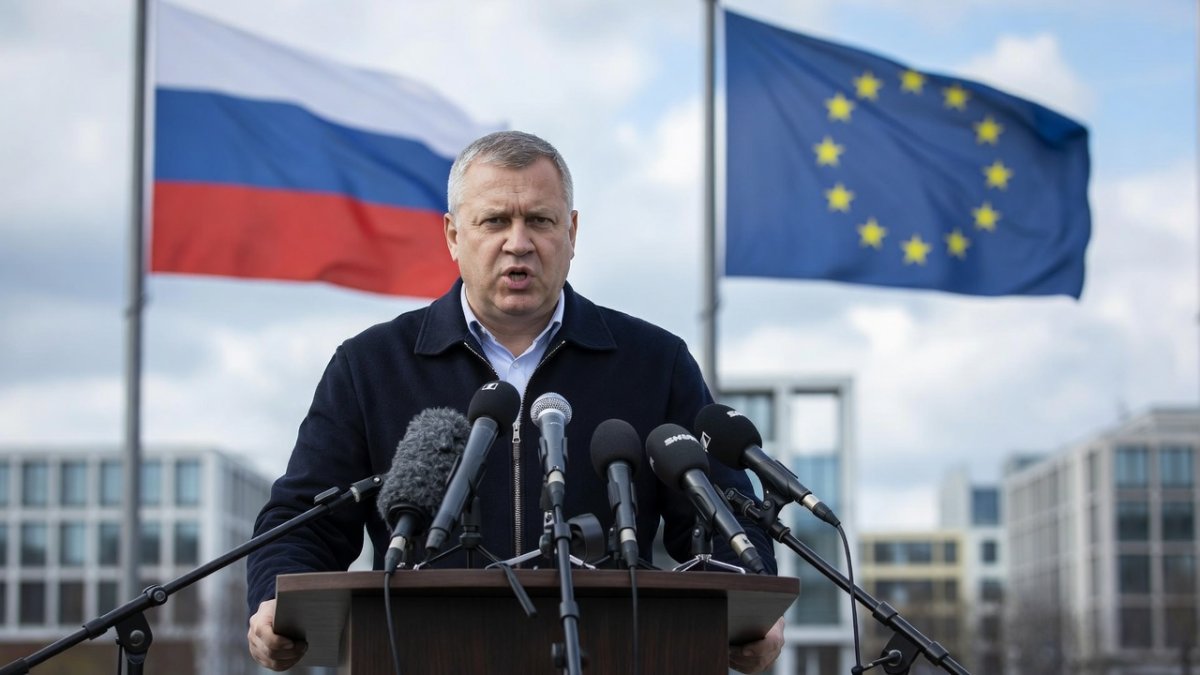
This launch carries particular weight because Peaceful Russia represents the first political party created by Russian exiles since the intensification of repression following the Ukraine invasion. Previous opposition structures operated primarily from within Russia, even as they faced mounting legal barriers. The decision to build the party abroad stems from the realities of the post-2022 environment, where organizations tied to Navalny were banned and labeled extremist. Thousands of Russians departed in what observers describe as a second wave of emigration, creating a dispersed community that now seeks coordinated political expression. This development alters the traditional pattern of domestic opposition activity and raises questions about how exile-based structures can maintain relevance for citizens who remain inside the country.
Leadership Structure and Key Figures
Delegates elected a leadership team that combines Yashin's profile with representatives from established exile networks and former municipal-level politicians. Olga Prokopyeva of the France-based Russie-Libertés organization serves as a deputy chair, alongside Yelena Kotenochkina and Konstantin Kosov, both former colleagues of Yashin on the Moscow municipal council. The 25-member political council draws from human rights advocates, ex-lawmakers, activists who once ran Navalny's regional headquarters, feminist organizers, and members of the democratic youth movement Vesna. This composition reflects an effort to bridge different strands of anti-Kremlin activity while distributing authority across multiple individuals rather than concentrating it in a single prominent figure.
Ideological Positioning and Internal Diversity
The party's charter and manifesto remain under development, allowing for a deliberately wide ideological tent that encompasses both liberal-democratic and social-democratic currents. Kotenochkina emphasized that this breadth is intentional, designed to attract supporters across a spectrum of views rather than enforcing narrow doctrinal conformity. Inna Bondarenko, a researcher and human rights activist who attended as a delegate, highlighted the value of this diversity during the congress, noting the range of perspectives on display. The structure also permits the formation of regional branches and internal factions, providing formal mechanisms for managing disagreements that have historically fractured Russian opposition initiatives.
Security Protocols and Risks for Domestic Engagement
Yashin stated that the party will implement specific security measures when interacting with individuals inside Russia, acknowledging the heightened risks of criminal prosecution under current laws. These protocols address the practical difficulties of operating across borders while the Kremlin maintains extensive surveillance and legal tools against dissent. The approach recognizes that any attempt to build networks within Russia must account for the possibility of charges related to extremism or discrediting the armed forces. Such considerations distinguish Peaceful Russia from purely diaspora-focused groups and underscore the ongoing constraints that shape opposition strategy.
Diaspora Organizing and Balancing Internal-External Outreach
The party must navigate the tension between mobilizing the large Russian communities now living abroad and sustaining connections with those who stayed behind. Funding comes from several supporters who had not previously engaged in political financing, though Yashin declined to name them for security reasons. This reliance on new donors reflects both the opportunities created by emigration and the challenges of establishing reliable financial channels outside traditional Russian opposition funding networks. The geographic dispersion of potential supporters adds logistical complexity, as does the need to maintain unity across differing strategic priorities that have emerged among exiles.
Comparisons to Earlier Opposition Parties and Initiatives
Critics note that Peaceful Russia could encounter the same limitations that affected previous anti-Kremlin efforts, including internal disputes and limited tangible impact on domestic politics. Earlier organizations often struggled to translate public discontent into sustained political pressure, particularly after the Kremlin expanded its repressive apparatus. Yashin's explicit focus on power as the central objective sets a clear benchmark, yet the party's broad ideological framework and exile base introduce variables not present in earlier domestic structures. Observers point to the persistent divisions within the wider opposition as a continuing risk that could undermine the new party's cohesion over time.
Outlook for Challenging the Existing Power System
The long-term prospects for Peaceful Russia depend on its ability to convert organizational form into measurable influence amid entrenched Kremlin control. The party's emphasis on serving Russians both inside and outside the country represents an ambitious scope, yet the practical barriers of repression, funding opacity, and geographic separation remain substantial. Whether this structure can avoid the fragmentation seen in prior initiatives or develop effective mechanisms for internal coordination will determine its trajectory. For ordinary Russians observing from afar or from within, the experiment illustrates the evolving nature of opposition activity in a context where traditional avenues for political contestation have been systematically narrowed.
By Irina Volkov, Staff WriterThis article was produced with AI-assisted research and editorial support. Reporting is based on sources cited in the article.
What's Your Reaction?
 Like
0
Like
0
 Dislike
0
Dislike
0
 Love
0
Love
0
 Funny
0
Funny
0
 Wow
0
Wow
0
 Sad
0
Sad
0
 Angry
0
Angry
0
Russia/Eastern Europe Correspondent at Global1.News. Covering Russian politics, energy, security, and the shifting dynamics of the post-Soviet space. Provides clear-eyed analysis on one of the world's most opaque regions.











Comments (0)