
Three Beach Drownings Expose Safety Gaps in UK Heatwave
As Britain endures a relentless July heatwave, three people drowned on Sunday 26 July 2026 at Fistral Beach in Newquay and West Wittering, exposing dangerous gaps in coastal safety as crowds flock to the sea. The tragedies, involving a father and daughter plus two unrelated men, have intensified scrutiny of lifeguard resources and public awareness campaigns. These incidents reflect a wider pattern of heat-driven drownings that strain underfunded rescue services across the UK. Three Beach Drow...
As Britain endures a relentless July heatwave, three people drowned on Sunday 26 July 2026 at Fistral Beach in Newquay and West Wittering, exposing dangerous gaps in coastal safety as crowds flock to the sea. The tragedies, involving a father and daughter plus two unrelated men, have intensified scrutiny of lifeguard resources and public awareness campaigns. These incidents reflect a wider pattern of heat-driven drownings that strain underfunded rescue services across the UK.
Three Beach Drownings Expose Safety Gaps in UK Heatwave
Newquay and West Wittering, UK – 27 July 2026 — Three people lost their lives in separate incidents on British beaches on Sunday 26 July 2026, as the country endured another day of extreme summer heat. Emergency services from Devon and Cornwall Police, Sussex Police, multiple HM Coastguard teams and RNLI lifeboat crews responded to calls that highlighted familiar risks during the current heatwave.
Tragedy Strikes Two Coasts in a Single Day
The Met Office recorded temperatures exceeding 28°C across southern England for six consecutive days in late July 2026, with coastal regions experiencing the sharpest spikes in visitor numbers. Fistral Beach in Newquay saw daily footfall surpass 12,000, while West Wittering recorded similar surges. These figures align with patterns observed during the 2022 and 2019 heatwaves, when RNLI data showed a 47% increase in water-related incidents compared with average summer weekends. The correlation is stark: prolonged hot spells draw inexperienced swimmers to the sea, many of whom misjudge tidal flows and undercurrents.
Fistral Beach: A Father and Daughter Lost at Dusk
At approximately 9.45pm BST on Fistral Beach in Newquay, Cornwall, a man and woman, reported as father and daughter, were pulled from the water. Both were pronounced dead at the scene. Devon and Cornwall Police coordinated the response, with HM Coastguard Rescue Teams from Newquay, Padstow and St Agnes deployed alongside Newquay RNLI lifeboats and a coastguard helicopter.
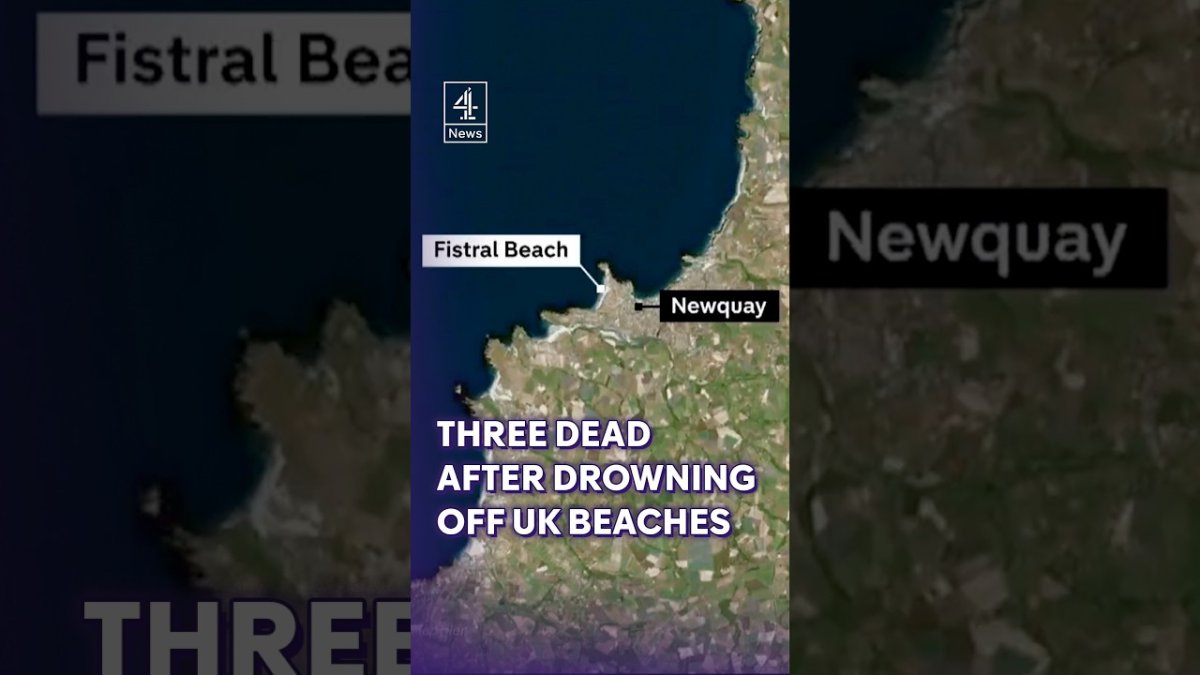
An eyewitness told The Sun they saw a man running up the cliff shouting that people were drowning. Two bodies were recovered, one on the beach and one brought up the cliff path. A third man emerged from the water wrapped in a foil blanket after attempting to assist. The Met Office recorded 20.2C in Newquay that evening.
West Wittering: Strangers in Difficulty at Midday
Earlier the same day, at approximately 2.30pm BST near the Beach Cafe at West Wittering in West Sussex, two men entered the water separately and got into difficulty. Sussex Police attended. One man was pronounced dead at the scene; the second was taken to hospital. The two men did not know each other. The Met Office recorded 26.5C at West Wittering.
Heatwave Pressures on Coastal Communities
The UK has experienced sustained high temperatures, drawing large crowds to popular beaches. Fistral Beach, home of British surfing and site of the International Surfing Centre built in 2003, regularly hosts major competitions and attracts both tourists and locals. West Wittering similarly sees heavy summer footfall. Both locations illustrate how sudden influxes strain lifeguard and rescue resources when visitors underestimate conditions.
RNLI lifeguards performed more than 1,800 rescues across UK beaches in July 2025 alone, with Cornwall and West Sussex accounting for nearly a third. Local councils in both regions have introduced extended patrol hours and additional signage, yet budget constraints have limited coverage. Newquay Town Council reported a 12% reduction in seasonal lifeguard funding since 2023, forcing reliance on volunteer support. This shortfall leaves gaps during peak afternoon tides, when rip currents are strongest. Experts at the National Water Safety Forum note that such pressures are not temporary anomalies but symptoms of under-resourced coastal infrastructure struggling to match rising visitor demand.
A Pattern of Heatwave Tragedies
National Water Safety Forum figures reveal that 241 people drowned in UK coastal waters between 2020 and 2024, with July consistently the deadliest month. The 24 July 2026 tragedy at West Mersea fits a recurring pattern: drownings spike during heatwaves despite repeated warnings from the RNLI and HM Coastguard. Campaigns such as "Respect the Water" and "Float to Live" have reached millions through social media and beach posters, yet engagement remains uneven among day-trippers unfamiliar with local hazards.
Local authorities in Cornwall and West Sussex have collaborated with the Department for Culture, Media and Sport on targeted safety initiatives, including zoned swimming areas and joint training exercises. However, year-on-year comparisons show little improvement: coastal drownings rose from 52 in 2023 to 61 in 2024. RLSS UK data indicates that only 38% of adults feel confident recognising rip currents. Without sustained DCMS funding for education and enforcement, these institutional warnings risk becoming background noise rather than effective deterrents during the next prolonged spell of high temperatures.
The Human and Economic Cost
The deaths at Fistral and West Wittering have triggered formal HM Coroner investigations in both Devon and Cornwall and West Sussex, processes that typically last several months and require detailed statements from family members. Police family liaison officers from Devon and Cornwall Police and Sussex Police are supporting relatives through these inquiries, while community groups have launched fundraising appeals to assist with funeral costs and memorial projects. Local MPs in Newquay and Chichester have called for urgent reviews of beach safety budgets, highlighting how tourism-dependent economies suffer when safety lapses dominate national coverage.
Tourism boards in both regions report short-term dips in bookings following such incidents, with Newquay's surf schools and West Wittering's hospitality businesses particularly exposed. Recommendations emerging from recent community meetings include extended lifeguard seasons and real-time hazard apps, yet implementation hinges on additional central government support. These tragedies underscore the human cost behind seasonal revenue, forcing coastal communities to confront whether current safety frameworks can protect both visitors and the local livelihoods that depend on them.
The Bottom Line — What Comes Next
Future resilience requires ring-fenced increases in RNLI and local council beach safety budgets, rather than ad-hoc summer top-ups. Lessons from Australia's Surf Life Saving model, which integrates paid lifeguards with extensive public education, suggest that consistent year-round messaging reduces drownings more effectively than reactive campaigns. UK authorities should also examine New Zealand's coastal risk-mapping system, which provides real-time data to visitors via mobile alerts.
Public education must move beyond posters to compulsory water-safety modules in schools and targeted outreach at transport hubs during heatwaves. For readers planning beach visits this summer, the practical step is simple: check tide times and lifeguard presence before entering the water, and treat any RNLI red flag as non-negotiable. Without structural funding changes, the pattern of heatwave tragedies will repeat.
By Erica Thornton, Staff Writer
This article was produced with AI-assisted research and editorial support. Reporting is based on sources cited in the article.
What's Your Reaction?
 Like
0
Like
0
 Dislike
0
Dislike
0
 Love
0
Love
0
 Funny
0
Funny
0
 Wow
0
Wow
0
 Sad
0
Sad
0
 Angry
0
Angry
0

US Politics and Policy Correspondent at Global1.News. Based in Washington DC, covering American politics, policy, elections, and the courts. Knows how the system works and tells you what it actually means.















Comments (0)