
Palestinians in Gaza Mark 1,000 Days Since War Began
In a recent Middle East Eye report, displaced Palestinian families in Deir el-Balah, central Gaza, were shown marking 1,000 days since Israel launched its full-scale war on the besieged strip — a milestone that the United Nations has described as producing destruction unprecedented since the Second World War. On July 3, 2026, residents gathered in tent encampments to reflect on
In a recent Middle East Eye report, displaced Palestinian families in Deir el-Balah, central Gaza, were shown marking 1,000 days since Israel launched its full-scale war on the besieged strip — a milestone that the United Nations has described as producing destruction unprecedented since the Second World War. On July 3, 2026, residents gathered in tent encampments to reflect on a period that has reshaped every aspect of life in the territory, with Gaza's Government Media Office recording more than 73,000 Palestinians killed, over 21,500 of them children, since the war began following the Hamas-led attack on southern Israel on 7 October 2023.
1,000 Days of War: Palestinians in Gaza Mark a Grim Milestone of Death and Destruction
Deir el-Balah, Gaza – July 3, 2026 — The 1,000-day mark arrives against a backdrop of sustained military operations that have reshaped every aspect of life in the territory. Gaza Government Media Office figures record more than 73,000 Palestinians killed, including 21,500 children of whom 1,022 were babies. An additional 9,500 people remain missing under rubble, while 173,514 others have been wounded.
As shown in the Middle East Eye report titled "Palestinians in Gaza mark 1,000 days since Israel launched full-scale war on Gaza," displaced residents in central Gaza gathered on July 3, 2026, to mark a grim milestone. The war began after the Hamas-led attack on southern Israel on 7 October 2023, and the intervening period has produced destruction on a scale the United Nations has described as unprecedented since the Second World War. The video captures quiet acts of remembrance amid tent encampments, where families continue to track each passing day through simple rituals rather than formal ceremonies.
The 1,000-day mark arrives against a backdrop of sustained military operations that have reshaped every aspect of life in the territory. Gaza Government Media Office figures record more than 73,000 Palestinians killed, including 21,500 children of whom 1,022 were babies. An additional 9,500 people remain missing under rubble, while 173,514 others have been wounded. These numbers reflect not only the immediate violence but also the cumulative effects of restricted access to food, water, and medical care across the entire population.
Local accounts from Deir el-Balah emphasize how the milestone has prompted residents to reflect on survival rather than celebration. People speak of lost homes, interrupted educations, and the daily struggle to secure basic supplies. The presence of international legal proceedings, including South Africa's case at the International Court of Justice and efforts to obtain International Criminal Court arrest warrants, provides a distant counterpoint to the immediate reality of displacement and loss on the ground.
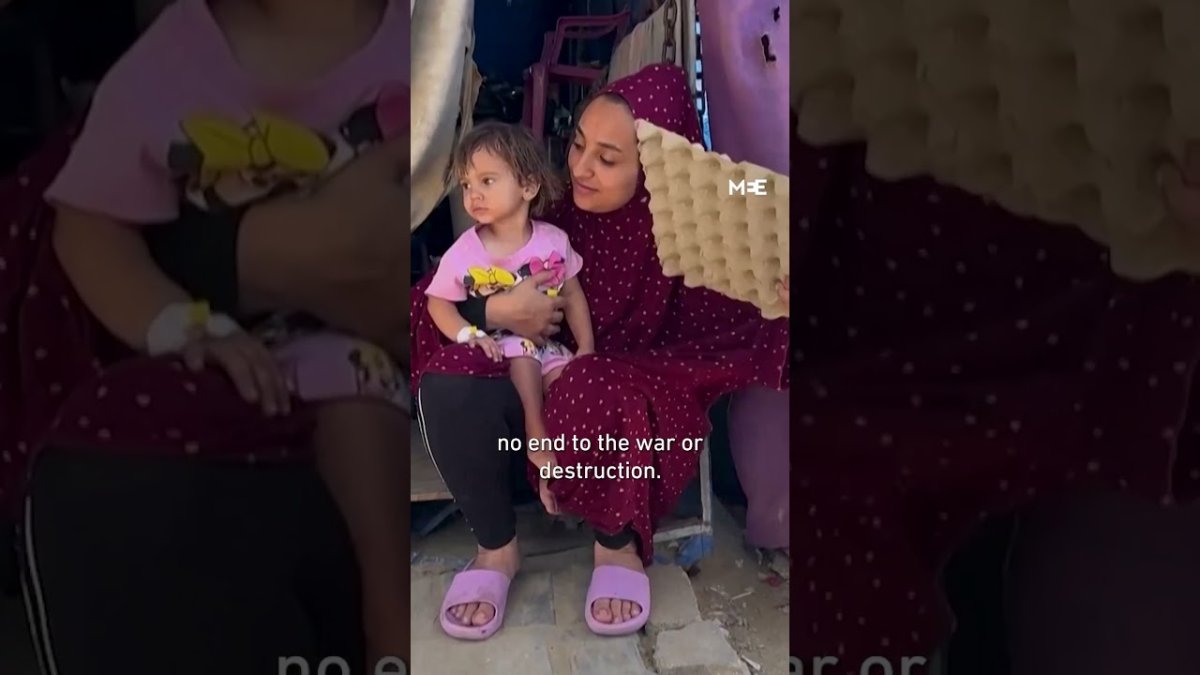
The 1,000 Day Milestone in Deir el-Balah
On July 3, 2026, displaced Palestinians in Deir el-Balah organized modest gatherings to acknowledge 1,000 days since the full-scale war began. Small groups assembled near tent clusters, sharing dates and reciting names of family members no longer present. These observances occurred without official coordination, relying instead on word-of-mouth among neighbors who have lived side by side since their original neighborhoods were rendered uninhabitable.
Residents described the day as one more marker in an extended period of uncertainty. Children who were infants at the start of the conflict now navigate tent pathways independently, while older residents recount the sequence of events that led from the initial attack on 7 October 2023 to the present distribution of aid. The absence of permanent structures means every activity, including these commemorations, takes place in open spaces exposed to the elements.
Community members noted that the milestone coincided with ongoing discussions about how to document losses for future accountability efforts. Lists of the dead and missing circulate in handwritten form, updated whenever new information emerges from rubble clearance attempts. Such practices underscore the determination to maintain records even as daily survival demands most available energy.
Local leaders in the area stressed that the 1,000-day observance served as a reminder of continuity rather than closure. Families continue to adapt routines around the constraints imposed by limited movement and scarce resources. The gatherings remained low-key, consistent with the broader atmosphere of exhaustion that has settled over the displaced population.
Human Toll: The Scale of Killing
Gaza Government Media Office statistics place the death toll above 73,000, with 21,500 children among the fatalities, including 1,022 babies. These figures encompass deaths from direct strikes as well as those resulting from the collapse of healthcare and sanitation systems. The 9,500 people reported missing under rubble represent an additional layer of unresolved loss for families who cannot confirm the fate of relatives.
More than 173,514 individuals have sustained injuries, many of which require long-term treatment unavailable under current conditions. Healthcare workers have been particularly affected, with over 1,000 killed while attempting to provide care in damaged facilities. Journalists numbering over 200 have also lost their lives while documenting events, further limiting the flow of information from inside the territory.
The concentration of child casualties has altered the demographic profile of entire neighborhoods. Schools that once served thousands now stand empty or partially destroyed, removing spaces where children could process their experiences. Families recount the difficulty of explaining repeated losses to surviving siblings who have grown accustomed to displacement as a permanent state.
Medical personnel who remain describe patterns of injury that reflect the intensity of operations across multiple fronts. The combination of blast trauma, untreated infections, and malnutrition has produced outcomes that exceed the capacity of remaining clinics. These conditions persist even as casualty counts continue to rise in the absence of comprehensive ceasefires.
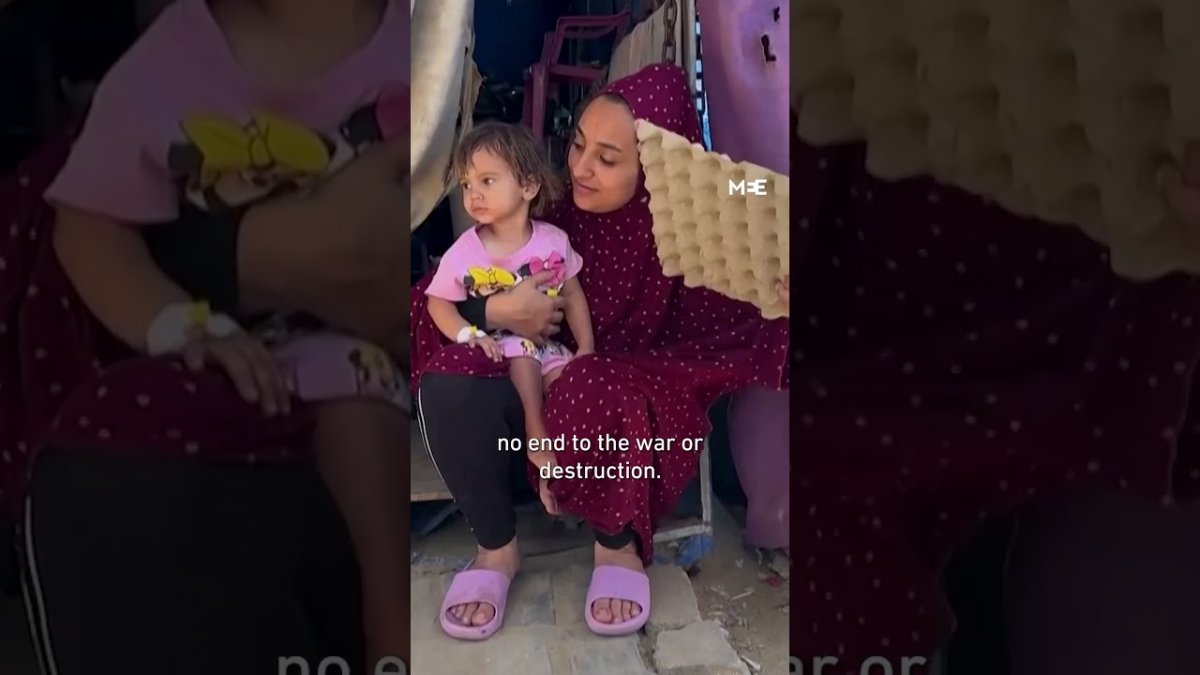
Displacement and Living Conditions
More than 1.9 million Palestinians have been displaced, with the majority now residing in tent camps scattered across central and southern areas. In Deir el-Balah, these camps have expanded to accommodate arrivals from northern and eastern zones, creating dense clusters where privacy and sanitation remain constant challenges. The Integrated Food Security Phase Classification has documented famine conditions in multiple locations, linking restricted aid access to rising rates of acute malnutrition.
Israeli forces control approximately 80 percent of the territory, confining movement and complicating efforts to reach remaining agricultural land or water sources. Over 90 percent of Gaza has sustained damage, leaving few intact buildings for shelter. Residents describe the daily search for firewood, clean water, and flour as consuming the majority of waking hours, with children often participating in these tasks.
Tent camps lack formal infrastructure, meaning rainwater accumulation and waste disposal create recurring health risks. Families report cycling through periods of relative stability followed by renewed displacement when nearby areas come under renewed fire. The 1,000-day mark has highlighted how initial temporary arrangements have hardened into semi-permanent settlements without corresponding improvements in services.
Local economies have contracted sharply, with former shopkeepers and farmers now dependent on sporadic aid distributions. The destruction of roads and markets has severed supply chains that once supported daily commerce. Residents note that even when assistance arrives, its quantity and consistency fall short of documented needs across the displaced population.
Destruction of Gaza's Civilian Infrastructure
Ninety percent of schools have been damaged or destroyed, eliminating educational continuity for hundreds of thousands of students. Hospitals and clinics have suffered comparable losses, with repeated strikes reducing the number of functional operating theaters and intensive care beds. The cumulative effect has been the near-total removal of spaces previously dedicated to learning and healing.
Residential buildings account for the majority of destroyed structures, forcing extended families into shared tents that offer minimal protection from weather or privacy. The scale of rubble has overwhelmed clearance efforts, leaving neighborhoods inaccessible even to those seeking to recover personal belongings. Over 200 journalists killed while reporting have reduced independent documentation of these changes.
Healthcare workers exceeding 1,000 in number have been killed, many inside facilities that were themselves targeted. This loss has compounded the difficulty of treating the 173,514 wounded, particularly those requiring specialized follow-up care. Remaining staff operate with limited supplies and under conditions where basic sterilization proves impossible.
The United Nations assessment of destruction as unprecedented since the Second World War draws on satellite imagery and ground reports that show entire districts reduced to debris fields. Power and water networks have been severed in most areas, leaving residents dependent on generators and trucked water whose availability fluctuates. These infrastructure failures directly influence mortality rates beyond those caused by direct violence.
International Law and Accountability
South Africa's case at the International Court of Justice continues to examine allegations of genocidal acts, with provisional measures already issued regarding the prevention of such acts. Parallel efforts at the International Criminal Court seek arrest warrants for individuals deemed most responsible for the conduct of operations. These proceedings unfold against the backdrop of daily conditions documented by United Nations agencies.
The United Nations has characterized the level of destruction as exceeding anything seen in Europe after 1945, citing the systematic targeting of civilian infrastructure alongside high civilian casualty ratios. Reports from the field detail how the combination of bombardment, siege conditions, and restricted humanitarian access has produced outcomes that legal bodies are now asked to evaluate.
Local human rights monitors collect evidence of specific incidents involving schools, hospitals, and residential blocks, preserving material for potential future proceedings. Families of the missing and killed participate in these documentation efforts despite the immediate pressures of survival. The 1,000-day milestone has coincided with renewed calls for enforcement mechanisms that would translate legal findings into tangible protections.
International observers note that accountability processes move slowly relative to the pace of events on the ground. Yet the persistence of legal cases provides one avenue through which the scale of loss, including the deaths of over 200 journalists and 1,000 healthcare workers, may eventually receive formal examination. Residents express cautious hope that such mechanisms will eventually influence conditions inside Gaza.
The Fragile Ceasefire and What Comes Next
Nearly 1,000 people have been killed since a fragile ceasefire took effect, with repeated violations undermining its durability. The agreement has not restored full humanitarian access or permitted large-scale reconstruction, leaving displaced populations in the same tent camps established during earlier phases of the conflict. Monitoring groups report intermittent exchanges of fire that keep residents in a state of heightened alert.
Local authorities and aid organizations continue to press for the lifting of remaining restrictions on movement and supplies. The 80 percent territorial control exercised by Israeli forces limits the areas where reconstruction could begin even if materials were available. Families weigh the risks of returning to damaged homes against the continued insecurity of camp life.
Discussions about long-term arrangements remain stalled, with no clear timeline for addressing the 9,500 missing or the broader needs of the 1.9 million displaced. Health and education systems require years of investment to recover from the loss of infrastructure and personnel. Residents emphasize that any future stability depends on consistent implementation of existing agreements rather than new declarations.
The period since the ceasefire began has illustrated how quickly gains can erode without sustained international engagement. Communities in Deir el-Balah and elsewhere track compliance with the same attention once given to casualty counts, recognizing that renewed escalation would compound existing losses. The 1,000-day mark serves as a reminder that the conflict's effects extend well beyond active combat phases.
Conclusion
The 1,000-day observance in Deir el-Balah captures both the endurance of Gaza's population and the depth of losses accumulated since 7 October 2023. Official figures from the Gaza Government Media Office document more than 73,000 killed, tens of thousands wounded or missing, and the near-complete destruction of civilian infrastructure. These outcomes have produced famine conditions and displacement on a scale that continues to shape daily existence for 1.9 million people.
International legal processes at the ICJ and ICC, alongside United Nations assessments, provide frameworks for examining responsibility, yet enforcement remains distant from the realities of tent camps and restricted aid. The fragile ceasefire has not reversed the control of 80 percent of the territory or restored schools and hospitals. Nearly 1,000 additional deaths since its announcement underscore the precariousness of current arrangements.
Residents continue to maintain records of the dead and missing while adapting to conditions that have become normalized over three years. The Middle East Eye footage from July 3, 2026, shows these acts of remembrance occurring without fanfare, reflecting a population focused on survival rather than spectacle. Future developments will depend on whether accountability mechanisms and humanitarian commitments can address the structural damage already inflicted.
By Fatima Al-Rashid, Staff Writer
This article was produced with AI-assisted research and editorial support. Reporting is based on sources cited in the article.
What's Your Reaction?
 Like
0
Like
0
 Dislike
0
Dislike
0
 Love
0
Love
0
 Funny
0
Funny
0
 Wow
0
Wow
0
 Sad
0
Sad
0
 Angry
0
Angry
0

Gulf/MENA Correspondent at Global1.News. Based in Doha, covering Gulf politics, energy markets, diplomacy, and development across the Middle East and North Africa. Tracks the economic transformation of the Gulf states.











Comments (0)