
Palace Rejects Hypothetical Defense in Duterte Remarks
Palace Rejects Hypothetical Defense in Duterte Remarks Malacañang maintained that the assassination remarks by Vice President Sara Duterte were neither hypothetical nor conditional. Palace Press Officer Claire Castro stated that the Duterte camp's justification amounted to an admission of the statements made. The position came after former President Rodrigo Duterte's spokespers
Palace Rejects Hypothetical Defense in Duterte Remarks
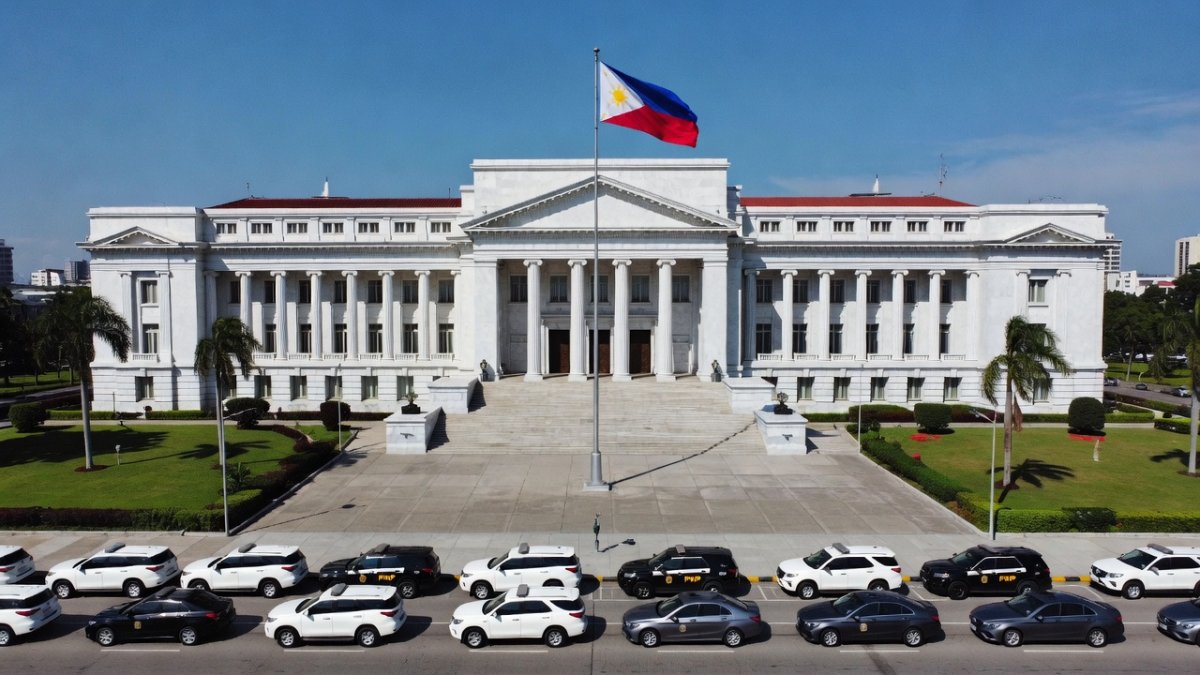
Malacañang maintained that the assassination remarks by Vice President Sara Duterte were neither hypothetical nor conditional. Palace Press Officer Claire Castro stated that the Duterte camp's justification amounted to an admission of the statements made.
The position came after former President Rodrigo Duterte's spokesperson Salvador Panelo described the grave threats case as hypothetical and conditional due to lack of evidence.
Panelo Describes Remarks as Hypothetical and Conditional
Salvador Panelo addressed the issue during Day 3 of the trial at the Senate impeachment court. He questioned whether the statements constituted an impeachable offense or a real threat.
“Ang isyu doon, 'yun bang mga sinabi niya, 'yung ba impeachable offense o hindi…Yun ba ay talagang banta? Hindi nga banta kasi number one hypothetical, number two conditional,” Panelo said on Wednesday, July 8.
This framing by the Duterte camp prompted a direct rebuttal from the Palace on the following day.
Castro Cites Direct Statements and Video Evidence
Claire Castro emphasized that Duterte herself declared she was not joking when making the remarks against President Ferdinand Marcos Jr., First Lady Liza Araneta-Marcos, and former House Speaker Martin Romualdez.
“Ang pagbibigay po ng salita na kumausap na siya ng tao para patayin ang pangulo, ang unang ginang at ang dating House speaker, hindi po ito hypothetical. Nakita po ito. Hindi po ito gawa-gawang isip,” Castro said on Thursday, July 9.
Castro pointed out that the statements were captured on video and therefore could not be dismissed as imagined.
Reference to 2009 Caluag v. People Ruling
Castro refuted the conditional aspect of Panelo's argument by invoking the Supreme Court's 2009 decision in Caluag v. People. The ruling addressed the elements of grave threats under Article 282 of the Revised Penal Code.
“Caluag vs People ruled that in grave threats, the wrong threatened amounts to a crime which may or may not be accompanied by a condition,” Castro said.
The citation clarified that the absence of an explicit condition does not remove the statements from the scope of the offense.
Scope of the Impeachment Trial and Witness Presentation
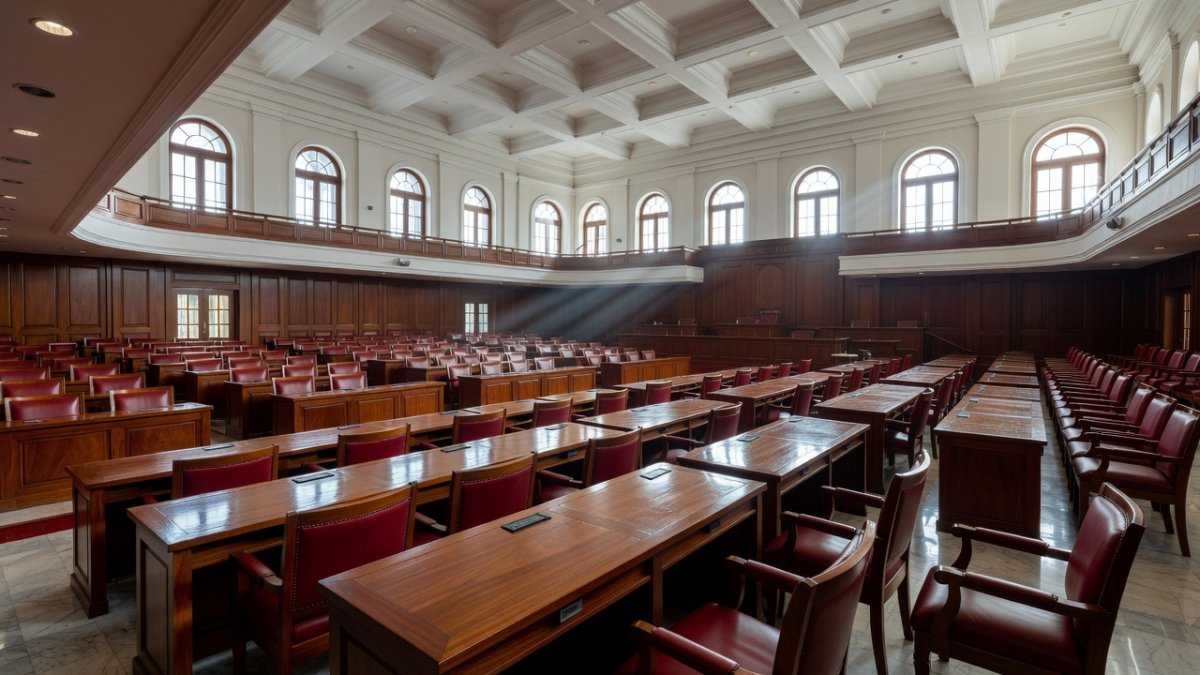
The alleged grave threats case has occupied the first 11 trial days of the scheduled 92 trial days in Duterte's impeachment proceedings. National Bureau of Investigation Senior Agent John Mark Calilung served as the first witness during the initial three days.
Calilung investigated the authenticity of the video recording from Duterte's 2024 online press conference where the remarks were delivered.
The extended trial schedule reflects the procedural requirements for examining each article presented against the Vice President.
Four Articles of Impeachment and Conviction Threshold
Duterte faces four Articles of Impeachment: alleged grave threats, misuse of confidential funds, unexplained wealth, and graft and corruption. A guilty verdict on any single article is sufficient for conviction and removal from office.
The conviction requires a two-thirds vote of the senator-judges. This threshold applies uniformly across all articles under consideration.
Palace Position on Evidence and Legal Standards
Castro's statements reinforced that the Palace views the recorded remarks as direct evidence rather than speculative. The exchange between Castro and Panelo centered on whether the statements meet the legal definition of grave threats.
The focus remains on the application of the Caluag ruling to the facts presented in the first 11 trial days.
By Bella Reyes, Staff WriterThis article was produced with AI-assisted research and editorial support. Reporting is based on sources cited in the article.
What's Your Reaction?
 Like
0
Like
0
 Dislike
0
Dislike
0
 Love
0
Love
0
 Funny
0
Funny
0
 Wow
0
Wow
0
 Sad
0
Sad
0
 Angry
0
Angry
0

Philippines/Southeast Asia Correspondent at Global1.News. Manila-based journalist covering Philippine politics, environment, maritime security, and social issues. Passionate about marine conservation and the communities protecting the Philippines' natural heritage.













Comments (0)