
Greater Manchester Mayoral By-Election 2026: Historic Vote
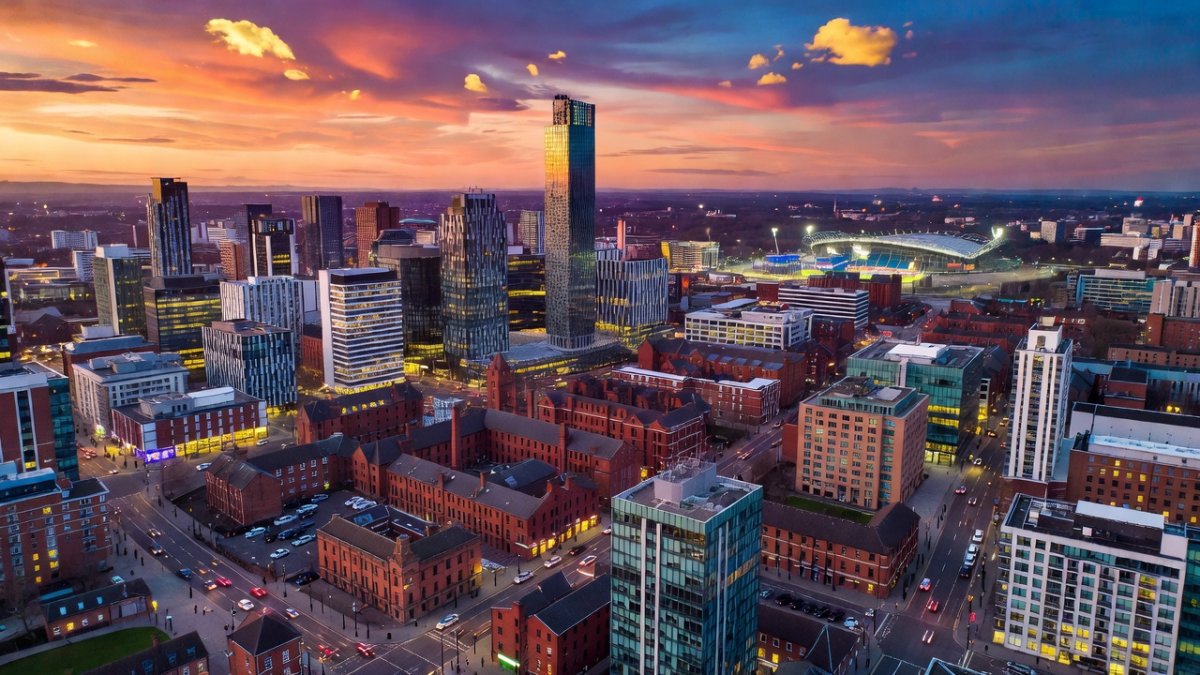
On 30 July 2026 more than two million registered voters across all ten boroughs of Greater Manchester will cast ballots in the largest by-election in British history. The contest, triggered by Andy Burnham’s departure, serves as the first national verdict on his premiership and tests Labour’s grip on a region central to its devolution agenda.
On 30 July 2026 more than two million registered voters across all ten boroughs of Greater Manchester will cast ballots in the largest by-election in British history. The contest, triggered by Andy Burnham’s departure, serves as the first national verdict on his premiership and tests Labour’s grip on a region central to its devolution agenda. With the Supplementary Vote system in play, every first and second preference could reshape the political map.
Greater Manchester Votes: The Biggest By-Election in British History
Manchester, UK – 29 July 2026 — Article continues...
Why the By-Election Is Happening
Andy Burnham won the Makerfield by-election on 18 June 2026, becoming an MP and therefore ineligible to remain as mayor. He then secured the Labour leadership and called a general election, rising to Prime Minister. The mayoral vacancy must now be filled under the terms of the 2017 Devolution Act, which requires a by-election within 35 working days of a vacancy arising in a combined authority. This rapid sequence has turned the 30 July poll into an early referendum on Labour’s national performance since Burnham entered Number 10.
Burnham’s journey from Greater Manchester mayor to prime minister carries unusual weight. His departure leaves a vacancy in the very region that propelled him to national prominence, turning the contest into a direct test of whether his personal brand can transfer to a successor. The 35-working-day rule, enshrined in the 2017 Devolution Act, was designed to prevent prolonged uncertainty in combined authorities; here it has compressed the campaign into a high-stakes snapshot of Labour’s standing just weeks after Burnham took office.
The Supplementary Vote system adds further complexity. Voters mark a first preference and, if they wish, a second choice. If no candidate secures more than 50 per cent of first preferences, all but the top two are eliminated and second preferences are redistributed. This mechanism rewards candidates who can secure cross-party deals and punishes those who alienate moderate voters.
The Candidates
Seven candidates are standing. Labour’s Bev Craig, Leader of Manchester City Council, leads with 39 per cent in the 28 July More in Common poll. She emphasises continued investment in Metrolink expansion and affordable housing targets, drawing strong support from Manchester and Salford’s urban core where her record on brownfield development is well known. As council leader she has overseen the delivery of more than 4,000 new affordable homes since 2022 and secured funding for three new Metrolink stops in east Manchester, commitments she now pledges to scale across the combined authority.
Reform UK’s Sian Astley, a property expert, stands on 19 per cent and campaigns on cutting business rates and tightening immigration controls, appealing particularly to voters in Bolton and Oldham who feel left behind by recent economic change. Her background running a commercial property firm in Bury gives her credibility on rates reform, while Reform’s national strategy positions her as the voice of northern voters frustrated by Westminster consensus.
Green Party candidate Geraldine Coggins polls at 14 per cent, focusing on net-zero transport and green spaces, with her strongest backing in Stockport and Trafford where environmental concerns run high. Liberal Democrat Richard Kilpatrick, Didsbury West councillor, stresses community policing and has built a base in south Manchester wards that traditionally favour Liberal Democrat localism. The Conservative candidate, James Harrington, a former Rochdale councillor, trails on single figures but hopes to consolidate right-leaning votes in Bury and Wigan. Restore Britain’s Dr Eleanor Vance, a former NHS consultant, targets disaffected Conservative voters with a hardline stance on cultural issues, while independent Michael Thompson, a former trade union official, campaigns on protecting manufacturing jobs across the ten boroughs.
Reform UK’s Challenge
Reform UK and the Greens made significant gains in the May 2026 local elections, securing dozens of council seats across Greater Manchester. This represents a sharp advance on their 2024 performance, when Reform held just a handful of seats in the region. Sian Astley hopes second-preference votes from Conservative supporters will boost her total under the Supplementary Vote system. Her campaign messaging focuses on “taking back control of our streets and our borders,” with repeated attacks on Labour’s record on crime and housing costs.
Reform’s national strategy treats this by-election as a proving ground for its northern advance. Party strategists believe a strong showing could force the Conservatives into defensive pacts ahead of the next general election, while also testing whether second-preference deals with smaller right-wing parties can deliver victories in Labour heartlands.
What’s at Stake for Labour
The mayoralty controls a £30 million annual investment fund stretching over thirty years. Powers cover transport, housing, policing and economic development. A poor result for Bev Craig would signal voter discontent with Labour’s record on the cost of living and NHS waiting lists. Burnham’s prestige is directly on the line; cabinet colleagues are watching closely to see whether his personal popularity can carry his successor across the line.
Residents in Salford will feel any shift in bus franchising priorities immediately, while Bolton’s housing targets depend on continued mayoral support for brownfield schemes. Stockport’s transport links to Manchester Airport risk delay without sustained investment, and Oldham’s regeneration projects could stall if the £30 million fund is redirected. The ten boroughs therefore watch the contest with unusual intensity. A weak Labour performance could also stall the government’s wider devolution agenda, emboldening critics who argue that combined authorities remain too dependent on Westminster goodwill.
Historical Context
Previous mayoral by-elections offer cautionary lessons. In London in 2021, a low-turnout contest produced an unexpectedly tight result that damaged the incumbent’s authority. The West Midlands by-election of 2024 saw Reform surge into second place, forcing both major parties to recalibrate their northern strategies. Those precedents suggest that even modest swings in Greater Manchester could reverberate nationally, particularly under the Supplementary Vote system where second preferences often decide the outcome.
Voter Engagement
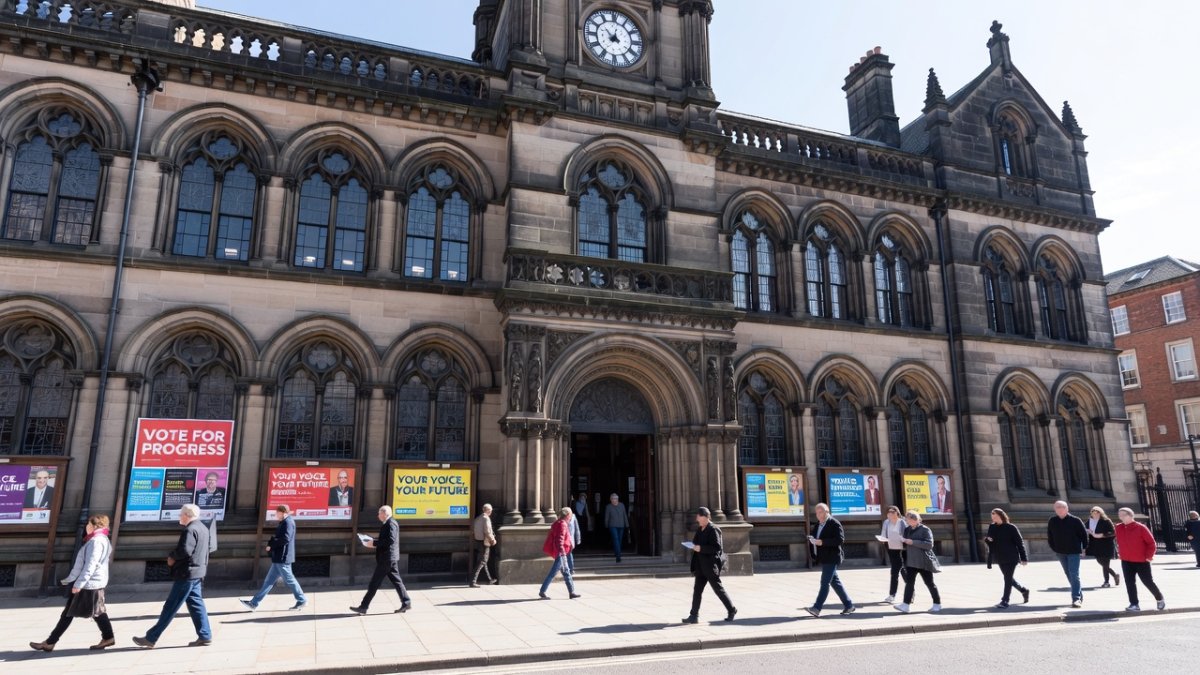
Turnout predictions hover around 28 per cent, though the Supplementary Vote system may encourage higher participation by giving voters a second voice. Second-preference deals between Labour and the Greens, or Reform and the Conservatives, are already being discussed in private. Community hustings across the ten boroughs have revealed sharp divides on immigration, housing and public transport, with audiences pressing candidates on concrete local outcomes rather than national slogans. Voters repeatedly cite rising housing costs in Manchester and Salford, bus fare increases in Bolton, crime concerns in Oldham, and lengthening NHS waits in Stockport and Wigan. Demographic splits are stark: younger urban voters lean towards Labour and the Greens, while older suburban and former industrial wards show stronger Reform support.
Outcome Scenarios
A decisive Labour win would bolster Burnham’s authority and quieten internal critics. A narrow victory would leave Craig vulnerable to early challenges and signal that Labour’s northern base is more fragile than assumed. A Reform breakthrough, even without victory, would intensify pressure on the Conservatives and test whether second-preference pacts can translate protest votes into seats.
The Bottom Line
Whatever the outcome, the 30 July result will shape devolution debates in other combined authorities and influence how parties organise for future mayoral contests across England. Local people understand the direct consequences. A new mayor will decide bus fares for commuters in Stockport and approve housing schemes in Bolton. The scale of this by-election means every first and second preference counts in shaping Greater Manchester’s next chapter.
By Erica Thornton, Staff WriterThis article was produced with AI-assisted research and editorial support. Reporting is based on sources cited in the article.
What's Your Reaction?
 Like
0
Like
0
 Dislike
0
Dislike
0
 Love
0
Love
0
 Funny
0
Funny
0
 Wow
0
Wow
0
 Sad
0
Sad
0
 Angry
0
Angry
0

US Politics and Policy Correspondent at Global1.News. Based in Washington DC, covering American politics, policy, elections, and the courts. Knows how the system works and tells you what it actually means.













Comments (0)