
OPEC+ Approves August Output Hike Amid Hormuz Disruptions
OPEC+ Approves August Output Hike Amid Hormuz Disruptions OPEC+ has agreed to raise output quotas by 188,000 barrels per day from August, adding to supply as the Strait of Hormuz gradually reopens after the U.S.-Israeli war on Iran disrupted exports from Saudi Arabia, Kuwait and Iraq. **Keywords:** OPEC+, oil output hike, Strait of Hormuz, Saudi Arabia, Iran, UAE, Iraq, Brent c
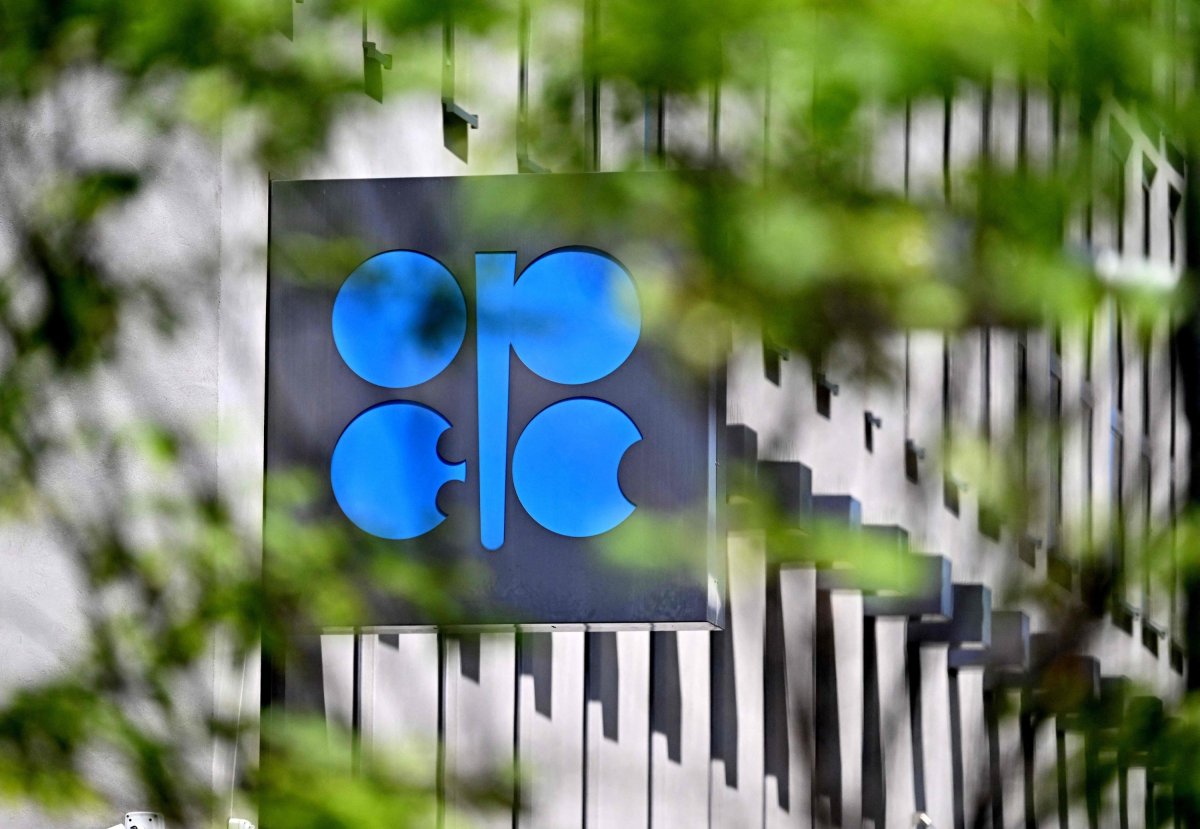
OPEC+ Reaches Consensus on August Production Increase
The OPEC+ group has agreed on one more output hike covering the adjustment for August, according to a statement issued on Sunday. This decision adds 188,000 barrels per day to quotas from August onward, building on similar increases already set for June and July. The move comes as global supply faces pressure from the gradual reopening of the Strait of Hormuz for oil exports.
Seven core members of OPEC+ have pursued these quota adjustments as part of a phased rollback of earlier cuts. The group includes producers from both OPEC and allied nations such as Russia. Their actions reflect a careful calibration of supply amid ongoing regional tensions.
Strait of Hormuz Disruptions Limit Actual Output Gains
The seven core members raised output quotas from April through July by almost 800,000 barrels per day. However, these increases have remained largely on paper because of the U.S.-Israeli war on Iran, which closed the Strait of Hormuz to tanker traffic for key OPEC+ members including Saudi Arabia, Kuwait and Iraq.
OPEC+ output fell to 33.13 million barrels per day in May from 42.77 million barrels per day in February. Recovery began in June with assistance from U.S. efforts to support the United Arab Emirates and other OPEC+ nations in exporting more oil, yet volumes remain below pre-war levels. The closure of this vital waterway has constrained the ability of Gulf producers to translate quota changes into actual barrels reaching markets.
Oil Prices Return to Pre-War Levels Despite Supply Shortfalls
Brent crude prices traded near $72 per barrel on Friday, down from recent peaks above $120 per barrel and back to levels seen just before the U.S. and Israel attacked Iran on Feb. 28. Prices have returned to pre-war levels even with persisting supply disruptions, driven by lower Chinese imports, higher exports from non-Middle East producers, and a record global strategic stock release coordinated by the International Energy Agency.
Market participants continue to monitor how many tankers will manage to cross the Strait of Hormuz and how quickly demand and Chinese crude imports recover. A memorandum of understanding between Washington and Tehran to end the war has also helped convince traders that supply will ultimately return to normal levels.
Core Producers Unwind 2023 Cuts in Phased Manner
The seven producers—Saudi Arabia, Russia, Iraq, Kuwait, Algeria, Kazakhstan and Oman—are boosting output as part of the phased rollback of a 1.65 million barrels per day supply cut agreed in 2023. From August, taking into account the UAE's exit from May 1, these seven core members will still have about 379,000 barrels per day of the original cut to return to the market.
With the August increase now decided, they will have fully unwound the 2023 cut if they make one more hike of around the same size for September at their next meeting on Aug. 2. This measured approach allows the group to respond to evolving export conditions through the Strait of Hormuz without committing to abrupt changes.
UAE Exit and Iraq Signals Create New OPEC+ Challenges
Besides agreeing to production targets, OPEC+ faces additional challenges after the United Arab Emirates left the group and Iraq signaled it wants higher quotas. The UAE quit the alliance in late April because it wanted to align its capacity more closely with its production, free of production restraints imposed by the group.
OPEC+ includes 21 members, including Iran, but in recent years only seven nations and the UAE until its departure have been involved in monthly production management. These internal shifts highlight differing national priorities within the alliance as members navigate the aftermath of the war on Iran and the reopening of key export routes.
Strategic Calculus for Gulf Producers and Regional Stability
Each side in this evolving situation pursues distinct objectives. Saudi Arabia, Kuwait and Iraq seek to restore export volumes through the Strait of Hormuz while managing quota adjustments. Russia and other core members balance their own production needs against collective OPEC+ discipline. The United Arab Emirates has already chosen an independent path to match output with capacity.
Second-order effects extend beyond immediate supply numbers. Lower Chinese imports and non-Middle East exports continue to weigh on prices, while the International Energy Agency stock release adds further downward pressure. A stable reopening of the Strait of Hormuz could ease tensions between Sunni and Shia geopolitical competitors, yet any renewed disruption would quickly affect energy markets and broader Gulf economic diversification efforts.
The gradual nature of quota increases reflects awareness that actual export recovery depends on tanker traffic through the Strait of Hormuz. Producers must weigh the leverage gained from coordinated action against the risk of oversupply if demand fails to rebound. These dynamics will shape OPEC+ decisions at the August 2 meeting and influence how regional powers position themselves amid ongoing great power involvement in the Middle East.
By Malik Hassan, Staff WriterThis article was produced with AI-assisted research and editorial support. Reporting is based on sources cited in the article.
What's Your Reaction?
 Like
0
Like
0
 Dislike
0
Dislike
0
 Love
0
Love
0
 Funny
0
Funny
0
 Wow
0
Wow
0
 Sad
0
Sad
0
 Angry
0
Angry
0

Middle East Correspondent at Global1.News. Based in Beirut, covering politics, conflict, energy, and society across the Middle East. Brings context and depth to a region often reduced to headlines.












Comments (0)