
US and Iran Reach Peace Deal: Strait of Hormuz to Reopen as 60-Day Ceasefire Framework Takes Effect
In a recent BBC News report, White House officials and Iranian diplomats confirmed the most significant diplomatic breakthrough in the Middle East in decades — a peace deal framework that brings an end to months of devastating conflict between the United States and Iran. US and Iran Reach Peace Deal: Strait of Hormuz to Reopen as 60-Day Ceasefire Framework Takes Effect Geneva,
In a recent BBC News report, White House officials and Iranian diplomats confirmed the most significant diplomatic breakthrough in the Middle East in decades — a peace deal framework that brings an end to months of devastating conflict between the United States and Iran.
US and Iran Reach Peace Deal: Strait of Hormuz to Reopen as 60-Day Ceasefire Framework Takes Effect
Geneva, Switzerland – This Week — The framework agreement, brokered by Pakistan and Qatar, sets in motion the reopening of the Strait of Hormuz and establishes a timeline for nuclear negotiations between Washington and Tehran, bringing an end to more than three months of open conflict in the Middle East.
The Breakthrough: A Framework for Peace
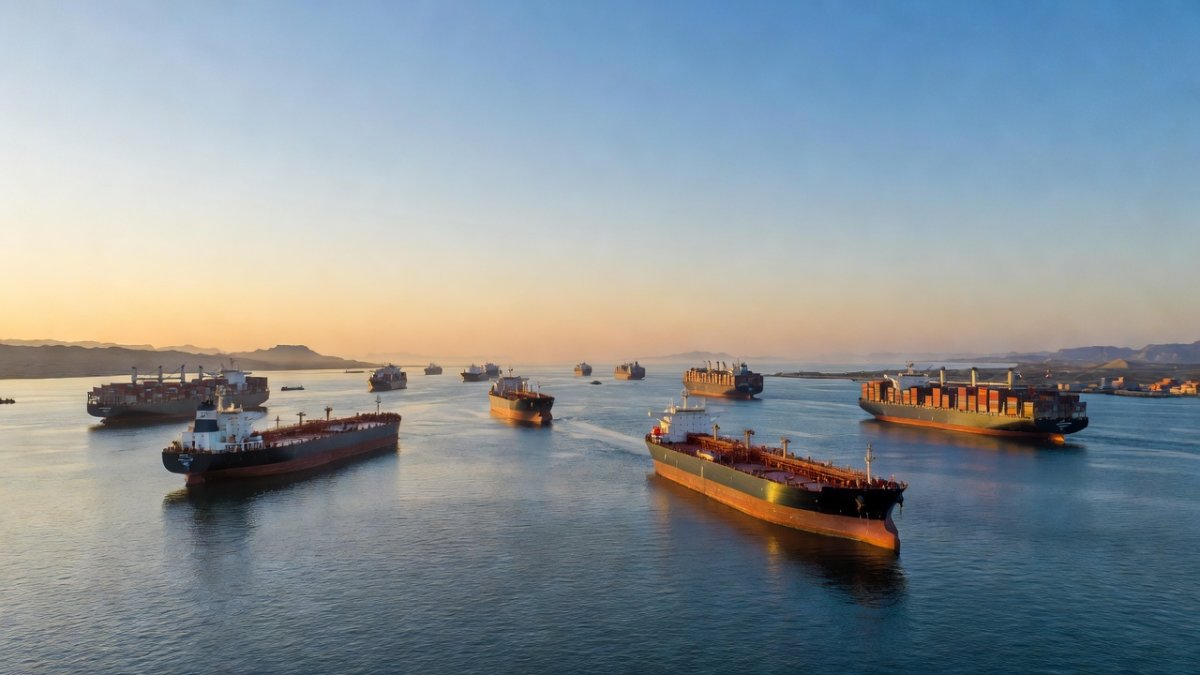
In a dramatic turn of events that reshapes the geopolitical landscape of the Middle East, the United States and Iran announced on Sunday a framework peace deal that ends more than three months of open conflict. The agreement, brokered primarily by Pakistan's Prime Minister Shehbaz Sharif and supported by Qatari mediators, was first announced by Islamabad before being confirmed by President Donald Trump in a characteristically bold post on Truth Social. "The Deal with the Islamic Republic of Iran is now complete," Trump wrote, declaring the end of hostilities and ordering the reopening of the Strait of Hormuz. The waterway, a critical chokepoint for global energy supplies, had been effectively closed since late February when the US and Israel launched coordinated airstrikes against Iranian targets, triggering a cycle of retaliation that sent shockwaves through international markets.
The framework agreement extends the existing ceasefire for a 60-day period and provides a roadmap for further negotiations on the thorniest outstanding issues, including Iran's nuclear program, the status of US sanctions, and the future of regional security architecture. In a briefing on Sunday, Deputy Foreign Minister Kazem Gharibabadi confirmed on Iranian state television that military operations had ceased and that a formal signing ceremony would take place in Switzerland on Friday. Iran's Supreme National Security Council described the outcome as a consolidation of battlefield gains through political channels, stating that "Iran's victory in the field would also be consolidated in political negotiations."
President Donald Trump further elaborated on Truth Social that he had ordered the end of the US naval blockade of Iranian ports, adding the terse instruction "Let the oil flow." White House Press Secretary Karoline Leavitt confirmed the timeline for implementation while clarifying certain boundaries of the agreement. The text of the memorandum of understanding has not been fully released, but Iranian state media has outlined key provisions: the reopening of the Strait of Hormuz within 30 days, the lifting of the US naval blockade on Iranian ports, the gradual release of approximately $25 billion in frozen Iranian assets, and a framework for nuclear negotiations in which Tehran commits to not pursuing nuclear weapons. Seyed Abbas Araghchi, a senior Iranian diplomat involved in the talks, has been cited in state media as underscoring Tehran's readiness to move forward on verifiable commitments.
Pakistan's Prime Minister Shehbaz Sharif played a central mediating role, leveraging Islamabad's longstanding ties with both Washington and Tehran. Qatari officials provided parallel diplomatic channels. The 60-day ceasefire period begins immediately, with the formal signing scheduled in Switzerland on Friday, June 19. Defence Secretary Pete Hegseth stated that US troops will "stay put, stay ready, stay vigilant" during this transition, signaling that American military posture in the region remains unchanged despite the diplomatic progress.
Oil Markets and Global Economic Fallout
The announcement sent immediate ripples through global energy markets, with oil prices tumbling to a three-month low on Sunday. Brent crude fell sharply as traders priced in the unfreezing of one of the world's most strategically vital shipping routes. The Strait of Hormuz handles roughly one-fifth of the world's oil supply, and its closure since February had driven energy prices to multi-year highs, fueling inflation across Europe, Asia, and North America. The reopening scheduled for Friday, June 19, is expected to ease supply constraints and reduce volatility in energy trading.
UK Prime Minister Keir Starmer welcomed the deal, stating it would "ease the economic pressures" on British households and businesses. The E4 leaders — the UK, Germany, France, and the European Union — issued a joint statement congratulating the United States, Iran, and the mediating parties on "this diplomatic breakthrough," calling it "a moment of opportunity to restore regional stability and stabilise the global economy." European officials emphasized that lower energy costs could help contain inflation and support post-pandemic recovery efforts across the continent.
For Russia, the implications are complex. As a major oil and gas exporter, Moscow benefited from elevated energy prices during the Hormuz closure. The prospect of Iranian oil returning to global markets could pressure prices downward, squeezing Russian budget revenues at a time when the Kremlin is financing a war economy. However, Moscow has also viewed the US-Iran conflict as a strategic distraction from Ukraine, and a durable peace in the Gulf could free Washington's diplomatic bandwidth for other theatres. Ordinary Russians may face indirect effects through fluctuating energy export revenues that underpin domestic spending and regional influence in post-Soviet states.
Israel, Hezbollah, and the Lebanon Dimension
Under the terms negotiated by Pakistan, the deal declares an end to "military operations" in Lebanon, where Israel has been conducting ground operations against the Iranian-backed armed group Hezbollah. Lebanese President Joseph Aoun welcomed the announcement, expressing hope that it would deliver "practical steps that put a definitive end to the cycle of violence" that has ravaged southern Lebanon. Local communities in the region have endured repeated rounds of escalation, and the framework offers a potential path toward de-escalation if all parties adhere to the timeline.
Israeli Prime Minister Benjamin Netanyahu offered cautious support, stating that Israel backs President Trump's decision to suspend strikes against Iran. However, he immediately qualified this by insisting the "ceasefire does not include Lebanon," where Israeli ground troops remain deployed. White House Press Secretary Karoline Leavitt subsequently confirmed that Lebanon was not part of the ceasefire agreement, creating an ambiguity that diplomats on all sides will need to resolve in the coming days. This distinction leaves open the possibility of continued limited operations in southern Lebanon even as the broader US-Iran track advances.
The Iranian Revolutionary Guard Corps has warned of a "regret-inducing response" if strikes on Lebanon continue, raising the stakes for the separate Israeli-Iranian proxy conflict even as the main US-Iran track moves toward peace. Defence Secretary Pete Hegseth reiterated that US forces will maintain readiness, underscoring Washington's determination to deter any spillover that could undermine the 60-day ceasefire period.
Nuclear Questions and the Road Ahead
Perhaps the most consequential element of the framework is the commitment to begin formal negotiations on Iran's nuclear program within the 60-day ceasefire period. Tehran has reiterated that it does not seek nuclear weapons — a position codified in the memorandum — but insists on its right to peaceful nuclear energy under the Non-Proliferation Treaty. For Washington, the key deliverables are verifiable limits on uranium enrichment levels and international monitoring of Iran's nuclear facilities. Deputy Foreign Minister Kazem Gharibabadi has stressed on state television that any agreement must respect Iran's sovereign rights.
The 60-day timeline is tight by diplomatic standards. Previous rounds of nuclear talks, including the 2015 Joint Comprehensive Plan of Action negotiations, took years. Analysts suggest that the current framework, rather than being a final settlement, is designed to build confidence gradually — with each milestone unlocking tranches of sanctions relief and frozen asset releases. The gradual release of $25 billion in frozen Iranian assets will serve as an early test of implementation.
The United States has indicated it will tie sanctions relief to "physical milestones" and "verification," according to a senior administration official. Iran, for its part, views the deal as a validation of its strategic patience, with the Supreme National Security Council stating that "Iran's victory in the field would also be consolidated in political negotiations." President Donald Trump has signaled openness to further talks provided core US security concerns are addressed during the initial 60-day window.
The Mediating Role of Pakistan and Qatar
Pakistan's Prime Minister Shehbaz Sharif emerged as the primary mediator, drawing on decades of bilateral relations with both Tehran and Washington. His early announcement of the framework underscored Islamabad's growing diplomatic profile in Gulf affairs. Qatari officials facilitated back-channel communications that helped bridge gaps during the final stages. These efforts reflect a broader pattern of regional actors stepping into roles traditionally occupied by larger powers.
The involvement of these mediators also highlights shifting alignments. Pakistan's position allows it to balance ties with Gulf states and Iran while maintaining its strategic partnership with the United States. Qatar's established channels with Iranian leadership provided additional leverage. Both countries stand to gain from stabilized energy routes and reduced regional tensions that could otherwise spill into their own security calculations.
Analysis: What This Means for Regional Order
The framework agreement represents a pragmatic pause rather than a comprehensive resolution. By securing a 60-day ceasefire and a pathway for nuclear talks, the United States and Iran have created space for de-escalation while leaving contentious issues such as the Lebanon front partially unresolved. Israeli Prime Minister Benjamin Netanyahu's qualified endorsement and the clarification from Karoline Leavitt illustrate the limits of the current text. Continued vigilance by US Defence Secretary Pete Hegseth suggests that military postures will remain robust even as diplomacy proceeds.
For European leaders including Keir Starmer, the deal offers immediate economic relief through lower energy prices. The E4 joint statement reflects a collective interest in preventing further inflation shocks. In Russia, the reopening of the Strait of Hormuz may compress export revenues, forcing adjustments in Kremlin fiscal planning at a moment when energy income supports broader regional influence. The coming weeks will test whether the Switzerland signing ceremony translates into sustained implementation or merely delays renewed confrontation.
Global Diplomatic Reactions and the E4 Response
International reactions to the framework agreement have been swift and layered, reflecting both relief and strategic calculation. The E4 grouping of the United Kingdom, Germany, France, and the European Union issued an expanded joint statement this week that went beyond initial congratulations to stress the importance of sustained verification mechanisms and inclusive regional dialogue. UK Prime Minister Keir Starmer highlighted the potential for renewed energy stability to support European households, while German Chancellor Olaf Scholz and French President Emmanuel Macron emphasized the deal's alignment with long-standing non-proliferation goals.
The UN Security Council convened an emergency session on Monday, where Secretary-General António Guterres welcomed the 60-day ceasefire as a critical window for de-escalation. China’s Foreign Ministry spokesperson expressed cautious optimism, noting Beijing’s interest in secure maritime routes through the Strait of Hormuz and calling for all parties to respect sovereignty. Russia’s Foreign Minister Sergey Lavrov described the development as a positive step that could reduce external pressures on Moscow’s own regional priorities, though he cautioned against any unilateral impositions on Iran’s nuclear rights.
Gulf states including Saudi Arabia and the United Arab Emirates issued measured statements through their foreign ministries, underscoring the need for verifiable implementation and expressing hope that lower energy volatility would benefit their economies. These responses illustrate a broader diplomatic history in which regional actors increasingly shape outcomes alongside traditional powers, potentially laying groundwork for more inclusive security arrangements in the Gulf.
Humanitarian and Regional Stability Concerns
The human cost of the preceding three months of conflict remains substantial, with displacement affecting communities across southern Lebanon and parts of western Iran. Reports from humanitarian organizations indicate thousands of families have been uprooted by airstrikes and ground operations, creating urgent needs for shelter, medical care, and food assistance in already strained areas. Reopening the Strait of Hormuz is expected to ease some economic pressures on ordinary citizens by lowering fuel and commodity prices, yet the immediate benefits will depend on how quickly supply chains recover.
In Lebanon, local leaders have stressed that any lasting stability must address reconstruction in southern villages repeatedly caught in crossfire. Iranian officials have similarly highlighted the toll on civilian infrastructure, framing the framework agreement as an opportunity to redirect resources toward domestic recovery. For residents in the wider region, the prospect of resumed maritime traffic offers hope that inflation-driven hardships may gradually subside, though analysts caution that structural economic challenges will persist beyond the initial 60-day period.
These humanitarian dimensions underscore the broader stakes of implementation. Without parallel attention to displacement and basic services, the diplomatic gains risk remaining disconnected from the lived realities of populations most affected by the conflict.
The Road to Implementation: Challenges Ahead
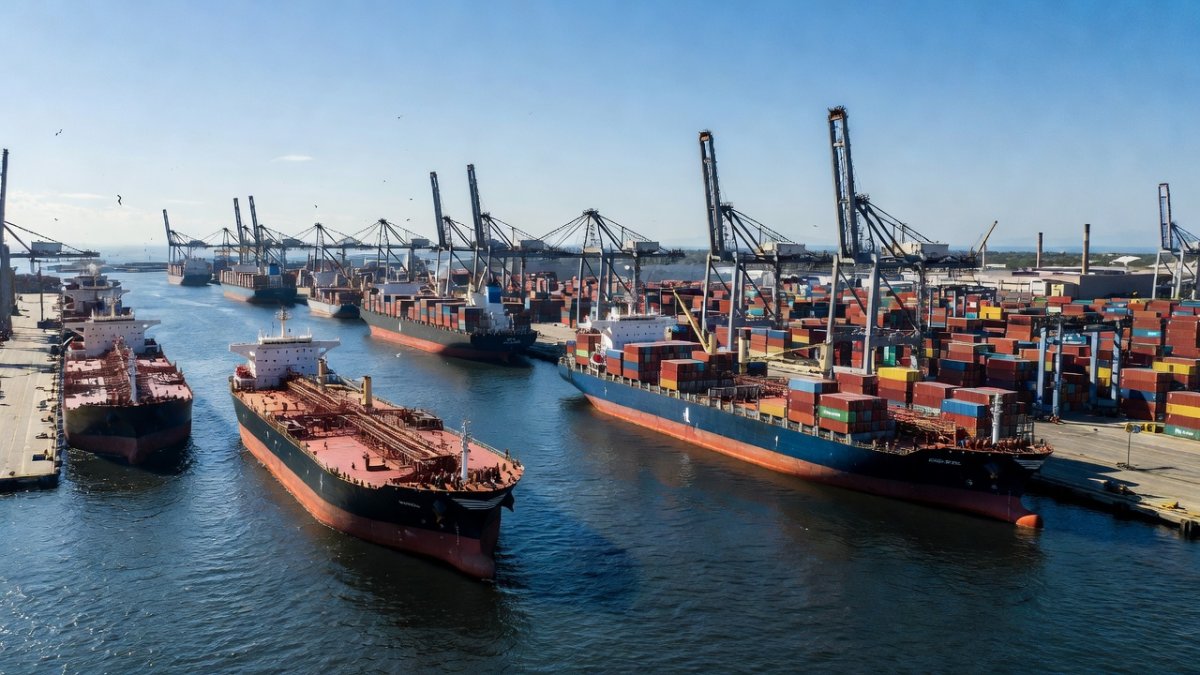
Translating the framework into concrete outcomes will require navigating several structural obstacles. Verification mechanisms for Iran’s nuclear commitments remain a central point of contention, with Washington insisting on rigorous international monitoring while Tehran emphasizes respect for its sovereign rights under the Non-Proliferation Treaty. The 60-day timeline is ambitious by historical standards, and previous nuclear negotiations have shown that confidence-building measures often require extended periods to mature.
Israel’s position adds further complexity. Prime Minister Benjamin Netanyahu’s qualified endorsement and the explicit exclusion of Lebanon from the ceasefire leave open the possibility of continued operations in southern Lebanon, which could test Iranian restraint and the overall durability of the agreement. Iran’s commitments on enrichment levels and asset releases will also need clear milestones to unlock sanctions relief without triggering domestic political backlash in Tehran.
Diplomatic history suggests that success will hinge on incremental progress rather than rapid resolution. The involvement of Pakistan and Qatar as mediators provides useful channels, yet sustaining momentum through the Switzerland signing and beyond will demand consistent engagement from all parties. The coming weeks will reveal whether the current pause can evolve into a more durable regional order or merely postpones renewed tensions.
By Irina Volkov, Staff Writer
This article was produced with AI-assisted research and editorial support. Reporting is based on sources cited in the article.
What's Your Reaction?
 Like
0
Like
0
 Dislike
0
Dislike
0
 Love
0
Love
0
 Funny
0
Funny
0
 Wow
0
Wow
0
 Sad
0
Sad
0
 Angry
0
Angry
0
Russia/Eastern Europe Correspondent at Global1.News. Covering Russian politics, energy, security, and the shifting dynamics of the post-Soviet space. Provides clear-eyed analysis on one of the world's most opaque regions.











Comments (0)