
Oaxaca Mayor Joel Bravo Slain After Seeking State Protection
Oaxaca Mayor Joel Bravo Slain After Seeking State Protection PAN Mayor Joel Bravo of San Miguel Amatitlán was killed at home after seeking state protection. The murder spotlights risks facing elected officials in rural Oaxaca. **Keywords:** Joel Bravo, San Miguel Amatitlán, Oaxaca mayor killed, PAN Morena, Salomón Jara, Mixtec communities, violence against mayors, FGEO investig
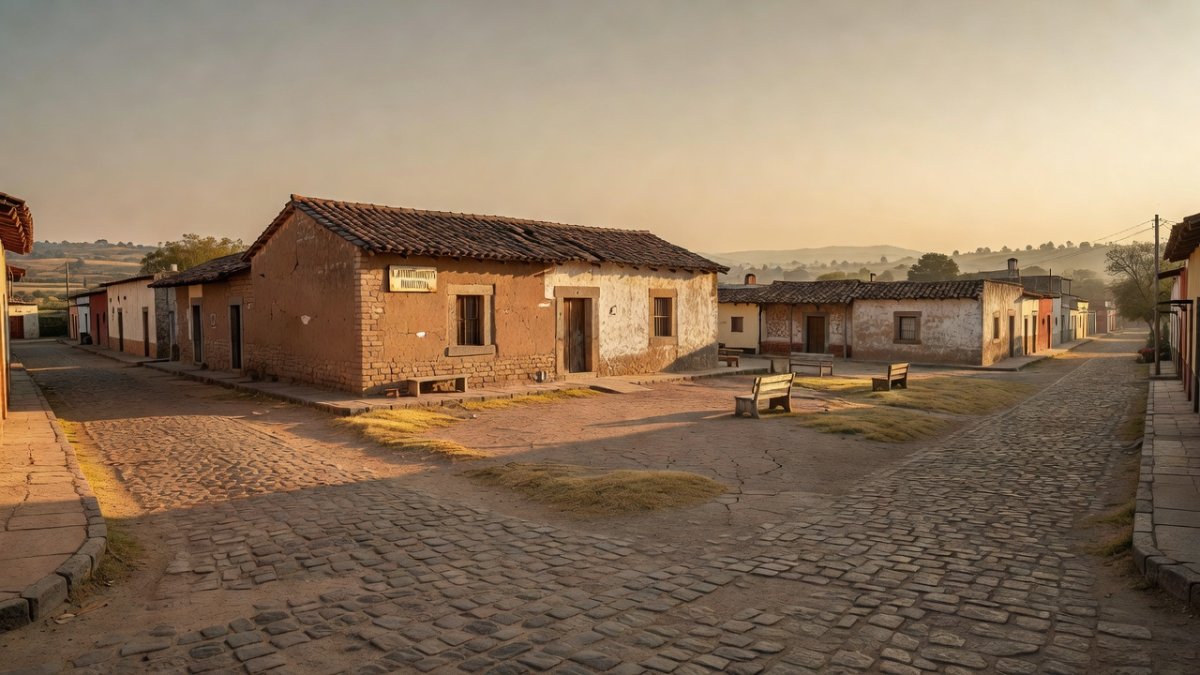
The Killing of Mayor Joel Ángel Bravo Martínez
Joel Ángel Bravo Martínez, the 53-year-old PAN mayor of San Miguel Amatitlán in Oaxaca's Mixtec region, was shot dead inside his home on the evening of June 13, 2026. Armed men forced their way into the residence and opened fire, according to initial reports from state authorities. Bravo had served since 2022 and was known locally for his work on community infrastructure projects. The attack occurred in a quiet neighborhood where residents typically gather at the central plaza on weekends. State investigators from the Fiscalía General del Estado de Oaxaca arrived quickly with forensic teams and members of the Agencia Estatal de Investigaciones.
No arrests have been reported as of the latest updates, and the motive remains unclear. The FGEO has not released further details about possible suspects or connections to organized crime groups known to operate in parts of Oaxaca. PAN party statements described the event as a “cowardly murder” and noted that Bravo had previously expressed fear for his safety. The killing has left residents of the small municipality in shock, many of whom knew the mayor personally from tianguis markets and community assemblies.
Local officials and neighbors described Bravo as someone who maintained close ties with ejido leaders and indigenous authorities in the area. His death marks another loss for a region already strained by security challenges. Community members began placing flowers and candles outside his home within hours of the news spreading through the colonia.
Daily Life in San Miguel Amititlán’s Mixtec Community
San Miguel Amatitlán sits in the rugged Mixtec highlands of Oaxaca, where families maintain traditional agricultural practices alongside small-scale commerce. Residents often travel along winding roads to reach the nearest larger towns for supplies, and many still speak Mixtec alongside Spanish. The municipality's economy centers on corn, beans, and seasonal fruit grown on communal lands, with women frequently organizing local tianguis to sell handmade goods. Children attend schools that blend state curriculum with cultural teachings passed down through generations.
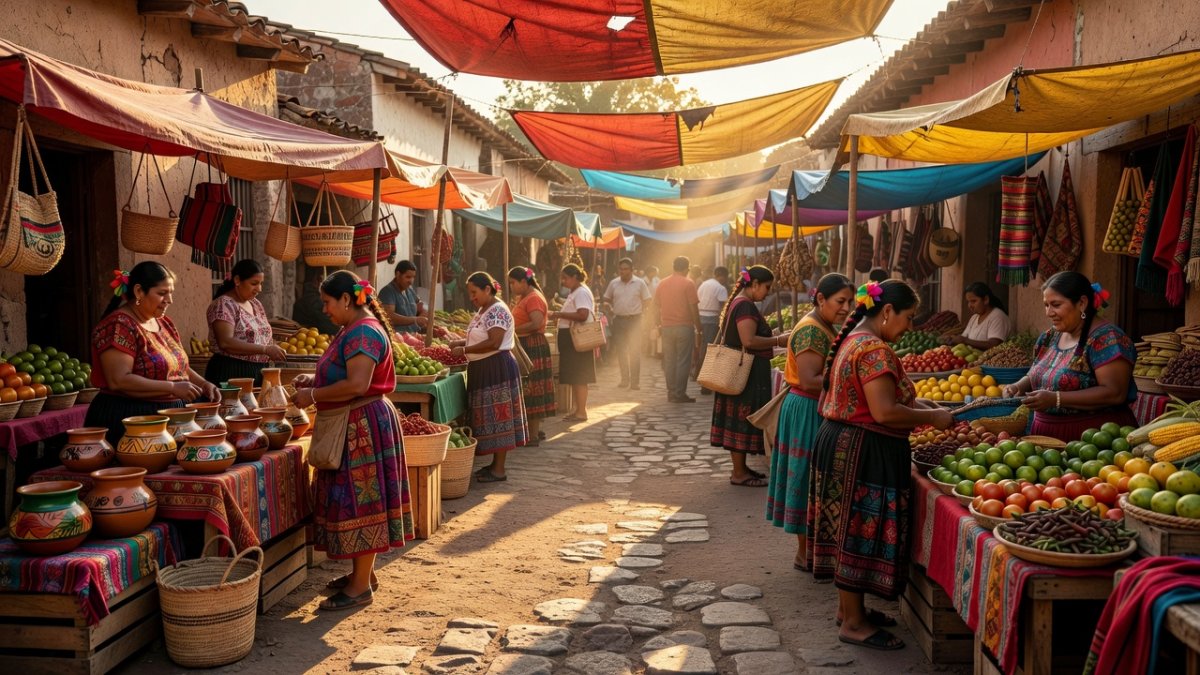
Community life revolves around the main plaza, where elders hold regular gatherings to discuss water rights and road maintenance. Bravo was often seen at these meetings, listening to concerns about healthcare access and youth employment. The town’s quiet rhythm was disrupted by the recent violence, leaving many families hesitant to gather after dark. Residents emphasize the importance of mutual support in a place where government services can take hours to arrive.
Indigenous governance structures remain strong here, with traditional authorities working alongside the municipal president. This dual system helps resolve disputes over land and resources that date back centuries. The loss of a mayor who participated in both systems has created uncertainty about who will continue ongoing projects.
Timeline of Security Concerns and Unfulfilled Promises
Weeks before his death, Bravo and other local officials were attacked and robbed while traveling the Acatlán-Oaxaca highway. The incident left the group shaken and prompted Bravo to raise his personal safety at a regional security meeting on May 11. During that gathering he spoke directly with Governor Salomón Jara of Morena about the threats he faced. According to PAN statements, bodyguards were promised at that time but had not arrived by the date of the killing.
Reports indicate that Bravo continued his regular duties in the weeks following the May meeting while waiting for the additional protection. He attended community events and oversaw municipal work despite the earlier highway robbery. The gap between the promise and the delivery of security measures has become a central point of criticism from opposition voices. State authorities have not publicly confirmed the exact status of the protection request as of mid-June.
The sequence of events has prompted questions about coordination between state and municipal levels. Residents note that similar delays in rural areas can leave elected leaders exposed for extended periods. The FGEO continues to examine whether the June 13 attack connects to the earlier highway incident or to other local disputes.
Political Tensions Between PAN and Morena in Oaxaca
The case has intensified existing friction between PAN and the ruling Morena party in Oaxaca. PAN leaders have publicly stated that Bravo warned authorities about threats to his life and that the government response fell short. Governor Jara condemned the murder and directed the Security Cabinet to provide support to the investigation, yet opposition figures argue that more preventive action was needed earlier. These exchanges reflect broader competition between the parties ahead of future electoral cycles in the state.
Municipal leaders from various parties often navigate complex relationships with the state government when requesting resources. In Oaxaca, where Morena holds the governorship, PAN mayors like Bravo sometimes face additional hurdles in obtaining timely assistance. The situation in San Miguel Amatitlán illustrates how security coordination can become entangled with partisan dynamics. Community members generally prefer practical solutions over political arguments, focusing instead on restoring calm.
Analysts note that such incidents can influence voter perceptions in indigenous districts where trust in institutions is already tested. Both parties have called for justice, though their approaches differ in emphasis. The coming weeks will show whether the investigation produces concrete results that satisfy local demands.
The Broader Pattern of Violence Against Mexican Mayors
Data compiled by El Economista indicates that roughly 100 mayors have been killed across Mexico in the past two decades. These cases frequently occur in smaller municipalities where local leaders confront organized crime or resource disputes with limited backup. The assassination of Uruapan Mayor Carlos Manzo in November 2025 at a Day of the Dead event remains fresh in public memory and underscores the risks faced by officials in high-crime zones. Oaxaca itself has seen multiple incidents involving municipal authorities in recent years.
Groups such as the CJNG and Sinaloa Cartel maintain presence in parts of the state, complicating efforts by local governments to maintain order. Mayors who attempt to disrupt illicit activities or simply refuse cooperation often become targets. The pattern affects both opposition and ruling-party officials, suggesting that political affiliation alone does not determine risk levels. National organizations representing municipal leaders have repeatedly requested federal support for threatened officials.
These killings disrupt daily governance in places where residents rely on mayors for basic services and conflict mediation. The cumulative effect leaves many communities feeling isolated from larger protection networks. Continued attention from state and federal agencies remains essential for addressing the underlying causes.
Impact on Indigenous and Rural Communities
The death of a mayor in a Mixtec municipality reverberates through networks of ejidos and comunidades indígenas that depend on stable local leadership. Families worry that ongoing development projects may stall without clear succession plans. Women who participate in community decision-making express particular concern about maintaining momentum on education and health initiatives. Young people who saw Bravo as a bridge to state resources now question their own future involvement in public life.
Rural security challenges often intersect with limited infrastructure, making rapid response difficult when incidents occur. Residents of San Miguel Amatitlán and neighboring towns share stories of traveling long distances for medical care or legal assistance, highlighting the need for stronger local institutions. The cultural emphasis on collective well-being means that one leader’s loss is felt across extended family networks and traditional authorities. Many hope that the investigation will bring answers that allow the community to heal.
Indigenous leaders have called for culturally appropriate security measures that respect local governance traditions. This approach could help rebuild confidence between communities and state agencies. The coming months will test whether such collaboration materializes in practice.
Community Voices and Demands for Justice
Neighbors in San Miguel Amatitlán describe Bravo as approachable and committed to everyday concerns such as road repairs and water access. One resident recalled seeing him at the tianguis listening to vendors about rising costs of goods. Another noted his regular attendance at school events where he encouraged students to stay connected to their Mixtec heritage. These personal connections have made the loss especially painful for families who interacted with him weekly.
Local voices emphasize the need for swift and transparent investigation by the FGEO. They want assurances that similar threats to other officials will receive faster responses in the future. Community assemblies have begun discussing ways to support the mayor’s family while also pressing for improved coordination with state security forces. The emphasis remains on practical steps that protect those who serve rural populations.
Residents continue to gather in small groups to share memories and express hopes for peace. Their focus stays on preserving the close-knit character of the municipality despite the tragedy. Continued coverage of the case may help keep attention on the broader need for protection of local leaders.
Tags: Joel Bravo, San Miguel Amatitlán, Oaxaca, PAN, Morena, Salomón Jara, Mixtec communities, violence against mayors, rural security, indigenous leaders, FGEO
By Rosa Martinez, Staff Writer
This article was produced with AI-assisted research and editorial support. Reporting is based on sources cited in the article.
What's Your Reaction?
 Like
0
Like
0
 Dislike
0
Dislike
0
 Love
0
Love
0
 Funny
0
Funny
0
 Wow
0
Wow
0
 Sad
0
Sad
0
 Angry
0
Angry
0
Latin America/Andes Correspondent at Global1.News. Based in Bogota, covering politics, environment, energy, and social movements across the Andean region. Passionate about environmental journalism and communities protecting their land.













Comments (0)