
EU Sanctions Russia's Prosecutor General in Escalating Sanctions Push
EU Targets Russia's Prosecutor General in Escalating Sanctions Push The European Union on Monday imposed sanctions on Russia's Prosecutor General Alexander Gutsan as part of a broader package aimed at individuals and entities supporting the war against Ukraine or linked to the 2024 death of Alexei Navalny. Gutsan heads the Prosecutor General's Office, a central institution in t
EU Targets Russia's Prosecutor General in Escalating Sanctions Push
The European Union on Monday imposed sanctions on Russia's Prosecutor General Alexander Gutsan as part of a broader package aimed at individuals and entities supporting the war against Ukraine or linked to the 2024 death of Alexei Navalny. Gutsan heads the Prosecutor General's Office, a central institution in the Russian power structure that oversees all criminal investigations nationwide, coordinates closely with the Federal Security Service on sensitive cases, and directs political prosecutions against perceived opponents of the Kremlin. This role places the office at the intersection of law enforcement and state security, enabling it to shape outcomes in high-profile matters involving dissent or foreign policy challenges.
Since the 2014 annexation of Crimea and the initial round of Western sanctions, the Prosecutor General's Office has been instrumental in enforcing compliance with Kremlin directives on Ukraine-related issues. Officials under Gutsan have pursued cases against activists, journalists, and opposition figures, often aligning investigations with priorities set by the presidential administration. The EU's decision to target Gutsan directly signals an intent to disrupt these coordination mechanisms rather than merely symbolic gestures.
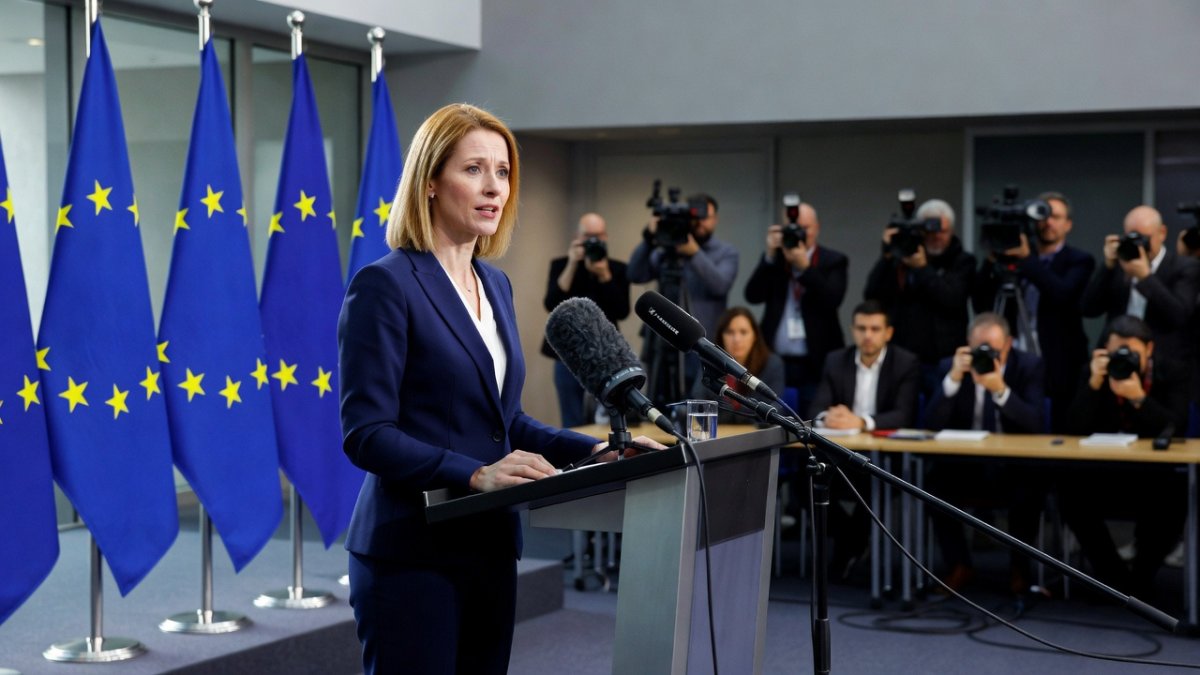
EU foreign policy chief Kaja Kallas described the measures as striking at networks fueling hybrid attacks against Europe. From the Kremlin's perspective, such sanctions represent external interference in sovereign judicial functions, though Russian officials have not issued detailed public rebuttals in this round. Analysts note that repeated sanctions on law enforcement leaders since 2014 have produced limited immediate behavioral change but have gradually isolated key figures from international financial systems. The inclusion of Gutsan extends this pattern, focusing on the institutional core responsible for translating political will into prosecutorial action across the Russian Federation.
Metropolitan Tikhon: Weaving Faith Into Kremlin Power Structures
Metropolitan Tikhon of Simferopol and Crimea appears in the EU sanctions list for his reported alignment with state policies on Ukraine. Often described in media reports as President Vladimir Putin's personal confessor, Tikhon occupies a distinctive position within Russian power structures where the Russian Orthodox Church intersects with political authority. The Church has maintained close institutional ties to the Kremlin, providing ideological framing that supports official narratives on national unity and historical claims in regions such as Crimea.
This relationship influences religious diplomacy, particularly in efforts to project Russian positions within Orthodox communities abroad. Tikhon's role in Simferopol places him at the center of ecclesiastical administration in annexed territory, where state and Church activities frequently overlap in public messaging. The EU action targets this overlap, viewing it as part of broader efforts to legitimize territorial changes.
Kremlin-aligned commentators typically present the Church's involvement as a natural expression of cultural continuity rather than political coordination. European officials counter that such figures contribute to the information environment sustaining the conflict. Independent analysts observe that sanctions on religious leaders remain relatively rare, suggesting the EU views Tikhon's influence as extending beyond purely spiritual matters into the consolidation of domestic support for foreign policy decisions. The measure adds another layer to pressure on networks that blend spiritual authority with state objectives.
Judicial and Security Apparatus Under Scrutiny
Russian Supreme Court Justice Oleg Nefedov and several FSB security service officers were sanctioned for alleged involvement in the persecution, poisoning, and death of Alexei Navalny. The Supreme Court has long served as the final appellate body in politically sensitive cases, often upholding lower court decisions that align with prosecutorial priorities set by the executive branch. Its rulings in matters involving opposition figures establish precedents that reinforce the Kremlin's control over legal outcomes.
The FSB officers named in the package operated within structures responsible for surveillance and counter-extremism operations, functions that have expanded since 2014 to address perceived threats from domestic critics. The 2018 poisonings established an earlier pattern of targeting individuals viewed as security risks, with subsequent investigations frequently concluding without independent verification. EU sanctions aim to hold specific actors accountable within this chain of command.
From the Russian government's standpoint, these officials perform legitimate duties in protecting state interests against external and internal challenges. European statements emphasize the need to address impunity in cases involving opposition figures. Analysts tracking Russian security structures note that sanctions on mid-level FSB personnel and judicial figures seek to complicate internal promotions and international travel, though the opaque nature of these agencies limits observable effects. The package continues a focus on the apparatus that manages political cases at every stage from investigation through final judgment.
Shadow Fleet Operations Face Mounting Pressure
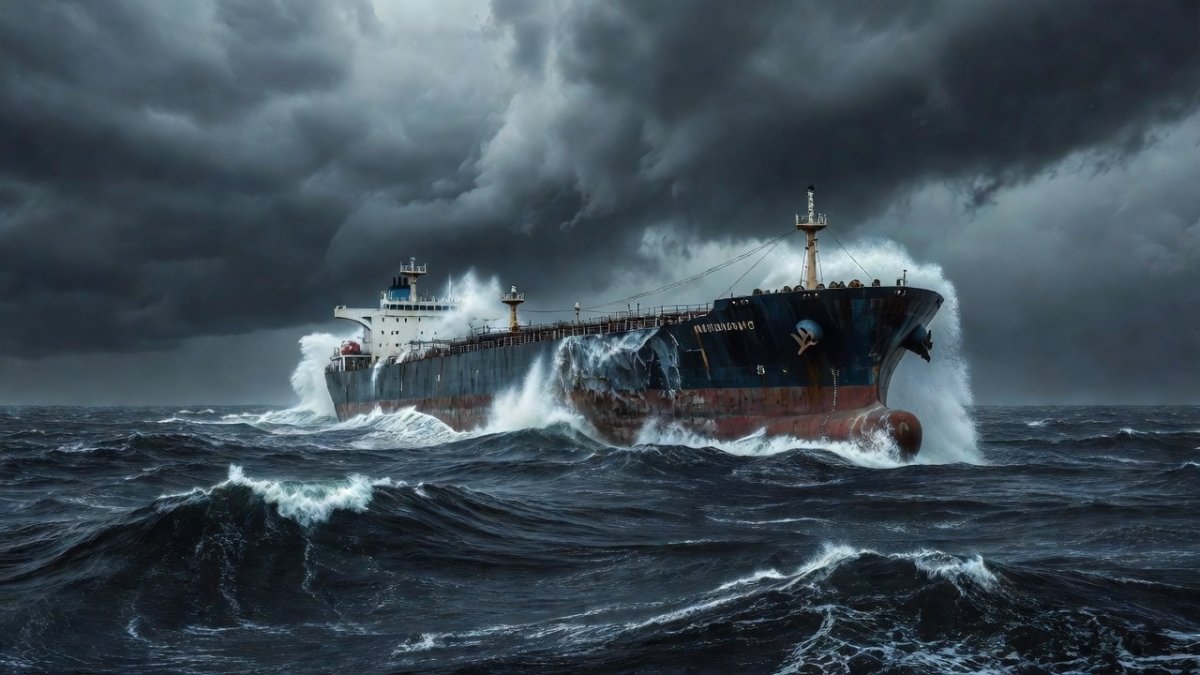
The EU sanctioned two individuals and 24 entities operating across Russia, Turkey, the United Arab Emirates, Hong Kong, Liberia, and Azerbaijan for participation in Moscow's sanctions-evading shadow fleet. The Lukoil-Western Siberia production branch was included among the maritime listings. These designations target the logistical networks that transport Russian crude oil beyond formal price caps, sustaining export revenues despite earlier restrictions.
The shadow fleet functions through layered ownership structures, flag changes, and ship-to-ship transfers that obscure the origin and destination of cargoes. Entities in multiple jurisdictions facilitate insurance, crewing, and port access, allowing continued sales to buyers willing to circumvent Western limits. The inclusion of Lukoil-Western Siberia connects upstream production directly to these downstream evasion routes.
EU statements highlight the cumulative cost to Kremlin finances from such measures. Russian authorities maintain that energy exports represent sovereign economic activity and reject external attempts to dictate terms. Industry analysts estimate that shadow fleet operations have preserved significant portions of pre-2022 revenue streams, though rising insurance and operational expenses have reduced margins. The latest sanctions expand geographic reach to additional transit hubs, aiming to raise the overall friction and expense of maintaining these parallel shipping channels.
Defense Manufacturing and Surveillance Technology in the Crosshairs
Russian drone and military equipment manufacturers, along with IPJSC NTK and a Chinese lubricant additive supplier, were sanctioned for supplying systems used in the conflict and for domestic surveillance. IPJSC NTK provided facial recognition technology deployed to monitor and detain anti-war activists and Navalny supporters in Moscow. These tools integrate with existing security infrastructure to identify and track individuals at scale.
The defense sector entities produce components that sustain military operations, while the lubricant supplier supports maintenance of equipment under sanctions pressure. Disruption of these supply chains forms a core objective of the package, extending beyond finished weapons to supporting technologies and materials.
Kremlin perspectives frame such companies as essential contributors to national defense capabilities. EU officials describe the sanctions as degrading the military-industrial base over time. Analysts focused on Russian procurement note that import substitution efforts have accelerated since 2014, yet dependencies on foreign additives and specialized components persist. Targeting both domestic producers and external suppliers seeks to compound delays and cost increases across the production cycle.
Cultural Front: Sanctioning the Narrative Machine
Ten individuals and Russia's Presidential Foundation for Cultural Initiatives were sanctioned for activities described by the EU as justifying, promoting, or legitimizing the full-scale invasion of Ukraine. The Foundation channels state resources into cultural projects that align with official historical interpretations and foreign policy positions. Its work forms part of a wider infrastructure that includes state media outlets and educational programs designed to shape domestic and international perceptions.
By designating the Foundation and associated individuals, the EU targets mechanisms that translate political directives into cultural output. This approach recognizes the role of narrative control in sustaining public support for prolonged conflict. Russian officials typically present these initiatives as preservation of national heritage rather than coordinated propaganda efforts.
Independent observers point out that cultural funding structures have grown more centralized since 2014, with increased emphasis on themes of historical continuity and external threats. The sanctions add financial and reputational pressure to this sector, complementing measures against security and economic networks. European statements indicate that future packages may further address institutions involved in information operations.
Broader Economic Toll and the Road to a 21st Package
Kaja Kallas stated that Western sanctions have collectively cost Russia up to 1.3 trillion euros, asserting that allied measures are collapsing the foundations of the war economy. The current package builds on prior rounds by expanding coverage across judicial, security, maritime, defense, and cultural domains. EU member states are already preparing a 21st sanctions package that is expected to address remaining gaps in enforcement and target additional sectors.
The cumulative impact includes restricted access to technology, higher costs for parallel import schemes, and isolation of key personnel. Russian economic planning has adapted through redirection of trade toward Asia and development of domestic alternatives, though growth rates remain below pre-2022 levels according to various estimates. Kremlin statements continue to emphasize resilience and the limited long-term effectiveness of external pressure.
Analysts examining EU-Russia relations anticipate that the 21st package will focus on enforcement mechanisms and secondary sanctions to close loopholes identified in earlier measures. The trajectory suggests sustained pressure on core power structures rather than rapid diplomatic resolution. Both sides maintain sharply divergent assessments of the sanctions' overall effectiveness and the appropriate path forward.
By Irina Volkov, Staff WriterThis article was produced with AI-assisted research and editorial support. Reporting is based on sources cited in the article.
What's Your Reaction?
 Like
0
Like
0
 Dislike
0
Dislike
0
 Love
0
Love
0
 Funny
0
Funny
0
 Wow
0
Wow
0
 Sad
0
Sad
0
 Angry
0
Angry
0
Russia/Eastern Europe Correspondent at Global1.News. Covering Russian politics, energy, security, and the shifting dynamics of the post-Soviet space. Provides clear-eyed analysis on one of the world's most opaque regions.











Comments (0)