
New Talents Grace Congo's Fashion Cult — A Renaissance in Kinshasa
For generations, the streets of Kinshasa and Brazzaville have been runways unto themselves — where the sapeur's strut is as studied as any Paris catwalk, and where elegance is not a hobby but a calling. Today, a new wave of Congolese fashion talents is rising, blending the legendary traditions of La Sape with contemporary design, sustainable practices, and a distinctly African
For generations, the streets of Kinshasa and Brazzaville have been runways unto themselves — where the sapeur's strut is as studied as any Paris catwalk, and where elegance is not a hobby but a calling. Today, a new wave of Congolese fashion talents is rising, blending the legendary traditions of La Sape with contemporary design, sustainable practices, and a distinctly African vision for the future of style. africanews recently spotlighted this creative renaissance in a Culture on The Morning Call segment, showcasing how young designers and artisans are reshaping the continent's fashion landscape from the heart of Central Africa.
New Talents Grace Congo's Fashion Cult — A Renaissance in Kinshasa
Dakar, Senegal —
La Sape: The Foundation of Congolese Elegance
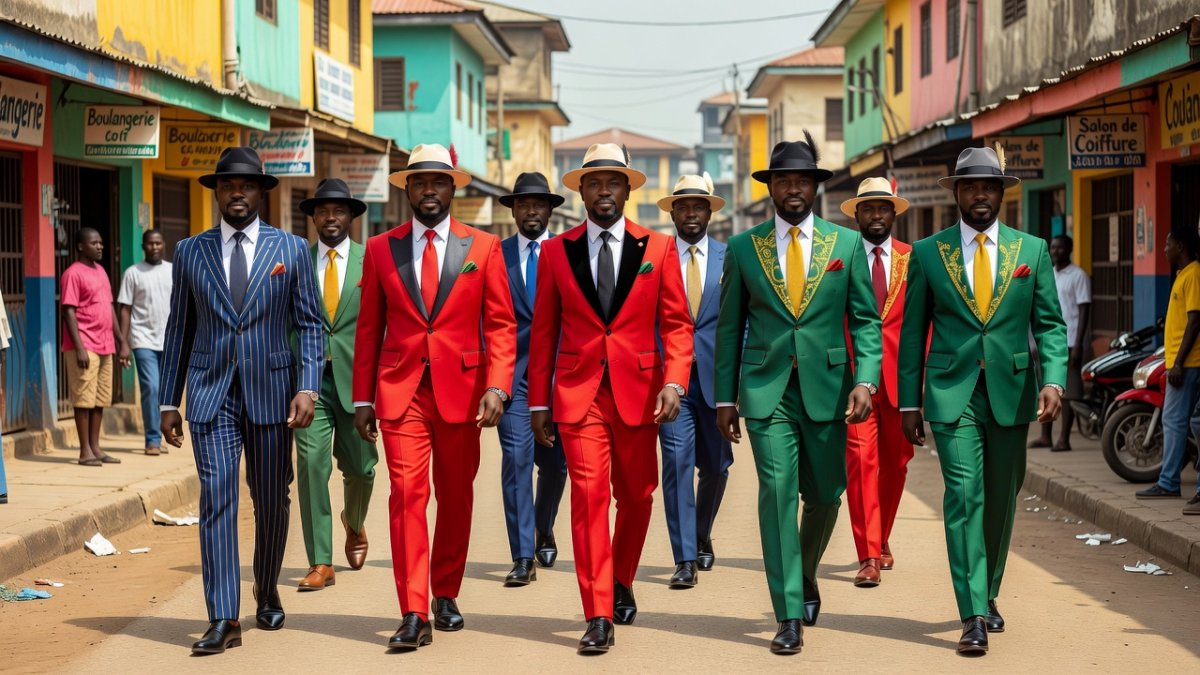
La Sape, short for Société des Ambianceurs et des Personnes Élégantes, traces its roots to the 1920s in colonial Congo. What began as a subtle form of self-expression under European rule has grown into a vibrant cultural movement that continues to define Congolese identity. Young men and women in Kinshasa and Brazzaville still invest deeply in tailored suits, polished shoes, and bold accessories, turning everyday streets into living catwalks.
Sapeurs are known as ambianceurs, masters of atmosphere and elegance who use fashion as performance, identity, and social resistance. Their non-violent expression challenges economic hardship through creativity and dignity. The culture celebrates meticulous grooming and confident posture, turning clothing into statements of resilience that resonate far beyond Central Africa.
Iconic figures such as Rapha Bounzeki embody the movement's enduring spirit. National Sape day celebrations bring communities together in colorful processions that honor this heritage. The deep connection to Congolese Rumba, inscribed on UNESCO's Representative List of Intangible Cultural Heritage, adds musical rhythm to the visual spectacle, linking fashion and sound in joyful harmony.
Over time Sape has evolved from simply acquiring European luxury items to creating original Congolese design. Young creators now blend classic tailoring with local fabrics and motifs. The Nuit de la Sape events at Pullman Kinshasa hotel showcase these contemporary expressions, drawing crowds eager to witness how tradition meets innovation on the runway.
These gatherings highlight a living tradition that refuses to stand still. Elders pass knowledge to new generations while designers experiment with silhouettes that speak to both past and present. The result is a fashion culture that remains rooted yet forward-looking, inspiring pride across the diaspora.
IRMA: A Free Fashion School Nurturing Central African Talent
IRMA, the Institut Régional de la Mode en Afrique, opened in Kinshasa in May 2025. This free fashion school offers accessible training to young people who might otherwise lack formal opportunities. Its model removes financial barriers and welcomes students from across the region, creating an alternative education path that values practical skill over credentials.
Students focus on design, creation, tailoring, and trend analysis through hands-on workshops. The curriculum emphasizes both technical mastery and creative storytelling, preparing graduates to launch their own lines or join established ateliers. TV5MONDE has reported widely on this free training model, noting its potential to transform lives in underserved communities.
In June 2026 IRMA hosted a film screening of La Casa at the Institut Français de Kinshasa. The event sparked lively discussions on fashion as emancipation, with Nadine Gonzalez leading post-screening conversations about how clothing can become a tool for personal and collective freedom. Participants explored themes of identity, gender, and economic independence.
Partnerships with French cultural institutes strengthen IRMA's reach while keeping the focus firmly on African perspectives. The school positions itself as a regional hub for Central African fashion talent, drawing students from the DRC, Cameroon, and the Republic of Congo. Shared classrooms foster cross-border friendships and collaborative projects that extend beyond graduation.
Graduates leave with portfolios, networks, and confidence to shape the industry. Many return to their home countries to open small studios or teach others, multiplying the school's impact. IRMA stands as proof that quality fashion education can thrive when made truly accessible.
Kuba Cloth and the Reinvention of Congolese Textiles
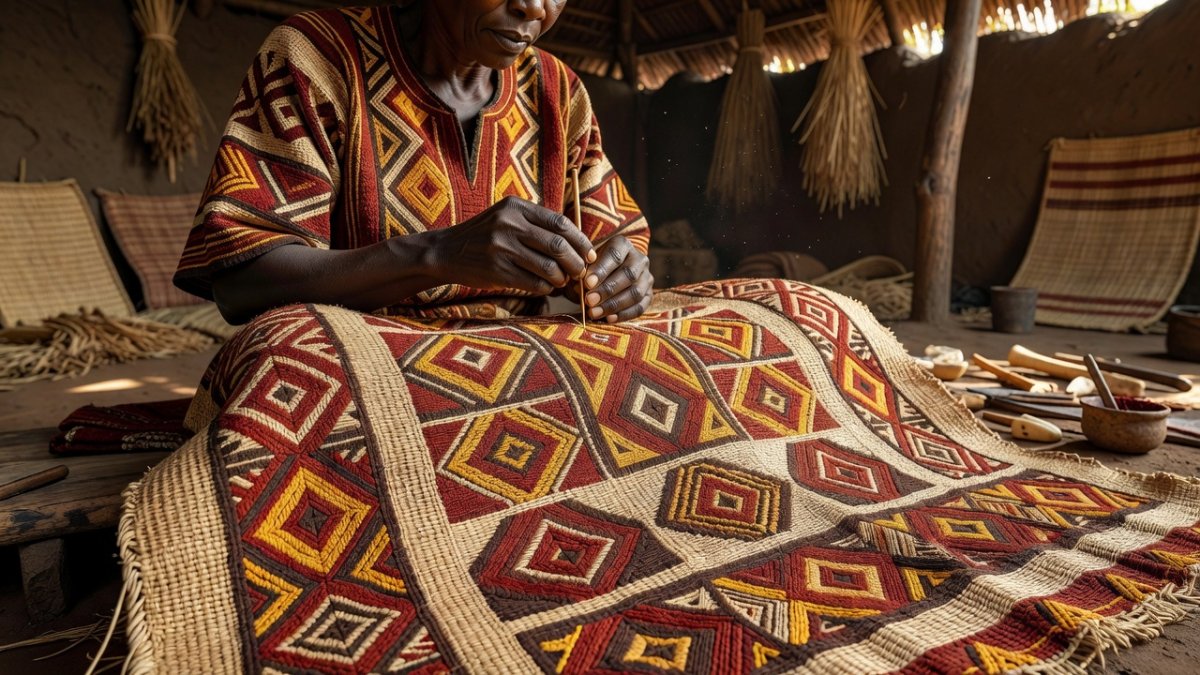
Kuba cloth is handwoven from raffia by the Kuba people in the DRC's Kasai region. Artisans employ intricate embroidery, appliqué, and cut-pile techniques that produce velvet-like textures rich with geometric patterns. Each piece carries symbolic meaning and remains one-of-a-kind, reflecting the weaver's personal touch and cultural knowledge.
Historically these textiles served ceremonial skirts, royal regalia, and burial cloths. In the Kasai region Kuba cloth even functioned as a form of currency, underscoring its deep economic and spiritual value. The patterns encode stories of lineage, status, and cosmology that have been passed down for generations.
Contemporary designers now incorporate Kuba into modern silhouettes such as tailored jackets, asymmetrical dresses, and striking accessories. The bold geometry translates beautifully to urban fashion, giving new life to ancient techniques. Dakar-based curators at @cote_dakar on X have been sourcing authentic Kuba pieces arriving in Dakar in 2026, connecting Congolese heritage with Senegalese audiences.
This revival runs parallel to Senegal's own textile traditions like bazin and tissu wax. Both nations celebrate handcrafted heritage while adapting it for global markets. The exchange enriches creative conversations across West and Central Africa, reminding designers that local materials carry powerful narratives.
Young creators experiment with dyeing, cutting, and combining Kuba with other fabrics to produce sustainable collections. The result honors ancestral skill while meeting modern demands for ethical fashion. Kuba cloth thus moves from ceremonial object to wearable art that travels the world.
Kinshasa Fashion Week and the Regional Stage
Africa Fashion Week Kinshasa and similar events serve as vital launchpads for emerging designers. These platforms allow young talents to present collections to local and international buyers, building careers from the ground up. The energy of Kinshasa's creative scene pulses through every showcase.
Gabonese designer Christ Obame is expected to participate in upcoming editions, highlighting growing regional collaboration. Cross-border participation strengthens ties between Central African fashion communities and broadens the audience for each designer's work.
The Kin Kiese, ville créative exhibition toured from Benin to France and Burkina Faso before reaching Kinshasa. It celebrates urban creativity and positions the city as a dynamic cultural center. Visitors encounter installations that blend fashion, design, and everyday life in fresh ways.
Kinshasa Design Week, known as KINSWE, further spotlights Congolese creative genius through workshops, exhibitions, and runway shows. These events position Kinshasa alongside Lagos, Dakar, Nairobi, and Accra as a true fashion capital. The city's vibrant streets and historic ateliers provide endless inspiration.
Regional collaboration continues to expand as designers share resources and ideas across borders. The result is a more interconnected African fashion ecosystem that values both local roots and continental dialogue.
Anifa Mvuemba, Hanifa, and the Digital Fashion Revolution
Anifa Mvuemba, a designer of Congolese heritage, founded Hanifa and pioneered 3D digital fashion shows that went viral globally. Her innovative approach allowed audiences worldwide to experience collections without physical travel, opening new possibilities during challenging times.
Congolese diaspora designers like Mvuemba amplify Central African aesthetics on the world stage. Their work brings visibility to patterns, colors, and silhouettes rooted in Kinshasa and beyond, challenging narrow perceptions of African fashion.
The intersection of technology, sustainability, and African heritage defines much of this contemporary wave. Digital tools reduce waste while preserving cultural motifs in fresh formats. Both traditional Kinshasa-based tailors and digital innovators contribute essential paths forward.
Local ateliers continue to thrive alongside these global experiments. Artisans skilled in hand-stitching and embroidery provide the foundation that digital creators often reference. The two worlds enrich each other rather than compete.
Congolese fashion now appears regularly in international markets and editorial shoots. This growing presence signals a broader recognition of the creativity flowing from Central Africa and the diaspora alike.
What to Watch For
Upcoming IRMA graduations promise fresh student showcases that will introduce new voices to the scene. These events often reveal emerging aesthetics that blend classroom learning with street inspiration from Kinshasa neighborhoods.
The evolution of Sape from subculture to recognized creative industry continues to gain momentum. Official recognition and tourism interest are helping transform passion into sustainable livelihoods for many practitioners.
Congolese textiles like Kuba cloth are gaining traction in global sustainable fashion conversations. Designers and brands increasingly seek authentic, traceable materials that carry cultural stories while meeting environmental standards.
Young Kinshasa-based entrepreneurs are building local brands with determination. Dieumerci BATOMENE runs EL-CONFORT Style boutique in the Huilerie area, offering tailored pieces that reflect both classic Sape values and modern needs. Such ventures strengthen the city's fashion ecosystem from within.
Central African fashion fits into the broader $15.5 billion African fashion industry with growing confidence. Upcoming fashion weeks, exhibitions, and cultural events will continue to highlight this momentum. Social media plays a key role through Kuba cloth hashtags, sapeur content creators, and digital showcases that connect local talent to worldwide audiences.
From the streets of Kinshasa to the runways of the world, Congolese fashion is telling its own story — one of resilience, elegance, and unbounded creativity. As these new talents take their place on the continent's cultural stage, they carry forward a tradition that has always known that style is not just what you wear, but who you are.
By Amara Diop, Staff Writer
This article was produced with AI-assisted research and editorial support. Reporting is based on sources cited in the article.
What's Your Reaction?
 Like
0
Like
0
 Dislike
0
Dislike
0
 Love
0
Love
0
 Funny
0
Funny
0
 Wow
0
Wow
0
 Sad
0
Sad
0
 Angry
0
Angry
0

West Africa/Sahel Correspondent at Global1.News. Dakar-based journalist covering politics, security, climate, and development across Francophone and Anglophone West Africa. Tells the stories of a region undergoing profound transformation.














Comments (0)