
Mindanao Earthquake: 61 Dead, 173000 Families Affected — NDRRMC
The Powerful Shake That Rocked Mindanao This Week The ground trembled violently across parts of Mindanao when a magnitude 7.8 earthquake struck the region this week. Families in barangays from Region 12 and Region 11 felt the earth move beneath their homes and sari-sari stores as the shaking lasted for what seemed like minutes. Neighbors rushed outside in the dark to check on o
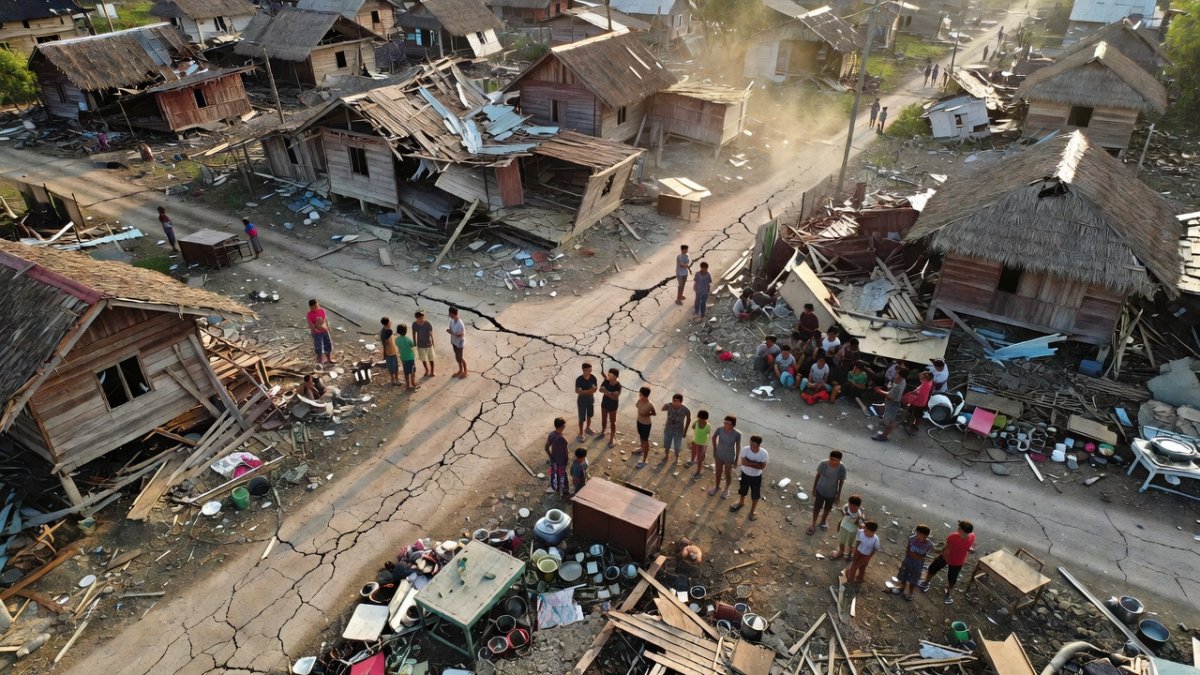
The Powerful Shake That Rocked Mindanao This Week
The ground trembled violently across parts of Mindanao when a magnitude 7.8 earthquake struck the region this week. Families in barangays from Region 12 and Region 11 felt the earth move beneath their homes and sari-sari stores as the shaking lasted for what seemed like minutes. Neighbors rushed outside in the dark to check on one another while jeepneys sat abandoned along cracked roads. The event left communities in shock as reports began to flow in from affected areas.
Local residents described the sudden jolt that came without much warning and sent everyone scrambling for safety. In the hours that followed the main shock families gathered in open spaces near their homes to avoid falling debris. The NDRRMC quickly started collecting data from the field to understand the full reach of the disaster. This initial response helped paint a clearer picture of how widespread the impact had become across multiple provinces.
By the middle of the week updates from the ground showed that the earthquake had touched lives in both urban centers and rural barangays. People shared stories of how they comforted children and elders during the aftershocks that continued to rattle nerves. The focus quickly turned to counting those who needed immediate help and locating those still unaccounted for. Communities began to lean on each other in the classic spirit of bayanihan even before official teams arrived in full force.
As details emerged it became clear that the disaster would require a long period of recovery for everyone involved. Families who had just finished their evening meals found themselves standing outside with only the clothes on their backs. The NDRRMC coordinated with local officials to set up initial assessment teams that moved from one municipality to the next. This early work laid the foundation for the larger relief operations that would follow in the days ahead.
The Human Toll Felt by Families in Two Regions
The latest figures from the NDRRMC show 61 people lost their lives in the earthquake with 54 deaths recorded in Region 12 also known as SOCCSKSARGEN and 7 deaths in Region 11 the Davao Region. These numbers represent real families who are now grieving the sudden absence of loved ones in their daily lives. At the same time 11,403 individuals suffered injuries that range from minor cuts to more serious conditions requiring medical attention. Another 40 people remain missing which keeps many households in a state of anxious waiting.
Across the affected areas the human cost extends far beyond the initial count of casualties. In Region 12 alone the loss of 54 lives has left entire extended families searching for ways to support one another through the mourning process. The 7 deaths in the Davao Region add another layer of sorrow to communities that were already dealing with the physical damage around them. Injured residents are being cared for in local facilities while relatives stay close to offer comfort during treatment.
The 40 missing persons have created a heavy burden for kapitbahay who continue to ask about neighbors and friends who have not yet been located. Families in the barangays are sharing whatever information they have in hopes of bringing some closure to those still searching. The total of 11,403 injured means that many households now have members who cannot return to their usual work or chores right away. This situation forces others in the family to take on extra responsibilities while recovery efforts continue.
These numbers tell the story of ordinary Filipinos whose lives changed in an instant when the earthquake hit. The NDRRMC continues to update the figures as more assessments come in from the field teams. In the meantime communities are coming together to support the injured and comfort those who have lost family members. The focus remains on ensuring that every affected household receives the attention it needs during this difficult period.
Homes Damaged and Families Displaced Across the Region
The earthquake left 173,000 families or roughly 724,000 individuals dealing with the effects of damaged or destroyed homes. Out of 54,000 houses that were affected 9,900 were totally damaged while 44,100 suffered partial damage. This level of destruction means that many families are now staying with relatives or in temporary shelters set up in open areas near their barangays. The loss of a home hits especially hard for families who rely on their sari-sari stores or small businesses attached to their houses.
Ordinary Filipinos in these communities now face the challenge of rebuilding while also caring for children and elderly relatives. The 173,000 families represent households that once gathered around dinner tables that are now gone or unsafe to use. With 9,900 homes completely destroyed some families have nothing left to return to and must start from scratch in finding new shelter. The 44,100 partially damaged houses still require repairs that many families cannot afford on their own at this time.
Displacement has forced people to leave their familiar neighborhoods and seek help from nearby LGUs that have opened evacuation centers. Kapitbahay are sharing space and resources in the spirit of bayanihan to make sure no one sleeps outside without protection. The scale of 724,000 individuals affected shows how one earthquake can touch an entire generation of families in Mindanao. Daily routines that once centered around local jeepney routes and community gatherings have been completely upended.
Many families are now depending on assistance to meet basic needs while they figure out long-term housing solutions. The damage to homes also affects access to clean water and electricity in the hardest hit areas. Communities are working together to clear debris from partially damaged houses so that some residents can return sooner. This collective effort helps ease the burden on individual households during the early stages of recovery.
Infrastructure Losses and the Cost to Local Economies
The earthquake caused P1 billion in infrastructure destruction and damaged 725 facilities across the affected regions. These facilities include roads bridges schools and health centers that serve thousands of residents every day. The total damage figure reflects the heavy burden placed on local economies that were already operating on tight budgets. Thirteen municipalities and cities have been placed under a state of calamity to allow faster access to emergency funds and resources.
With 725 infrastructure facilities affected daily life has slowed down in many barangays where people depend on these structures for work and travel. The P1 billion in losses means that repairs will take time and coordination among multiple agencies. Local economies feel the strain as jeepney drivers and small business owners cannot operate normally while roads remain blocked or unsafe. The state of calamity declarations in 13 areas give LGUs more flexibility to direct resources where they are needed most.
Damaged facilities also impact the delivery of basic services such as medical care and education for children in the region. Families who once visited nearby centers for checkups or classes now have to travel farther or wait for temporary setups. The economic impact reaches beyond the initial P1 billion because lost workdays add up quickly for households already stretched thin. Coordination between the NDRRMC and other offices helps track these losses and plan for restoration work.
Communities are feeling the ripple effects as markets and transportation routes stay disrupted in the days following the quake. The 725 damaged facilities represent places where neighbors once met and supported one another through regular interactions. Recovery will require careful planning to restore these connections and get local economies moving again. The state of calamity status helps speed up decisions that can bring relief to affected families sooner.
Agencies Working Together to Deliver Assistance
The NDRRMC has reported that P67.6 million in total assistance has already been provided to families in need. This support comes through coordinated efforts involving the DSWD DPWH OCD and various LGUs that are on the ground every day. The agencies work side by side to distribute food water and other essentials to the 173,000 affected families. Their combined presence helps ensure that help reaches even the most remote barangays in Region 11 and Region 12.
The DSWD focuses on providing immediate relief goods while the DPWH assesses and clears damaged roads and bridges. The OCD serves as the central point for organizing these activities and keeping track of progress across all sectors. LGUs play a key role by identifying the specific needs of their communities and relaying that information upward. Together these groups have managed to deliver P67.6 million worth of aid in a relatively short period since the earthquake struck.
Daily coordination meetings allow the agencies to adjust their plans based on the latest field reports. Families in evacuation centers receive regular visits from teams that check on health and nutrition needs. The NDRRMC continues to monitor the overall situation and update the public on how the assistance is being used. This steady flow of support helps maintain hope among residents who are still dealing with the aftermath of the disaster.
The involvement of multiple agencies ensures that no single aspect of recovery is overlooked during these critical weeks. From medical supplies to temporary shelter materials the aid package addresses both short-term survival and longer-term stability. LGUs work closely with national offices to avoid duplication and make every peso count. The result is a more organized response that brings comfort to families still adjusting to their changed circumstances.
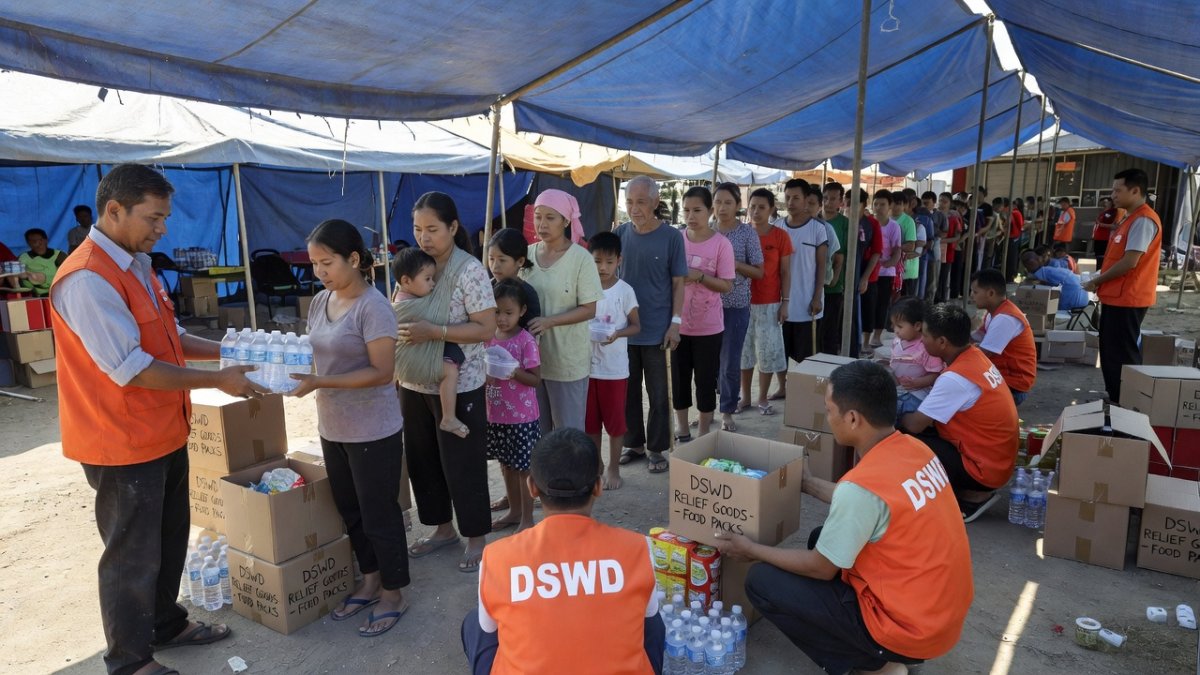
Bayanihan in Action Among Kapitbahay and Volunteers
In the spirit of bayanihan neighbors have stepped up to help one another clear debris and share whatever food they have on hand. Kapitbahay from unaffected areas have traveled to the hardest hit barangays to lend a hand with cooking and childcare. These small acts of kindness add up and remind families that they are not facing the recovery alone. The earthquake has brought out the best in many communities where people naturally look out for each other.
Volunteers have organized themselves into groups that distribute water and check on elderly residents who may need extra assistance. Sari-sari store owners who still have supplies are offering them at reduced prices or even for free to those in need. Jeepney drivers have used their vehicles to transport injured individuals to medical posts when official ambulances were stretched thin. This grassroots level of support fills gaps while larger agency operations get fully underway.
Community leaders in the affected municipalities have called on residents to continue practicing bayanihan as the weeks progress. Families who lost homes are being welcomed into the homes of relatives and friends until more permanent solutions can be found. The shared experience of the magnitude 7.8 earthquake has strengthened bonds between neighbors who now understand the importance of standing together. These efforts create a sense of unity that helps ease the emotional weight of the disaster.
Young people in the barangays have taken the lead in organizing cleanup drives and entertainment for children in evacuation centers. Their energy brings a bit of normalcy back to days that otherwise feel uncertain. The ongoing acts of volunteerism show that the heart of Filipino community life remains strong even after such a powerful event. This collective spirit will continue to play a vital role in the months of rebuilding that lie ahead.
Paths Forward and Ways to Extend a Helping Hand
Recovery will take time but the combined efforts of families agencies and volunteers point toward a hopeful future for Mindanao. The NDRRMC and its partners continue to assess needs so that assistance can be directed where it will do the most good. Families are encouraged to stay connected with their LGUs to receive updates on housing and livelihood support programs. This ongoing coordination helps ensure that no one is left behind as the region moves toward stability.
Readers who wish to help can contribute through established channels managed by the DSWD and other recognized organizations. Donations of cash or goods can make a real difference for the 173,000 families still dealing with displacement. Local groups are also accepting volunteer time for tasks such as sorting relief items or assisting with community cleanups. Every contribution adds to the larger effort of restoring normal life in the affected areas.
The path forward includes repairing the 725 damaged facilities and rebuilding the 9,900 totally destroyed homes. Communities will need sustained support to get back on their feet and return to their daily routines. The spirit of bayanihan that has already emerged will remain an important part of this journey. By working together residents and agencies can create stronger and more resilient barangays for the future.
As the weeks pass the focus will shift from immediate relief to long-term development that prevents similar suffering in future events. Families are already sharing ideas on how to strengthen their homes and support networks. The NDRRMC will keep the public informed about progress and any additional needs that arise. This shared commitment to recovery brings comfort and direction to everyone touched by the earthquake. By Bella Reyes, Staff Writer
This article was produced with AI-assisted research and editorial support. Reporting is based on sources cited in the article.
What's Your Reaction?
 Like
0
Like
0
 Dislike
0
Dislike
0
 Love
0
Love
0
 Funny
0
Funny
0
 Wow
0
Wow
0
 Sad
0
Sad
0
 Angry
0
Angry
0

Philippines/Southeast Asia Correspondent at Global1.News. Manila-based journalist covering Philippine politics, environment, maritime security, and social issues. Passionate about marine conservation and the communities protecting the Philippines' natural heritage.











Comments (0)