
Chimamanda Ngozi Adichie: Voice of Nigerian Literature
Chimamanda Ngozi Adichie as a Voice of Nigerian Literature Chimamanda Ngozi Adichie stands as one of Nigeria's most respected literary figures. Her novels have captured the complexities of identity, history, and belonging in ways that resonate across continents. Works such as Half of a Yellow Sun from 2006 and Americanah from 2013 have earned widespread acclaim for their depth
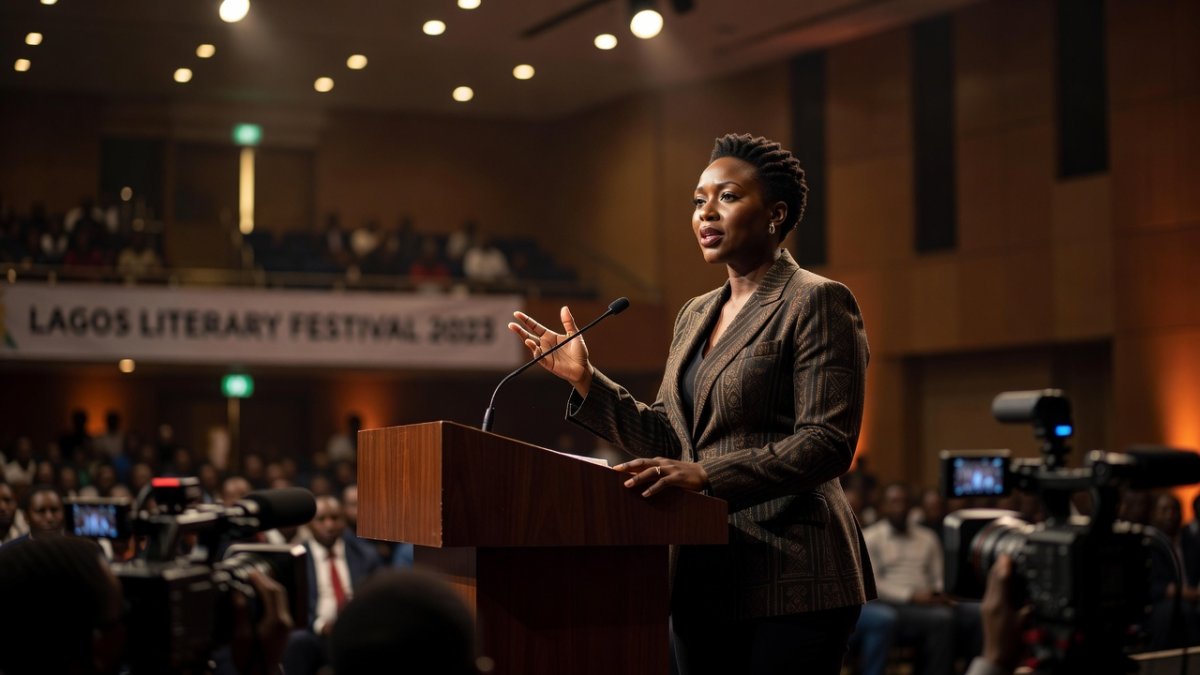
Chimamanda Ngozi Adichie as a Voice of Nigerian Literature
Chimamanda Ngozi Adichie stands as one of Nigeria's most respected literary figures. Her novels have captured the complexities of identity, history, and belonging in ways that resonate across continents. Works such as Half of a Yellow Sun from 2006 and Americanah from 2013 have earned widespread acclaim for their depth and clarity. These stories draw from Nigerian experiences while speaking to universal themes of family, migration, and resilience.
Readers in Africa and beyond find in her writing a reflection of everyday realities. Her prose often highlights the quiet strength found in ordinary lives amid larger social shifts. This grounding in cultural detail has helped establish her as a storyteller who bridges local and global audiences without losing authenticity.
Her Place in Global Conversations
Adichie has extended her influence beyond the page by engaging with international leaders. She has hosted panels featuring figures such as former US Vice-President Kamala Harris during the promotion of her autobiography and former German Chancellor Angela Merkel. These appearances show her ability to facilitate discussions on leadership, policy, and human experience.
Her presence in such settings underscores the growing role of African voices in worldwide dialogues. By participating in these exchanges, she brings perspectives shaped by Nigerian life to audiences unfamiliar with the continent's nuances. This work complements her fiction by demonstrating how cultural figures can shape public understanding.
Life Between Nigeria and the United States
Adichie maintains strong ties to both Nigeria and the United States, where she resides. She was in Nigeria during the Christmas holidays when events unfolded that would later draw public attention. This dual connection allows her to observe and comment on developments in her homeland from a position informed by time abroad.
Her experiences reflect those of many Nigerians who navigate life across borders. Such movement often brings fresh insights into issues like governance and public services back home. Her recent actions illustrate how personal circumstances can intersect with these broader observations.
The Loss of Her Son Nkanu
In January 2026, Adichie faced the sudden death of her 21-month-old son Nkanu at Euracare hospital in Lagos. Nkanu was one of twin boys born in 2024 through a surrogate. The toddler had first been admitted to Atlantis Hospital with a worsening but mild illness before plans were made to transfer him to Johns Hopkins Hospital in Baltimore for further care.
He was referred to Euracare for pre-flight diagnostic tests including an MRI and a spinal tap. Nkanu died on 7 January after undergoing these procedures. The family has described the period since as one marked by profound grief and a search for clarity around the circumstances of his passing.
Questions Raised About Medical Care
Adichie and her family have pointed to specific concerns regarding the care provided at Euracare. They allege that medical staff denied Nkanu oxygen and administered excessive sedation, leading to cardiac arrest. The hospital recorded the cause of death as bacterial meningitis, yet Adichie has stated there was no medical evidence to support this claim on the death certificate.
Additional issues include the provision of incomplete medical records, one of which she described as inaccurate. These details emerged in a letter she sent to the hospital director in April and later shared publicly on social media. The letter marked her first public statement on the matter since the death.
Efforts to Seek Accountability Through Investigation
An investigation panel established by the Medical and Dental Council of Nigeria previously identified a possible case of medical negligence at the hospital. A coronial inquest into the death had been scheduled to begin in April. Adichie has accused Euracare of stalling, muddying, and obfuscating the process, ultimately requesting that Nigeria's Federal High Court block the inquiry.
In her public letter, she questioned the hospital's commitment to truth by asking why it would create delays and distractions only to attempt stopping the inquest. She expressed a desire for peace to mourn, noting that the hospital had robbed her even of that. The BBC approached Euracare for comment on these developments.
The Hospital's Response and Ongoing Legal Steps
Euracare has expressed its deepest sympathies regarding Nkanu's death while denying any wrongdoing. The hospital maintains that the care provided met international standards. Adichie's legal team has submitted details to the court outlining the sequence of events from Atlantis Hospital through the transfer referral and the tests at Euracare.
These submissions highlight the family's pursuit of a full examination of the circumstances. The contrast between the family's account and the hospital's position illustrates the challenges families face when seeking answers in such cases. Adichie's decision to share her letter publicly reflects a determination to keep the matter visible.
Cultural Figures and Demands for Justice in Nigeria
Adichie's actions connect to a wider pattern in which prominent African cultural figures address issues of public accountability. Her focus on the inquest process brings attention to healthcare standards in Nigeria. Many families encounter similar difficulties when navigating medical systems, yet few have the platform to raise these concerns at a national level.
By linking her personal loss to calls for transparency, she contributes to conversations about institutional responsibility. Her literary background lends weight to these efforts, showing how writers can influence public discourse on practical matters affecting daily life. This approach resonates with audiences familiar with the value placed on truth-telling in Nigerian society.
Looking Ahead After Personal and Public Challenges
The events surrounding Nkanu's death have placed Adichie in a position where her private grief intersects with public advocacy. Her statements emphasize the isolation of loss while insisting on the need for clear answers. This stance aligns with her established role as someone who examines difficult realities through both fiction and direct engagement.
As the legal process continues, her case may encourage further examination of how hospitals handle inquiries and record-keeping. For readers across Africa, her experience offers a reminder of the importance of accessible and accountable healthcare systems. Her voice remains a steady presence in discussions that matter to communities at home and abroad.
By Amara Diop, Staff WriterThis article was produced with AI-assisted research and editorial support. Reporting is based on sources cited in the article.
What's Your Reaction?
 Like
0
Like
0
 Dislike
0
Dislike
0
 Love
0
Love
0
 Funny
0
Funny
0
 Wow
0
Wow
0
 Sad
0
Sad
0
 Angry
0
Angry
0

West Africa/Sahel Correspondent at Global1.News. Dakar-based journalist covering politics, security, climate, and development across Francophone and Anglophone West Africa. Tells the stories of a region undergoing profound transformation.














Comments (0)