
Mindanao Earthquake: 45 Dead, 487 Injured as Magnitude 7.8 Quake Strikes Sarangani
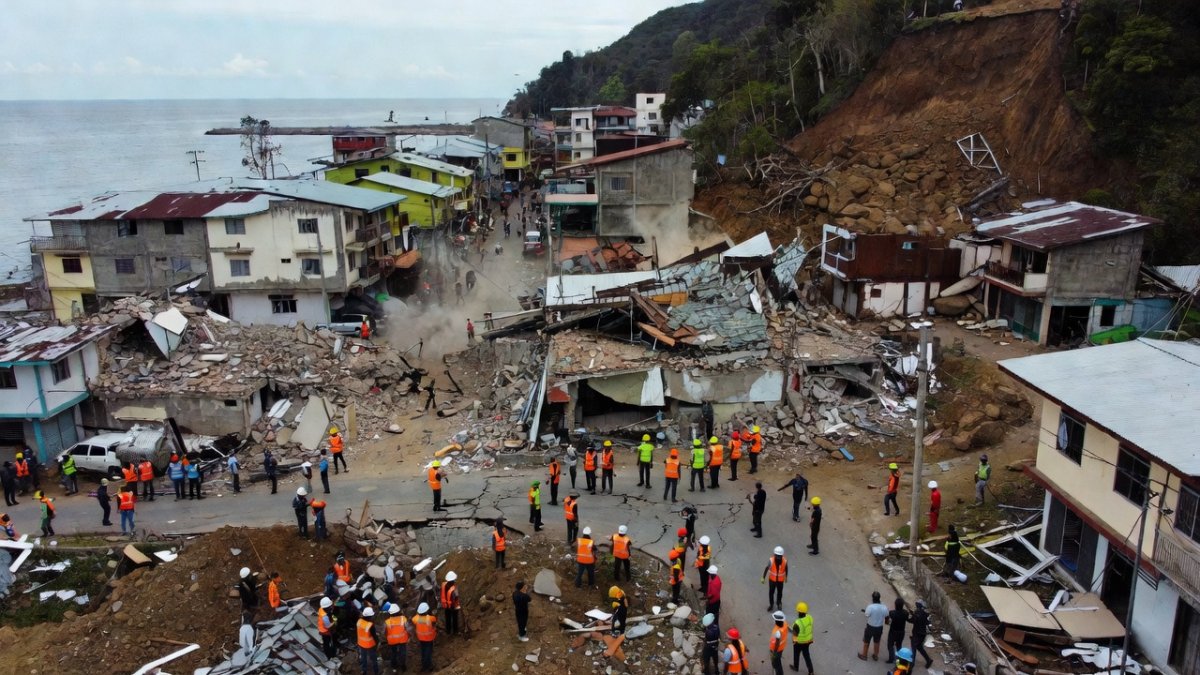
The Human Cost of the Mindanao Earthquake The magnitude 7.8 earthquake that struck off Mindanao on Monday has left deep scars across affected regions. Families in Region 12 and Region 11 are now counting the losses after 45 deaths were recorded, with 33 in Region 12 and 12 in Region 11. Another 487 people sustained injuries while 17 remain missing according to the National Disa
The Human Cost of the Mindanao Earthquake
The magnitude 7.8 earthquake that struck off Mindanao on Monday has left deep scars across affected regions. Families in Region 12 and Region 11 are now counting the losses after 45 deaths were recorded, with 33 in Region 12 and 12 in Region 11. Another 487 people sustained injuries while 17 remain missing according to the National Disaster Risk Reduction and Management Council report issued on Wednesday, June 9.
Ordinary households feel the weight most heavily. In barangays across Mindanao, residents who once gathered at sari-sari stores now stand amid rubble, wondering how to rebuild daily routines. The spirit of bayanihan has surfaced as neighbors help one another clear debris and share what little they have left.
Landslides and Damaged Infrastructure
Ten landslides triggered by the shaking have cut off access to remote communities. In Region 12 alone, 18 bridges and 41 roads suffered damage, making it harder for relief teams to reach those in need. These broken links disrupt the movement of goods and people, hitting farmers and small traders who rely on steady transport to markets.
Power outages have left 130,000 consumers without electricity. Hospitals struggle to maintain critical services while families sit in darkness, their children unable to study or play safely. The loss of light at night adds to the anxiety that already grips displaced households.
Displacement and Relief Efforts
A total of 149,372 people from Regions 9, 11, 12 and the Bangsamoro Autonomous Region in Muslim Mindanao felt the effects. Of these, 41,437 individuals are now displaced, and 2,994 houses were damaged. The Department of Social Welfare and Development has so far delivered P4.8 million in assistance to affected families.
President Marcos directed government agencies to place the safety and welfare of displaced families and hospital patients first. He led a situation briefing at Malacañang and asked Energy Secretary Sharon Garin to accelerate power restoration for medical facilities. DSWD Secretary Rex Gatchalian coordinated with the Philippine Air Force and Coast Guard to airlift supplies to isolated areas.
Price Freeze and Economic Protection
General Santos City was placed under a state of calamity, triggering a 60-day price freeze on basic goods. DTI Secretary Cristina Roque confirmed that items such as canned fish, processed milk, coffee, laundry soap, candles, bread, iodized salt, instant noodles and bottled water are covered. This measure aims to shield daily wage earners and sari-sari store owners from sudden price spikes during the recovery period.
Local communities welcome the protection. Workers and small vendors who already stretch limited incomes now have one less worry as they focus on clearing homes and caring for injured relatives.
Education and Psychosocial Support
Education Secretary Sonny Angara approved an initial P235.1 million to keep learning going. The funds will support 130 fully equipped Learning Continuity Spaces that include emergency power and Starlink WiFi. An additional P258.98 million was secured for printing and delivering learning packets to students whose schools were affected.
The P3-billion Quick Response Fund is being used for structural reconstruction. Registered guidance counselors have also been sent to provide psychological first aid, recognizing that children and parents alike carry emotional burdens after the shaking stopped.
International Sympathy and Senate Solidarity
Messages of support arrived from abroad. Japanese Prime Minister Sanae Takaichi expressed condolences, while the United Nations extended sympathies. Embassies from Canada, the United States, Czech Republic, France and Germany also conveyed their messages. The UN World Food Programme deployed staff and emergency equipment, UNICEF voiced concern for children, and the World Health Organization stated it stands ready to help.
Closer to home, the new majority in the Senate donated one month of their salaries to assist victims. Senators Gatchalian, Zubiri, Sotto III, Lacson, Hontiveros, Pangilinan, Aquino, the Tulfo brothers, Ejercito, Lapid and Escudero joined the effort, showing solidarity with families still searching for missing loved ones.
Looking Ahead with Community Strength
Recovery will take time, yet the values of bayanihan continue to guide residents as they share resources and comfort one another. Government agencies, local government units and barangay captains work alongside national offices such as the NDRRMC, DSWD and DepEd to meet immediate needs while planning longer-term rebuilding.
Ordinary Filipinos in Mindanao have faced many challenges before. Their resilience, rooted in family ties and community cooperation, offers hope that schools will reopen, roads will be repaired and power will return. The focus remains on protecting the most vulnerable while honoring the memory of those lost in the earthquake.
By Bella Reyes, Staff WriterThis article was produced with AI-assisted research and editorial support. Reporting is based on sources cited in the article.
What's Your Reaction?
 Like
0
Like
0
 Dislike
0
Dislike
0
 Love
0
Love
0
 Funny
0
Funny
0
 Wow
0
Wow
0
 Sad
0
Sad
0
 Angry
0
Angry
0

Philippines/Southeast Asia Correspondent at Global1.News. Manila-based journalist covering Philippine politics, environment, maritime security, and social issues. Passionate about marine conservation and the communities protecting the Philippines' natural heritage.













Comments (0)