
Somali Referee Omar Artan Denied US Entry for 2026 World Cup
The Weight of a Dream Deferred Omar Artan carried the hopes of many when he arrived at Miami International Airport with his diplomatic passport and valid visa in hand. The Somali referee, named the 2025 Confederation of African Football men's referee of the year, had been selected to become the first from his country to officiate at a World Cup finals. Instead, he endured an el
The Weight of a Dream Deferred
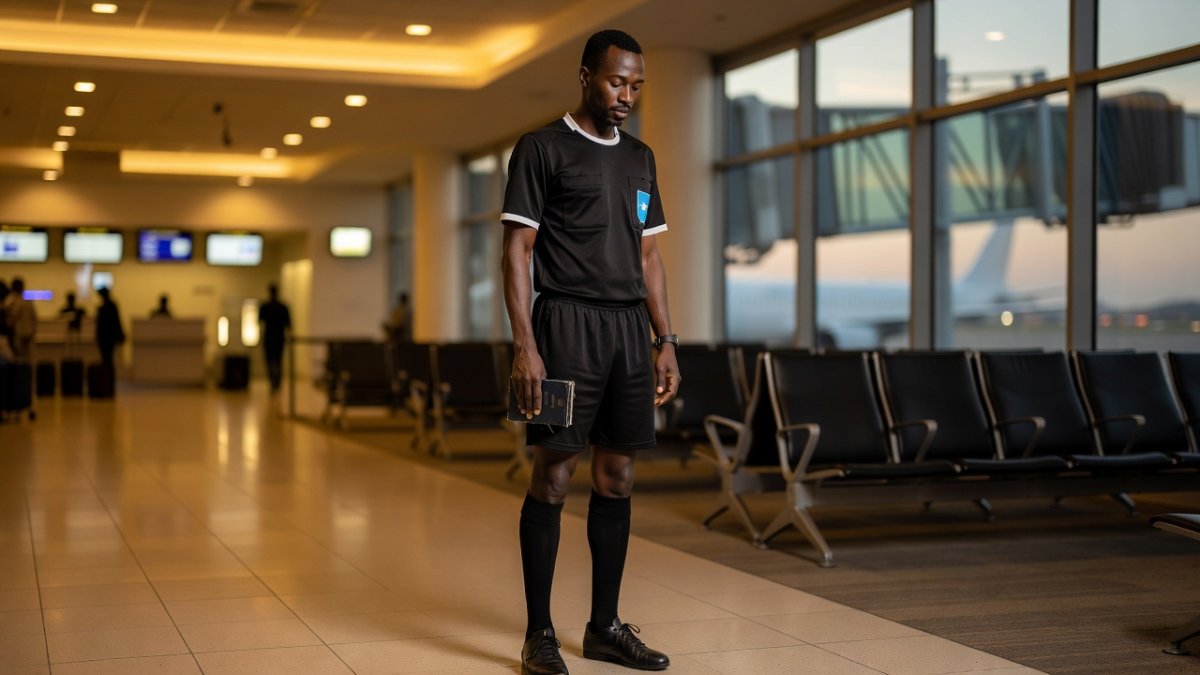
Omar Artan carried the hopes of many when he arrived at Miami International Airport with his diplomatic passport and valid visa in hand. The Somali referee, named the 2025 Confederation of African Football men's referee of the year, had been selected to become the first from his country to officiate at a World Cup finals. Instead, he endured an eleven-hour immigration interview followed by hours in a holding cell before being placed on a flight back to Istanbul. Artan later told the New York Times he felt simply like a referee trying to live his biggest dream, only to be turned away despite having the right papers.
His experience echoes the quiet frustrations felt by professionals across the continent who prepare for years only to meet sudden barriers at borders. In Senegal, where football referees often balance matches with teaching or small businesses, such stories travel quickly through family networks and training grounds. They remind young officials that excellence on the pitch does not always translate to smooth passage elsewhere.
A Somali First That Carried Continental Meaning
Artan earned his Fifa badge in 2018 and has worked matches at the Africa Cup of Nations while serving in the Somali National League. His selection for the 2026 tournament represented more than personal achievement. It stood as a visible sign that Somali football could contribute at the highest level after years of rebuilding domestic structures amid difficult conditions. For communities in Mogadishu and the diaspora, the news had offered a rare point of shared pride.
Across East Africa, similar milestones matter because they connect local leagues to global stages. In countries where resources for referee training remain limited, seeing one of their own chosen signals that persistence can open doors. Artan's case now raises questions about how such opportunities are protected when host-country rules intervene.
Travel Restrictions and Their Reach
Somalia appears on the list of countries subject to entry measures introduced during President Donald Trump's administration. A senior adviser to Somalia's ministry of youth and sports confirmed to the BBC that Artan travelled with proper documents, including a diplomatic passport issued by the Somali embassy in Nairobi to address earlier visa issues. Fifa stated it is not involved in host-country immigration decisions and has been informed that Artan's status will not change.
These restrictions affect more than one individual. They touch teams, journalists, and support staff from several African nations preparing for the tournament scheduled from 11 June to 19 July 2026. Because all on-pitch officials must remain at the Florida base for training and security, Artan could not be reassigned to matches in Canada or Mexico. The practical result is the removal of a qualified referee from the roster without public explanation from US authorities.
Responses Across Football Circles
Fifa's statement remained measured, noting only that it had received confirmation of the denial. Andrew Giuliani, who leads the White House Task Force on the World Cup, told reporters the decision by customs and border protection was the right one, though he offered no further details. In Somalia, officials expressed disappointment while stressing that Artan had followed every required step.
Former England striker Ian Wright described the pattern of denials involving fans, players, officials, and journalists as a World Cup of chaos. His comments reflect a wider sense among observers that repeated incidents risk overshadowing the event itself. In African football circles, the episode has prompted quiet conversations about how continental bodies might better anticipate and address such situations for future tournaments.
Broader Lessons on Africa's Place in Global Sport
Artan's return to Istanbul after detention highlights a recurring tension: African professionals often arrive with the required credentials yet still face extended scrutiny. President Trump has publicly stated he does not want Somali immigrants in the United States and suggested they should return to their country of origin. Artan himself noted that he sensed a problem with his country in the eyes of those questioning him.
Such experiences shape how young referees and coaches across the continent view their prospects. In daily training sessions from Dakar to Addis Ababa, the focus remains on fitness, rule knowledge, and match temperament. Yet stories like Artan's add another layer of preparation, one that involves understanding external policies that can override sporting merit. The episode does not erase the progress African referees have made in recent years, but it does illustrate the uneven ground on which that progress occurs.
Looking Toward 2026 and Beyond
The 2026 World Cup will feature matches across three host nations, creating logistical complexity even before immigration questions arise. For Somali football and its supporters, the immediate loss is personal and symbolic. Artan, who had already navigated earlier visa difficulties with the help of a diplomatic passport, now finds himself removed from the list of match officials.
Across Africa, the incident serves as a reminder that sporting excellence alone does not guarantee access. It also underscores the value of continued investment in domestic referee development so that when opportunities arise, the continent's representatives are ready. The human cost remains clearest in Artan's own words of deep disappointment, a feeling shared by many who watch talented individuals turned back at the final step.
By Amara Diop, Staff WriterThis article was produced with AI-assisted research and editorial support. Reporting is based on sources cited in the article.
What's Your Reaction?
 Like
0
Like
0
 Dislike
0
Dislike
0
 Love
0
Love
0
 Funny
0
Funny
0
 Wow
0
Wow
0
 Sad
0
Sad
0
 Angry
0
Angry
0

West Africa/Sahel Correspondent at Global1.News. Dakar-based journalist covering politics, security, climate, and development across Francophone and Anglophone West Africa. Tells the stories of a region undergoing profound transformation.










Comments (0)