
Japan Achieves World-First Full-Cycle Japanese Eel Farming
Japan has achieved a world-first breakthrough in aquaculture with the successful full-cycle farming of Japanese eel, or unagi, from egg to market-ready maturity. The development directly supports national food security goals and endangered species conservation efforts across the Asia-Pacific region, where wild eel populations have collapsed. Trial sales of these eels began on J
Japan has achieved a world-first breakthrough in aquaculture with the successful full-cycle farming of Japanese eel, or unagi, from egg to market-ready maturity. The development directly supports national food security goals and endangered species conservation efforts across the Asia-Pacific region, where wild eel populations have collapsed. Trial sales of these eels began on June 5, 2026, signaling a potential shift away from reliance on wild glass eels.
Japan Achieves World-First Full-Cycle Farming of Japanese Eel
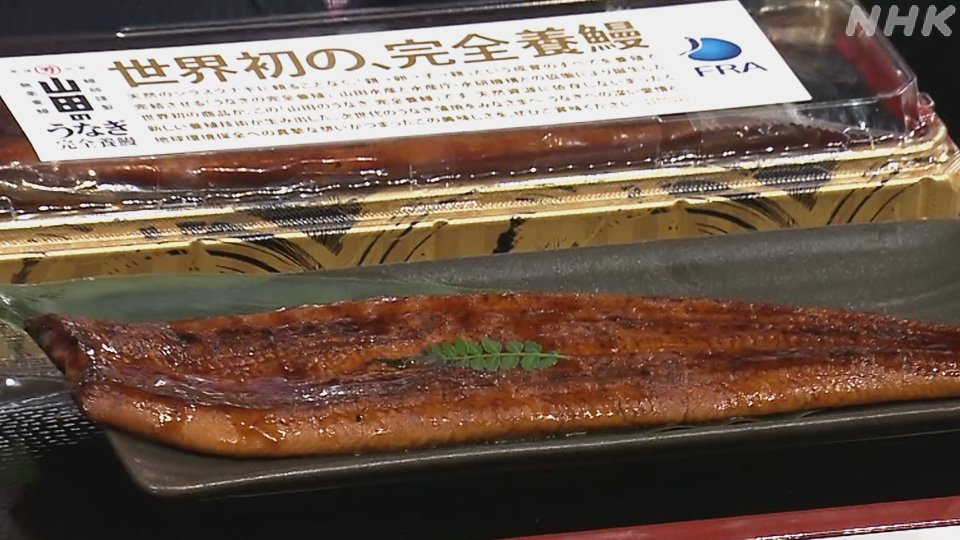
[Tokyo, Japan – June 10, 2026] — Aeon and Yamada Suisan announced that fully farmed Japanese eels, raised entirely from eggs without capturing wild glass eels, entered limited trial sales on June 5. Priced at approximately 5,000 yen per piece, or about $30 USD, the product is expected to become more affordable as production scales. The milestone follows more than 50 years of research and positions Japan as a leader in sustainable aquaculture technology.
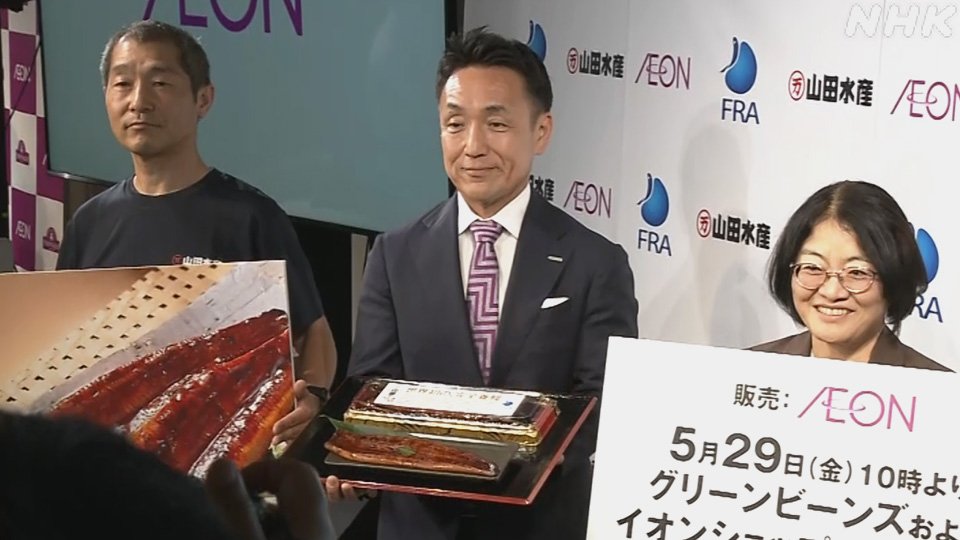
The Milestone Announcement in Tokyo
Aeon executive vice president Tsuchiya Mitsuko emphasized the importance of expanding fully farmed eel availability during the June event. She stated that it is important that fully farmed eels become more common and expressed hope for full-scale commercial sales at an affordable price. Yamada Suisan board member Kato Naotake highlighted the need to preserve culinary traditions, noting that the farmed eels taste just as good as wild-caught ones and that consumers will likely agree.
Decades of Research Lead to Commercial Viability
The journey began with the first laboratory-hatched Japanese eel eggs in 1973 at Hokkaido University. Yamada Suisan has collaborated with the Japan Fisheries Research and Education Agency since 2022 to refine the full-cycle method. The firm can now raise approximately 10,000 glass eels per year entirely in controlled environments, eliminating dependence on wild captures that have dwindled from a 1961 peak of 3,387 tons to just 52 tons in 2024.
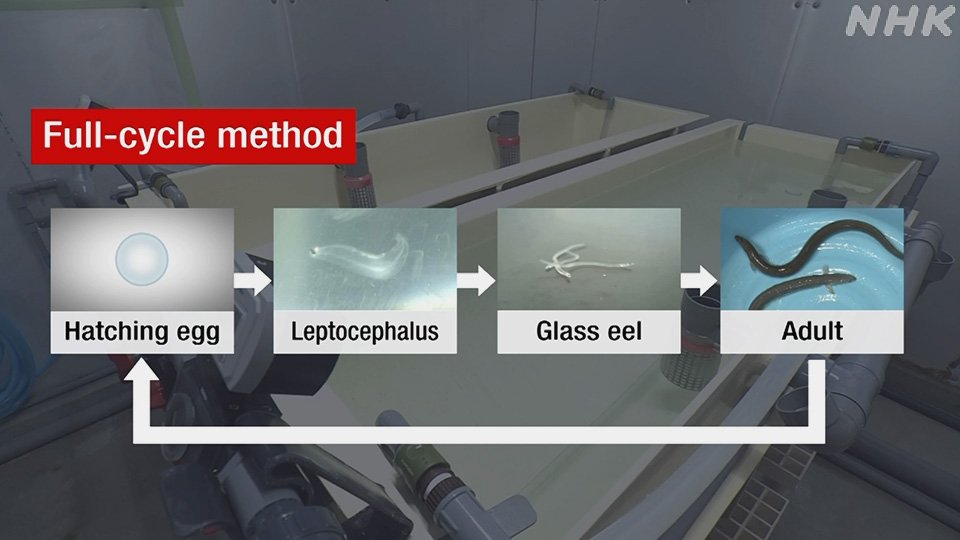
Shift from Conventional Capture to Full-Cycle Aquaculture
Traditional unagi farming relies on harvesting wild glass eels, a practice that contributed to the species’ 2014 IUCN endangered designation. Full-cycle farming starts with artificially spawned eggs and completes the entire life cycle in aquaculture facilities. This approach aligns with Japan’s Society 5.0 vision for technology-driven solutions to resource challenges and supports stricter fisheries regulations aimed at protecting marine biodiversity.

Environmental and Food Security Benefits
By reducing pressure on wild stocks, the breakthrough advances conservation objectives while bolstering Japan’s food security policy. Japanese eel has long been a dietary staple, and sustainable domestic production can help stabilize supply chains vulnerable to international overfishing. The technology also offers a model for other Asia-Pacific nations facing similar declines in migratory fish species.
Preserving a 500-Year Culinary Tradition
Unagi kabayaki, grilled eel with sweet soy sauce, dates back roughly 500 years, with the first written reference to eel as food appearing in the 8th century. The new farming method ensures this cultural practice can continue without further endangering the species. NHK WORLD-JAPAN has covered the research extensively in its report titled “Decades of research cracks the Japanese eel breeding code.”
What to Watch For
Industry observers will monitor production volume increases at Yamada Suisan facilities and Aeon’s plans for nationwide rollout. Further cost reductions and regulatory approvals could accelerate commercial adoption, potentially transforming global eel markets and reinforcing Japan’s leadership in sustainable marine technology. Continued investment in breeding research remains essential to maintain momentum.
By Kenji Tanaka, Staff Writer
This article was produced with AI-assisted research and editorial support. Reporting is based on sources cited in the article.
What's Your Reaction?
 Like
0
Like
0
 Dislike
0
Dislike
0
 Love
0
Love
0
 Funny
0
Funny
0
 Wow
0
Wow
0
 Sad
0
Sad
0
 Angry
0
Angry
0

Japan Correspondent at Global1.News. Tokyo-based voice covering Japanese politics, technology, economy, and culture. Tracks the intersection of tradition and innovation in one of the world's most dynamic societies.















Comments (0)