
Mexico Weighs Sustainable Fracking Under Sheinbaum
**Meta Description:** President Claudia Sheinbaum’s commission examines fracking in the Tampico-Misantla Basin to cut U.S. gas imports and support Mexican families amid geopolitical tensions. **Keywords:** fracking Mexico, Claudia Sheinbaum, Tampico-Misantla Basin, PEMEX, energy independence, sustainable fracking The commission and what it's studying In April 2026 President Cla
The commission and what it's studying
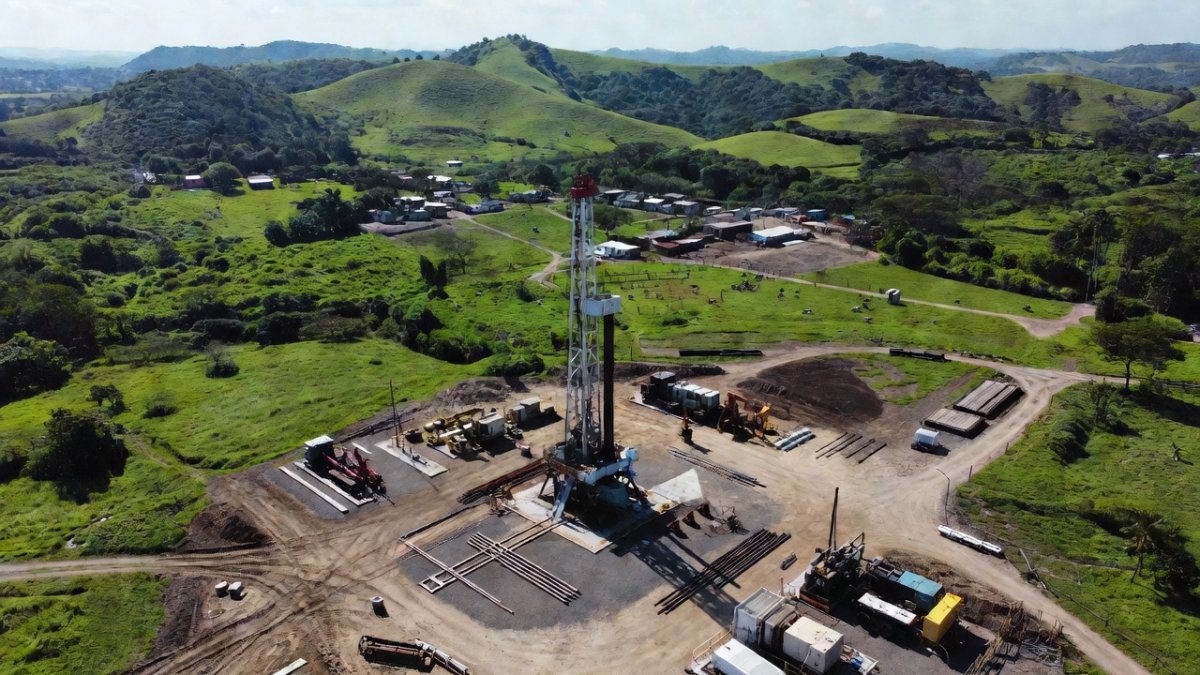
In April 2026 President Claudia Sheinbaum named thirty scientists to study whether Mexico can practice what the administration calls sustainable fracking. The group is examining biodegradable fracturing fluids and closed-loop water recycling systems that would limit the amount of fresh water drawn from rivers and aquifers. Their report is scheduled for release next week and will be presented first at the Presidencia before any discussion moves to the Congreso de la Unión.
The commission is also reviewing the 8,000 wells and more than 30,000 fracturing stages that PEMEX already completed between 2003 and 2018. Those earlier operations used conventional techniques; the new proposal would require stricter monitoring of methane leaks and seismic activity. Scientists are comparing those historical results with modern practices now common in Texas.
Ordinary families are watching closely. An ama de casa in a Veracruz colonia who buys a new gas cylinder every two weeks knows that any increase in domestic supply could eventually lower the price she pays at the tortillería or the taquería. At the same time, ejidatarios whose land sits above the prospective zones want guarantees that their water for corn and beans will remain safe.
Mexico's energy dependence on the US (75% gas imports)
Mexico currently imports nearly seventy-five percent of its natural gas from the Permian and Eagle Ford formations in the United States. All of that gas is produced through hydraulic fracturing. The dependence leaves Mexican households and factories exposed to price swings decided in Houston rather than in Mexico City.
Daily consumption hovers near five billion cubic feet, yet domestic output stands at only 3.834 billion cubic feet. The gap forces PEMEX to spend billions of dollars each year on imports that could otherwise stay inside the country. Nearshoring has added new manufacturing plants in northern states, pushing demand even higher and making the shortfall more visible to small business owners.
A taquería owner in Monterrey explained that when U.S. prices spike, his propane bill rises within days. He passes part of the increase to customers, but many families already stretch their budgets between rent and groceries. Lower-cost domestic gas would give him room to keep prices steady and perhaps hire one more worker.
The Tampico-Misantla Basin's enormous potential vs current output
The Tampico-Misantla Basin holds an estimated 140 billion barrels of hydrocarbons in place, almost as much as the Permian Basin’s 150 billion barrels. Yet the Mexican side produces only about 60,000 barrels per day compared with more than six million barrels daily across the border. Just sixty-two horizontal multifrac wells have ever been drilled in the entire basin.
Geologists note that the rock layers are similar, but development has lagged because of regulatory pauses after 2018 and limited investment in horizontal drilling technology. Reaching the government target of five billion cubic feet of gas per day by 2030 would require hundreds of new wells and supporting infrastructure across Veracruz and Tamaulipas.
Ejidatarios in the region remember when PEMEX first arrived decades ago. Some received jobs; others saw roads built that now wash out in the rainy season. They want any new activity to include local hiring and payments that actually reach the communities rather than disappearing into distant offices.
Geopolitical pressures (Iran war, Strait of Hormuz)
The recent closure of the Strait of Hormuz and the conflict involving Iran have tightened global energy markets. Tankers that once moved freely now face higher insurance costs and longer routes, driving up prices for liquefied natural gas that Mexico sometimes purchases on the spot market.
Sheinbaum has cited these events as one reason to accelerate domestic production. Energy sovereignty has returned to the mañanera podium almost daily, with the president reminding listeners that Mexico cannot rely on distant suppliers when sea lanes become uncertain.
For a mother in Ciudad Victoria whose children study by electric light, the issue feels immediate. If imported gas becomes scarce or expensive, rolling blackouts could affect schools and clinics. She wonders whether new wells in the nearby Burgos Basin might bring steadier electricity without waiting for international politics to calm.
Environmental concerns and opposition (UNAM scientists, communities)
UNAM researcher Luca Ferrari has warned that fracking remains costly and water-intensive. He notes that operators may need one hundred fracked wells to equal the output of a single conventional well, multiplying the surface footprint across ejido lands. Ferrari and colleagues have called for independent baseline studies of aquifers before any new permits are issued.
Community assemblies in northern Veracruz have already voiced fears about water contamination and induced earthquakes. Residents remember stories from Texas towns where wells were drilled close to homes and now worry about similar conditions reaching their colonias.
Pablo Eisner, chief operating officer of Mexico Petroleum Company, argues that modern biodegradable additives and full water recycling can address many of these concerns. He points to pilot projects elsewhere that reuse more than ninety percent of flowback water, reducing the draw on local rivers that families depend on for drinking and irrigation.
Impact on Mexican communities and families (Veracruz, Tamaulipas, Burgos Basin)
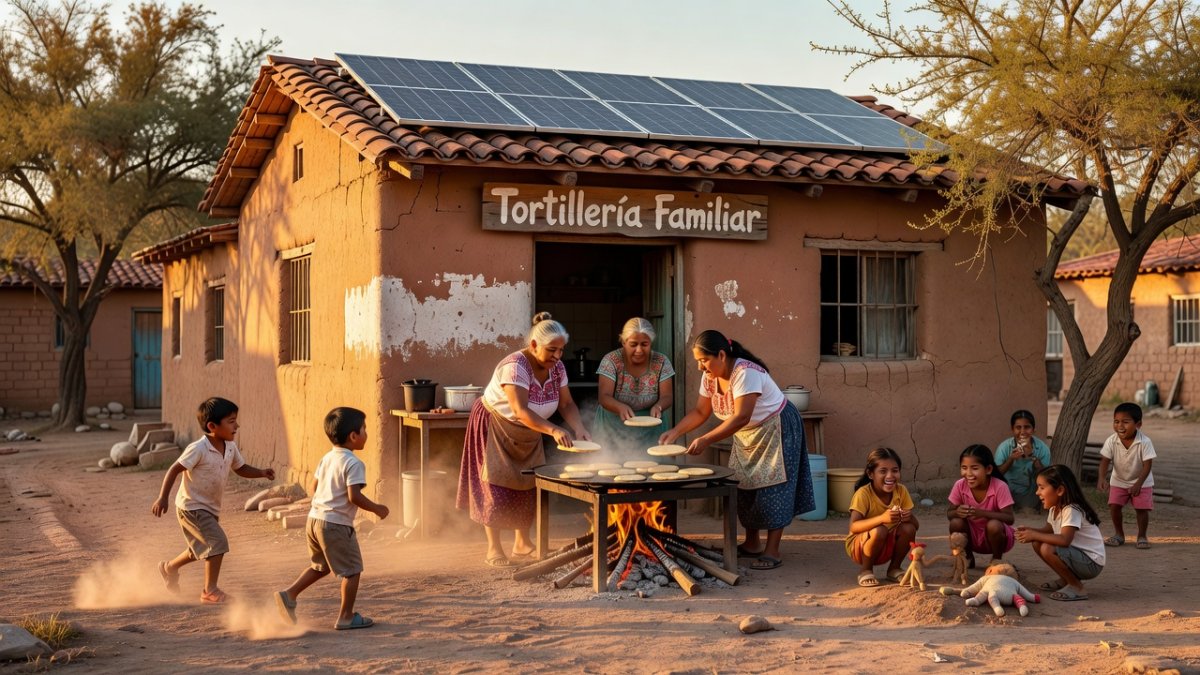
In the rural stretches of the Burgos Basin, families gather at the local tortillería not only for tortillas but also for news about possible drilling. An ejidatario there explained that his small plot supplies both corn and the water for his grandchildren. He wants any company that arrives to sign agreements that protect the water table and pay fair rent for surface use.
Women in Tamaulipas colonias often manage household energy budgets. When gas for the stove becomes expensive, they cook fewer hot meals and rely more on street food. A steady supply of cheaper domestic gas could let them return to preparing traditional dishes at home and perhaps start small food businesses from their kitchens.
Children’s health is another daily concern. Mothers in Veracruz worry that dust and emissions from drilling pads could affect asthma rates already high in the humid climate. They ask for real-time air monitoring stations that report directly to community committees rather than only to company offices.
The history: Pemex, Dos Bocas, energy sovereignty
PEMEX was founded in 1938 and remains a symbol of national pride, yet it now carries heavy debt and struggles with operational efficiency. Past reforms under Peña Nieto in 2015 opened gasoline distribution to private firms, but upstream exploration stayed largely with the state company.
The Dos Bocas refinery built during the previous administration was meant to reduce reliance on U.S. refining capacity. Its completion has not fully solved the gas supply gap, however, because most new demand comes from power generation and industrial users rather than gasoline alone.
Sheinbaum’s push for five billion cubic feet of domestic gas daily by 2030 echoes earlier calls for energy sovereignty, yet it arrives with new technology and environmental conditions. Families who once viewed PEMEX as the sole guarantor of affordable fuel now weigh the promise of jobs against the risk of long-term water issues.
What to watch for when the commission reports next week
When the thirty scientists deliver their findings, attention will focus on whether they endorse biodegradable chemicals and mandatory water recycling at every well pad. Lawmakers in the Cámara de Diputados will also look for cost estimates that show how many wells would be needed to reach the 2030 target.
Community leaders in Tamaulipas and Veracruz plan to hold public forums the same week. They want clear answers on how much water each well would consume and whether ejido assemblies will have veto power over locations near schools or irrigation canals.
For the ama de casa balancing her monthly gas budget, the taquería owner planning his next menu price, and the mother concerned about her children’s air, the report will mark more than a technical document. It will signal whether Mexico’s next chapter of energy development lifts household costs or adds new worries to daily life in the colonias.
Tags: fracking, Claudia Sheinbaum, PEMEX, Tampico-Misantla, energy independence, Mexican families, sustainable development
By Rosa Martinez, Staff Writer
This article was produced with AI-assisted research and editorial support. Reporting is based on sources cited in the article.
What's Your Reaction?
 Like
0
Like
0
 Dislike
0
Dislike
0
 Love
0
Love
0
 Funny
0
Funny
0
 Wow
0
Wow
0
 Sad
0
Sad
0
 Angry
0
Angry
0

Latin America/Andes Correspondent at Global1.News. Based in Bogota, covering politics, environment, energy, and social movements across the Andean region. Passionate about environmental journalism and communities protecting their land.













Comments (0)