
March of the Nations 2026: Descendants of Nazis March in Solidarity with Israel
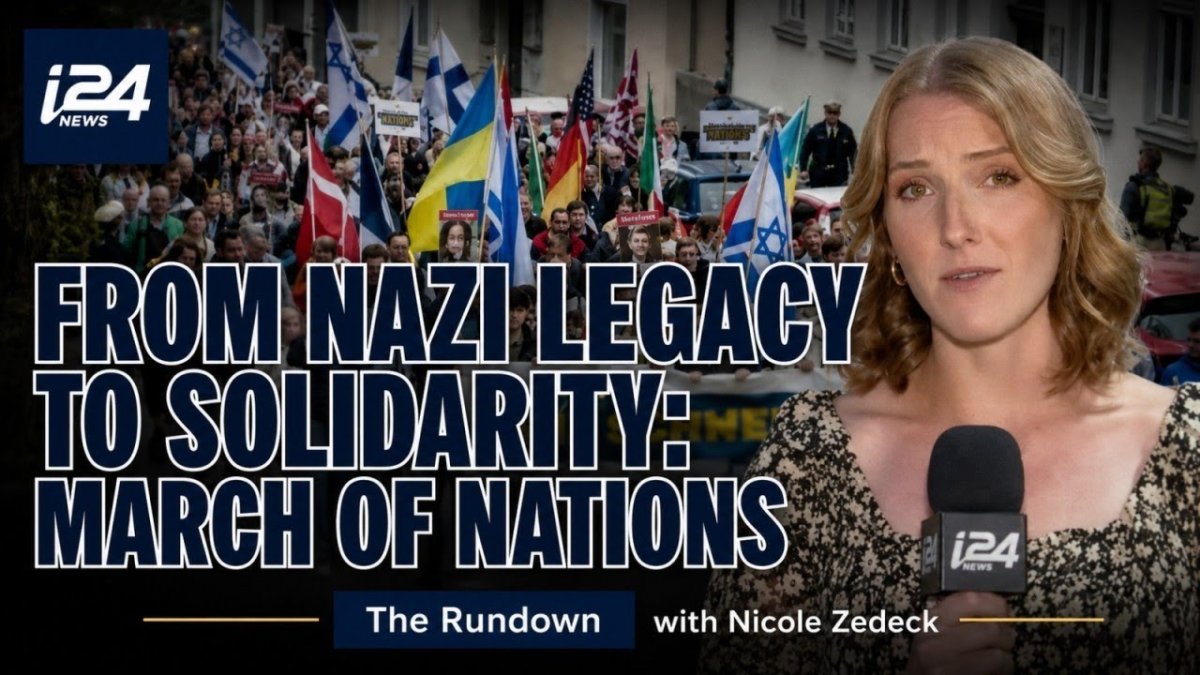
In a recent i24NEWS English video titled "From Nazi legacy to solidarity: March of nations in Israel," the March of the Nations 2026 unfolded across Jerusalem and other Israeli cities, underscoring efforts at reconciliation in a region still grappling with the aftermath of the October 7 attacks and ongoing security challenges involving Hamas in Gaza and Hezbollah along the nort
In a recent i24NEWS English video titled "From Nazi legacy to solidarity: March of nations in Israel," the March of the Nations 2026 unfolded across Jerusalem and other Israeli cities, underscoring efforts at reconciliation in a region still grappling with the aftermath of the October 7 attacks and ongoing security challenges involving Hamas in Gaza and Hezbollah along the northern border. The event draws direct connections to Israel's diplomatic outreach and internal healing processes, involving the Prime Minister's Office and municipal authorities in multiple cities. Christian participants from abroad engaged with local realities at sites tied to both biblical history and modern Israeli institutions such as the IDF.
March of the Nations 2026 Links Nazi Descendants with Israeli Survivors in Jerusalem and Beyond
Jerusalem, Israel — The March of the Nations 2026 ran from May 31 to June 3 across Jerusalem, Haifa, Be'er Sheva, Ashkelon and Tiberias, bringing together Christians from Germany, the United States, Brazil, South Korea and additional countries under the theme "United for Life! Together into the Future." Organizers selected the historic Beit Ha'Am courtroom in Jerusalem, where Adolf Eichmann was tried and convicted in 1961, for the main conference, marking the third time the event has used this venue. The program incorporated the scripture from Isaiah 57:19 stating "Peace, peace, to those far and near, says the Lord. And I will heal them," while participants met Holocaust survivors, IDF soldiers and families affected by the October 7 attacks.
Historical Venue and Annual Tradition Since 2018
The choice of Beit Ha'Am for the third consecutive time reinforced the event's focus on confronting the Nazi legacy within Israel's capital. Eichmann's 1961 trial remains a cornerstone of Israeli historical memory, documented by the state and referenced regularly by the Foreign Ministry when discussing Holocaust education. The March of the Nations has occurred annually in Jerusalem since 2018, evolving from the broader March of Life movement in which descendants of Nazi perpetrators publicly address their family histories. This year's gathering followed two years of war and recent hostage releases, shifting emphasis toward hope and practical cooperation with Israeli municipalities.
International Delegations and Direct Encounters
Participants from Germany, the United States, Brazil and South Korea joined marches and meetings that included direct conversations with Holocaust survivors and IDF personnel. These encounters occurred alongside visits to families impacted by the October 7 attacks, providing foreign visitors with firsthand accounts of current security threats from Gaza and the West Bank. The program also featured the Pool of Siloam, the biblical site associated with healing, as a focal point for reflection on the Isaiah 57:19 theme. Such structured meetings distinguish the event from purely symbolic gestures and tie into ongoing Israeli efforts to maintain international support amid regional tensions.
Marches in Haifa, Be'er Sheva, Ashkelon and Tiberias
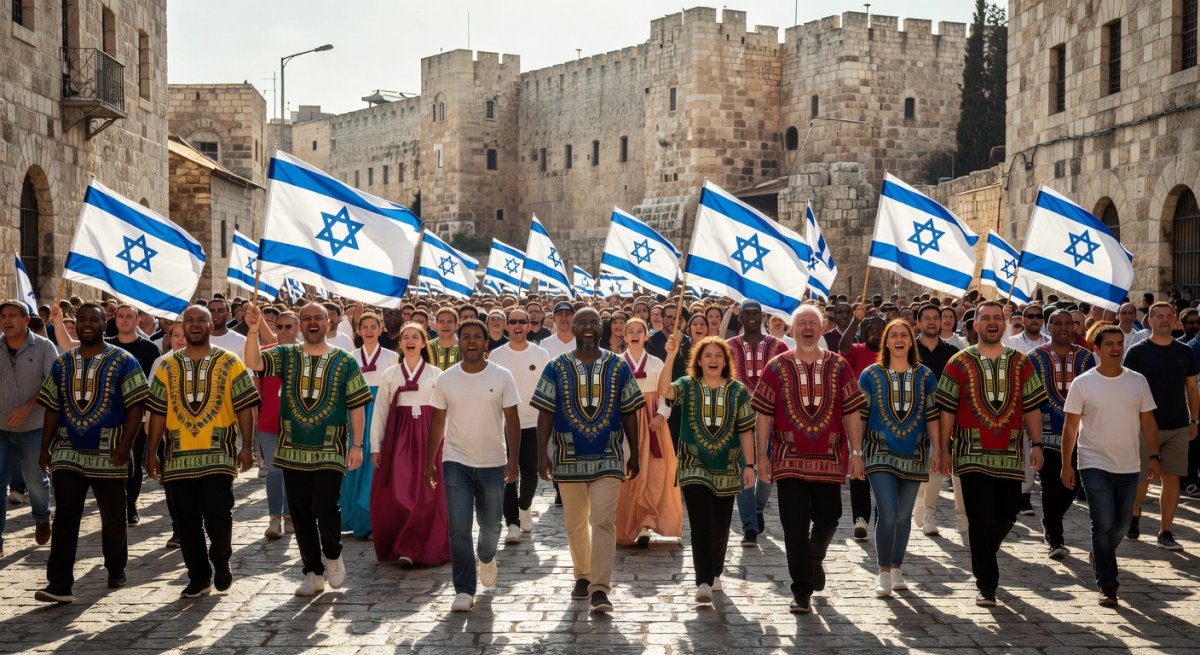
Coordinated marches took place in Haifa, Be'er Sheva, Ashkelon and Tiberias with explicit cooperation from local municipal governments. These events extended the Jerusalem program into peripheral regions that have faced rocket threats and security incidents in recent years. Municipal involvement ensured logistical support and public safety measures, reflecting standard coordination between Israeli local authorities and international visitors. The multi-city format allowed participants to observe daily life across different sectors of the country while reinforcing messages of solidarity with communities near the Gaza border and northern front.
Connection to the March of Life Movement and April Berlin March
The Jerusalem program forms part of the wider March of Life movement, which includes an April 2026 solidarity march in Berlin attended by Nazi descendants, Holocaust survivors and Iranian exiles. That Berlin event preceded the Israeli gatherings by roughly six weeks and established a pattern of linking European historical reckoning with on-the-ground realities in Israel. Israeli officials have noted that such international initiatives can complement diplomatic channels managed by the Foreign Ministry, particularly when addressing persistent threats from Iran-backed groups. The continuity between the Berlin and Jerusalem components underscores a deliberate effort to translate personal historical accountability into sustained engagement with Israeli security concerns.
Gala Night and Official Israeli Participation
A festive gala night on June 2 featured appearances by Israeli officials, providing a formal platform for exchanges between participants and representatives from national institutions. The event occurred after the main conference sessions at Beit Ha'Am and before the final day of activities on June 3. Such official involvement aligns with standard Israeli government practice of engaging supportive international delegations, especially those addressing Holocaust memory and post-October 7 recovery. The gala reinforced the theme of moving "Together into the Future" while acknowledging the practical challenges of hostage reintegration and border security.
Implications for Israeli Diplomacy and Regional Stability
The March of the Nations 2026 arrives at a moment when Israel continues to manage multiple fronts, including Gaza operations against Hamas and northern defenses against Hezbollah. By hosting descendants of perpetrators alongside survivors and current IDF members, the event supplies a visible counter-narrative to isolation attempts in international forums. Municipal cooperation in five cities demonstrates domestic consensus on the value of these visits for public morale. For Israeli readers, the gatherings illustrate how historical memory can be channeled into contemporary alliances that support both security cooperation and everyday resilience in Jerusalem, Haifa and the southern communities.
By Hannah Berg, Staff Writer
This article was produced with AI-assisted research and editorial support. Reporting is based on sources cited in the article.
What's Your Reaction?
 Like
0
Like
0
 Dislike
0
Dislike
0
 Love
0
Love
0
 Funny
0
Funny
0
 Wow
0
Wow
0
 Sad
0
Sad
0
 Angry
0
Angry
0

Israel Correspondent at Global1.News. Based in Tel Aviv, covering Israeli politics, security, technology, and society. Provides balanced, deeply-sourced reporting on one of the most closely-watched regions in the world.










Comments (0)