
Makerfield By-Election: Andy Burnham Faces Reform UK Test in Labour Heartland
The Makerfield by-election on 18 June 2026 has transformed one of Labour's most secure parliamentary seats into a high-stakes national contest. With former MP Josh Simons having resigned on 18 May to clear the path for Greater Manchester Mayor Andy Burnham, the race pits Burnham against Reform UK's Robert Kenyon in a contest that could reshape the party's internal dynamics and
The Makerfield by-election on 18 June 2026 has transformed one of Labour's most secure parliamentary seats into a high-stakes national contest. With former MP Josh Simons having resigned on 18 May to clear the path for Greater Manchester Mayor Andy Burnham, the race pits Burnham against Reform UK's Robert Kenyon in a contest that could reshape the party's internal dynamics and test Reform's growing appeal in northern England.
Makerfield By-Election Throws Labour's Northern Stronghold into National Spotlight Manchester, 10 June 2026
The Enduring Significance of the Makerfield Seat
The Makerfield constituency encompasses the towns of Ashton-in-Makerfield, Abram, Bryn, Hindley, Orrell and Winstanley within the Metropolitan Borough of Wigan. Labour has represented the area continuously since 1983, following the earlier Ince seat which the party held from 1906 until boundary changes. In the 2024 general election Reform UK secured second place here, displacing the Conservatives, a shift that underscored changing voter patterns in post-industrial Lancashire communities.
Demographically the seat features a predominantly working-age population with significant employment in logistics, manufacturing and public services. Wigan Borough Council data from 2025 shows average household incomes remain below the national median, while home ownership rates stand at 68 per cent. These characteristics have long made Makerfield a reliable Labour bastion, yet recent boundary reviews and economic pressures have created openings for challengers.
Burnham's Leadership Ambitions and the Path to Westminster
Andy Burnham, Mayor of Greater Manchester since 2017 and Labour Co-operative member, has made little secret of his wider aspirations. Victory on 18 June would return him to the House of Commons for the first time since 2017 and position him as a credible alternative to Sir Keir Starmer. Political observers at Westminster note that a strong showing would bolster Burnham's support among backbench MPs wary of the current leadership's direction.
Burnham's campaign has emphasised his record on regional transport investment and public health initiatives through the Greater Manchester Combined Authority. Supporters argue that his local mandate and profile outside London give him unique authority to critique national policy. Critics within the party, however, question whether a mayoral record focused on devolution can translate into effective opposition leadership.
Reform UK's Challenge and the Kenyon Candidacy
Reform UK has selected Robert Kenyon, a local businessman, to contest the seat. Party leader Nigel Farage has publicly defended Kenyon against criticism of past social media activity, describing the candidate as "unapologetic" in his views. The approach mirrors Reform's broader strategy of presenting itself as an anti-establishment force willing to confront what it terms political correctness.
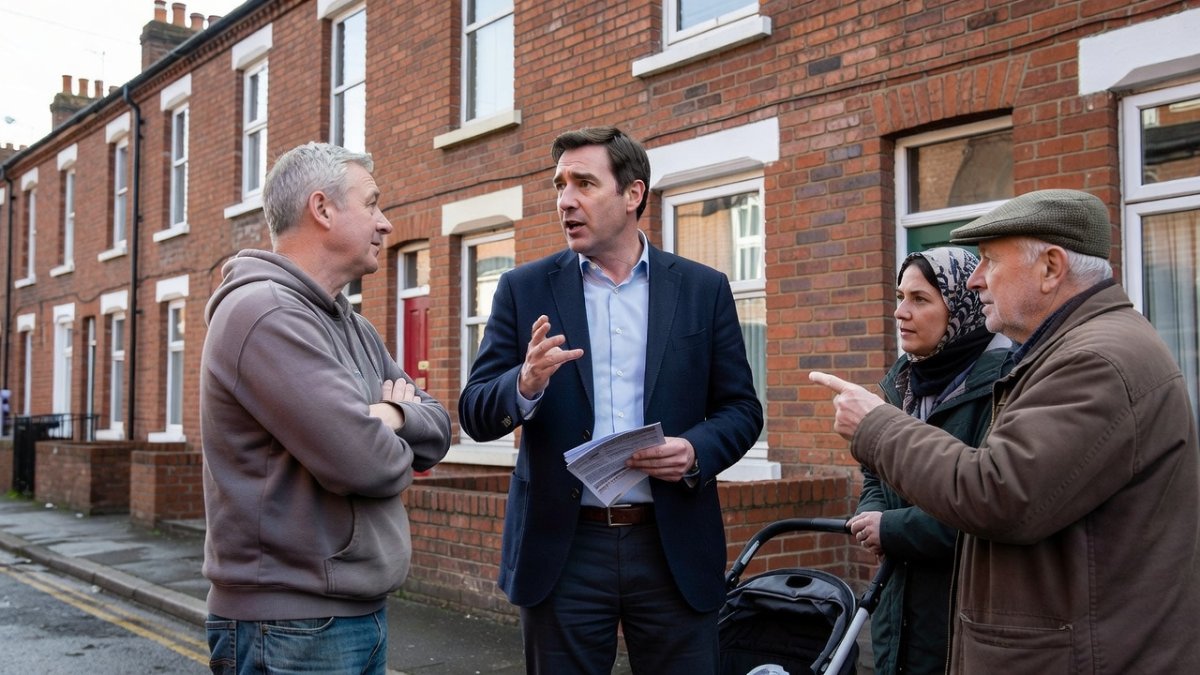
Campaigning has highlighted dissatisfaction with mainstream parties on immigration and cultural issues. Reform's second-place finish in 2024 provided organisational momentum, and activists report strong canvassing returns in former Conservative wards such as Winstanley and Orrell. Whether this translates into votes on 18 June remains the central question for Farage's party.
Local Pressures: Flooding, Policing and Housing in Wigan Borough
Channel 4 News correspondent Gary Gibbon has reported that doorstep conversations in the constituency centre on three recurring local concerns. Flooding remains a persistent problem along the River Douglas and in low-lying areas of Hindley and Abram, with residents citing inadequate drainage investment by the Environment Agency. Greater Manchester Police statistics for 2025 show response times in Wigan borough lagging behind the force average, fuelling demands for additional neighbourhood officers.
Housing affordability has also emerged as a flashpoint. Wigan Council's latest housing needs assessment indicates a shortfall of 1,200 affordable homes annually, with private rents having risen 14 per cent since 2023. Candidates from all parties have been pressed on planning policy and the role of the Greater Manchester Spatial Framework in addressing supply constraints.
Polling Insights on Cost of Living, Wealth and Public Services
A 38 Degrees and Survation survey conducted on 10 June 2026 among 518 eligible voters in the constituency reveals clear policy preferences. Some 72 per cent said the minimum wage should be raised to cover the cost of living, while nearly three-quarters supported renationalisation of water companies. A majority of 54 per cent backed a wealth tax on assets exceeding 10 million pounds, and 57 per cent favoured statutory sick pay from the first day of illness.
Attitudes towards employment rights were more divided: 47 per cent wished to retain the existing ban on fire-and-rehire practices, while 42 per cent supported its removal. The same poll found 55 per cent less likely to support a candidate with offensive social media history, a finding that may influence how Reform UK's campaign messaging lands with undecided voters.
The National Stakes for Starmer and Reform's Trajectory
Beyond Wigan borough the contest carries immediate consequences for both major parties. A narrow Labour victory would be presented by Downing Street as confirmation of continued northern support, yet a significantly reduced majority would intensify speculation about Starmer's position. Conversely, a Reform UK win or near-miss would accelerate claims that the party is displacing the Conservatives as the principal opposition to Labour in parts of England.
Westminster sources indicate that several Labour MPs in marginal northern seats are monitoring the result closely. Should Burnham secure a comfortable margin, his allies are expected to intensify calls for a more interventionist economic agenda at the next party conference.
What Comes Next on 18 June and Beyond
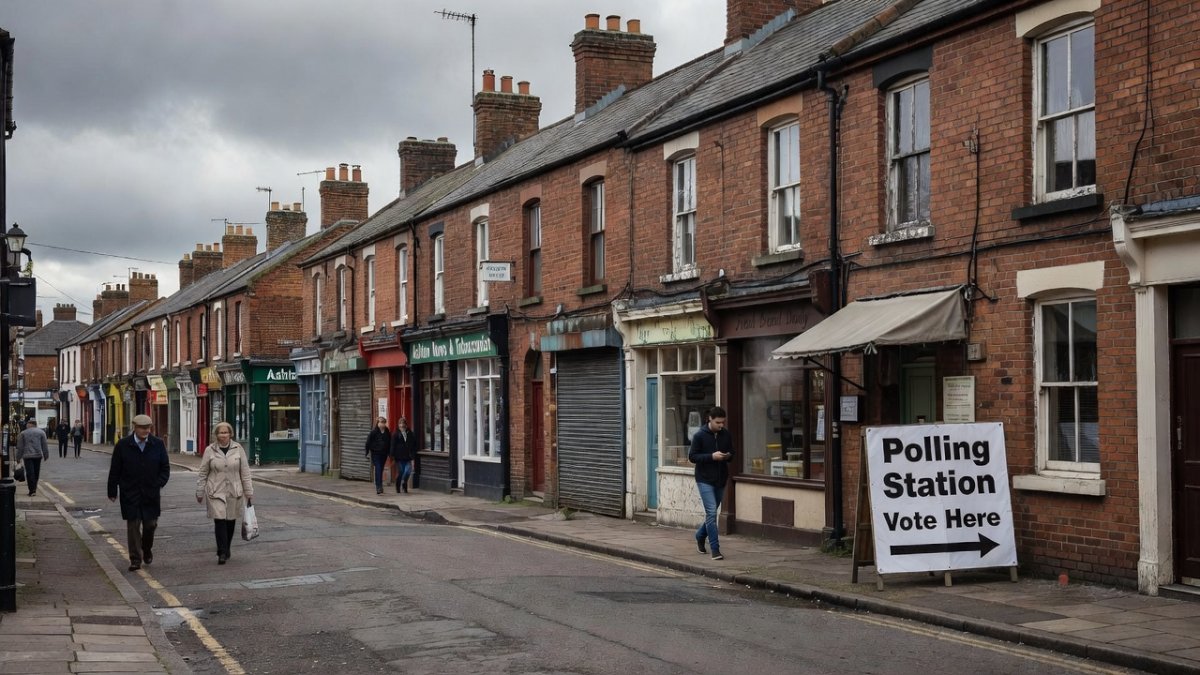
Polling stations open at 7am on 18 June across the six wards that comprise Makerfield. The count is expected to begin shortly after 10pm at Wigan Town Hall, with a declaration likely before midnight. All seven candidates — Burnham for Labour Co-operative, Kenyon for Reform UK, plus Dan Clarke of the Libertarian Party, independents John Dyer and Robert Pownall, Rebecca Shepherd of Restore Britain and Green Party candidate Sarah Wakefield — will be on the ballot.
Whatever the outcome, the by-election has already altered the terms of political debate in Greater Manchester. The convergence of local grievances with national leadership questions suggests that the result will reverberate well beyond the boundaries of Ashton-in-Makerfield and Hindley. Observers will be watching turnout figures particularly closely, as they may indicate whether voters view the contest as a genuine choice or a foregone conclusion.
By Erica Thornton, Staff Writer
This article was produced with AI-assisted research and editorial support. Reporting is based on sources cited in the article.
What's Your Reaction?
 Like
0
Like
0
 Dislike
0
Dislike
0
 Love
0
Love
0
 Funny
0
Funny
0
 Wow
0
Wow
0
 Sad
0
Sad
0
 Angry
0
Angry
0

US Politics and Policy Correspondent at Global1.News. Based in Washington DC, covering American politics, policy, elections, and the courts. Knows how the system works and tells you what it actually means.














Comments (0)