
Maersk Suez Canal Resumption Signals Red Sea Recovery
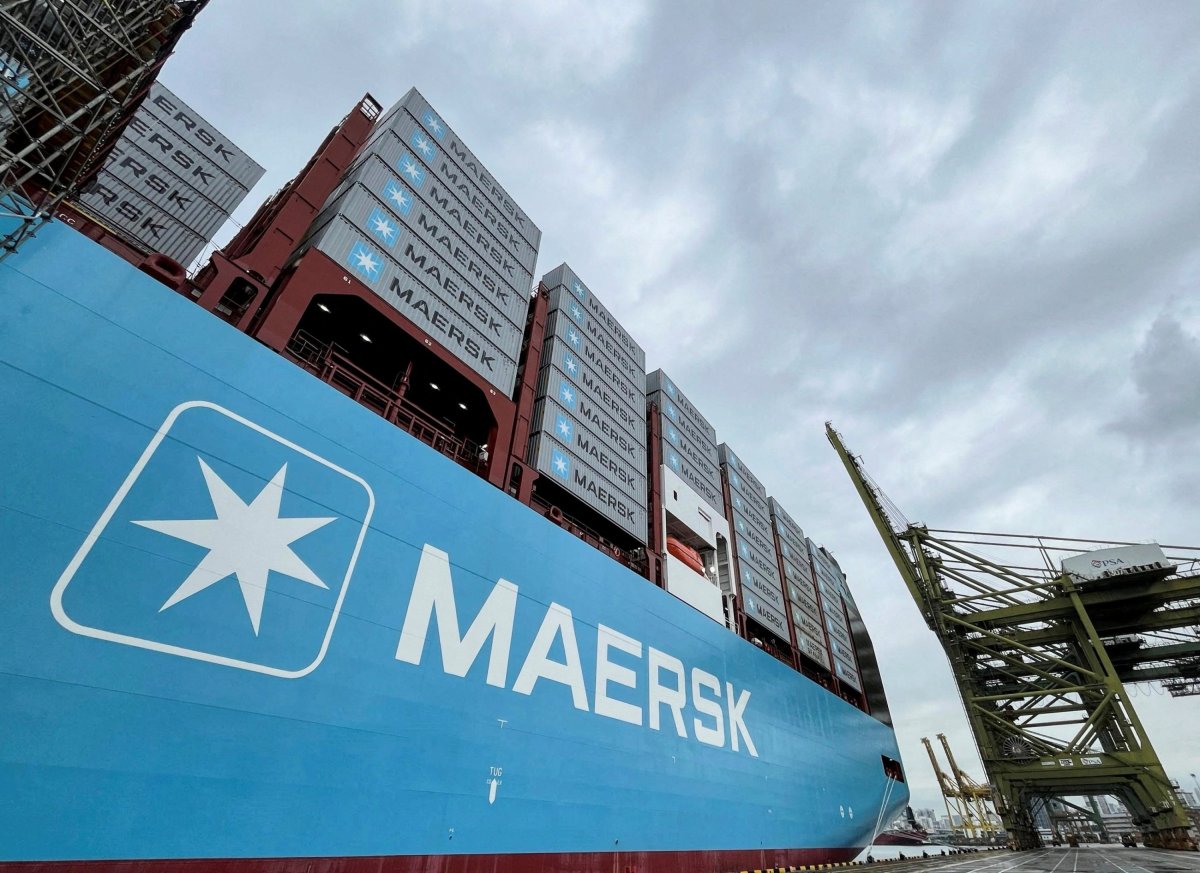
Maersk Suez Canal Resumption Signals Red Sea Recovery Maersk resumes MECL service through Suez Canal in July 2026, cutting transit times as Houthi threats ease after the 2026 Iran war and Strait of Hormuz disruptions reshape Gulf trade routes. **Keywords:** Maersk Suez Canal, Red Sea shipping, Houthi attacks, Iran war 2026, Strait of Hormuz, Egypt Suez revenues, Gemini network
Transit Time Gains and Operational Details
Westbound voyages are expected to shorten by an average of seven days. Eastbound sailings could improve by as much as 14 days compared with the Cape of Good Hope routing. These savings matter for time-sensitive cargo such as refrigerated goods and certain chemicals that lose value or require precise scheduling.
Maersk had already signaled on July 6 that selected sailings under its Gemini cooperation with Hapag-Lloyd would test the canal again. The phased approach allows the partners to monitor security conditions while gradually increasing volume.
Legacy of Houthi Attacks and Dual Chokepoint Crisis
Most carriers diverted Asia-Europe traffic away from the Red Sea after Houthi missile strikes began in late 2023. The attacks followed the escalation of the Israel-Hamas conflict and targeted vessels linked to companies with Israeli connections or ownership.
The situation worsened in 2026 when the United States and Israel launched an air campaign against Iran on February 28. Iran’s Islamic Revolutionary Guard Corps responded by restricting access to the Strait of Hormuz, boarding merchant ships, and deploying sea mines. The simultaneous closure risks at both the Suez-Red Sea corridor and the Strait of Hormuz created the most severe maritime disruption in the region since the 1970s.
Egypt’s Revenue Challenge and Canal Authority Response
Egypt’s Suez Canal Authority has worked to restore traffic volumes after revenues fell sharply during the diversion period. The canal normally accounts for roughly 12 percent of global trade and serves as a critical artery for energy shipments moving between the Middle East and Europe or Asia.
Lower transit numbers directly affect Egyptian foreign currency earnings and the government’s ability to fund infrastructure projects. Cairo has therefore coordinated with carriers on security assurances and pilotage arrangements to encourage a return.
Diverging Carrier Strategies in the Region
Maersk and Hapag-Lloyd have moved ahead with limited Suez transits, while other major lines such as CMA CGM have maintained a more cautious posture. The difference reflects varying risk assessments, insurance costs, and contractual obligations with shippers.
Maersk itself has also dealt with separate disruptions in the Gulf caused by the Iran conflict, with some vessels temporarily unable to enter or exit certain ports. These overlapping constraints illustrate how interconnected the region’s maritime routes remain.
Strategic Calculus for Gulf States and Energy Markets
Gulf producers, particularly Saudi Arabia and the UAE, rely on reliable export routes for crude oil and petrochemicals. Extended diversions around the Cape raise freight costs and delay deliveries, pressuring OPEC+ coordination and spot price stability.
A partial return through Suez could ease some of that pressure, yet carriers remain sensitive to any renewed Houthi activity or Iranian retaliation. The leverage each actor holds—Houthi missile capacity, Iranian control over the Strait of Hormuz, and Western naval presence—continues to shape routing decisions.
Second-Order Effects on Regional Alliances and Trade Security
The gradual resumption of Suez traffic may support Egypt’s economic position and reduce some of the fiscal strain felt since 2023. It also tests whether the post-2026 security environment in the Red Sea has improved enough for sustained commercial use.
Broader implications include potential shifts in insurance premiums, adjustments to just-in-time supply chains serving European and U.S. markets, and renewed attention to alternative corridors such as rail links across the Arabian Peninsula. The episode underscores how maritime chokepoints remain central to both regional power balances and global energy security.
By Malik Hassan, Staff WriterThis article was produced with AI-assisted research and editorial support. Reporting is based on sources cited in the article.
What's Your Reaction?
 Like
0
Like
0
 Dislike
0
Dislike
0
 Love
0
Love
0
 Funny
0
Funny
0
 Wow
0
Wow
0
 Sad
0
Sad
0
 Angry
0
Angry
0

Middle East Correspondent at Global1.News. Based in Beirut, covering politics, conflict, energy, and society across the Middle East. Brings context and depth to a region often reduced to headlines.












Comments (0)