
NATO's Ammo Procurement Drive: Ankara Summit Redraws Defense
In a recent episode of The Security Brief, BBC News presenter Christian Fraser and former senior British military officer Mikey Kay examined the extraordinary scale of NATO's ammunition procurement drive — a multibillion-dollar industrial mobilization that alliance leaders say is designed to deter Russia and ensure that allied stockpiles never again run critically low. The epis
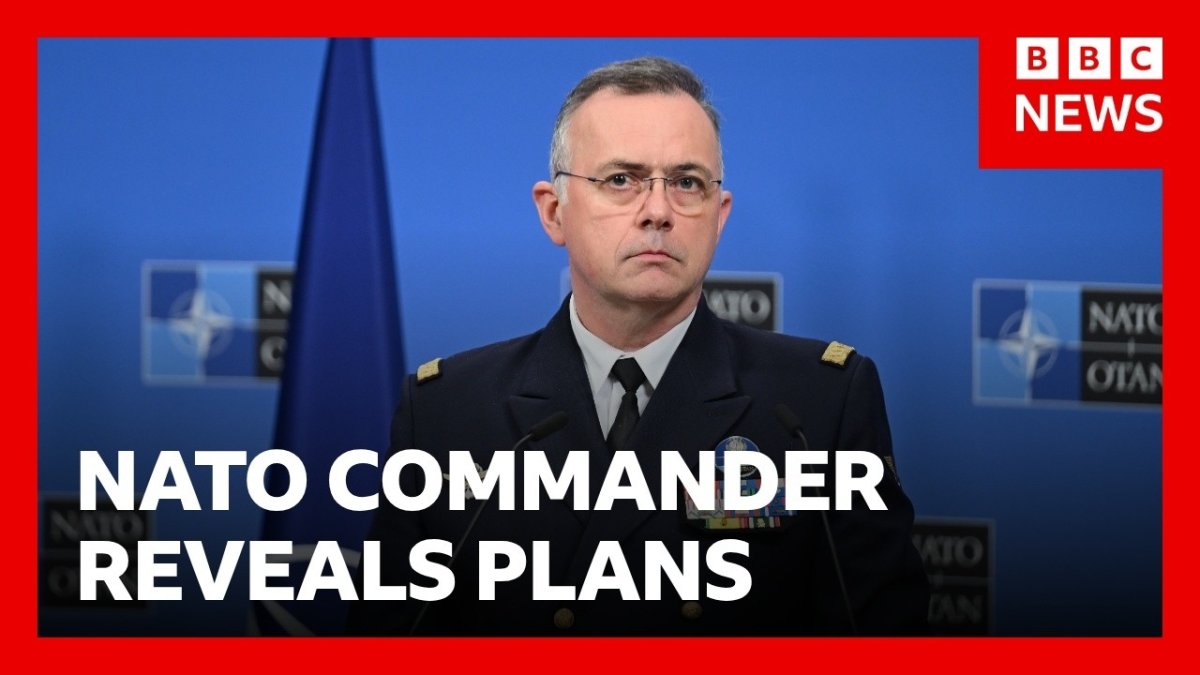
In a recent episode of The Security Brief, BBC News presenter Christian Fraser and former senior British military officer Mikey Kay examined the extraordinary scale of NATO's ammunition procurement drive — a multibillion-dollar industrial mobilization that alliance leaders say is designed to deter Russia and ensure that allied stockpiles never again run critically low. The episode arrives as NATO concludes its 2026 Ankara Summit, where leaders signed off on more than $50 billion in new defense contracts and outlined plans to transform the alliance's industrial base into a war-ready production machine.
NATO Unveils 'Massive Amount of Ammo' Procurement Drive as Ankara Summit Redraws Alliance Defense Posture
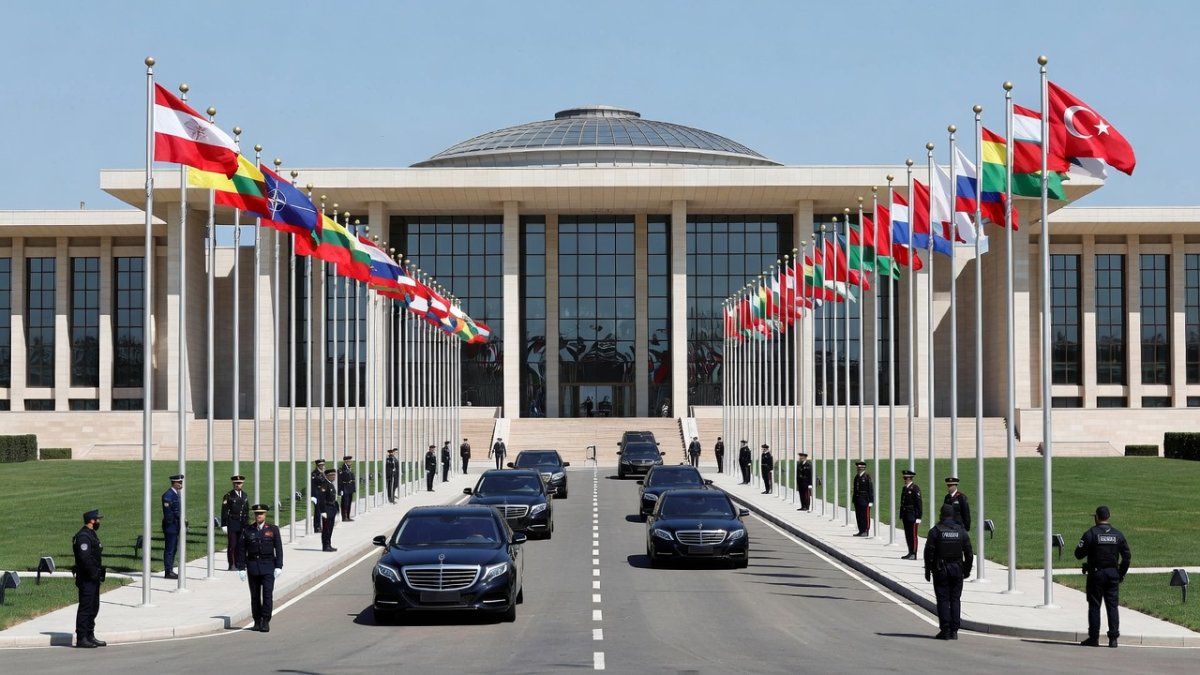
Ankara, Turkiye – 9 July 2026 — The North Atlantic Treaty Organization has unveiled its largest peacetime ammunition procurement and defense industrial investment program in decades, with leaders at the Ankara Summit pledging tens of billions of dollars to replenish depleted stockpiles, expand production capacity, and ensure the alliance can sustain a protracted conflict against a peer adversary. The scale of the commitment, described by NATO Secretary General Mark Rutte as a fundamental shift from "setting targets to delivering results," reflects a strategic realignment triggered by Russia's war in Ukraine and the recognition that Cold War-era stockpile assumptions no longer apply.
The Scale of the Procurement Drive
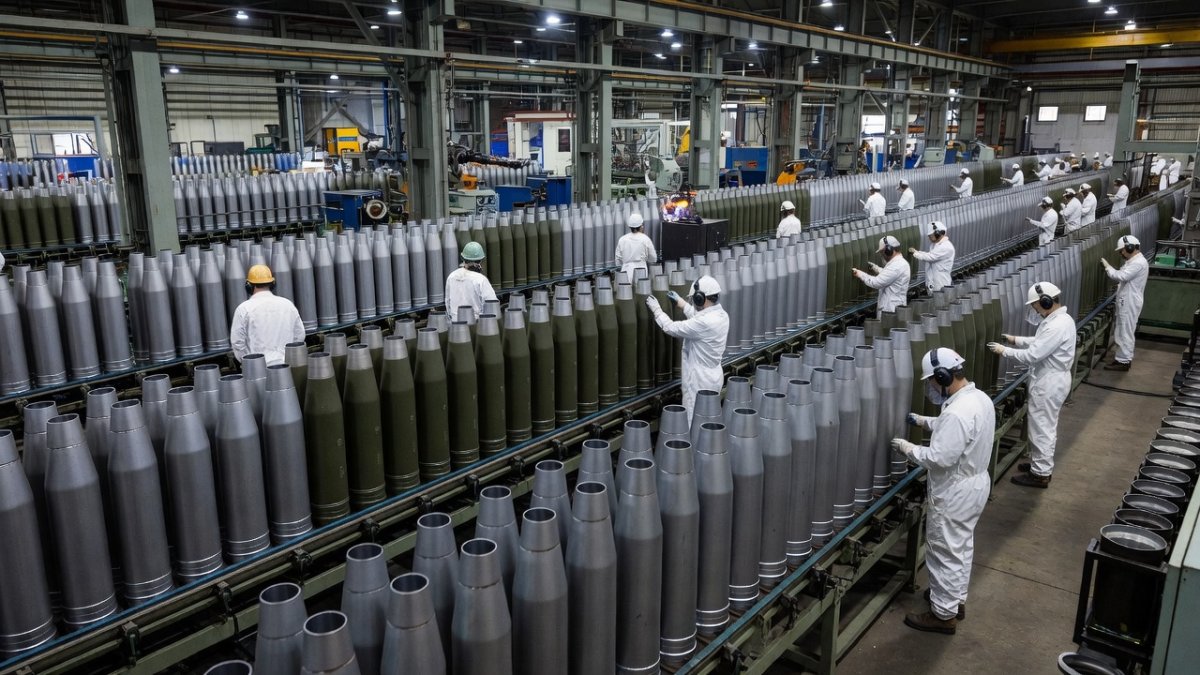
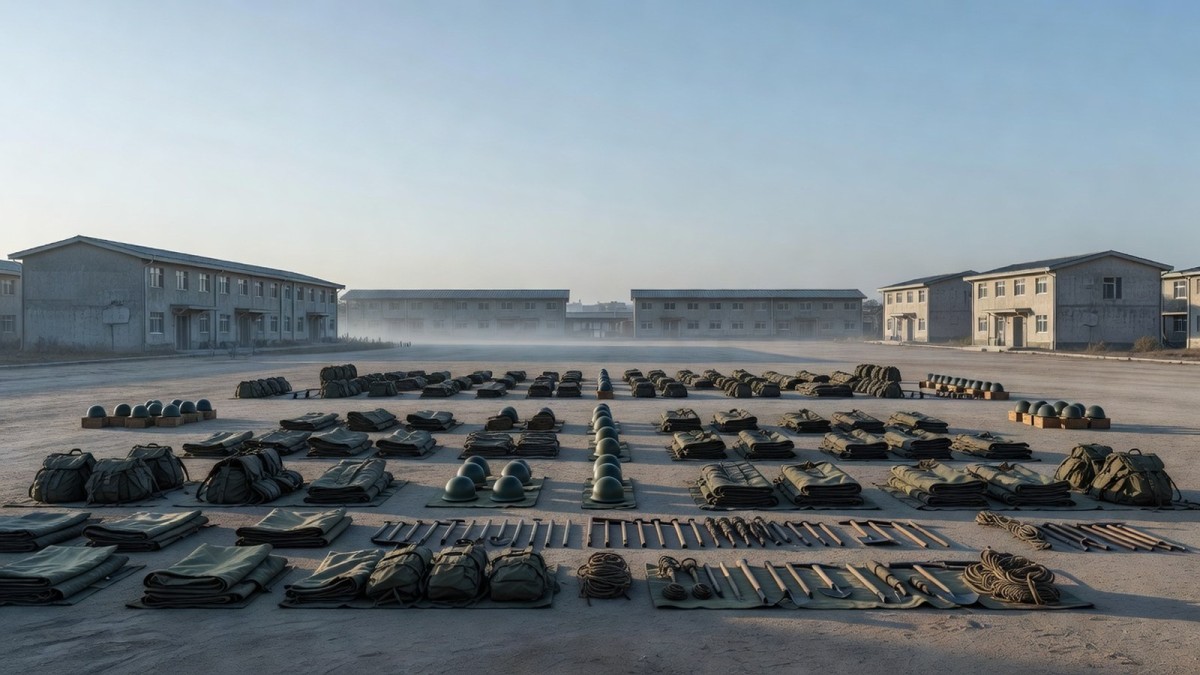
At the heart of the Ankara Summit's defense industrial agenda is a recognition that NATO's ammunition stockpiles — drained by nearly four years of sustained transfers to Ukraine — require urgent and massive replenishment. The NATO Summit Defense Industry Forum, held on the summit's first day on July 7, announced procurement agreements worth more than $50 billion, with a significant portion allocated specifically to artillery ammunition, missile systems, and precision-guided munitions. NATO Secretary General Mark Rutte emphasized that the alliance must move beyond aspirational goals toward concrete output, noting that previous targets had failed to keep pace with battlefield demands. European production capacity for 155mm shells has risen from approximately 300,000 rounds annually before the war to an estimated 2.8 to 3 million rounds per year by 2026, according to independent defense analysts. Germany's Rheinmetall, one of the alliance's largest munitions producers, aims to manufacture 1.5 million 155mm shells annually by 2027, with production lines running at capacity across its facilities in Germany, Hungary, and Spain. The United States has also committed to expanding its artillery ammunition footprint in Europe. A framework agreement between Northrop Grumman and Poland's Niewiadow-PGM will see the production of over 180,000 155mm artillery shells each year on Polish soil, marking a significant expansion of NATO's in-European production capacity and reducing the logistical burden of transatlantic supply chains. Turkish President Recep Tayyip Erdogan, as host, highlighted the role of Turkish defense firms in contributing to these targets, underscoring Ankara's position as a key manufacturing hub within the alliance. This surge addresses immediate shortfalls while laying groundwork for sustained output that could support both current operations and future contingencies.
Beyond Artillery Shells — A Comprehensive Arsenal
The ammunition buildup extends far beyond 155mm shells. NATO leaders approved a series of major procurement programs at the Ankara Summit that cover virtually every domain of modern warfare. The alliance confirmed plans to replace its aging Boeing E-3A AWACS fleet with up to ten Saab GlobalEye airborne early warning aircraft, improving the alliance's surveillance and command capabilities for a new era of peer competition. On the maritime domain, a multinational consortium announced plans to acquire up to five Northrop Grumman MQ-4C Triton high-altitude surveillance drones, enhancing NATO's ability to monitor the Atlantic, Mediterranean, and Black Sea approaches. The alliance also confirmed the expansion of its Airbus A330 Multi-Role Tanker Transport fleet, with delivery of a tenth aircraft and plans to grow to twelve. Perhaps the most far-reaching capability announcement was the launch of NATO's Drone Edge initiative, a $40 billion five-year investment program in unmanned aerial systems, autonomous technologies, counter-drone capabilities, and rapid procurement mechanisms. The initiative draws directly on lessons from Ukraine, where drones have transformed the battlefield — from inexpensive commercial quadcopters to long-range one-way attack systems capable of striking hundreds of kilometers behind enemy lines. Additional commitments include establishing an Airbus A400M strategic airlift fleet to bolster rapid deployment across member states. These programs reflect a holistic approach that integrates air, sea, and land capabilities, ensuring NATO can project power and maintain situational awareness in contested environments. Christian Fraser noted in the BBC episode that such diversification prevents over-reliance on any single munition type.
The Industrial Mobilization Strategy
NATO's industrial strategy is built on the recognition that stockpile replenishment alone is insufficient — the alliance must also maintain the production capacity to sustain a protracted conflict. The Ankara Summit's NATO 3.0 framework emphasizes what officials call "industrial deterrence": the ability to outproduce an adversary in a prolonged war of attrition. To achieve this, the alliance is pursuing a three-pronged approach. First, member states are committing to long-term procurement contracts that give defense manufacturers the demand certainty needed to invest in new production lines. Second, NATO is fostering cross-border industrial cooperation, encouraging joint ventures like the Rheinmetall-expansion in Eastern Europe and the Northrop Grumman-Poland partnership. Third, the alliance is streamlining procurement bureaucracy through the NATO Security Investment Fund and rapid acquisition mechanisms designed to shorten the gap between identifying a capability gap and fielding the equipment. Secretary General Rutte described the approach as "made in NATO" cooperation, arguing that joint procurement and standardized production reduce costs, improve interoperability, and strengthen the alliance's collective industrial base. European allies and Canada have increased core defense spending by more than $139 billion in 2025 alone, pushing combined defense investments to approximately 4% of GDP — within striking distance of the 5% target set at the 2025 Hague Summit. Former senior British military officer Mikey Kay observed during the Security Brief discussion that these investments signal a permanent shift away from post-Cold War drawdowns. The strategy also incorporates fuel infrastructure modernization valued at $31.8 billion to support extended operations.
Ukraine — The Testing Ground
Ukraine remains both the immediate driver and the primary proving ground for NATO's ammunition expansion. The alliance pledged approximately $80 billion in military equipment, training, and assistance for Ukraine in 2026, with leaders committing to maintain at least the same level of support in 2027. This assistance flows through the NATO Security Assistance and Training for Ukraine (NSATU) framework, which coordinates long-term military support without direct NATO combat involvement. Ukrainian President Volodymyr Zelenskyy attended the summit and used the platform to press for additional air defense systems and ammunition. The urgency of his appeal reflected the relentless attritional nature of the conflict: Ukraine's artillery consumption rates have at times exceeded Western production capacity, forcing battlefield adaptations and underscoring the need for a permanent production surge rather than temporary measures. The alliance's ammunition pipeline to Ukraine serves a dual purpose. It sustains Kyiv's ability to defend its territory while simultaneously testing NATO's logistics, supply chain resilience, and production capacity in a real-world conflict environment. Every round delivered to Ukrainian forces provides operational data on manufacturing quality, logistics chain efficiency, and battlefield performance — lessons that are fed back into allied procurement planning. Turkish President Recep Tayyip Erdogan facilitated discussions on Black Sea logistics routes that could expedite future deliveries.
Russia's Response and the Strategic Calculus
From Moscow's perspective, NATO's ammunition buildup represents a direct strategic challenge. The Kremlin has long argued that the alliance's expansion and military modernization violate the spirit of post-Cold War security arrangements, and the scale of the current procurement drive — the largest since the Reagan-era military buildup of the 1980s — is unlikely to go unanswered. Russian defense industries have themselves been operating on a war footing since 2022, with artillery shell production estimated to have reached 3 to 3.5 million 155mm-equivalent rounds annually by 2026. Moscow has also deepened its military cooperation with Iran and North Korea, securing supplies of drones, artillery shells, and ballistic missiles that partially offset Western production advantages. Russian officials have warned that NATO's procurement drive risks triggering a new arms race that could destabilize European security architecture. However, analysts note a critical difference between the two sides. NATO's industrial expansion is taking place across a coalition of 32 democracies with a combined GDP more than twenty times that of Russia. The question, according to defense economists, is not whether the alliance can outproduce Moscow — it is whether it can sustain the political will to do so over a multi-year horizon, particularly as domestic political pressures shift in key member states. This dynamic directly influences NATO-Russia relations, with Moscow viewing the buildup as confirmation of its status as the alliance's primary long-term security challenge.
Analysis — A Strategic Turning Point
The Ankara Summit marks a watershed moment in NATO's post-Cold War evolution. The alliance is effectively transitioning from a reactive military organization — one that maintained minimum stockpiles and relied on surge capacity that would take years to activate — to a proactive industrial and military machine designed for sustained high-intensity conflict. This transformation carries profound implications for European security. NATO's ability to produce and field ammunition at scale determines not only the outcome of the war in Ukraine but the alliance's credibility as a deterrent against future Russian aggression. A NATO that cannot restock its own shelves while supporting a partner in active conflict is a NATO whose Article 5 commitments carry less weight. The $50 billion in contracts announced in Ankara, combined with the $40 billion Drone Edge initiative, the $31.8 billion fuel infrastructure modernization, and the $80 billion Ukraine pledge, represent a cascade of financial commitments that would have been politically unthinkable just five years ago. The challenge now is execution: translating budget numbers into factory output, factory output into battlefield capability, and battlefield capability into strategic deterrence. The Security Brief's examination of NATO's "massive amount of ammo" procurement drive captures a moment of profound strategic transition — one in which the alliance is betting that industrial capacity, not tactical brilliance, will determine the outcome of the next great power conflict.
By Irina Volkov, Staff Writer
This article was produced with AI-assisted research and editorial support. Reporting is based on sources cited in the article.
What's Your Reaction?
 Like
0
Like
0
 Dislike
0
Dislike
0
 Love
0
Love
0
 Funny
0
Funny
0
 Wow
0
Wow
0
 Sad
0
Sad
0
 Angry
0
Angry
0
Russia/Eastern Europe Correspondent at Global1.News. Covering Russian politics, energy, security, and the shifting dynamics of the post-Soviet space. Provides clear-eyed analysis on one of the world's most opaque regions.











Comments (0)