
LTX 2.3 LoRA Training Democratizes AI Video Creation
Open-source AI video generation just hit a major milestone. A new tutorial from Aitrepreneur shows anyone with an 8GB GPU can train custom LTX 2.3 LoRA models — generating personalized video with synchronized voice, all running locally on their own hardware. It's democratization in action, and it's raising urgent questions about where this technology is headed. LTX 2.3 LoRA Tra
Open-source AI video generation just hit a major milestone. A new tutorial from Aitrepreneur shows anyone with an 8GB GPU can train custom LTX 2.3 LoRA models — generating personalized video with synchronized voice, all running locally on their own hardware. It's democratization in action, and it's raising urgent questions about where this technology is headed.
LTX 2.3 LoRA Training Puts Custom AI Video Generation on Any Desktop
Atlanta, GA – June 8, 2026 — 
This development marks a clear acceleration in accessible AI video tools. Lightricks open-sourced LTX 2.3 without paywalls, allowing local execution rather than cloud-only services. The result is a shift where individuals control their own datasets instead of relying on corporate APIs.
LTX 2.3 Technical Foundation and LoRA Efficiency
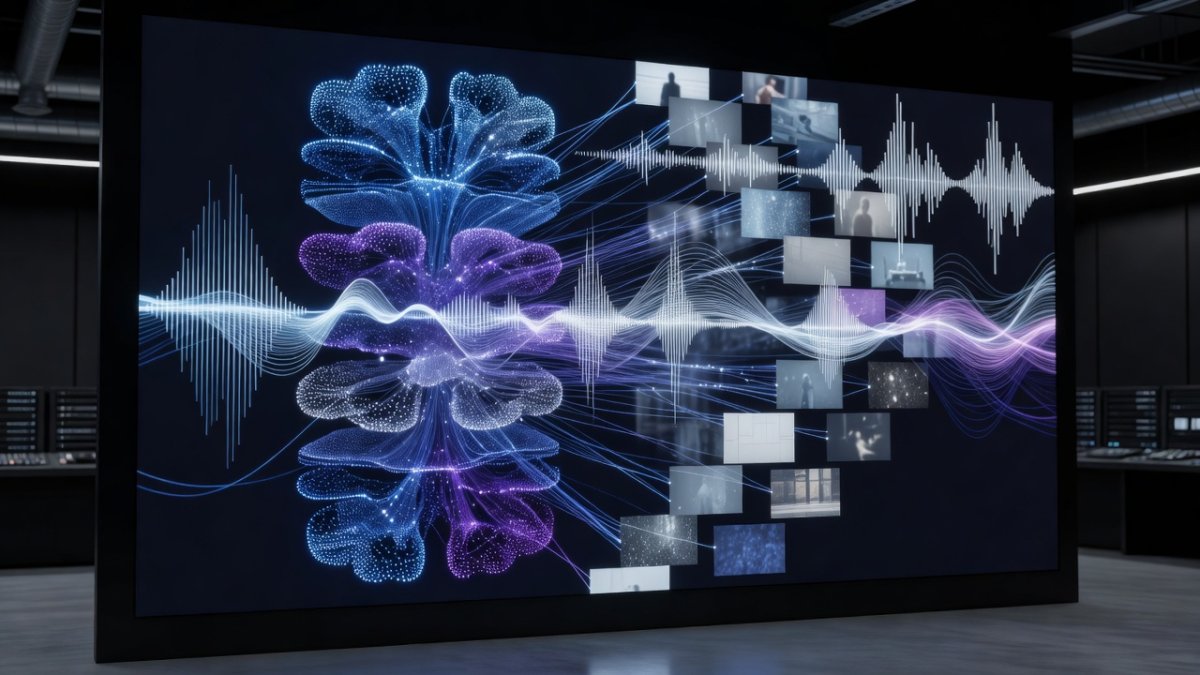
LTX 2.3 processes video frames and audio waveforms inside one unified model. LoRA adapters reduce the memory footprint, enabling training on hardware that costs under $1,000 at retail. Aitrepreneur's video walks through dataset preparation, captioning, and 500-step fine-tuning runs that complete in hours on a single RTX 4060. These numbers come directly from the demonstrated workflow, not marketing claims.
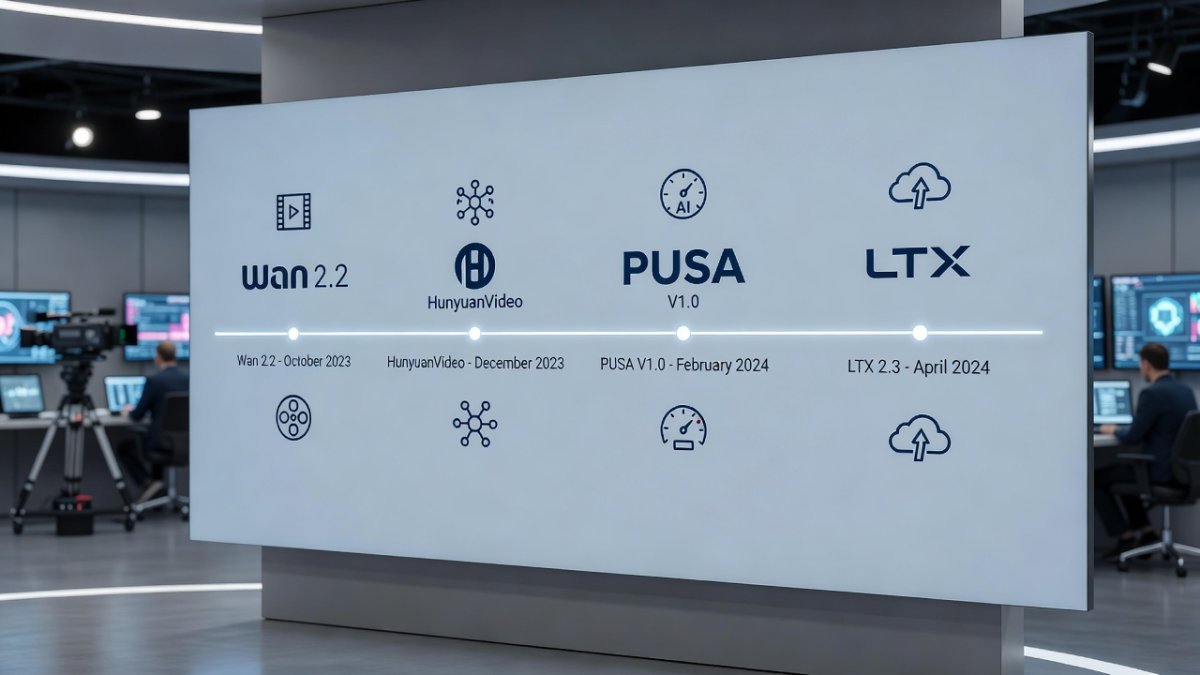
Comparison with Wan 2.2, HunyuanVideo, and PUSA V1.0
The open-source video space expanded rapidly after Lightricks' release. Wan 2.2 introduced improved motion coherence in March 2026. HunyuanVideo followed with stronger text-to-video alignment in May. PUSA V1.0 added native 1080p output in July. LTX 2.3 stands apart because it natively generates synchronized audio, removing the need for separate voice-cloning pipelines. Each model lowered the barrier further, yet LTX 2.3 plus LoRA training removes the final hardware gate.
Real-World Empowerment and the Associated Press Warning
Creators can now produce consistent characters across multiple scenes without studio budgets. Independent filmmakers in Austin and Bangalore report testing early LoRA checkpoints for short-form projects. At the same time, the Associated Press documented AI-generated videos of Hurricane Melissa circulating on social media in September 2026, showing how easily synthetic footage spreads during real events. The AP clip at https://www.youtube.com/watch?v=WnhxayLytkQ illustrates the exact risk: low-cost local training makes both creative tools and misinformation vectors available to the same users.
Ethical Trade-offs Backed by Current Evidence
Supporters cite the 8GB VRAM threshold as genuine democratization. Critics point to the absence of built-in watermarking in the base LTX 2.3 weights. No major platform has yet mandated detection for locally generated files. The Aitrepreneur tutorial itself includes NSFW dataset examples, confirming that content filters remain user-controlled rather than enforced at the model level. These facts create a narrow window where technical progress outpaces regulatory response.
Next Steps for Users and Platforms
Anyone with compatible hardware can follow the Aitrepreneur workflow today. Lightricks continues to release updated base weights monthly. Platforms hosting user-generated video will need detection tools calibrated to these new local models. The combination of open weights, efficient LoRA methods, and consumer GPUs has already moved AI video creation from cloud labs to home desks. How society manages the resulting content remains an open question measured in months, not years.
By Jessica Ali, Staff Writer
This article was produced with AI-assisted research and editorial support. Reporting is based on sources cited in the article.
What's Your Reaction?
 Like
0
Like
0
 Dislike
0
Dislike
0
 Love
0
Love
0
 Funny
0
Funny
0
 Wow
0
Wow
0
 Sad
0
Sad
0
 Angry
0
Angry
0

Editor-in-Chief at Global1.News. Atlanta-based journalist who cuts through the BS and tells it like it is. Lead anchor, host, and the voice you hear when the spin stops and the truth starts.















Comments (0)