
Lebanon, Syria Join US CENTCOM Security Talks in Bahrain
The i24NEWS English YouTube video examines the first-ever participation of military leaders from Syria and Lebanon in a US Central Command regional security dialogue hosted by the Bahrain Defense Force in Manama. The segment features analysis from a former White House National Security Council Director for Syria and Lebanon, who places the event within the broader context of sh
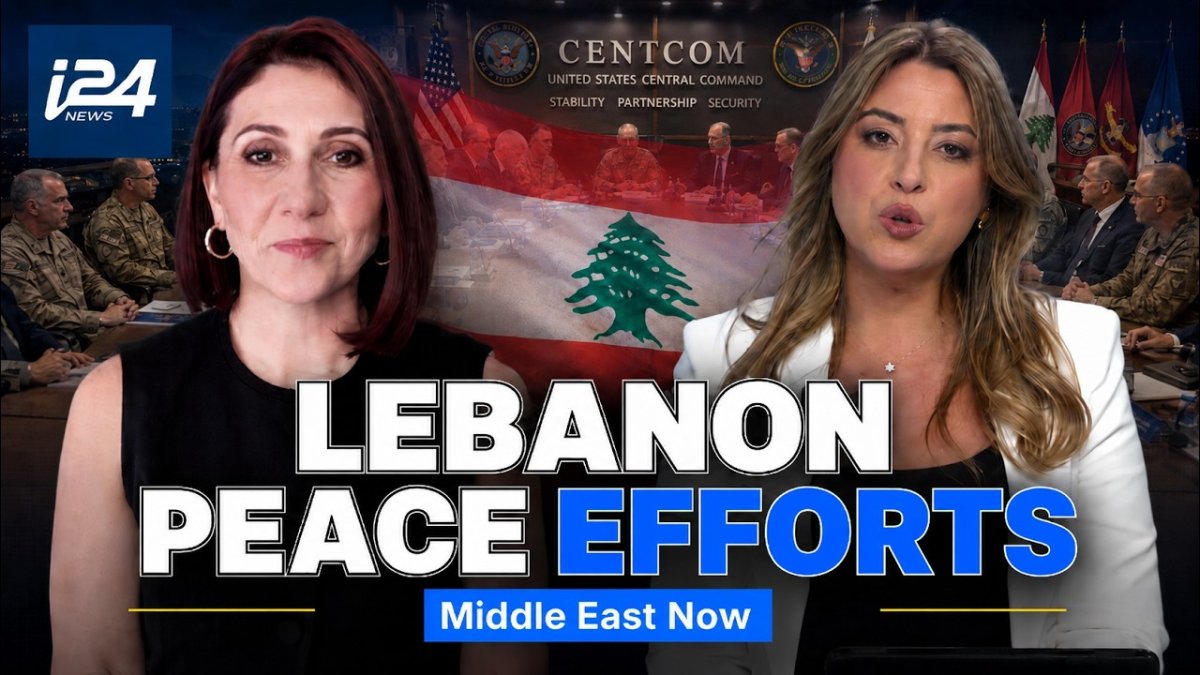
The CENTCOM Security Dialogue in Manama
US Central Command led the regional security dialogue on July 1-2 in Manama, Bahrain, with Admiral Brad Cooper presiding over the sessions. Twelve nations took part, including Bahrain, Egypt, Jordan, Kuwait, Lebanon, Oman, Qatar, Saudi Arabia, Syria, the UAE, Yemen, and the United States. Discussions centered on the regional security environment, defense collaboration, and ensuring the free flow of commerce through the Strait of Hormuz.
Admiral Brad Cooper stated that the United States continues to stand shoulder to shoulder with regional partners, noting that the discussions underscored a shared commitment to regional security and stability. CENTCOM and participating countries had already established a Middle Eastern Air Defense coordination cell in January 2026 to improve joint responses to aerial threats.
The Bahrain Defense Force provided the venue for these talks, marking another instance of Gulf states hosting multilateral defense forums under US leadership. Israeli defense officials have welcomed the expanded CENTCOM coordination as a practical extension of the security architecture first advanced through the Abraham Accords.
Syria's Return to Regional Diplomacy
Syria's participation marks its return to regional diplomacy after the fall of President Bashar Assad and his regime in December 2024, which ended a 14-year civil war. New authorities in Damascus are actively working to improve relations with Washington through such multilateral channels.
The inclusion of Syrian military representatives alongside traditional US partners reflects Damascus's effort to reengage with American-led security structures. This step follows months of quiet diplomatic outreach and positions Syria within discussions on maritime security and air defense coordination that directly affect Israeli interests on the northern border.
Israeli analysts view Syria's presence in Manama as validation that the post-Assad transition can contribute to broader regional stability rather than renewed conflict. The move aligns with Israel's long-standing preference for diplomatic and security arrangements that reduce Iranian influence across the Levant.
Lebanon's Role and the Trilateral Framework
Lebanese Armed Forces participation received explicit recognition in the Israel-Lebanon Framework Agreement signed on June 26, 2026, in Washington, D.C. The trilateral agreement involving the United States, Israel, and Lebanon was brokered by the Trump administration, with Secretary Marco Rubio playing a central role.
Under the framework, the IDF will withdraw from southern Lebanon and transfer security responsibilities to the Lebanese Armed Forces. Those forces are tasked with overseeing Hezbollah disarmament as part of the agreement reached after peace talks that began in April 2026 following renewed fighting between Israel and Hezbollah.
Israel has consistently identified the Lebanese Armed Forces as the necessary partner for stabilizing southern Lebanon after any IDF withdrawal. The Manama talks provided an additional venue for Lebanese officers to coordinate with CENTCOM on implementation steps tied to the June 26 framework.
US-Iran Indirect Talks and the Strait of Hormuz
The Bahrain dialogue occurred while the United States and Iran conduct indirect talks in Doha aimed at reaching a peace agreement. Iran had blocked the Strait of Hormuz during the recent conflict, making the full reopening of the waterway to international shipping a central element of the current negotiations.
US and Iranian representatives recently signed a deal to end their conflict, with the Manama sessions reinforcing the importance of secure maritime routes for all regional economies. The participation of both Syria and Lebanon in these talks signals that even former conflict zones are being drawn into arrangements that prioritize commerce and stability over disruption.
Israeli officials monitor the Doha channel closely because any arrangement affecting the Strait of Hormuz also influences energy security and potential Iranian leverage in future confrontations. The CENTCOM forum offered a parallel track for military-to-military communication that bypasses direct Iranian involvement.
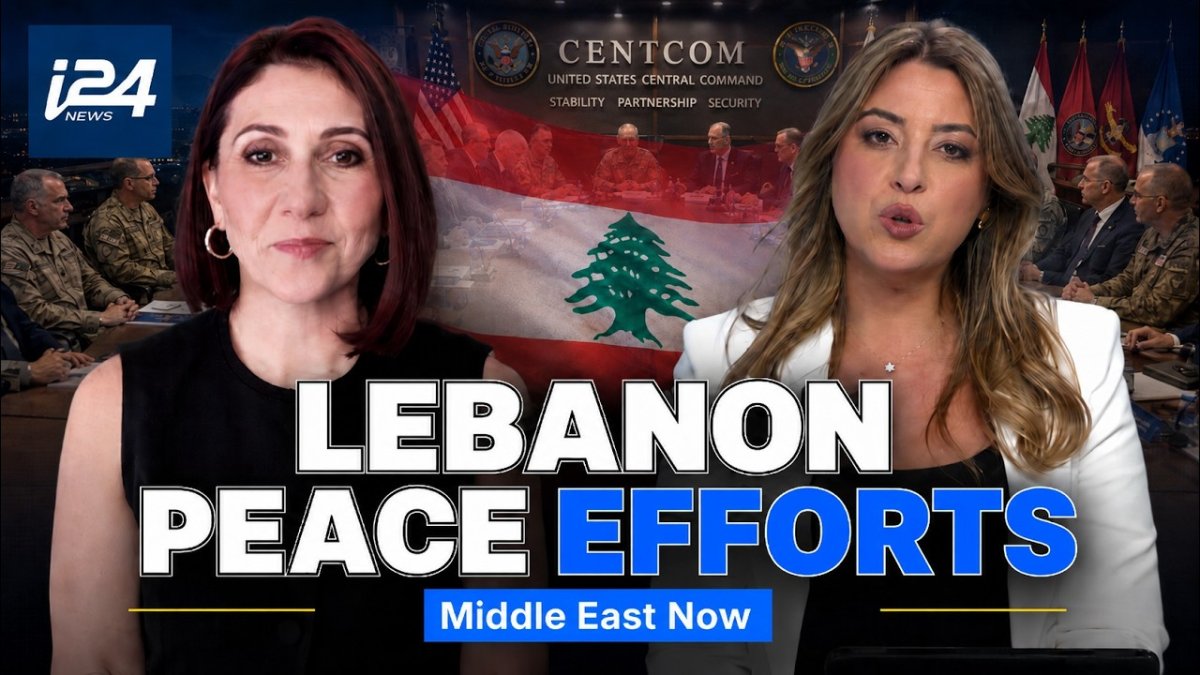
Israeli Perspectives on Regional Normalization
Israel regards the CENTCOM talks as further validation of the Abraham Accords model, in which normalization and security coordination replace prolonged conflict. The presence of Syrian and Lebanese representatives alongside Gulf states demonstrates that this approach can extend beyond the original signatories.
Israeli defense officials have noted that increased CENTCOM coordination across multiple countries strengthens deterrence against shared threats, including Iranian-backed networks. The dismantling of Hezbollah's military capabilities remains a core Israeli priority, and the Lebanese Armed Forces' expanded role under the June 26 framework is seen as essential to achieving that objective.
The Manama meeting also highlights how the United States continues to anchor regional security structures even as diplomatic tracks with Iran proceed in parallel. Israeli policymakers assess that sustained American engagement through CENTCOM reduces the risk of unilateral Iranian actions that could destabilize the northern border or maritime lanes.
Future Implications for Middle East Stability
The inclusion of Syria and Lebanon in the July 1-2 dialogue creates new opportunities for sustained military communication that could support implementation of the Israel-Lebanon Framework Agreement. Continued coordination through the Middle Eastern Air Defense cell established in January 2026 offers a practical mechanism for managing shared threats.
Israeli strategic assessments emphasize that these developments reinforce the shift toward integrated regional security arrangements. Such structures provide Israel with additional layers of partnership at a time when Hezbollah disarmament and border stabilization remain immediate operational requirements.
The Bahrain sessions underscore that security cooperation and diplomatic normalization can advance simultaneously across multiple tracks, including the indirect US-Iran channel in Doha. For Israel, the participation of former adversaries in US-led forums represents measurable progress toward a more predictable and less confrontational regional environment.
By Hannah Berg, Staff WriterThis article was produced with AI-assisted research and editorial support. Reporting is based on sources cited in the article.
What's Your Reaction?
 Like
0
Like
0
 Dislike
0
Dislike
0
 Love
0
Love
0
 Funny
0
Funny
0
 Wow
0
Wow
0
 Sad
0
Sad
0
 Angry
0
Angry
0
Israel Correspondent at Global1.News. Based in Tel Aviv, covering Israeli politics, security, technology, and society. Provides balanced, deeply-sourced reporting on one of the most closely-watched regions in the world.












Comments (0)