
Leaked US-Iran MoU Sparks Bipartisan Backlash in Washington
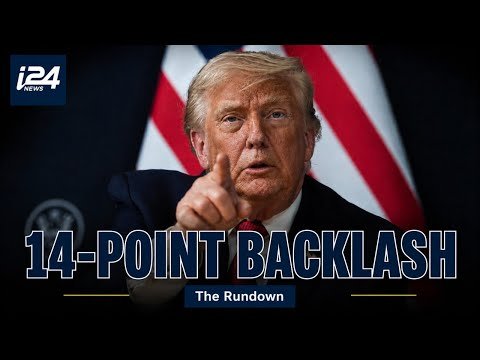
The i24NEWS English broadcast from earlier today examined the leaked 14-point draft Memorandum of Understanding between Washington and Tehran, showing how the document obtained by CNN and Euronews outlines a framework that President Trump has described as a path to ending hostilities with Iran. Lawmakers from both parties on Capitol Hill immediately voiced strong objections to
The i24NEWS English broadcast from earlier today examined the leaked 14-point draft Memorandum of Understanding between Washington and Tehran, showing how the document obtained by CNN and Euronews outlines a framework that President Trump has described as a path to ending hostilities with Iran. Lawmakers from both parties on Capitol Hill immediately voiced strong objections to the secrecy surrounding the talks and the absence of firm limits on Iran's nuclear and missile programs.
Leaked US-Iran MoU Draws Bipartisan Backlash from Lawmakers in Washington
Jerusalem, Israel – June 17, 2026 — The leaked draft Memorandum of Understanding has placed Israeli officials in a difficult position as they assess its potential effects on security along the northern border and in the Strait of Hormuz region. Prime Minister Benjamin Netanyahu stated that Israel does not know the full terms of the document, while opposition leader Benny Gantz labeled the MoU a strategic failure that could weaken deterrence against Iranian proxies.
Contents of the 14-Point Draft MoU
The document lists mutual respect for sovereignty as its first point and calls for an immediate and permanent cessation of hostilities that explicitly includes Lebanon. It requires the reopening of the Strait of Hormuz within 30 days under Iranian arrangements and the release of $24 billion in frozen Iranian assets held abroad, with phased sanctions relief tied to compliance milestones over a 60-day negotiating window that would also cover nuclear talks.
Additional points include the withdrawal of US forces from areas surrounding Iran and joint Iran-Oman management of Hormuz shipping traffic. Notably, the draft contains no explicit references to Iran's ballistic missile program or its network of proxy groups in several key sections, a gap that has drawn immediate criticism from security analysts in Tel Aviv.
Bipartisan Congressional Opposition in Washington
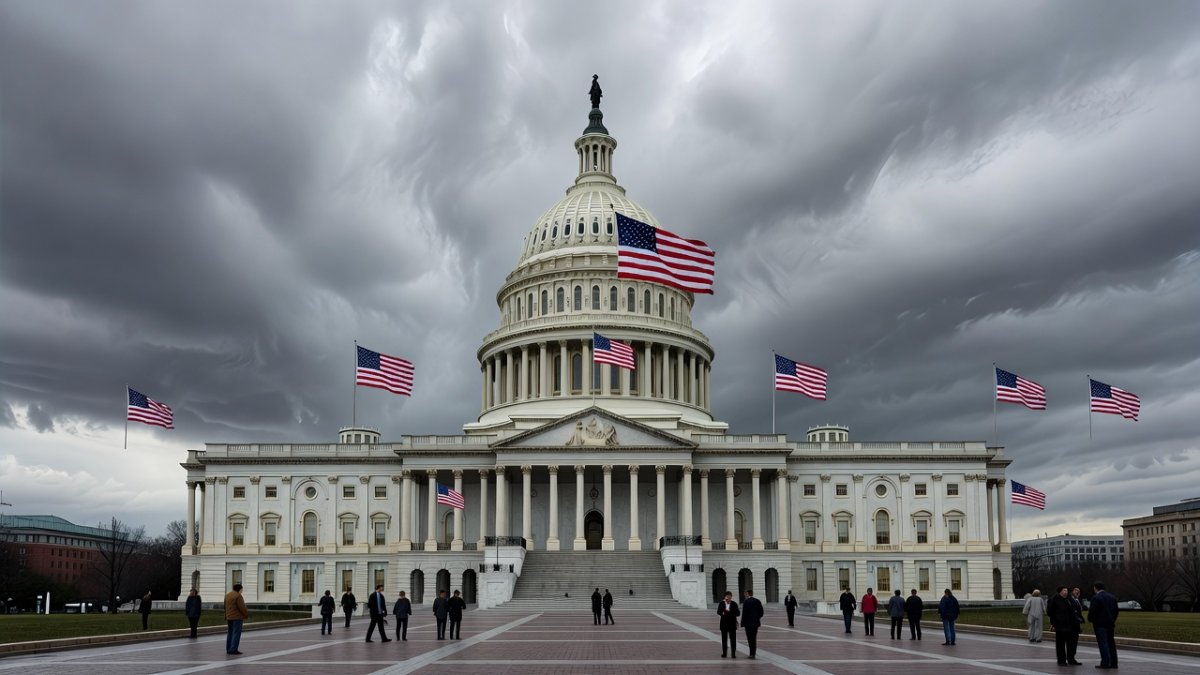
Senator Lindsey Graham of South Carolina compared the draft to the 2015 JCPOA and argued that the enrichment issue remains unresolved. Senate Republicans are now demanding a congressional vote before any implementation can proceed, while House Democrats have called for immediate hearings and full transparency on how the document was negotiated.
Senator Tom Cotton and other Republican hawks expressed alarm over the lack of binding restrictions on Iranian missile development. The bipartisan concern centers on the secrecy of the talks, with multiple members noting that the draft was not shared with relevant committees before it appeared in international media outlets.
President Trump's Comments at the G7 Summit
President Trump told reporters at the G7 summit that the agreement is not final and warned that he could return to bombing if Iran fails to comply with the outlined steps. He added that officials would know within days whether a formal signing could take place on Friday, June 19, in Geneva.
Israeli officials monitoring the summit noted Trump's emphasis on verification mechanisms, yet they remain concerned that any rapid US force withdrawal could create vacuums that Iran and its allies might exploit in Lebanon and Syria.
Israeli Leadership Reactions and Reservations
Prime Minister Netanyahu told the Knesset Foreign Affairs and Defense Committee that Israel had not received advance copies of the full text. Benny Gantz described the MoU as a strategic failure that risks repeating past mistakes by failing to address Iran's regional military posture.
Israeli defense officials in Tel Aviv have voiced deep apprehension about the proposed US force withdrawals, warning that such moves could embolden Hezbollah along the Lebanon border. The Lebanon ceasefire clause in the draft requires an Israeli withdrawal, a condition that has prompted urgent consultations between the Prime Minister's Office and IDF Northern Command.
Assessments by Israeli Security Agencies
Shin Bet and Mossad have begun internal assessments of how the MoU might affect Iranian proxy activity in Lebanon and Syria. Both agencies are examining the implications of the $24 billion asset release and the absence of missile-related language for Israel's qualitative military edge.
Defense Ministry sources in Tel Aviv indicated that the agencies will brief the security cabinet within 48 hours, focusing on scenarios in which Hezbollah could increase rocket deployments if US forces reduce their regional presence.
Regional Reactions Across the Middle East
Iranian state media outlets have published competing versions of the text, each emphasizing different points to domestic audiences. Hezbollah welcomed the MoU and credited Iranian resilience for the outcome, while Saudi Arabia and the United Arab Emirates have maintained a cautious public stance while monitoring developments through their own intelligence channels.
Pakistan has positioned itself as a mediator, with Prime Minister Shehbaz Sharif confirming his country's involvement in facilitating communications ahead of the planned Geneva signing on Friday. Israeli diplomats in Amman and Cairo have been instructed to gather reactions from Jordanian and Egyptian counterparts regarding the potential impact on Red Sea shipping routes.
By Hannah Berg, Staff Writer
This article was produced with AI-assisted research and editorial support. Reporting is based on sources cited in the article.
What's Your Reaction?
 Like
0
Like
0
 Dislike
0
Dislike
0
 Love
0
Love
0
 Funny
0
Funny
0
 Wow
0
Wow
0
 Sad
0
Sad
0
 Angry
0
Angry
0
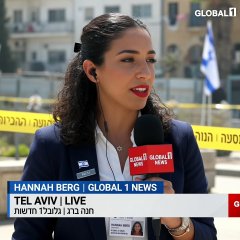
Israel Correspondent at Global1.News. Based in Tel Aviv, covering Israeli politics, security, technology, and society. Provides balanced, deeply-sourced reporting on one of the most closely-watched regions in the world.












Comments (0)