
Brazil's COP30 Legacy: Amazon Agriculture vs Infrastructure
Six months after hosting COP30 in the heart of the Amazon, Brazil finds itself entangled in a web of climate ambition and stark contradictions that threaten to undermine its global leadership. The summit promised transformative action, yet local realities reveal deepening divides between policy rhetoric and on-the-ground outcomes. From agricultural innovations to infrastructure
Six months after hosting COP30 in the heart of the Amazon, Brazil finds itself entangled in a web of climate ambition and stark contradictions that threaten to undermine its global leadership. The summit promised transformative action, yet local realities reveal deepening divides between policy rhetoric and on-the-ground outcomes. From agricultural innovations to infrastructure failures, the legacy exposes both progress and peril for the world's largest tropical forest nation.
Brazil's COP30 Legacy: Contradictions Deepen Six Months After the Amazon Summit
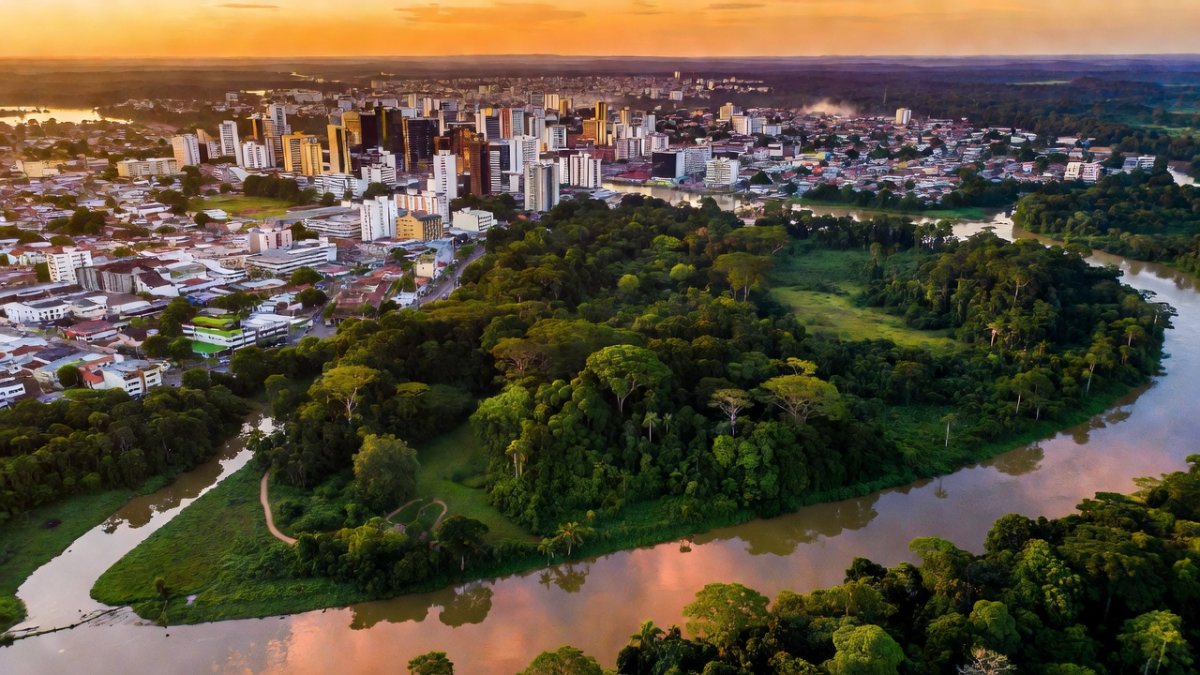
Belém, Pará – Brazil, June 2026 — In November 2025, COP30 brought over 50,000 delegates to Belém for the first UN climate summit held in the Amazon, where President Lula pledged emissions cuts of 59-67% by 2035 alongside the Mapa do Caminho fossil fuel phase-down roadmap and the Belém-Antalya Mechanism for just transition finance. Six months later, these commitments clash with visible scars across Pará state, including a controversial highway project and persistent rural debt reaching 171 billion reais or roughly 33 billion dollars, equivalent to 20% of agricultural loans. Deforestation alerts have dropped 30-50% from 2022 peaks to the lowest levels since 2007 according to INPE data, yet a Super El Niño looms over 2026-2027 harvests while carbon market talks drag on amid EU traceability pressures. The Tropical Forests Forever Facility offers hope, but institutions like Embrapa, IBAMA, ICMBio, MMA, MAPA and BNDES navigate a landscape where low-carbon gains via the ABC+ Plan compete with environmental degradation near the Avenida Liberdade corridor. This tension defines Brazil's post-COP30 reality, blending agricultural revolutions with community displacements that ripple across Latin America through MERCOSUL Verde standards.
Brazil's Agricultural Promise: A Low-Carbon Revolution
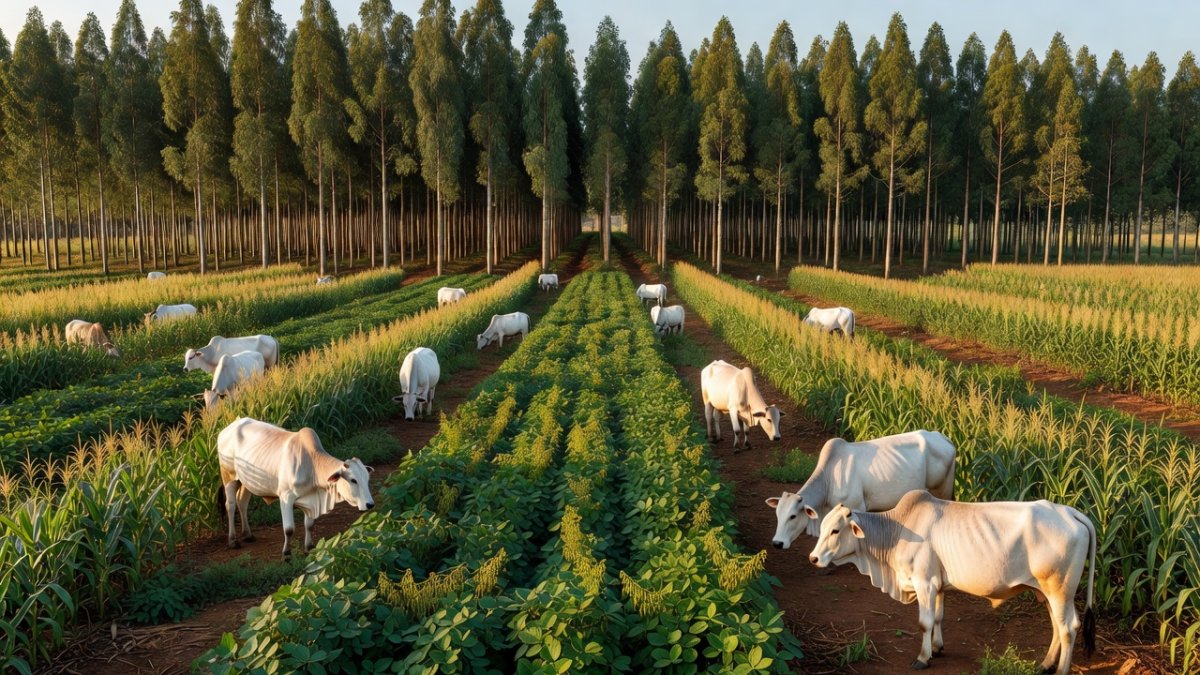
The ABC+ Plan stands as Brazil's flagship low-carbon agriculture program spanning 2020-2030, channeling resources through MAPA and BNDES to transform farming practices across millions of hectares. Integrated Crop-Livestock-Forestry systems promoted by Embrapa deliver two to three times the efficiency of monocultures while enhancing carbon sequestration and providing diversified income streams for producers. Biofuels trace roots to the Pró-Álcool initiative of the 1970s, now powering flex-fuel vehicles and bagasse cogeneration that reduces reliance on fossil inputs. ProCarbon-Soil, a collaboration between Embrapa and Bayer, implements carbon accounting on thousands of farms, complemented by ABC+Calc tools that precisely measure livestock methane reductions. ApexBrasil projections indicate integrated systems could slash livestock emission intensity by 92.6% by 2050, positioning Brazil as a global model. MERCOSUL Verde extends these sustainability standards regionally, fostering coordinated policies among neighbors. Yet scaling remains uneven, with IBAMA enforcement varying by state and smallholders often lacking access to BNDES financing. ICMBio monitors protected zones where these practices intersect with biodiversity goals. Data from INPE reinforces that such agricultural shifts contribute directly to the observed 30-50% deforestation decline. This revolution embodies data-driven hope, but its success hinges on sustained institutional coordination amid economic pressures.
The Highway Through the Forest: COP30's Infrastructure Scandal
Avenida Liberdade, a 13-kilometer four-lane highway slicing through Belém's Environmental Protection Area, epitomizes the infrastructure contradictions born from COP30 preparations. Construction cleared thousands of acres and removed up to 100,000 trees, including vital açaí palms that sustained local harvesters who received no compensation for lost income. The project consumed roughly 2 billion dollars in total spending, yet by early 2026 the corridor facilitated timber and cocaine smuggling while a promised convention center stood as an underused ghost facility amid raw sewage flowing through nearby streets. INPE recorded a 15% rise in deforestation alerts along the immediate corridor, directly contradicting summit pledges under the Mapa do Caminho. IBAMA struggled with oversight as MMA and ICMBio documented habitat fragmentation affecting endemic species. Local communities bore the brunt, their traditional livelihoods eroded without adequate transition support from BNDES or other mechanisms. This scandal highlights how rapid infrastructure pushes for international events can override environmental safeguards, even as Brazil promotes the Belém-Antalya Mechanism for just finance elsewhere. The highway's legacy underscores systemic gaps between ambitious global rhetoric and local execution failures that continue to draw scrutiny from civil society six months post-summit.
Indigenous Voices and Community Wounds
Kayapó chief Raoni emerged as a central figure in post-COP30 resistance, leading protests that exposed fractures between official narratives and indigenous realities. Fifty indigenous demonstrators stormed the Blue Zone during the summit, brandishing banners declaring "Our forest is not for sale" while demanding a mining ban and rigorous land rights enforcement. These actions spotlighted how COP30's presence in Belém amplified long-standing grievances rather than resolving them. ICMBio and IBAMA face ongoing challenges in protecting territories amid expanding agricultural frontiers backed by ABC+ incentives. Communities near the Avenida Liberdade corridor suffered disproportionate impacts, with bulldozed açaí groves symbolizing broader cultural and economic losses. Lula's 59-67% emissions reduction targets by 2035 ring hollow without stronger integration of indigenous knowledge into MMA policies. The Belém-Antalya Mechanism promised just transition funds, yet disbursement delays leave many groups without resources to adapt. Protests underscored demands for MERCOSUL Verde to incorporate indigenous land tenure standards across borders. Six months later, these voices persist in highlighting that genuine transformation requires more than summits; it demands enforceable protections that honor ancestral stewardship of the Amazon.
Deforestation Progress Meets a Debt Crisis
Amazon deforestation rates have fallen 30-50% from 2022 peaks, reaching the lowest figures since 2007 per INPE monitoring, a tangible win tied to enhanced IBAMA enforcement and ABC+ adoption. However, rural debt has ballooned to 171 billion reais, representing 20% of agricultural loans and straining producers amid Super El Niño threats to 2026-2027 harvests. The Tropical Forests Forever Facility provides a potential lifeline for conservation financing, yet negotiations over carbon markets remain stalled despite COP30 momentum. EU traceability requirements add pressure on exporters, forcing rapid compliance upgrades through Embrapa-led tools like ProCarbon-Soil. MAPA and BNDES continue directing resources toward low-emission systems, but smallholders grapple with repayment burdens that could reverse gains if unaddressed. ICMBio reports improved protected area integrity, yet corridor-adjacent spikes in alerts reveal localized vulnerabilities. This juxtaposition of progress and peril defines Brazil's current trajectory, where institutional efforts by MMA and partners yield measurable forest recovery alongside mounting financial stresses that threaten long-term stability for Latin American supply chains.
What This Means for Latin America
Brazil's COP30 legacy carries profound implications for Latin America, particularly through MERCOSUL Verde initiatives that seek unified sustainability standards across member nations. Agricultural breakthroughs via Embrapa's ILPF systems and ApexBrasil emission intensity reductions offer replicable models for neighbors facing similar commodity pressures. Yet infrastructure scandals like Avenida Liberdade raise alarms about environmental governance gaps that could spill across borders through shared ecosystems. The Belém-Antalya Mechanism aims to mobilize just transition finance regionally, but inconsistent implementation risks widening disparities between larger economies and smaller states. Indigenous resistance led by figures like Raoni inspires parallel movements demanding land rights enforcement continent-wide. With deforestation declining thanks to INPE data integration and MMA policies, opportunities exist for collaborative carbon accounting frameworks involving ICMBio expertise. Looming EU requirements and Super El Niño risks further bind regional fates, compelling coordinated responses from MAPA-aligned institutions. Ultimately, Brazil's contradictions serve as a cautionary blueprint, urging Latin American partners to balance ambition with accountability to avoid replicating Belém's post-summit tensions.
The Bottom Line — Ambition Gap or Genuine Transformation?
Six months after COP30, Brazil's legacy oscillates between genuine transformation and an ambition gap that data both celebrates and condemns. Agricultural revolutions through the ABC+ Plan, Embrapa innovations and biofuel legacies demonstrate scalable pathways to 59-67% emissions cuts by 2035, supported by institutions like BNDES and MAPA. Yet the Avenida Liberdade scandal, indigenous displacements and rural debt crisis expose how summit infrastructure and economic realities undermine these gains. Deforestation reductions tracked by INPE stand as victories, tempered by Super El Niño forecasts and stalled carbon markets. The Mapa do Caminho and Belém-Antalya Mechanism retain potential if paired with stronger IBAMA and ICMBio enforcement alongside MERCOSUL Verde expansion. For Latin America, this moment demands vigilance to convert contradictions into catalysts. Passionate implementation, rooted in data from ProCarbon-Soil and community inclusion, could still steer Brazil toward authentic leadership rather than deepening divides that echo far beyond the Amazon.
By Elena Vasquez, Staff Writer
This article was produced with AI-assisted research and editorial support. Reporting is based on sources cited in the article.
What's Your Reaction?
 Like
0
Like
0
 Dislike
0
Dislike
0
 Love
0
Love
0
 Funny
0
Funny
0
 Wow
0
Wow
0
 Sad
0
Sad
0
 Angry
0
Angry
0

Latin America Correspondent at Global1.News. Based in Mexico City, covering politics, economics, energy, and culture across the region. Brings an on-the-ground perspective to stories spanning from the Rio Grande to Patagonia.














Comments (0)