
2026 US-Iran War Pause: Trump Signals Friendly Negotiations
As the fragile three-day pause in the 2026 Iran war hangs in the balance, questions swirl over whether backchannel talks can prevent a devastating resumption of strikes that could engulf the entire Middle East. With US President Trump hinting at friendly negotiations and Israel bracing for potential Iranian proxy resurgence, the outcome may redefine regional power dynamics for years to come.
2026 Iran War Pause: Trump Signals Friendly Negotiations
Tel Aviv, Israel - The i24NEWS English video examines how long the pause in Iran-US fighting might endure after three consecutive days without strikes as of July 27-28 2026. The segment highlights statements from US President Trump aboard Air Force One and the role of mediators Qatar and Pakistan in conveying messages between Washington and Tehran.
Origins of the 2026 Iran War and the Recent Pause
The 2026 Iran war began on February 28 when US and Israeli forces launched coordinated airstrikes that killed Supreme Leader Ayatollah Ali Khamenei along with other senior Iranian officials. Israel participated as a key partner in the US-led campaign from the outset targeting Iranian military sites and command structures.
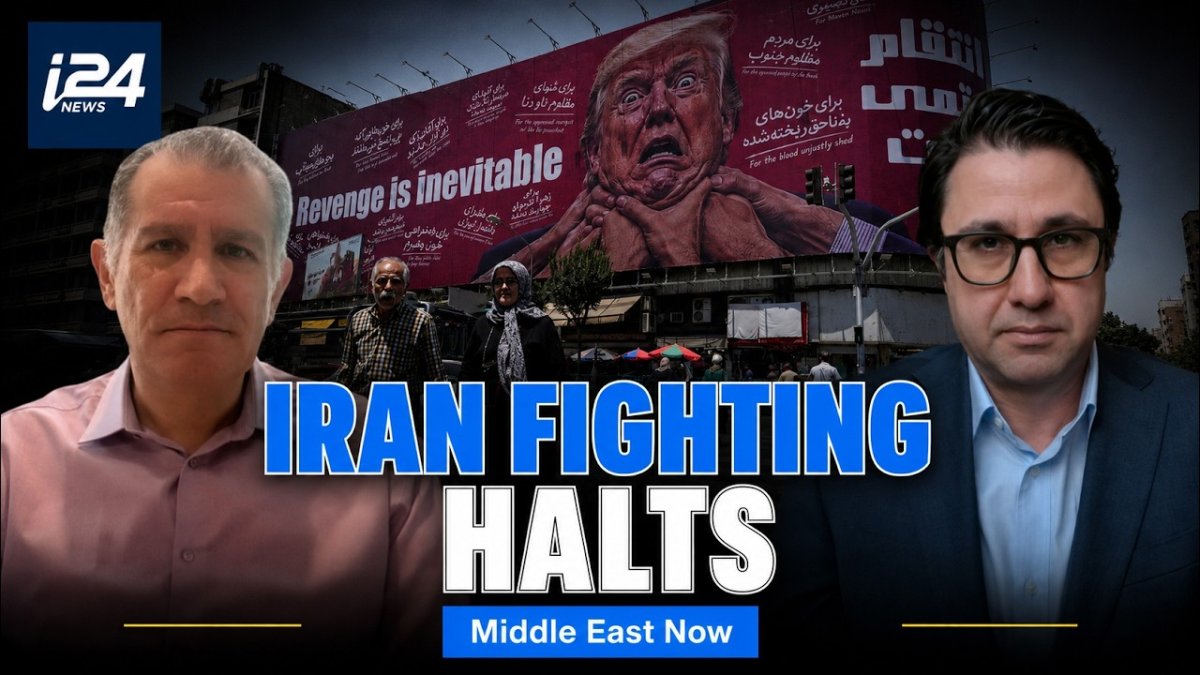
US strikes on Iranian coastal areas and infrastructure continued for nearly two weeks before the current pause unraveling a June ceasefire agreement. The pause that began on July 25 has now held for three days with no reported US or Iranian direct strikes between July 27 and July 28 2026.
Israeli security officials have monitored the pause closely because any sustained reduction in US pressure on Tehran directly alters Israel's security calculations regarding Iranian missile programs and proxy networks.
Israeli Defense Minister Israel Katz emphasized in a closed-door Knesset briefing three days ago that the pause must not be misinterpreted as a permanent shift, noting that Iranian Revolutionary Guard Corps units have already begun repositioning mobile missile launchers near the Strait of Hormuz. Katz highlighted intelligence from Unit 8200 showing a 40 percent increase in encrypted communications between Tehran and proxy commanders in Lebanon and Yemen since July 25. Strategic analysts in Tel Aviv argue that this window allows Iran to replenish depleted air-defense batteries, potentially extending the timeline for any renewed Israeli preemptive operations by several weeks.
Regional experts point to the involvement of Omani diplomats alongside Qatar and Pakistan in backchannel efforts, with Muscat reportedly facilitating indirect talks on prisoner exchanges involving captured Iranian naval personnel. The pause coincides with the Jewish holiday period in late July, during which Israeli reservists have been placed on heightened alert status across the north, reflecting Prime Minister Benjamin Netanyahu's directive to maintain full operational readiness. This development underscores how the lull directly influences Israel's multi-front contingency planning against Hezbollah and Hamas networks still receiving Iranian funding streams estimated at $700 million annually.
US Statements and Iranian Denials on Negotiations
President Trump told reporters aboard Air Force One that very friendly negotiations are underway and described the talks as good. He added that the United States would resume previous military operations if the discussions fail to produce results.
Qatar and Pakistan have worked behind the scenes as mediators to restart formal ceasefire talks between the two sides. Iranian Foreign Ministry spokesmen stated that mediators may convey messages but insisted no direct negotiations with the United States are occurring.
Israeli defense sources indicate close coordination with Washington throughout the pause period while expressing concern that any premature halt could allow Iran to reconstitute military capabilities damaged since February 28.
Mossad Director David Barnea conveyed to his American counterparts in a secure video call on July 27 that Israeli intelligence detects no genuine Iranian intent to dismantle ballistic missile production lines, despite Tehran's public denials. Barnea cited satellite imagery of activity at the Parchin military complex, where reconstruction of underground facilities has accelerated since the pause began. Netanyahu's national security adviser, Tzachi Hanegbi, publicly warned that any US-Iran deal excluding Israeli input risks repeating the shortcomings of the 2015 nuclear accord by leaving proxy threats intact.
Further analysis from Israeli think tanks reveals that Pakistan's role as mediator stems from its desire to secure economic aid packages tied to Gulf stability, while Qatar leverages its longstanding ties with Hamas to influence Iranian calculations on Gaza. This layered diplomacy has prompted the IDF to increase surveillance flights over southern Lebanon, where Hezbollah has quietly reinforced forward positions without triggering direct confrontation. The pause thus serves as a critical test for whether Washington will prioritize short-term de-escalation over long-term Israeli security requirements in the Levant.
Maritime Disruptions and Oil Market Reactions
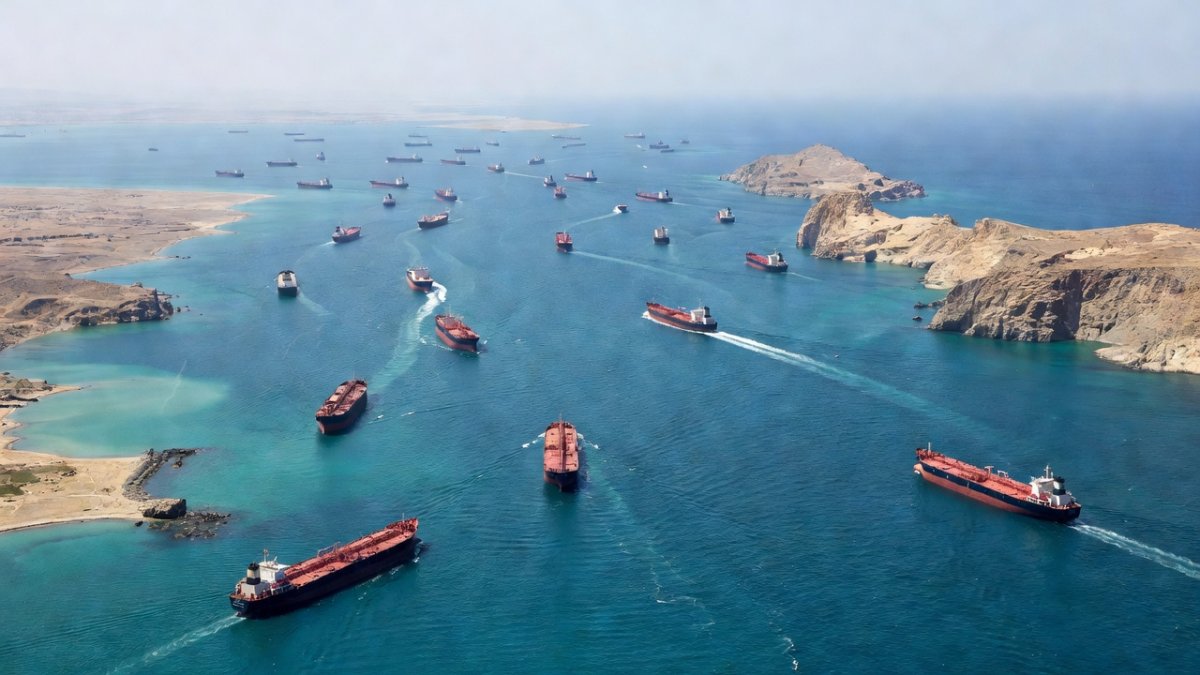
Oil prices fell more than 9 percent to 7.59 dollars per barrel on July 28 on hopes that the pause signals de-escalation. The drop occurred despite continued severe disruption in the Strait of Hormuz where only 29 verified vessel transits were recorded between Friday and Sunday according to NBC analysis of MarineTraffic data.
The Red Sea shipping route also remains disrupted following earlier Iranian actions and Houthi attacks. These constraints have raised costs for energy imports into Europe and Asia while affecting daily fuel prices in Israel and neighboring countries.
Israeli officials note that prolonged Hormuz restrictions increase the strategic value of alternative energy routes and heighten Israel's dependence on secure Mediterranean and Gulf of Aqaba access points.
Israeli Energy Minister Eli Cohen stated last week that the country has activated emergency reserves to stabilize domestic gasoline prices, which rose 12 percent in the first week of the pause due to tanker rerouting around Africa. Cohen noted that Israel's reliance on Mediterranean terminals has increased by 35 percent since February, prompting accelerated investments in the Eilat-Ashkelon pipeline expansion. Economists at the Bank of Israel project that sustained Hormuz closures could shave 0.8 percent off GDP growth for 2026 if alternative supplies from Azerbaijan and Kazakhstan fail to fully compensate.
Broader regional implications include higher electricity costs across Jordan and Egypt, where governments have appealed to Gulf states for subsidized crude deliveries. Israeli port authorities in Haifa have reported a 22 percent surge in container traffic as European importers shift away from Red Sea lanes, boosting short-term revenues but straining infrastructure. Analysts warn that any Iranian resumption of attacks on shipping would compound these pressures, forcing Israel to deepen energy partnerships with Greece and Cyprus to mitigate future vulnerabilities.
Proxy Attacks and Saudi Retaliation
Iran-backed Houthis launched missile and drone attacks against Saudi energy infrastructure at Jizan and Yanbu over the weekend. Saudi Arabia responded with airstrikes against Houthi positions in Yemen in a direct retaliation that further complicated regional stability.
During the same pause period Iran conducted drone attacks targeting locations in Saudi Arabia Jordan and Iraq. These strikes tested the limits of the current lull without triggering immediate US or Israeli counterstrikes.
IDF and Mossad assessments continue to focus on Iran's ability to activate proxies including Hezbollah in Lebanon and Palestinian Islamic Jihad in Gaza. Israeli defense officials have warned that any reconstitution of Iranian capabilities could enable rapid retaliation through these networks or via the Golan Heights.
Israeli Chief of Staff Lt. Gen. Herzi Halevi briefed the security cabinet on July 28 that Hezbollah maintains over 120,000 rockets capable of reaching central Israel, with Iranian resupply flights observed via Iraqi airspace in recent days. Halevi stressed that Hamas remnants in Gaza continue receiving Iranian financial transfers through Qatar-based accounts, enabling sporadic rocket fire that has disrupted southern communities since the pause. Palestinian Islamic Jihad leaders in Damascus have publicly vowed to exploit any extended lull to rebuild tunnel networks near the border.
Saudi retaliation has included precision strikes on Houthi command centers in Saada province, according to Riyadh's official statements, yet analysts note these actions have not deterred further Iranian-backed operations in the Red Sea. For Israel, the proxy dynamics heighten risks along the northern and southern fronts, where daily life in border communities remains under partial evacuation orders. The pause therefore amplifies the need for sustained Israeli intelligence sharing to preempt multi-front escalations involving these networks.
Israeli Security Concerns and Coordination with Washington
Israeli security officials assess that Hezbollah has remained on the sidelines during the current pause yet continues to pose a strategic threat along the northern border. The group retains significant rocket and missile inventories supplied through Iranian channels.
Israeli government spokesmen have issued no official public comment on the pause but defense sources confirm ongoing daily coordination with US Central Command and the Pentagon. Concerns center on the risk that Iran could use the lull to rebuild air defenses and ballistic missile sites damaged since February 28.
Any Iranian retaliation through Gaza or the Golan Heights remains a primary Israeli concern because such attacks would directly threaten civilian populations and force rapid IDF responses that could draw in additional regional actors.
Shin Bet Director Ronen Bar reported to Netanyahu that Iranian proxy cells in the West Bank have increased recruitment efforts by 25 percent since mid-July, using the pause to smuggle components for improvised explosive devices. Bar warned that a collapse in talks could lead to simultaneous attacks from Gaza and Lebanon within 72 hours. This assessment has led to reinforced IDF deployments along the Jordan Valley, where daily patrols have doubled to monitor potential infiltration routes.
Israeli civilians in northern kibbutzim continue living under partial restrictions, with schools operating on shortened schedules and tourism in the Galilee down 60 percent compared to pre-war levels. The pause has allowed some families to return home temporarily, yet security officials caution that Hezbollah's Iranian-supplied precision-guided munitions remain a latent threat capable of overwhelming Iron Dome systems in a sustained barrage.
US Internal Debates and Future Military Options
Within the US administration some military officials argue that key objectives against Iranian nuclear and missile infrastructure have already been achieved. UN Ambassador Mike Waltz nevertheless stressed that all military options remain on the table should the pause collapse.
The three-day lull follows nearly two weeks of daily US strikes that targeted Iranian coastal radar installations and port facilities. Israeli intelligence agencies Shin Bet and Mossad continue to share real-time assessments with US counterparts on Iranian proxy movements during this period.
Regional analysts note that the pause's duration will shape Israeli planning for potential multi-front scenarios involving Hezbollah in southern Lebanon and Iranian-backed militias in Syria. Sustained de-escalation could reduce immediate threats while any resumption of strikes risks broader escalation across the Levant.
US Central Command has positioned additional carrier strike groups in the eastern Mediterranean as a deterrent, according to Pentagon sources, while Israeli Air Force squadrons maintain 24-hour readiness at Nevatim and Ramon bases. This coordination reflects joint planning sessions held in recent days between American and Israeli planners focused on neutralizing remaining Iranian nuclear sites if negotiations falter.
Future options under discussion include expanded cyber operations against Iranian command networks, a tactic credited with delaying proxy activations during the initial war phase. Israeli officials stress that any US decision to extend the pause indefinitely would require ironclad guarantees on proxy disarmament to avoid exposing Israeli population centers to renewed threats from multiple directions.
Israeli Security Coordination with the US Amid Regional Shifts
Israeli and American military planners have intensified daily secure communications since the pause began on July 25, with US European Command providing real-time satellite feeds on Iranian movements in Syria. Defense Minister Katz described this partnership as essential for preventing Hezbollah from exploiting the lull to reposition advanced anti-tank units along the Litani River. Such coordination has already enabled joint interdiction of two suspected Iranian arms shipments through Iraqi territory in the past 72 hours.
Analysis from Israeli strategic forums indicates that sustained US-Israeli alignment could deter broader Iranian retaliation through Hamas and Palestinian Islamic Jihad networks, whose leaders in Beirut have issued statements threatening renewed rocket campaigns if talks advance without Gaza concessions. The pause has allowed the IDF to rotate elite units back to the Golan Heights, where daily life for Druze communities remains tense amid fears of cross-border incursions funded by Tehran.
Economic ripple effects in Israel include a 15 percent drop in foreign investment inquiries for the high-tech sector, as executives cite ongoing uncertainty over proxy threats. Officials in Jerusalem argue that deeper coordination with Washington must extend beyond military matters to include sanctions enforcement against Iranian oil exports, thereby limiting Tehran's ability to bankroll attacks on Israeli civilians in the months ahead.
By Hannah Berg, Staff WriterThis article was produced with AI-assisted research and editorial support. Reporting is based on sources cited in the article.
What's Your Reaction?
 Like
0
Like
0
 Dislike
0
Dislike
0
 Love
0
Love
0
 Funny
0
Funny
0
 Wow
0
Wow
0
 Sad
0
Sad
0
 Angry
0
Angry
0
Israel Correspondent at Global1.News. Based in Tel Aviv, covering Israeli politics, security, technology, and society. Provides balanced, deeply-sourced reporting on one of the most closely-watched regions in the world.













Comments (0)