
Kannywood: Northern Nigeria's Film Industry Chases Global Fame While Navigating Strict Censorship
Kannywood, the Hausa-language film industry based in Kano, is pushing boundaries of censorship while chasing global recognition, much like other African cinema movements that blend local traditions with international ambitions. This northern Nigerian powerhouse produces content that resonates across borders yet faces unique challenges from religious oversight. In the broader Af
Kannywood, the Hausa-language film industry based in Kano, is pushing boundaries of censorship while chasing global recognition, much like other African cinema movements that blend local traditions with international ambitions. This northern Nigerian powerhouse produces content that resonates across borders yet faces unique challenges from religious oversight. In the broader African landscape, it stands alongside Nollywood and others in redefining storytelling on the continent.
Kannywood: Northern Nigeria's Film Industry Chases Global Fame While Navigating Strict Censorship
Kano, Nigeria — The tension between conservative Islamic values and the ambition to rival Nollywood on the international stage defines Kannywood's journey today. Filmmakers in this industry navigate Sharia-influenced rules while seeking wider audiences through digital platforms. This dynamic matters deeply for African creatives balancing heritage and modernity as they expand reach to the Nigerian diaspora.
The Rise of Kannywood — A Hausa Cinema Powerhouse
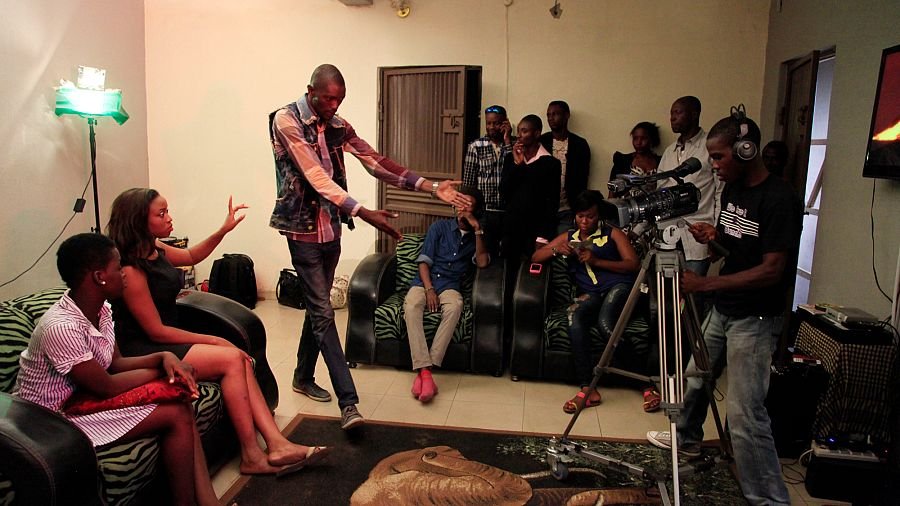
Kannywood takes its name directly from Kano state and produces about 200 films per month from its base in Kano, northern Nigeria's bustling cultural hub. The industry draws on the Hausa language spoken by 80 million people across West and Central Africa, giving it a built-in regional audience that stretches from Nigeria into Niger, Ghana, and beyond. Key stars such as Ali Nuhu, Rahama Sadau, Sani Danja, and Falalu Dorayi anchor many productions that explore everyday northern life.
Unlike Nollywood's Yoruba and English dominance in Lagos, Kannywood remains rooted in Kano's markets and neighborhoods where crews film on modest sets. Production values have historically lagged behind southern counterparts, yet recent improvements in lighting and editing show steady progress. The industry functions as northern Nigeria's main cultural powerhouse, exporting stories that reflect Hausa customs and social norms.
Many viewers first encounter these films through family viewings or community screenings in Kano. The scale of output allows for rapid response to local events and festivals. This volume also creates opportunities for emerging talent to break in quickly compared with more centralized African film hubs.
Hausa cinema draws strength from its linguistic reach, connecting communities that share cultural references across borders. Actors often move between film and music, building multi-platform careers. The result is a self-sustaining ecosystem that supports writers, musicians, and technicians within the same city.
Despite lower budgets than Lagos productions, Kannywood films maintain strong local loyalty through familiar themes and dialects. This foundation now supports efforts to improve technical quality for wider export. The industry's growth mirrors other African regional cinemas that began small and later gained international notice.
Censorship and Creative Boundaries
The Kano State Censorship Board reviews all music and film production under rules that combine Sharia law code alongside common law in Kano state. Abba El-Mustapha, executive secretary of the censorship board, has stated clearly that nudity, sexual scenes, and content contrary to customs, traditions, and religion remain banned. These guidelines shape every script before cameras roll.
Filmmakers still work around restrictions by focusing on love, vengeance, and treason, themes that echo common Nollywood plots without crossing explicit lines. The board's oversight requires pre-approval for costumes, dialogue, and locations, creating a structured but predictable workflow. Many directors describe the process as collaborative rather than purely punitive.
In February 2026 the Kano board ordered suspension of all entertainment centers until after Ramadan, halting public screenings during the holy month. This measure affected both traditional cinemas and informal viewing spots across the city. Producers responded by accelerating digital releases to maintain momentum.
May 2026 brought further enforcement when the board suspended actors Adam Garba and Amina Uba Hassan for one year over alleged indecent behavior on set. Amina Uba Hassan, former wife of actor Adam A. Zango, has since spoken about the need for clearer guidelines. Such actions highlight ongoing negotiations between creative teams and regulators.
Despite these constraints, the industry continues to release dozens of titles monthly by emphasizing moral resolutions and family-oriented narratives. Directors often consult religious scholars during pre-production to avoid later cuts. This approach preserves local support while allowing gradual expansion of storytelling range.
Voices from the Industry
Actor Adam Garba has stated that Kannywood is aspiring to be Nollywood right now, first before it branches out. He points to Nollywood's larger budgets, more equipment, more sponsors, and more foreign investors based in Lagos and Abuja as the immediate benchmark. These resources allow southern productions to attract international co-financing that remains rare in Kano.
Director Umar Abdulmalik argues that better production equipment remains key to international growth. He notes that improved cameras and sound gear would allow Kannywood stories to compete visually on global platforms. Abdulmalik believes technical upgrades will not dilute cultural content but rather enhance its presentation.
Many crew members compare current conditions to early Nollywood days when resourcefulness compensated for limited tools. They see gradual investment in lighting kits and editing suites as signs of progress. This incremental improvement supports the view that Kannywood can close the gap within a few years.
Younger actors often train through apprenticeships on set rather than formal film schools. They learn to navigate both artistic demands and regulatory expectations simultaneously. This dual education produces versatile performers who understand local sensitivities while aiming higher.
Industry veterans recall how Kannywood began with video cameras in the late 1990s and evolved into a structured sector. They credit consistent output and star power for sustaining the market through economic shifts. Their perspective underscores patience as the industry matures toward wider recognition.
Digital Transformation — Hausa Streaming Platforms
Arewaflix, the new dedicated streaming service from CEO Abdurrahman Muhammad Amart, supports northern Nigerian films in Hausa, Nupe, and Kanuri with subtitles in English, French, and Arabic. The platform launched to give Hausa-language titles a dedicated home beyond YouTube. Early content includes recent releases and restored classics from the 2000s.
Northflix, another Hausa-focused streamer, shuttered in 2023 amid slow growth and limited subscriber numbers. Its closure left a gap that Arewaflix now seeks to fill with stronger marketing and regional partnerships. Lessons from that earlier attempt inform current strategies around pricing and content acquisition.
Filki, an AI-native streaming platform, targets the same 80 million Hausa-speaking audience with personalized recommendations and automated subtitling. Its technology aims to reduce distribution costs while expanding reach into rural areas with limited broadband. Early tests show promise for smaller productions seeking visibility.
YouTube remains the dominant free distribution channel for Kannywood, hosting thousands of full-length films uploaded by producers and fans alike. Channels often mix new releases with older titles, creating an informal archive that viewers access daily. This accessibility helps maintain cultural continuity across generations.
The shift from traditional cinemas to digital has reduced some overhead but introduced challenges of piracy and monetization. Producers now experiment with pay-per-view windows and subscription bundles to capture revenue. These adaptations reflect broader trends across African film industries moving online.
Kannywood's Path to Global Recognition
The ambition to reach Nigerian diaspora communities and international audiences drives many current decisions in Kano. Producers study Bollywood's global success as evidence that language barriers can be overcome through strong narratives and visual appeal. This comparison encourages investment in subtitles and festival submissions.
Streaming services help bypass local gatekeepers who once controlled theatrical access. Al Jazeera reported on Kannywood's transition from cinemas to streaming, highlighting how digital tools allow stories to travel farther without physical prints. This shift opens doors to viewers in Europe and North America who follow African content.
Young creatives push boundaries while respecting cultural values, often blending traditional music with modern plots. They test limits on romance and social commentary within approved frameworks. Their work demonstrates that authenticity and ambition can coexist under regulatory oversight.
The potential of African cinema markets grows as more platforms seek diverse language content. Kannywood's focus on family and moral themes offers an alternative to action-heavy exports from other regions. This distinct identity may prove valuable when negotiating with international distributors.
Festival programmers have begun noticing improved technical quality in recent submissions from Kano. Early screenings at regional events provide feedback that informs future productions. Steady participation could lead to broader recognition similar to other African film movements.
What This Means for African Cinema
Kannywood's evolution forms part of the broader African film renaissance that includes Nollywood, Ghallywood, and Bongowood. Each regional industry navigates its own cultural constraints while seeking economic viability. Shared lessons around censorship and digital distribution strengthen the continent's collective output.
The economic potential of Hausa-language content reaching 80 million speakers offers a model for other linguistic cinemas. Targeted platforms can monetize audiences that global services often overlook. This approach supports local employment and preserves narrative traditions.
Connections between Kannywood and southern Nigerian productions grow through occasional crossovers and shared talent. Actors like Ali Nuhu have appeared in both industries, building bridges that benefit technical exchange. Such links enrich the overall African cinema ecosystem.
African filmmakers globally continue finding ways to tell authentic stories while reaching international audiences. Kannywood demonstrates that strict oversight need not halt creativity when directors adapt within boundaries. This resilience offers encouragement to peers facing similar pressures elsewhere on the continent.
The industry's focus on accessible themes positions it well for family-oriented streaming catalogs. As more African content enters global recommendation algorithms, Hausa titles gain visibility alongside established players. This gradual integration strengthens the continent's presence in world cinema.
What to Watch For
The impact of the 2026 censorship actions, including suspensions and entertainment center closures, will shape production schedules through the remainder of the year. Producers monitor whether relaxed enforcement follows Ramadan or if further restrictions emerge. These decisions directly affect employment for hundreds of crew members in Kano.
Arewaflix's launch success will be measured against Northflix's earlier failure, particularly in subscriber retention and content licensing. Early metrics on viewership from outside Nigeria will indicate whether the multilingual subtitle strategy works. Continued investment depends on these results.
Kannywood's prospects for international film festival recognition hinge on continued technical upgrades and strategic submissions. Partnerships with global platforms could accelerate visibility if quality thresholds are met. Observers track whether distinct Hausa storytelling gains traction beyond regional markets.
The evolution of production values as equipment improves will determine how quickly the industry closes gaps with Nollywood. Whether Kannywood can carve an identity distinct from Nollywood remains an open question that will unfold through upcoming releases and audience responses.
By Amara Diop, Staff WriterThis article was produced with AI-assisted research and editorial support. Reporting is based on sources cited in the article.
What's Your Reaction?
 Like
0
Like
0
 Dislike
0
Dislike
0
 Love
0
Love
0
 Funny
0
Funny
0
 Wow
0
Wow
0
 Sad
0
Sad
0
 Angry
0
Angry
0

West Africa/Sahel Correspondent at Global1.News. Dakar-based journalist covering politics, security, climate, and development across Francophone and Anglophone West Africa. Tells the stories of a region undergoing profound transformation.














Comments (0)