
Japan Panel Proposes Easing Data Center Battery Rules
Reform Panel Calls for Easing Data Center Building Standards The reform panel convened under METI has put forward a measured proposal to adjust longstanding building standards that currently limit lithium-ion battery use in data centers. The recommendation centers on developing dedicated safety standards rather than maintaining broad restrictions tied to fire risks. This approa
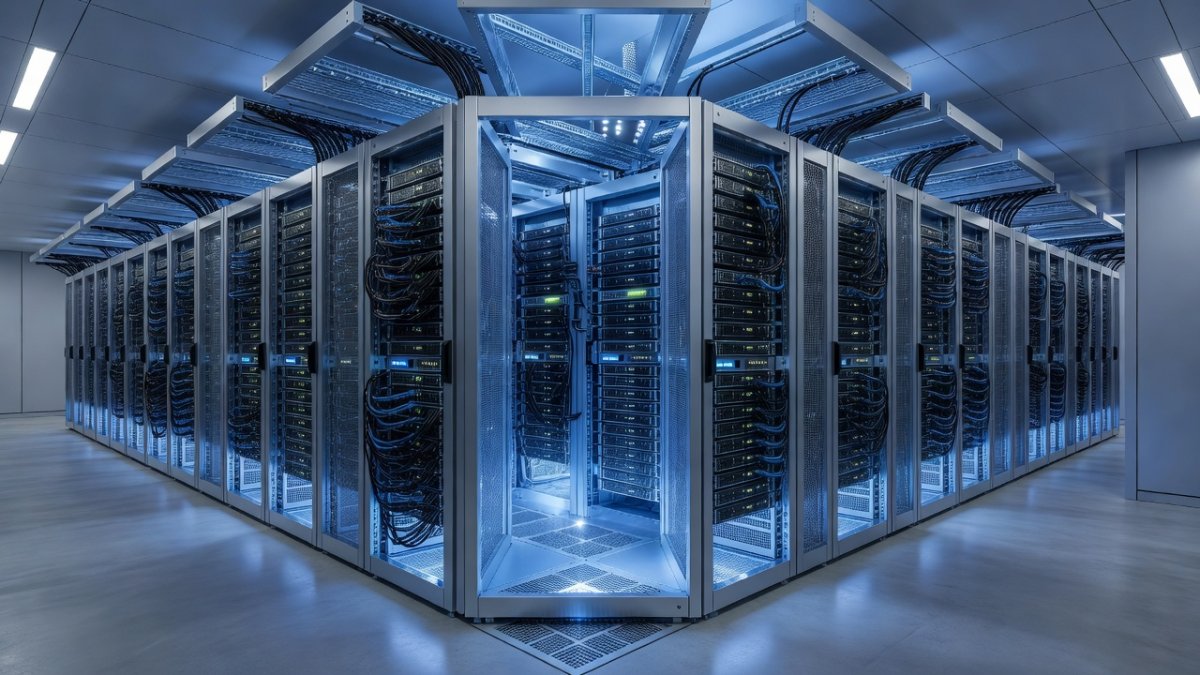
Reform Panel Calls for Easing Data Center Building Standards
The reform panel convened under METI has put forward a measured proposal to adjust longstanding building standards that currently limit lithium-ion battery use in data centers. The recommendation centers on developing dedicated safety standards rather than maintaining broad restrictions tied to fire risks.
This approach reflects Japan's ongoing efforts to strengthen its digital infrastructure while maintaining rigorous safety expectations. The panel's suggestion would allow operators to install these batteries under new, specific guidelines instead of facing outright exclusion from many facilities.
Details of the Panel's Proposal and Technical Implications
The panel urged the government to exclude lithium-ion batteries from existing restrictions by introducing safety standards for batteries. This would involve requirements for thermal management systems, compartmentation, and monitoring protocols tailored to data center environments.
Current rules, rooted in general building fire safety codes, have treated large-scale battery installations with caution due to potential thermal runaway events. The proposed framework aims to address these concerns through performance-based criteria rather than blanket prohibitions.
Implementation would likely involve collaboration between METI and relevant standards bodies to define testing and certification processes. Data center operators would then need to demonstrate compliance before deploying battery systems for backup power or peak shaving.
Japan's Digital Infrastructure Ambitions in Global Context
Japan continues to expand data center capacity to underpin AI workloads and cloud services. The country positions these facilities as critical to economic security and technological sovereignty, particularly as demand for compute resources grows.
Competitors including the United States, China, and Singapore have moved more quickly to accommodate advanced power storage solutions in their data center sectors. Japan's regulatory environment has at times created friction for large-scale projects, prompting the current review.
METI has highlighted the need for updated rules to support both domestic operators and international investors seeking stable locations for AI-related infrastructure. The panel's work aligns with broader strategies to enhance Japan's attractiveness as a data hub in the Asia-Pacific region.
Implications for Japanese Businesses, Tech Sector, and Consumers
Domestic technology firms and cloud service providers stand to benefit from greater flexibility in designing resilient power systems. Reduced reliance on traditional lead-acid batteries could lower operational costs and improve energy efficiency over time.
International companies such as AWS, Microsoft, and Google, which have announced or expanded Japanese data center footprints, may find project timelines more predictable if the new standards are adopted. This could accelerate deployment of capacity needed for enterprise and consumer cloud services.
End users in Japan, including businesses adopting AI tools and individuals using streaming or productivity applications, would indirectly gain from improved infrastructure reliability and potentially lower latency as more facilities come online.
Challenges in Balancing Safety and Competitiveness
Fire safety remains a core priority, and any easing of rules must incorporate robust verification mechanisms. The panel emphasized that new battery standards should draw on empirical testing data and international best practices without compromising occupant or community protection.
Local governments responsible for building permits will require clear guidance to apply the updated standards consistently. Training for inspectors and updated certification pathways for equipment suppliers will also be necessary components of a smooth transition.
What to Watch for in the Regulatory Process Ahead
Following the panel's submission, METI is expected to conduct further consultations with industry stakeholders and safety experts. Draft revisions to relevant ordinances could emerge in the coming months, subject to public comment periods.
Observers will monitor whether the final standards incorporate input from battery manufacturers and data center developers. The pace at which guidelines are finalized will influence investment decisions already under consideration for facilities planned through 2027 and beyond.
Additional focus areas include how the changes interact with existing economic security screening processes for foreign direct investment in critical digital infrastructure. Coordination across ministries will help ensure the reforms support both safety objectives and Japan's wider digital growth targets.
By Kenji Tanaka, Staff Writer
This article was produced with AI-assisted research and editorial support. Reporting is based on sources cited in the article.
What's Your Reaction?
 Like
0
Like
0
 Dislike
0
Dislike
0
 Love
0
Love
0
 Funny
0
Funny
0
 Wow
0
Wow
0
 Sad
0
Sad
0
 Angry
0
Angry
0

Japan Correspondent at Global1.News. Tokyo-based voice covering Japanese politics, technology, economy, and culture. Tracks the intersection of tradition and innovation in one of the world's most dynamic societies.












Comments (0)