
Fort Simpson Ordered to Evacuate as Dehcho Wildfire Forces Mass Relocation
Fort Simpson Ordered to Evacuate as Dehcho Wildfire Forces Mass Relocation Fort Simpson, a community of approximately 1,300 residents in the Northwest Territories, was ordered to evacuate late Sunday, June 28, 2026, due to the advancing Dehcho wildfire. The fire, measuring 4.2 square kilometres and located roughly 7 kilometres west of the Fort Simpson Airport, prompted the mass
Fort Simpson Ordered to Evacuate as Dehcho Wildfire Forces Mass Relocation
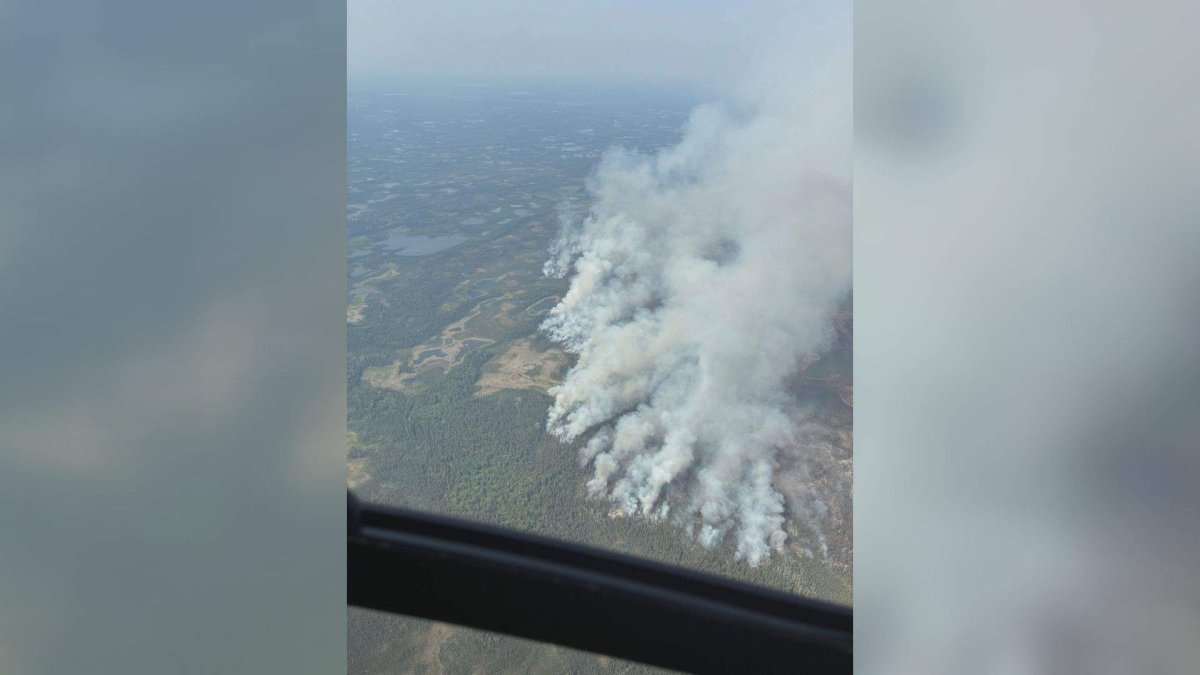
Fort Simpson, a community of approximately 1,300 residents in the Northwest Territories, was ordered to evacuate late Sunday, June 28, 2026, due to the advancing Dehcho wildfire. The fire, measuring 4.2 square kilometres and located roughly 7 kilometres west of the Fort Simpson Airport, prompted the mass relocation of residents to the Yellowknife Multiplex Arena, situated about 630 kilometres to the east. This decision comes amid challenging conditions as the fire remains out of control.
Tags: Northwest Territories, Fort Simpson evacuation, Dehcho wildfire, NWT Fire, Liidlii Kue First Nation, Mark Carney, climate change, emergency management
Evacuation Logistics in Remote Northern Community
The evacuation order required careful coordination to move all 1,300 residents from Fort Simpson to the Yellowknife Multiplex Arena. Evacuees faced a journey of approximately 630 kilometres east, with options including air transport from the local recreation centre and road travel where fuel stations remained open along the route. Organising such a movement in a remote northern community presented significant logistical hurdles, including limited infrastructure and the need to ensure safe passage for families under time pressure.
Residents were advised to bring essential supplies such as food, water, and fuel to sustain themselves during the relocation and initial period in Yellowknife. The Multiplex Arena served as the primary reception centre, providing temporary shelter for those arriving from Fort Simpson. Challenges included coordinating transportation for an entire population in an area with few alternative routes and ensuring that vulnerable individuals received priority assistance throughout the process.
The distance to Yellowknife added complexity, as the territorial capital became the focal point for support services. NWT Fire and territorial authorities worked to maintain open fuel access points along evacuation routes while monitoring conditions. Families had to prepare quickly, packing necessities without knowing the exact duration of their displacement. This organised effort highlighted the difficulties of emergency management in isolated northern settings where resources are spread thin.
Fi
re Behaviour and Suppression Efforts
The Dehcho wildfire continued to exhibit aggressive behaviour, remaining out of control at a size of 4.2 square kilometres and positioned roughly 7 kilometres west of the Fort Simpson Airport. NWT Fire reported that air tankers and helicopters were actively targeting priority areas to limit further spread. No structures have been lost so far, though the fire's proximity raised ongoing concerns for the community.
Weather conditions exacerbated the situation, with temperatures near 35 C, dry conditions prevailing, and moderate winds gusting to 30 km/h. An Environment Canada heat warning remained in effect, contributing to the challenging environment for both residents and firefighting personnel. Earlier, an evacuation alert had been issued when the fire was still 10 kilometres from the airport, allowing some preparatory measures before the full order on June 28.
Suppression efforts focused on strategic aerial attacks to protect critical infrastructure such as the airport. The combination of heat, wind, and dryness influenced fire behaviour, making containment more difficult in the boreal surroundings. NWT Fire continued to assess developments closely, deploying available resources to high-risk zones while confirming that no buildings had been damaged. These conditions underscored the persistent threat posed by the wildfire despite intensive intervention.
Deadly Bird Dog Plane Crash Adds to Crisis
Last week, a bird dog plane involved in firefighting operations crashed about 50 kilometres from Fort Simpson, resulting in three fatalities. The incident occurred while the aircraft was supporting efforts against the Dehcho wildfire. Premier R.J. Simpson and Prime Minister Mark Carney offered condolences to the families and the broader community affected by the loss.
Aerial firefighting carries inherent risks in northern Canada, where terrain, weather, and remote locations can complicate operations. The crash added emotional strain to a population already facing evacuation and uncertainty. Community members processed the tragedy alongside preparations to leave their homes, creating a compounded sense of crisis.
The fatalities highlighted the dangers faced by those working to protect communities like Fort Simpson. Official statements from territorial and federal leaders acknowledged the sacrifices made during the response. This event intensified the pressure on remaining resources and personnel as the evacuation proceeded.
Indigenous Leadership in Fort Simpson
Chief Kele Antoine of the Liidlii Kue First Nation stated he would remain in Fort Simpson as long as it was safely possible to assist with the situation. His decision reflected the central role of Indigenous leadership in guiding the community through the emergency. The Liidlii Kue First Nation maintains deep connections to the land and people of Fort Simpson, supporting collective resilience during the evacuation.
Indigenous leaders often coordinate closely with territorial authorities on emergency management, providing local knowledge and fostering solidarity. Chief Antoine urged residents to look out for one another, emphasising mutual support as families prepared to travel to Yellowknife. This approach helped maintain community cohesion even as the relocation order took effect.
The presence of Liidlii Kue First Nation leadership reinforced traditional values of stewardship and care amid the wildfire threat. By staying to help coordinate where feasible, Chief Antoine exemplified the commitment to protecting the community. Such involvement ensured that cultural considerations informed the response alongside official directives from NWT Fire and the territorial government.
Wildfire Season in Northern Canada
Wildfire seasons in the Northwest Territories have grown more intense in recent years, influenced by climate factors that affect the boreal forest. The Dehcho fire's behaviour illustrated typical challenges in the region, where dry conditions and wind can rapidly alter fire spread. Federal-territorial coordination has become essential, drawing resources from across Canada to support local suppression teams.
Previous major NWT wildfire seasons demonstrated similar patterns of large-scale evacuations and prolonged firefighting efforts. The current situation in Fort Simpson fits within this broader context of increasing demands on emergency services. Meanwhile, the tragic irony of southern Saskatchewan receiving nearly 100 millimetres of rain in Mankota the same weekend highlighted stark regional contrasts in weather impacts.
Resources including air tankers and helicopters have been mobilised to address priority threats, yet the scale of northern fires often requires sustained intergovernmental support. Climate influences continue to shape fire behaviour, prompting ongoing analysis of preparedness strategies. The contrast with flooding rains elsewhere in Canada further illustrated the varied pressures facing different parts of the country during extreme weather events.
What Happens Next
Ongoing monitoring by NWT Fire will determine when conditions allow residents to return to Fort Simpson. Continued aerial and ground efforts aim to bring the Dehcho wildfire under control while protecting the airport and surrounding areas. Territorial government and Indigenous coordination remains vital for managing the displacement to Yellowknife and supporting evacuees at the Multiplex Arena.
Long-term implications include potential refinements to wildfire policy in northern Canada, with greater emphasis on adaptation and preparedness measures. Communities like Fort Simpson may see increased investment in early warning systems and resource allocation. The experience reinforces the need for flexible response frameworks that account for remote geography and variable weather.
The challenge facing Fort Simpson tests both immediate response capabilities and future planning, yet the community's demonstrated resilience offers a foundation for recovery. Coordinated action between all levels of government and local leadership will shape the path forward as firefighting continues and evacuees await updates on their return.
By Alex Thompson, Staff Writer
This article was produced with AI-assisted research and editorial support. Reporting is based on sources cited in the article.
What's Your Reaction?
 Like
0
Like
0
 Dislike
0
Dislike
0
 Love
0
Love
0
 Funny
0
Funny
0
 Wow
0
Wow
0
 Sad
0
Sad
0
 Angry
0
Angry
0

Canada Correspondent at Global1.News. Based in Toronto, covering Canadian politics, energy, trade, and US-Canada relations. Provides the Canadian perspective on North American and global affairs.














Comments (0)