
Trump Cancels Iran Strikes, Claims Breakthrough Deal
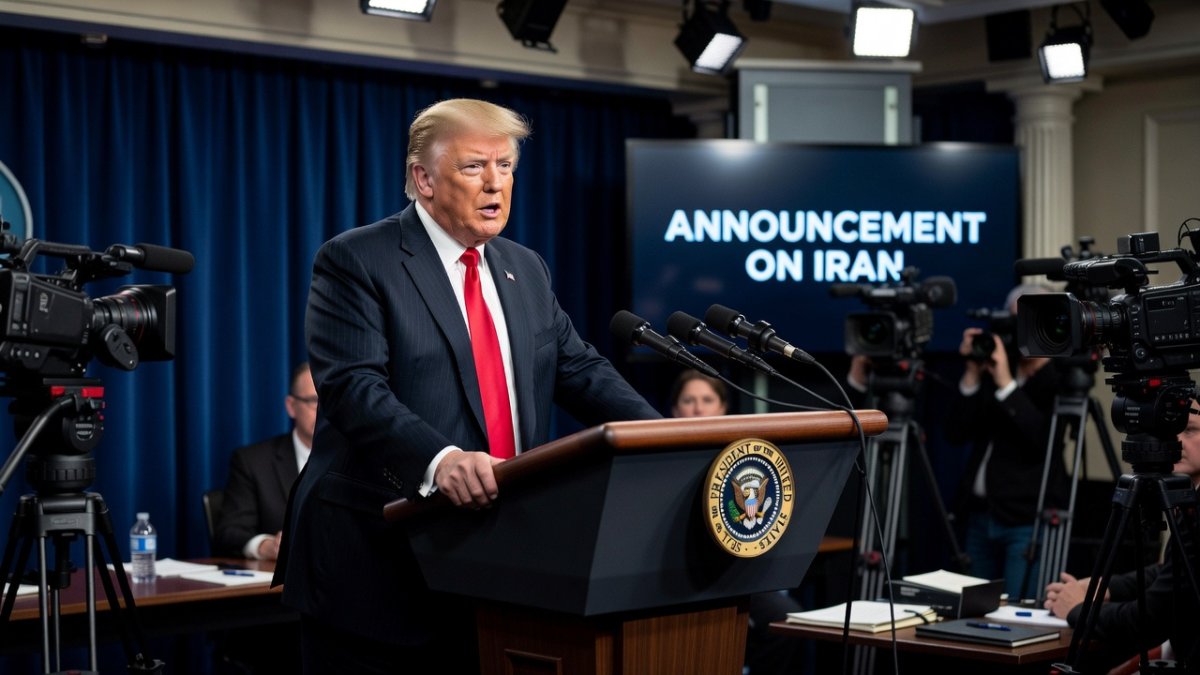
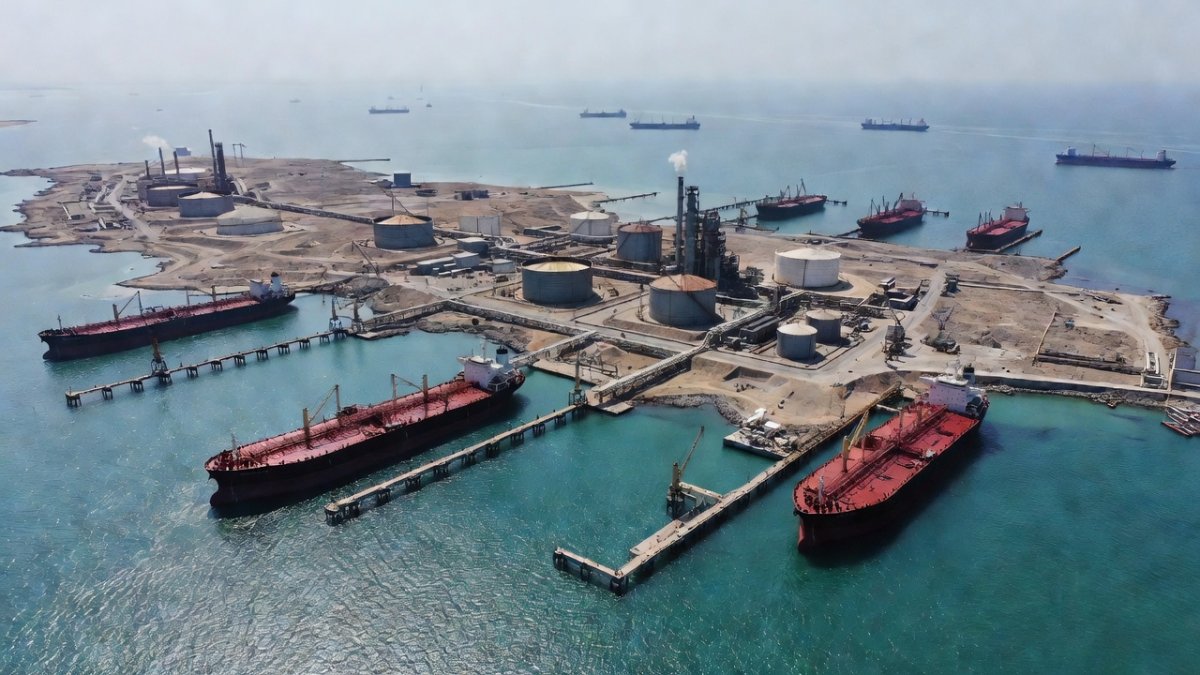
In a dramatic reversal that has left the Middle East on edge, Donald Trump announced on Thursday evening that he had cancelled planned "very hard" airstrikes against Iran, claiming that negotiations had reached a breakthrough. The announcement, posted to Truth Social, came just hours after the President had threatened to seize Iran's Kharg Island oil infrastructure and warned T
In a dramatic reversal that has left the Middle East on edge, Donald Trump announced on Thursday evening that he had cancelled planned "very hard" airstrikes against Iran, claiming that negotiations had reached a breakthrough. The announcement, posted to Truth Social, came just hours after the President had threatened to seize Iran's Kharg Island oil infrastructure and warned Tehran it would be hit "VERY HARD". But in London, the news arrives against a backdrop of deepening crisis in Whitehall, where the resignation of Defence Secretary John Healey over defence spending has left the government scrambling.
Trump Cancels 'Very Hard' Strikes on Iran as Deal Breakthrough Claimed — But UK Defence Crisis Deepens
London, UK – 12 June 2026 — Donald Trump posted on Truth Social on the evening of 11 June that he had cancelled planned airstrikes against Iran, stating that "final points have been, in both concept and great detail, approved by all parties involved." The cancellation came after what Trump described as discussions brought to "the highest level of Iranian leadership". Tehran has yet to confirm any agreement, and the United Nations has urged caution.
Collapse of the Ceasefire and the 105-Day Conflict
The US-Iran war began on 28 February 2026, when Trump announced "major combat operations" involving joint US-Israeli strikes against Iranian military targets. What was billed as a swift campaign to neutralise Iran's nuclear programme and its proxy networks has now ground into its 105th day. A two-month ceasefire collapsed earlier this week amid renewed tit-for-tat exchanges, including an incident on Monday in which the US accused Iranian forces of attacking a US Army Apache helicopter near the Strait of Hormuz. The cancellation of Thursday's planned strikes marks the most significant shift in US posture since the conflict began.
World Bank Warns of Sharpest Slowdown Since COVID
The economic toll of the conflict is mounting. The World Bank warned on 11 June that the Iran war could reduce global economic growth to 2.5 per cent in 2026, down from 2.9 per cent — the lowest rate since the COVID-19 pandemic. Gulf nations face near-zero growth as energy markets remain volatile. Oil prices fell immediately following Trump's cancellation announcement, offering some respite to importing nations like the UK, but the underlying instability persists. The World Bank's Global Economic Prospects report cited higher energy prices, steeper inflation, and increased borrowing costs as direct consequences of the conflict.
Channel 4 News Analysis: Trump's Political Calculus
In a Channel 4 News report aired on 11 June titled "Trump cancels plans for 'very hard' strikes on Iran", defence analyst Mark Urban offered a pointed assessment of the President's manoeuvring. Urban argued that Trump may be content for the conflict to continue at low intensity because a negotiated settlement would represent "abject humiliation" politically and would be viewed as "worse than the Obama nuclear deal" by his base. The report highlighted how the last-minute cancellation allows Trump to claim credit for restraint while avoiding the domestic backlash of deeper entanglement. The full Channel 4 News analysis, presented with reporting from the ground in Washington and the Middle East, provides essential context for understanding the administration's erratic approach to Iran policy.
UK Defence in Crisis: Healey's Resignation and Whitehall Turmoil
The Iran crisis has collided with a domestic political storm in Westminster. John Healey resigned as Defence Secretary on 11 June following a public row with Prime Minister Keir Starmer over planned increases in defence spending. Healey had pushed for the UK to reach 2.5 per cent of GDP by 2028, arguing that the simultaneous demands of supporting Ukraine, maintaining readiness in the Middle East, and reassuring NATO allies required urgent investment. Starmer's refusal to commit to that timeline — and reports that Chancellor Rachel Reeves was "unwilling" to find the necessary funds — triggered a resignation letter that one Whitehall source described as "eviscerating". Healey becomes the sixth minister to depart Starmer's government in a month.
British Forces in the Gulf: Akrotiri and the Naval Presence
The UK maintains significant military assets in the region. RAF Akrotiri in Cyprus serves as a critical staging post for surveillance, refuelling, and potential strike operations. Royal Navy vessels, including the destroyer HMS Duncan, continue patrols in the Persian Gulf as part of international maritime security operations. The Ministry of Defence has increased alert levels at both locations following the collapse of the ceasefire. With the Defence Secretary's post now vacant, questions are mounting in Whitehall about whether the UK has the strategic bandwidth to manage simultaneous commitments to Ukraine, the Gulf, and its broader NATO obligations.
Impact on UK Households: Energy Prices and the Cost of Living
UK energy prices remain acutely sensitive to developments in the Persian Gulf. Ofgem's price cap for July to September 2026 already incorporates higher wholesale costs linked to the conflict, with industry analysts warning that sustained oil prices above $85 a barrel could add 0.4 percentage points to inflation by the end of the year. Households in the North East and Scotland, where fuel poverty rates already exceed the national average, face the sharpest impact. The Treasury has been modelling scenarios in which energy bills remain elevated well into 2027 if the conflict reignites.
The Bottom Line — What Comes Next
Whether Trump's claimed breakthrough is genuine or another chapter in a pattern of rhetorical escalation followed by last-minute reversal remains to be seen. With no confirmation from Tehran, no verified framework for a deal, and the UN calling for a comprehensive ceasefire that extends to Lebanon, the path to peace remains uncertain. For the UK, the resignation of John Healey has laid bare the tension between the government's foreign policy ambitions and its fiscal constraints. As the Iran crisis enters its fourth month, both Washington and Westminster are navigating uncharted waters — and the stakes for British households, service personnel, and the global economy could hardly be higher.
By Erica Thornton, Staff Writer
This article was produced with AI-assisted research and editorial support. Reporting is based on sources cited in the article.
What's Your Reaction?
 Like
0
Like
0
 Dislike
0
Dislike
0
 Love
0
Love
0
 Funny
0
Funny
0
 Wow
0
Wow
0
 Sad
0
Sad
0
 Angry
0
Angry
0

US Politics and Policy Correspondent at Global1.News. Based in Washington DC, covering American politics, policy, elections, and the courts. Knows how the system works and tells you what it actually means.










Comments (0)