
Israel Ministry of Health Restores Ebola Isolation Tent for NIS 513,654
The Israeli Ministry of Health has moved to restore a specialized isolation facility originally acquired during the 2014 Ebola outbreak, approving an engagement valued at up to NIS 513,654 to prepare for any potential arrival of patients in the country. The decision reflects ongoing vigilance amid r

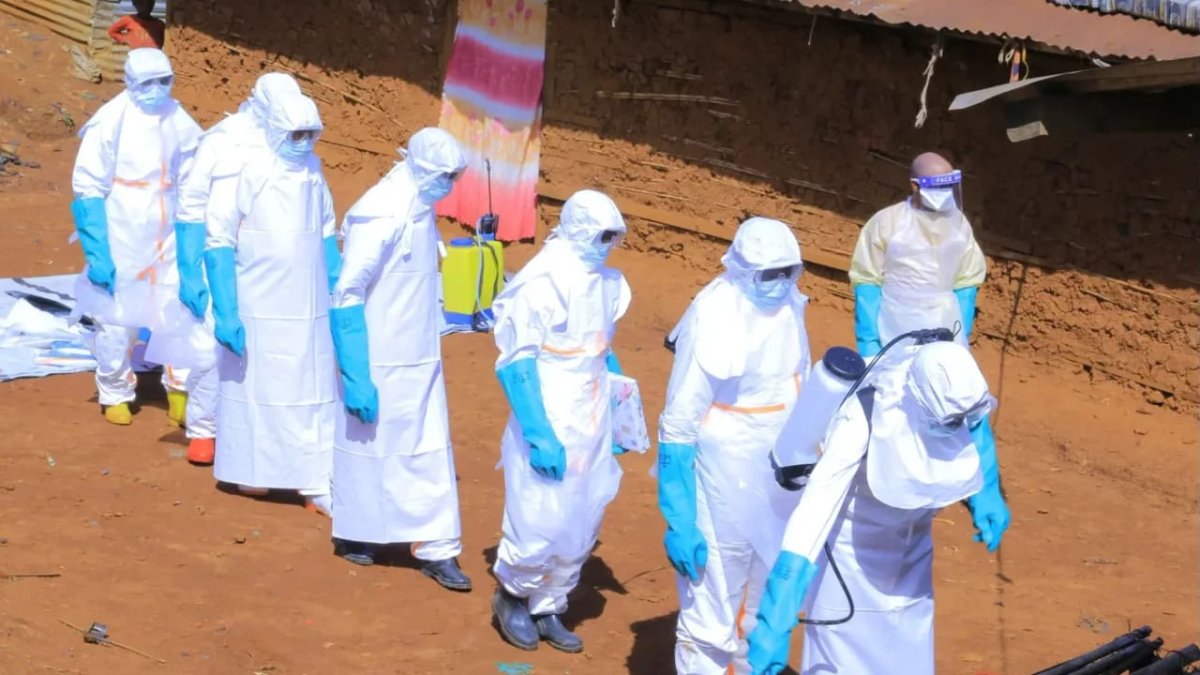
The Israeli Ministry of Health has moved to restore a specialized isolation facility originally acquired during the 2014 Ebola outbreak, approving an engagement valued at up to NIS 513,654 to prepare for any potential arrival of patients in the country. The decision reflects ongoing vigilance amid renewed transmission of the virus in parts of Africa and forms part of Israel's layered approach to infectious disease threats that also encompasses border screening, laboratory capacity, and hospital readiness across multiple regions.
Urgency Driving the Isolation Tent Restoration
Concerns over Ebola cases reported in African nations prompted the Ministry to act swiftly to reassemble the dedicated isolation complex currently stored in emergency warehouses. The facility was first purchased and erected at Rambam Health Care Campus in 2014 before being dismantled for storage. Its design incorporates a platform with bunds engineered to contain contaminated liquids and hazardous materials, thereby minimizing any risk of environmental spread. Officials determined that re-establishing this unique structure offers the most practical solution within the required timeframe, given that procurement of an equivalent new unit would cost approximately NIS 1.3 million and could not be completed promptly.
Financial Breakdown and Exemption from Tender
The approved engagement, granted under an exemption from standard tender procedures, carries a maximum ceiling of NIS 513,654 including VAT. The SYS company, the original manufacturer, submitted a quote of NIS 303,850 including VAT for re-assembly, which includes restoration of the system floor, fabrication of an external PVC envelope, and verification of the chlorination system by a specialist. An additional NIS 38,586 including VAT covers dismantling once the need subsides. A further contingency of up to NIS 171,218 allows for repairs, spare parts, and supplementary components if required during the work. The exemption committee cited the immediate public health imperative arising from developments in Africa as justification for bypassing competitive bidding, with the contract period running from June 20 through August 31, 2026. Re-assembly is slated to begin within two business days of order approval and is expected to require up to 20 working days.
Role of SYS Company and Technical Requirements
Only the SYS company possesses the specialized knowledge and proprietary components necessary to render the tent fully operational. Ministry documentation emphasizes that the firm alone can handle assembly, testing, repair, and ongoing maintenance of the system, whose manufacturer's warranty expired years ago. This dependency on the original supplier underscores the technical complexity of maintaining high-containment infrastructure designed to handle highly infectious pathogens. The arrangement ensures that the restored facility meets the exact specifications required to isolate patients while protecting medical personnel and preventing any environmental contamination.
Integration into Israel's National Health Security Framework
This procurement forms one element within a comprehensive national preparedness architecture that addresses multiple infectious disease scenarios. The Ministry has already distributed professional guidelines to medical teams and designated hospitals, completed acquisition of protective equipment, and established early identification protocols for travelers returning from affected regions. A dedicated laboratory identification system for Ebola has also been activated. Several hospitals distributed across the country have been prepared in advance for various contingencies, reflecting lessons drawn from prior outbreaks and the need to maintain surge capacity in both central and peripheral medical centers. Such measures align with Israel's broader security doctrine that treats public health threats as matters requiring coordinated national response alongside traditional defense considerations.
Current Epidemiological Status and Ministry Position
As of the most recent assessments, two individuals suspected of Ebola infection have tested negative, and Israel has recorded no confirmed cases. The Ministry of Health stated that it continuously monitors global developments and has implemented systemic preparations to guarantee optimal readiness across the healthcare system. These steps include the distribution of guidelines, procurement of dedicated equipment, establishment of traveler screening mechanisms, and laboratory diagnostic capabilities. The restoration of the isolation tent complements these existing arrangements by providing a dedicated physical infrastructure should a confirmed case require specialized containment. Infectious disease experts have reiterated that current risk levels remain low while underscoring the value of proactive infrastructure maintenance.
Implications for Long-Term Public Health Resilience
Reinvestment in the 2014-era isolation complex illustrates the recurring nature of viral threats and the importance of preserving specialized assets even after initial outbreaks subside. By opting for refurbishment rather than new construction, authorities balance fiscal prudence with operational urgency. The engagement also highlights the strategic value of maintaining relationships with niche suppliers capable of supporting high-specification medical equipment. In the wider regional context, Israel's preparations contribute to collective efforts aimed at containing Ebola at its source while safeguarding domestic populations through robust surveillance and response systems. Continued monitoring of developments in Africa will determine whether further adjustments to the national framework become necessary in the coming months.
By Hannah Berg, Staff WriterWhat's Your Reaction?
 Like
0
Like
0
 Dislike
0
Dislike
0
 Love
0
Love
0
 Funny
0
Funny
0
 Wow
0
Wow
0
 Sad
0
Sad
0
 Angry
0
Angry
0










Comments (0)