
Iran-US Nuclear Deal: Inspections, Diplomacy, and Regional Stakes
Iran-US Nuclear Deal: Inspections, Diplomacy, and Regional Stakes Detailed examination of the Iran-US 14-point understanding, Trump’s nuclear honesty remarks, Vance’s Burgenstock statements, Fars denial, Pakistani mediation, IAEA uranium dilution, Turkish support, and the reopening of the Strait of Hormuz. Iran US deal, nuclear inspections, IAEA, Donald Trump, Masoud Pezeshkian
The Diplomatic Breakthrough: From War to Negotiation
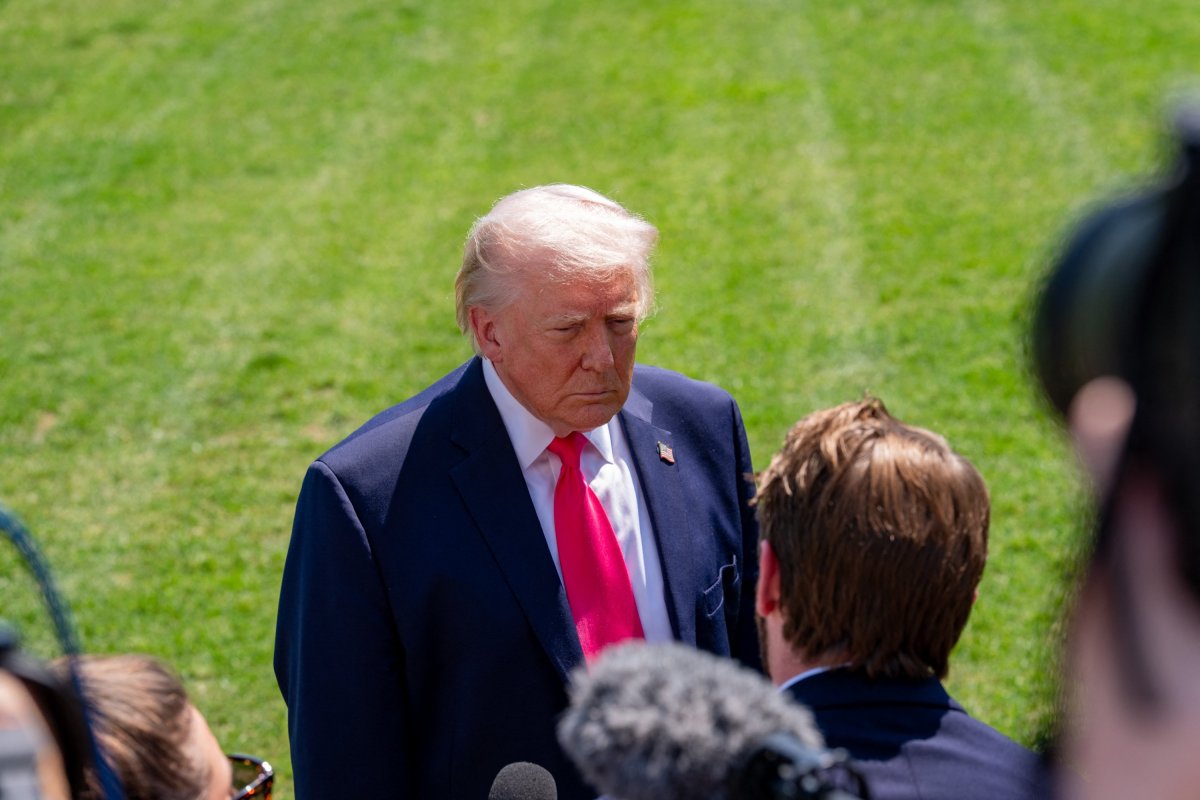
The June 14 announcement of a 14-point understanding between Iran and the United States marked a clear shift from four months of conflict toward structured diplomacy. Pakistani mediation provided the channel through which both sides reached this preliminary framework, which explicitly addressed ending the war, reopening the Strait of Hormuz, and establishing terms for future nuclear talks.
The memorandum was electronically signed by Iranian President Masoud Pezeshkian and U.S. President Donald Trump, entering into force on June 18. This formal step converted the negotiated points into an operational document that both capitals could reference in subsequent discussions.
The four-month war had already demonstrated the costs of sustained confrontation, making the mediated understanding a pragmatic response. By linking cessation of hostilities with concrete nuclear provisions, the agreement created a single document that addressed immediate security concerns and longer-term proliferation risks.
Electronic signatures by the two presidents removed procedural delays and signaled that both leaderships viewed the text as binding from the outset. The inclusion of Pakistani facilitation further illustrated how third-party involvement can accelerate movement when direct channels remain limited.
Inspections and the IAEA Question
President Trump stated on Truth Social that Iran had agreed to extensive inspections of its weapons programs to ensure nuclear honesty long into the future. The phrasing positioned inspections as a central, non-negotiable element of any lasting arrangement.
Vice President JD Vance described the Burgenstock talks as producing a very good foundation and asserted that Tehran had consented to the return of IAEA inspectors. These remarks suggested momentum toward renewed verification access inside Iran.
The Iranian semi-official Fars news agency, citing a source, directly contradicted Vance by stating that no discussion of IAEA inspectors occurred during the Switzerland talks. This public denial introduced an immediate point of friction between U.S. characterizations and Iranian reporting.
The preliminary deal text released by U.S. officials separately specified that Iran will dilute its enriched uranium stocks, possibly through down-blending on site under IAEA supervision. This provision ties future verification directly to the dilution process without resolving the broader question of inspector access raised in the Vance-Fars exchange.
Turkey's Strategic Role and Regional Diplomacy
President Recep Tayyip Erdogan conveyed Turkey’s support during a phone call with Iranian President Masoud Pezeshkian, welcoming the Iran-U.S. agreement and stressing the need for a peaceful outcome. The call positioned Ankara as an interested observer ready to reinforce diplomatic progress.
Erdogan also urged vigilance against attempts to undermine the negotiation process. This warning acknowledged that external actors might seek to disrupt the fragile understanding reached through Pakistani mediation.
Turkey’s engagement reflects its consistent preference for managed dialogue over open confrontation in its neighborhood. By publicly endorsing the 14-point framework, Ankara signaled alignment with efforts that reduce the risk of renewed regional escalation.
The phone conversation between the two presidents further illustrated Turkey’s willingness to maintain direct communication with Tehran even while Washington and Tehran advanced their own channel. Such parallel diplomacy can help insulate agreements from sudden reversals.
The Strait of Hormuz and Energy Market Implications
Reopening the Strait of Hormuz formed one of the explicit objectives listed in the June 14 14-point understanding. The provision directly addressed the maritime disruptions that accompanied the preceding four-month war.
Restoring passage through the strait was presented as a shared interest that would accompany the cessation of hostilities. The memorandum therefore connected military de-escalation with the resumption of normal transit routes.
The inclusion of this clause within the same document that outlined nuclear negotiations indicated that both sides viewed secure maritime access as integral to any sustainable settlement. Pakistani mediation helped translate this priority into agreed language.
With the memorandum entering into force on June 18, implementation of the strait provision became a near-term test of compliance. Successful reopening would remove one of the most immediate sources of tension generated by the recent conflict.
Israeli and Gulf State Reactions
The 14-point understanding emerged against the backdrop of longstanding regional concerns over Iran’s nuclear activities. Israel has consistently advocated strict limits on those activities, a position that will shape its assessment of the new inspection commitments.
Gulf states have similarly tracked Iranian regional influence and will evaluate whether the dilution of enriched uranium stocks under IAEA supervision alters the security balance.
The agreement’s emphasis on verification and maritime access offers a diplomatic alternative to previous cycles of confrontation. How these states respond will depend on the degree to which the inspection provisions are judged credible and durable.
Great Power Dynamics: Russia and China
The 14-point understanding reached through Pakistani mediation intersects with broader alignments involving Russia and China. Both powers maintain established ties with Tehran and have participated in earlier nuclear diplomacy.
Pakistan’s role as facilitator adds a South Asian dimension that could influence how Moscow and Beijing perceive the process. The electronic signing by Presidents Pezeshkian and Trump provides a concrete reference point for these capitals to monitor.
Any expansion of IAEA-supervised dilution measures will occur within an environment where Russian and Chinese positions on non-proliferation remain relevant. The current framework therefore sits at the intersection of bilateral U.S.-Iran talks and wider multilateral interests.
Regional Implications: What Comes Next
The road ahead centers on translating the 14-point understanding into sustained practice, beginning with the dilution of enriched uranium stocks under possible IAEA on-site supervision. This technical step will serve as an early indicator of implementation fidelity.
Reopening the Strait of Hormuz alongside continued nuclear discussions offers a dual track that addresses both immediate economic pressures and proliferation concerns. Turkish statements of support and warnings against sabotage suggest regional actors are prepared to defend the process.
Prospects for a more comprehensive agreement will hinge on whether the inspection commitments outlined by President Trump can be reconciled with Iranian statements denying certain elements of the Burgenstock narrative. The electronic signatures already exchanged provide a baseline from which further verification measures can be negotiated.
Overall, the memorandum links the end of four months of war with concrete nuclear and maritime provisions, creating a narrow but defined pathway toward reduced tensions. Success will require consistent adherence to the dilution and inspection elements already placed on record.
By Malik Hassan, Staff WriterThis article was produced with AI-assisted research and editorial support. Reporting is based on sources cited in the article.
What's Your Reaction?
 Like
0
Like
0
 Dislike
0
Dislike
0
 Love
0
Love
0
 Funny
0
Funny
0
 Wow
0
Wow
0
 Sad
0
Sad
0
 Angry
0
Angry
0

Middle East Correspondent at Global1.News. Based in Beirut, covering politics, conflict, energy, and society across the Middle East. Brings context and depth to a region often reduced to headlines.









Comments (0)