
Qatar's Father Emir Leaves Lasting Legacy in Global Sport
South African sports fans who packed Soccer City for the 2010 FIFA World Cup final know exactly what it takes to turn a nation into a global stage. The death of Sheikh Hamad bin Khalifa Al Thani on Sunday at age 74 closes a chapter that began with Qatar's own World Cup triumph in 2022 and now shapes how countries like ours chase the 2036 Olympic and Paralympic Games. His bluepr
South African sports fans who packed Soccer City for the 2010 FIFA World Cup final know exactly what it takes to turn a nation into a global stage. The death of Sheikh Hamad bin Khalifa Al Thani on Sunday at age 74 closes a chapter that began with Qatar's own World Cup triumph in 2022 and now shapes how countries like ours chase the 2036 Olympic and Paralympic Games. His blueprint of strategic investment and elite infrastructure offers direct lessons for SASCOC and the South African Sports Ministry as they navigate funding shortfalls and grassroots gaps.
Qatar's Father Emir Leaves Lasting Legacy in Global Sport
Doha, Qatar — Sheikh Hamad bin Khalifa Al Thani, the former Emir of Qatar who transformed his country into a global sporting superpower, died on Sunday at the age of 74. He ruled from 1995 until 2013, when he abdicated in favour of his son Sheikh Tamim, yet his sporting vision continued to define Qatar long after he stepped down. South African supporters who celebrated the 2010 World Cup on home soil recognise the scale of what he achieved in just two decades.
From Sandhurst to Sovereign: The Making of a Sporting Visionary
Sheikh Hamad graduated from the Royal Military Academy Sandhurst in 1971, an experience that instilled the discipline he later applied to Qatar's sporting ambitions. After taking power in 1995 he moved quickly to diversify the economy beyond oil, building Qatar's liquefied natural gas capacity to 77 million tonnes per year and lifting average income to $86,440 per capita. Those revenues funded the creation of the Qatar Investment Authority, whose holdings now exceed $100 billion.
The same strategic mindset that strengthened Qatar's finances also shaped its sports policy. Sheikh Hamad understood that hosting major events could project soft power and create domestic infrastructure at the same time. South African administrators at SASCOC have studied this approach while preparing the country's interest in the 2036 Olympic and Paralympic Games, recognising that long-term planning must begin decades before any bid is submitted.
His early decisions also included founding Al Jazeera in 1996 and establishing the Qatar Foundation, both of which became platforms for promoting Qatar's new international profile. These institutions worked alongside the Qatar National Vision 2030 to embed sport within national development goals rather than treating it as a separate luxury.
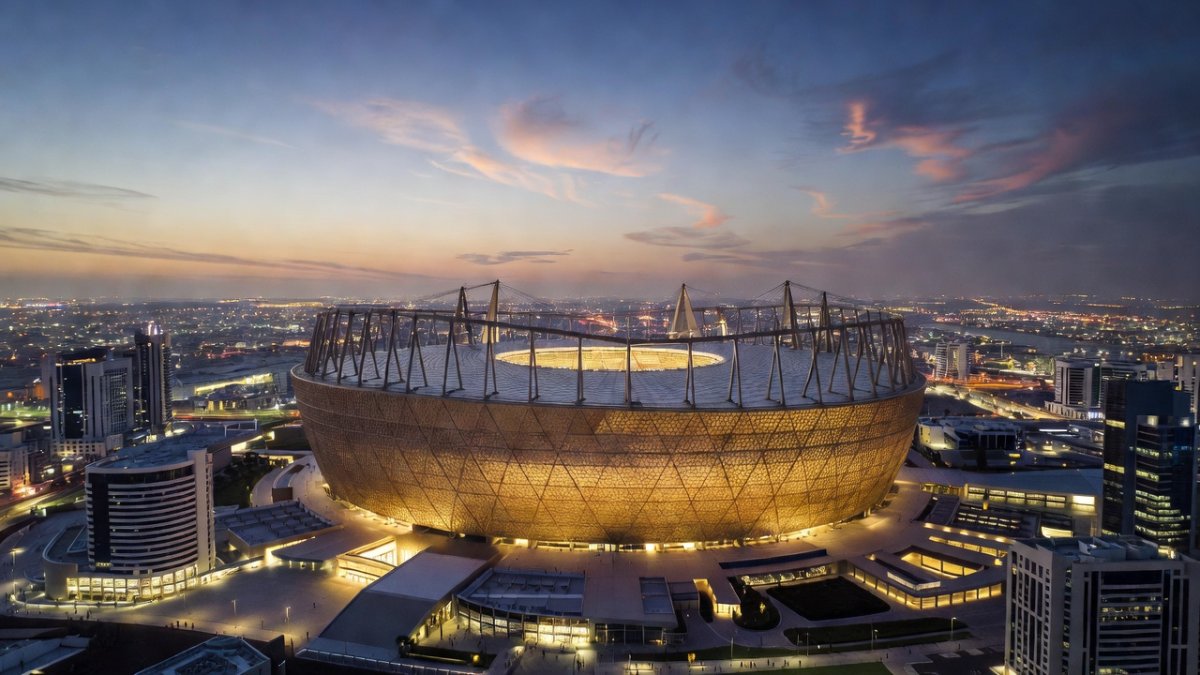
Aspire Academy and Aspetar: A Domestic Blueprint for Champions
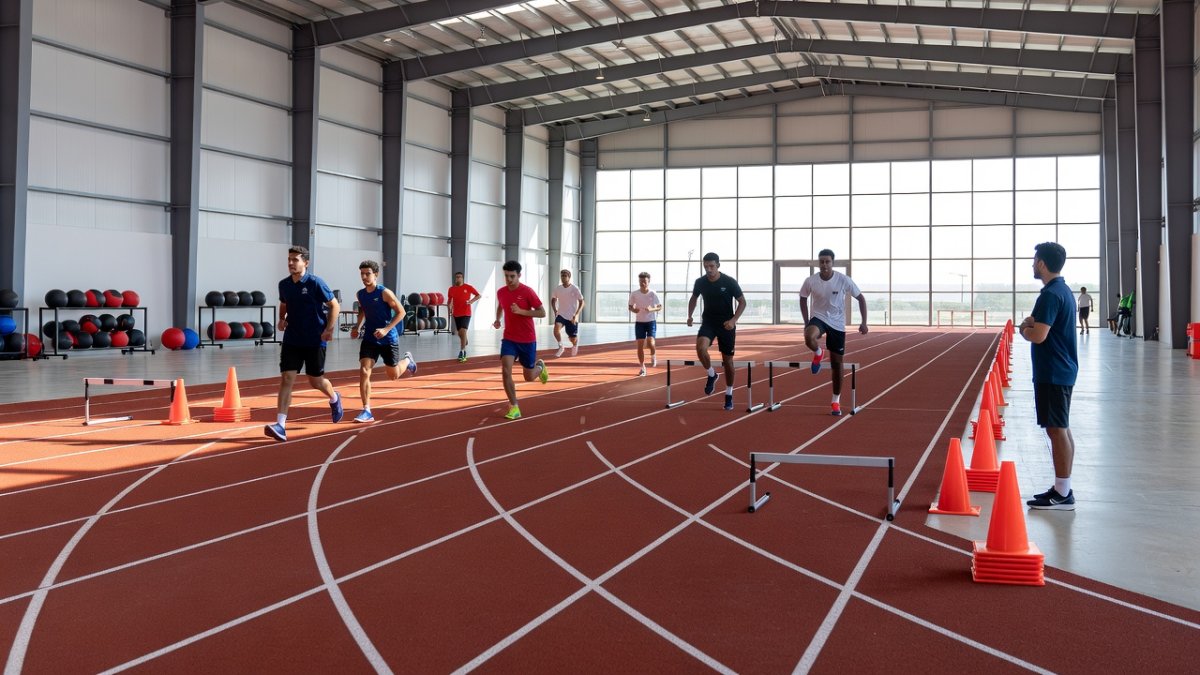
In 2004 Sheikh Hamad founded Aspire Academy, an elite residential sports school that recruits young athletes from around the world and places them in a structured high-performance environment. The academy sits alongside Aspetar, the world-class sports medicine hospital that provides cutting-edge care for both academy students and visiting professionals. Together the two facilities form a complete pathway from talent identification to injury rehabilitation and return to competition.
South African sports leaders have noted how Aspire integrates education, nutrition and medical support under one roof. With domestic clubs and federations still facing uneven access to specialist services, the Qatar model highlights what coordinated investment can achieve. SASCOC officials have discussed similar residential programmes as part of efforts to strengthen transformation and grassroots development across provinces.
The academy's success is measured not only in medals but in the steady production of athletes who compete at senior international level. Aspetar's research output on athlete health has also influenced protocols used by medical teams at events such as the FIFA World Cup, giving smaller nations like South Africa access to evidence-based practices they might otherwise struggle to develop independently.
PSG, F1 and the $100 Billion Global Sports Portfolio
Through the Qatar Investment Authority, Sheikh Hamad's vision extended far beyond Doha. The authority acquired Paris Saint-Germain and secured hosting rights for Formula 1 and MotoGP events, turning Qatar into a year-round destination for elite competition. These moves diversified the country's sporting footprint while generating commercial returns that further support domestic programmes.
South African rugby and cricket administrators watch these investments closely. The Springboks and Proteas operate in markets where broadcast and sponsorship revenue remain critical, yet public funding for high-performance sport continues to face pressure. Qatar's ability to leverage sovereign wealth for both ownership and event hosting demonstrates one route to financial stability that does not rely solely on government budgets.
The $100 billion-plus portfolio also includes non-sporting assets such as Harrods and The Shard, illustrating how sporting acquisitions sit within a broader economic strategy. For South Africa, where sports governance bodies must balance elite success with mass participation, the Qatar example shows the value of treating sport as an economic driver rather than a cost centre.
The World Cup Journey: 2006 Asian Games to Qatar 2022
Sheikh Hamad's hosting record began with the 2006 Asian Games and continued with the 2011 AFC Asian Cup before culminating in the 2022 FIFA World Cup. He attended the opening match of that tournament and received applause from fans inside the stadium, a moment that symbolised the personal stake he maintained even after abdicating in 2013. Each event left permanent infrastructure and organisational expertise that Qatar continues to use.
South Africa hosted the 2010 FIFA World Cup and still draws on the stadiums, transport links and volunteer networks created for that tournament. The Qatar experience reinforces that legacy events can deliver lasting assets when planning is integrated with national development goals. SASCOC has referenced both the 2010 and 2022 tournaments while assessing the requirements for a credible 2036 Olympic bid.
The progression from regional to global events also built Qatar's reputation with international federations. That credibility now supports future bids for the 2027 FIBA Basketball World Cup and the 2030 Asian Games, showing how early hosting success creates momentum for later cycles.
Lessons for South African Sport: What the Qatar Model Teaches Us
Qatar's centralised approach through the Qatar Investment Authority and dedicated sports institutions offers a clear contrast to South Africa's more fragmented funding landscape. SASCOC and the South African Sports Ministry continue to manage competing priorities between elite programmes and transformation targets, often with limited resources. The Qatar model demonstrates how sovereign-level coordination can accelerate infrastructure and talent pathways simultaneously.
Grassroots development remains a pressing issue for South African sport. Aspire Academy's residential structure and Aspetar's medical support show what becomes possible when talent identification is paired with long-term athlete welfare. Provincial academies in South Africa could adapt elements of this system to improve retention rates among promising athletes from underserved communities.
National pride and unity through sport, so evident during the 2010 World Cup, can be sustained only when facilities and programmes reach beyond major cities. Qatar's investment in both elite and medical infrastructure provides a template for ensuring that success at the highest level feeds back into broader participation and social cohesion.
2036 and Beyond: Qatar's Next Chapter — and SA's Olympic Bid
Qatar's upcoming calendar includes the 2027 FIBA Basketball World Cup and the 2030 Asian Games, with a possible 2036 Olympic bid under active consideration. These events build directly on the foundation Sheikh Hamad laid. South Africa is also exploring interest in the 2036 Olympic and Paralympic Games, making the timing of his passing particularly relevant for local planners.
The Qatar Investment Authority's continued involvement in global sport suggests the country's sporting strategy will persist regardless of leadership changes. For South African federations, the lesson is that consistent policy across election cycles is essential if bids are to succeed. SASCOC has already begun mapping the governance and funding requirements needed to match the scale of Qatar's ambition.
Both nations understand that Olympic hosting can accelerate urban development and national branding. South Africa's experience with the 2010 World Cup provides a reference point, yet the scale of an Olympic project demands even tighter integration between sport, transport and education ministries. Qatar's model shows how early, sustained investment produces the institutional memory required for such complex undertakings.
What to Watch For
Attention now turns to how Sheikh Tamim will steer Qatar's next phase of sporting investment. Continued support for Aspire Academy and Aspetar will determine whether the domestic talent pipeline remains strong. South African observers will monitor whether similar integrated models can be adapted locally to address current gaps in high-performance support.
The outcome of Qatar's 2036 Olympic ambitions will also influence South Africa's own calculations. If Qatar proceeds, the two countries could find themselves competing for international federation support and sponsorship interest in the same cycle. SASCOC will need to articulate a clear value proposition that builds on the 2010 legacy while addressing transformation and grassroots priorities.
Ultimately, Sheikh Hamad's death marks the end of an era, yet the structures he created continue to shape global sport. South African fans and administrators alike will study those structures closely as the country prepares its next major bid on the world stage.
By Dante Williams, Staff WriterThis article was produced with AI-assisted research and editorial support. Reporting is based on sources cited in the article.
What's Your Reaction?
 Like
0
Like
0
 Dislike
0
Dislike
0
 Love
0
Love
0
 Funny
0
Funny
0
 Wow
0
Wow
0
 Sad
0
Sad
0
 Angry
0
Angry
0

Breaking News and Investigations Correspondent at Global1.News. Based in London, covering global breaking news, security, and investigative stories. Known for digging deeper and connecting the dots across continents.










Comments (0)