
Iran Declares Strait of Hormuz Closed After Fresh US Strikes
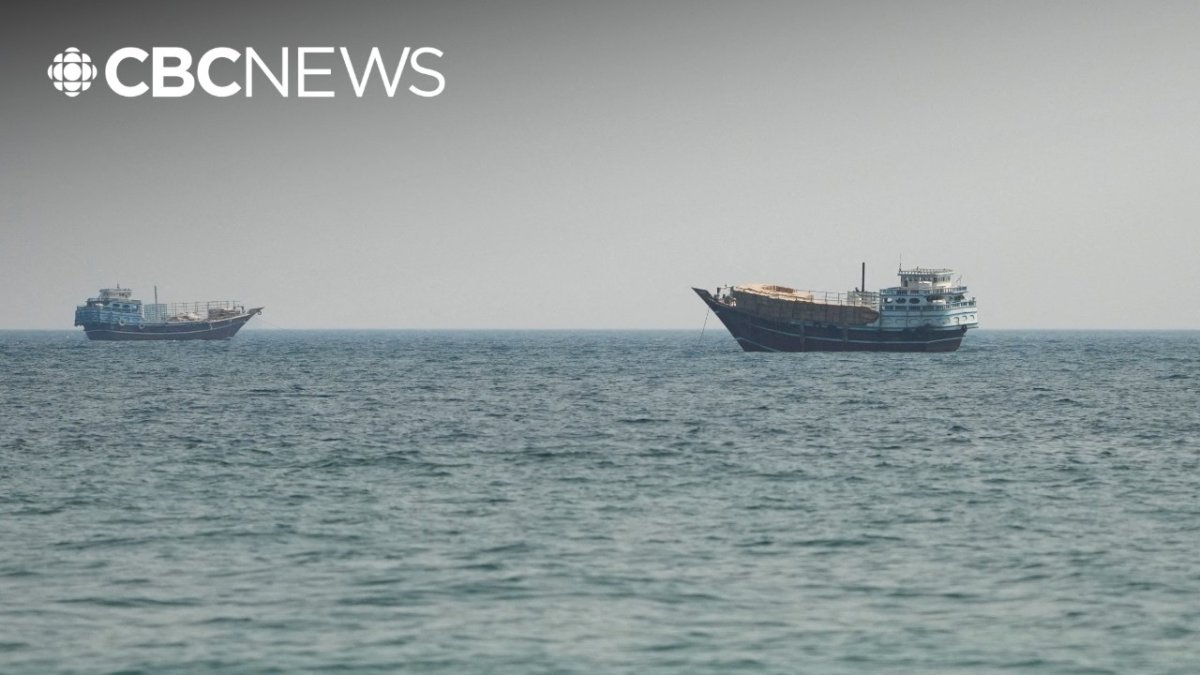
In a recent CBC News report, footage captured the moment Iranian forces fired a warning shot at a Cyprus-flagged container ship in the Strait of Hormuz on Saturday, leaving the vessel with significant engine room damage and one Indian national crew member missing while Oman's maritime authority rescued the remaining 23 sailors. The video shows the ship moving along Oman's shore
In a recent CBC News report, footage captured the moment Iranian forces fired a warning shot at a Cyprus-flagged container ship in the Strait of Hormuz on Saturday, leaving the vessel with significant engine room damage and one Indian national crew member missing while Oman's maritime authority rescued the remaining 23 sailors. The video shows the ship moving along Oman's shoreline when struck, highlighting the immediate risks to commercial traffic in this vital waterway.
Closure of the Strait of Hormuz
The Islamic Revolutionary Guard Corps announced the closure of the Strait of Hormuz after the strike, stating that multiple vessels had disregarded warnings and that one ship was brought to a stop by direct fire. Iranian officials emphasised that the action responded to repeated provocations, with the narrow passage between Iran and Oman now effectively sealed to most international shipping. This decision followed months of heightened tensions in the Persian Gulf region.
Before the conflict, roughly one-fifth of all traded oil and natural gas passed through this narrow waterway between Iran and Oman, a chokepoint that directly influences global supply chains. Tankers carrying crude from Saudi Arabia, Iraq, and the United Arab Emirates relied on this route to reach markets in Asia and Europe. Any sustained blockage disrupts these flows and forces costly rerouting around the Cape of Good Hope.
The closure immediately triggered a worldwide energy crisis, pushing oil prices to wartime peaks of 120 dollars per barrel before they later declined as alternative routes were tested. Analysts at the International Energy Agency noted that even brief interruptions compound existing volatility stemming from the war that began in late 2025. Canadian refiners importing overseas crude watched these spikes with particular concern given existing affordability pressures at home.
Maritime tracking data from Lloyd's List showed more than 140 vessels had transited the strait in the week before the incident, underscoring its daily importance. The sudden halt forced shipping companies to reassess insurance premiums and voyage planning almost overnight. Omani authorities coordinated rescue operations while monitoring further Iranian movements along the coastline.
United States Strikes on Iranian Targets
The United States responded on Sunday with multiple waves of strikes against approximately 140 targets inside Iran, including missile and drone launch sites, ammunition dumps, and communication equipment. American officials described the operation as a calibrated effort to neutralise immediate threats to commercial navigation. The first strikes occurred Sunday morning, followed by Iranian retaliation and then a second American wave later that day.
American military officials stated the operation aimed to degrade Iran's capacity to attack commercial ships transiting the strait freely, with more than 140 vessels having passed through the waterway in the preceding week. Targets included facilities near Bandar Abbas and on Qeshm Island. A third round of strikes occurred late Sunday night into Monday, with projectiles reported near military sites on Qeshm Island and explosions heard in Bandar Abbas and Hajiabad.
The governor of Qeshm Island confirmed no casualties from the final wave, though Iranian Health Ministry spokesperson Hossein Kermanpour said the strikes over two days killed at least 17 people and wounded 115. US officials attributed part of the escalation to a rogue faction of Iranian hard-liners who attempted to sabotage the existing ceasefire framework. President Trump later told NBC that "We bombed the hell out of them last night," signalling continued resolve.
These successive operations marked a rapid shift from the interim ceasefire that had held for roughly thirty days. Pentagon briefings emphasised precision munitions to limit civilian impact while still achieving operational objectives. Regional allies including Saudi Arabia monitored developments closely from command centres in Riyadh.
Regional Retaliation by Iranian Forces
Iran struck Bahrain, home to the United States Navy's Fifth Fleet, as well as three land border posts and an offshore drilling platform in Kuwait that left one worker wounded. These attacks formed part of a broader retaliatory campaign across Gulf Arab states. Iranian forces also targeted sites in Jordan and Oman using drones and missiles.
In Qatar, incoming Iranian fire was intercepted but shrapnel injured three people, including a child, while three Iranian missiles caused minor damage but no injuries in Jordan. Qatar Interior Ministry statements confirmed the injuries and noted that air defence systems successfully neutralised most incoming projectiles. The incidents prompted emergency meetings at the Gulf Cooperation Council headquarters in Riyadh.
Drones hit sites along the waterway in Oman, prompting that country to summon the Iranian ambassador for the first time since the war began and to label the actions irresponsible. Omani Foreign Minister Badr Albusaidi conveyed strong concerns about sovereignty violations during the meeting in Muscat. Iranian parliament speaker Mohammad Bagher Ghalibaf wrote that "The era of one-sided deals is OVER," framing the strikes as necessary defence of national interests.
These regional attacks widened the conflict beyond the Strait of Hormuz itself. Kuwaiti officials reported damage assessments at the offshore platform near the maritime boundary with Iran. Jordanian authorities coordinated with United Nations observers to document missile impacts near the capital Amman.
Collapse of the Interim Ceasefire
The 60-day interim ceasefire agreement between the United States and Iran now sits roughly halfway through its term and faces collapse after President Trump declared the deal over. Mediators had hoped the pause would allow humanitarian corridors and confidence-building measures to take hold. Instead, the sequence of strikes and counter-strikes has returned the region to open confrontation.
Mediators from Pakistan, Qatar, and Egypt continue diplomatic efforts to prevent full resumption of hostilities, even as Iranian Foreign Minister Abbas Araghchi accused the United States of violating the accord by ending waivers that allowed Iran to sell crude oil in United States dollars. These waivers had provided limited economic relief during the ceasefire period. Araghchi addressed reporters in Tehran, warning that further American actions would meet determined resistance.
Ayatollah Mojtaba Khamenei, who became Supreme Leader after his father Ayatollah Ali Khamenei was killed in the opening strikes on February 28, 2026, vowed that revenge remains the will of the Iranian nation and must be carried out. His statements came during a televised address from a secure location outside Tehran. Iranian state media broadcast images of military parades to reinforce national unity.
US officials maintained that a rogue faction within Iran bore responsibility for breaking the ceasefire terms first. European Union foreign policy chief Josep Borrell urged both sides to return to negotiations hosted in Geneva. The collapse leaves the original 60-day timeline in doubt and raises questions about any future monitoring mechanisms.
Impact on Global Energy Supplies
The disruption has forced mariners to consider a southern route through Oman's territorial waters, a shift that lengthens voyages and raises shipping costs for energy cargoes bound for markets worldwide. Tanker operators now add several days to journeys destined for Asian refineries. Insurance costs have risen sharply according to reports from the Joint War Committee in London.
United Nations Secretary General Antonio Guterres warned that any return to full-scale hostilities would carry catastrophic consequences for international stability and economic recovery. He addressed the Security Council in New York, calling for immediate de-escalation and renewed humanitarian access. Guterres highlighted risks to food security in import-dependent nations already strained by previous supply shocks.
President Trump stated that 1,000 missiles remain locked and loaded in response to threats against him, underscoring the rapid escalation that now threatens energy security far beyond the Persian Gulf. Oil benchmarks such as Brent crude fluctuated between 95 and 120 dollars per barrel in the days following the closure. Traders monitored inventories at major storage hubs in Rotterdam and Singapore.
Alternative pipelines through Saudi Arabia and the United Arab Emirates have absorbed only a fraction of diverted volumes. Canadian energy analysts noted that higher global prices could benefit Alberta producers while increasing costs for eastern Canadian refineries reliant on imported feedstock.
Canadian Stakes in Maritime Security
Canada, as a G7 member heavily integrated into global energy markets, faces direct pressure on gasoline prices and household costs of living whenever the Strait of Hormuz experiences sustained interruptions. Rising pump prices in Ontario and Quebec have already begun to reflect the latest volatility. Federal economists track these movements as part of broader inflation data.
The country's energy sector, encompassing oil sands production in Alberta and pipeline infrastructure that feeds both domestic refineries and export terminals, experiences immediate margin shifts when benchmark crude prices swing sharply. Companies operating in the Athabasca region monitor daily price signals that affect project viability. Higher prices provide revenue gains yet also intensify reputational scrutiny from international investors focused on emissions.
Canadian governments have historically joined multinational naval coalitions to uphold freedom of navigation, raising fresh questions about whether Ottawa will commit vessels or personnel to any renewed mission protecting commercial traffic through the strait. Past deployments under Operation Artemis in the Arabian Sea and Operation Reassurance in European waters demonstrate established patterns of contribution. Any new commitment would require careful alignment with NATO partners.
Federal officials in Ottawa must now weigh participation against competing domestic priorities, including Bank of Canada interest rate decisions that already respond to imported inflation from higher energy costs. Provincial governments in energy-producing regions monitor the situation closely, aware that prolonged volatility could affect royalty revenues and employment in extraction and transportation industries. Parliamentary debate would precede any combat deployment under current legislative requirements.
Canadian Response and Options
Canadian naval planners at National Defence Headquarters in Ottawa are reviewing available assets including Halifax-class frigates that could support maritime interdiction tasks. Defence Minister Anita Anand has emphasised coordination with allies through existing frameworks such as the Combined Maritime Forces. Any deployment would build on Canada's prior contributions to counter-piracy and sanctions enforcement missions.
Bank of Canada Governor Tiff Macklem has already signalled that energy price surges factor into upcoming rate deliberations scheduled for later this month. Higher imported inflation could delay expected cuts, affecting mortgage holders across the country. Finance officials in the Department of Finance Canada are modelling scenarios that include sustained strait closures lasting thirty to ninety days.
Alberta Premier Danielle Smith has called for federal support to maximise oil sands output during periods of elevated global prices while addressing pipeline capacity constraints. Discussions between Ottawa and Edmonton focus on balancing export growth with environmental commitments under the G7 climate agenda. Trade implications for Canadian liquefied natural gas projects on the west coast also feature in these talks.
Parliamentary committees in the House of Commons are preparing briefings on rules of engagement should Canadian forces join any renewed coalition. Officials stress that non-combat roles such as surveillance and logistics remain the most likely initial contributions. Public opinion polling by Nanos Research indicates divided views on deeper military involvement.
What Happens Next
Diplomatic channels through Qatar and Oman remain active as both nations seek to restore a functional ceasefire. Egyptian mediators have proposed expanded monitoring teams along the Iranian coastline. The coming weeks will determine whether these efforts can prevent further direct exchanges between American and Iranian forces.
Energy markets will continue to price in risk premiums until clear de-escalation signals emerge. Canadian importers are exploring increased volumes from domestic sources and alternative overseas suppliers to cushion household impacts. The Bank of Canada will incorporate the latest futures data into its quarterly monetary policy report.
Regional actors including Saudi Arabia and the United Arab Emirates are accelerating plans for additional pipeline capacity that bypasses the Strait of Hormuz. These infrastructure projects carry multi-year timelines yet could reshape long-term trade patterns. Canadian energy firms watch these developments for potential partnership opportunities.
International observers anticipate further sessions at the United Nations Security Council as the humanitarian and economic fallout widens. Canadian representatives have urged restraint while reaffirming commitment to freedom of navigation principles. The trajectory of events will shape both immediate security responses and longer-term energy policy choices in Ottawa.
By Alex Thompson, Staff WriterThis article was produced with AI-assisted research and editorial support. Reporting is based on sources cited in the article.
What's Your Reaction?
 Like
0
Like
0
 Dislike
0
Dislike
0
 Love
0
Love
0
 Funny
0
Funny
0
 Wow
0
Wow
0
 Sad
0
Sad
0
 Angry
0
Angry
0

Canada Correspondent at Global1.News. Based in Toronto, covering Canadian politics, energy, trade, and US-Canada relations. Provides the Canadian perspective on North American and global affairs.














Comments (0)