
Israeli Knesset Advances Bill Freezing Arrests of Haredi People Avoiding Military Service
In a recent i24NEWS report, the Knesset's Foreign Affairs and Defense Committee approved legislation that pauses enforcement actions against Haredi draft evaders. The measure, advanced under Committee chairman MK Boaz Bismuth of Likud, directly implements a proposal from Defense Minister Israel Katz to halt arrests for 90 days. This development comes amid intensifying debate over military service exemptions for the ultra-Orthodox community — one of the most contentious issues in Israeli politics

In a recent i24NEWS report, the Knesset's Foreign Affairs and Defense Committee approved legislation that pauses enforcement actions against Haredi draft evaders. The measure, advanced under Committee chairman MK Boaz Bismuth of Likud, directly implements a proposal from Defense Minister Israel Katz to halt arrests for 90 days. This development comes amid intensifying debate over military service exemptions for the ultra-Orthodox community — one of the most contentious issues in Israeli politics today.
Israeli Knesset Advances Bill Freezing Arrests of Haredi People Avoiding Military Service
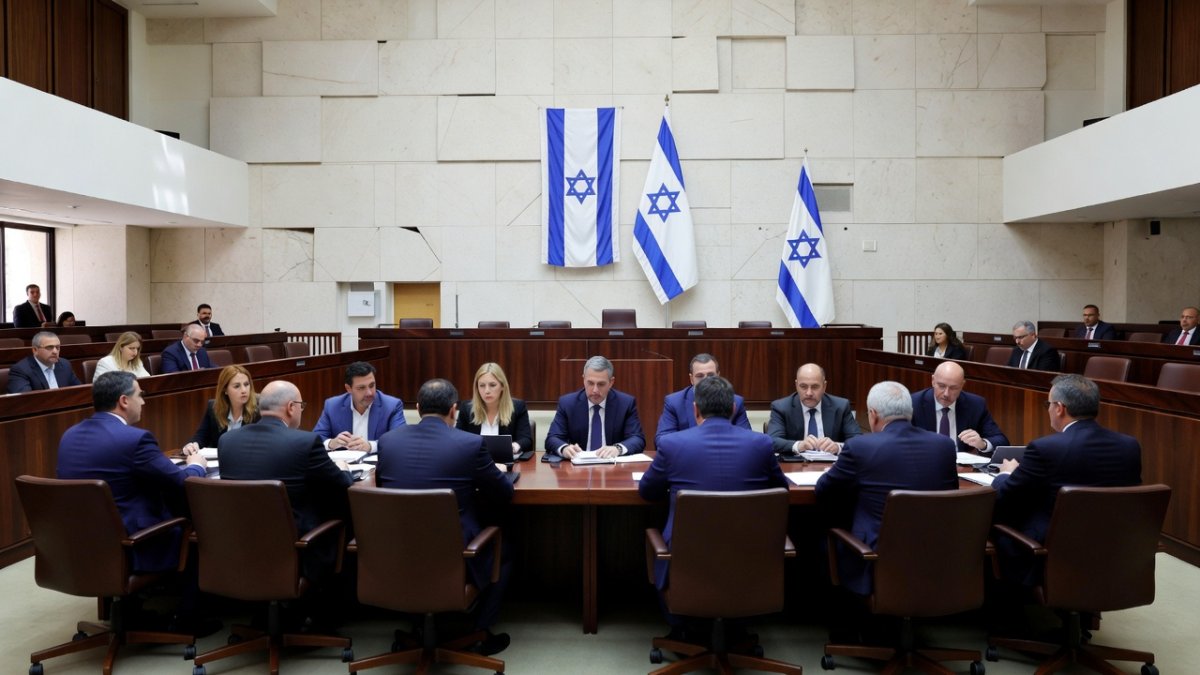
Jerusalem, Israel — The Knesset Foreign Affairs and Defense Committee approved the bill for final readings on Sunday, July 12, 2026, under chairman MK Boaz Bismuth of Likud. Defense Minister Israel Katz proposed the 90-day freeze on arrests, investigations, or enforcement proceedings against Haredi draft dodgers. This measure directly halts actions by military police in Jerusalem and Tel Aviv against young men from ultra-Orthodox communities who refuse conscription into the IDF.
What the 90-Day Freeze Entails
The legislation forms part of a broader package that includes Basic Law: Torah Study, which enshrines Torah study as a national value equal to military service. MK Moshe Gafni of Degel Hatorah within United Torah Judaism served as a key proponent, pushing the measure through committee debates this week. The freeze applies specifically to individuals from Haredi neighborhoods in Bnei Brak and Jerusalem who have avoided recruitment offices since the previous conscription law expired.
Committee members reviewed how the bill would pause proceedings initiated by the IDF Recruitment Directorate in recent months. This pause gives Haredi parties time to negotiate further exemptions before the Knesset holds three plenum readings. Israeli citizens across the country watch these developments closely because any change in conscription rules affects daily security staffing levels.
The approval came after preliminary reading passage last month and now requires full committee endorsement plus final votes. MK Boaz Bismuth confirmed the timeline during Sunday sessions at the Knesset building in Jerusalem. This step alters the balance between religious study commitments and national defense obligations that shape Israeli society.
Coalition Dynamics and Political Pressure
Shas, led by Arye Deri, and United Torah Judaism, led by Moshe Gafni, drove the legislation to protect their voters from enforcement actions. These parties briefly left the government earlier this year after disputes over the previous committee chairman, MK Yuli Edelstein, who was removed from his post. Prime Minister Benjamin Netanyahu coordinated directly with Haredi leaders in recent days to advance the bill before the October 27, 2026, election deadline.
Likud MK Dan Illouz publicly vowed to oppose the freeze during committee sessions, citing conflicts with existing military needs. Knesset legal adviser Sagit Afik warned that the measure clashes with an earlier conscription bill passed in prior Knesset terms. Coalition stability now hinges on whether Shas and United Torah Judaism remain in the government through the final readings scheduled in the coming weeks.
The race to pass this legislation before elections affects daily political life in Jerusalem, where coalition partners meet at the Prime Minister's Office. Haredi parties hold significant leverage because their seats determine whether the current government survives until October. Netanyahu's involvement signals the high stakes for Likud as it seeks to retain power amid ongoing security challenges in the West Bank and Gaza.
Internal Likud tensions surfaced when several backbenchers questioned the 90-day timeline proposed by Israel Katz. These dynamics matter because coalition fractures can delay responses to threats from Hezbollah along the Lebanon border. The pressure from Shas and United Torah Judaism illustrates how religious parties influence security policy in the current Knesset term.
IDF's Manpower Crisis
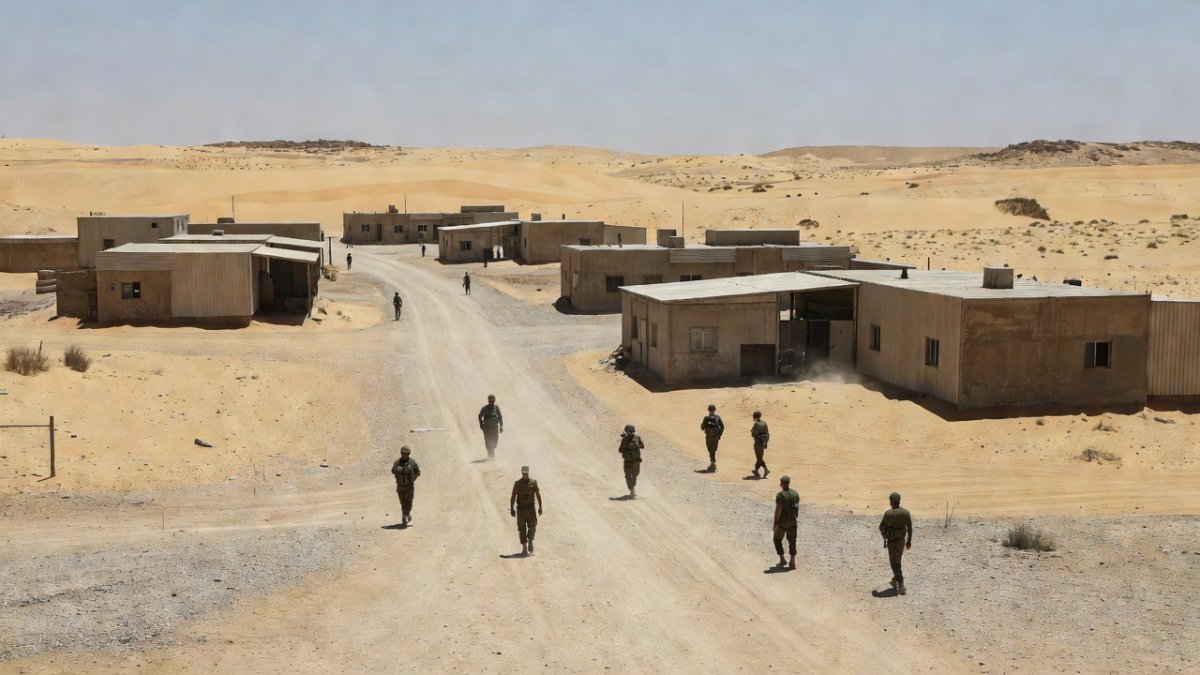
IDF Chief of Staff Lt.-Gen. Eyal Zamir warned of a critical manpower shortfall that could lead to operational collapse in multiple theaters. The warning came during briefings to the Foreign Affairs and Defense Committee, where Zamir detailed shortages affecting units stationed near Gaza and the West Bank. Reservists from Tel Aviv and Haifa have shouldered repeated call-ups since October 2023, leaving regular forces stretched thin across southern and northern fronts.
The shortfall directly impacts operations against Hamas in Gaza, where additional battalions are required for sustained patrols and tunnel clearance missions. In the West Bank, IDF commanders report delays in responding to incidents near Hebron and Nablus due to understaffed brigades. Along the Lebanon border, troops face heightened risks from Hezbollah incursions because training cycles for new recruits have been postponed amid the draft dispute.
Lt.-Gen. Eyal Zamir emphasized that without new conscripts, the IDF cannot maintain current deployment levels through the summer months. This crisis affects daily life for families in northern Israel who rely on robust border defenses. Manpower gaps also limit joint exercises with United States forces planned near the Jordan Valley this month.
The freeze on Haredi arrests exacerbates these shortages because thousands of potential recruits from Bnei Brak remain outside the system. Zamir's statements highlight how the shortfall threatens long-term readiness against Iranian-backed groups. Israeli security analysts note that every month of delay increases pressure on existing personnel serving in high-risk areas.
Recruitment shortfalls have forced the IDF to extend reserve duty periods for citizens in their thirties and forties. This extension disrupts careers in Tel Aviv tech companies and Jerusalem government offices. The manpower issue connects directly to coalition debates because Haredi exemptions reduce the pool of available soldiers for operations in Gaza and beyond.
Legal Battle with the High Court
The High Court of Justice ordered the state to revoke benefits from draft evaders in a ruling issued earlier this year. This decision targeted stipends and housing support previously granted to Haredi men who avoided service through yeshiva exemptions. The new freeze bill seeks to override enforcement mechanisms tied to that High Court order.
Knesset legal adviser Sagit Afik testified that the 90-day measure conflicts with the earlier conscription framework upheld by the court. Justices in Jerusalem have scheduled follow-up hearings for late July to review government compliance. The legal tension pits Knesset legislation against judicial authority on conscription matters affecting communities in Jerusalem and Bnei Brak.
Defense Minister Israel Katz defended the freeze as a temporary bridge while Basic Law: Torah Study advances through readings. High Court petitions filed by advocacy groups in Tel Aviv argue that the bill undermines equal burden sharing among Israeli citizens. These cases shape how military service rules apply across secular and religious populations.
The ongoing battle influences public trust in institutions because rulings from the High Court affect daily recruitment at IDF bases. Coalition leaders, including Prime Minister Benjamin Netanyahu, monitor the proceedings to avoid further government instability. Legal outcomes will determine whether enforcement resumes after the 90-day period ends in October.
Regional and Security Implications
The manpower crisis extends to the Lebanon border, where IDF divisions monitor Hezbollah positions near Metula and Kiryat Shmona. Reduced recruitment from Haredi sectors limits rotation schedules for soldiers guarding against cross-border threats. Regional security assessments prepared by Shin Bet note increased activity by Iranian proxies during periods of Israeli force shortages.
In Gaza, operations face potential delays in integrating new units needed for post-conflict stabilization near Rafah and Khan Yunis. West Bank security forces face similar constraints when responding to incidents in areas under Palestinian Authority control. These implications affect Israeli daily life because prolonged deployments strain families across the country.
Passage of the bill before the October 27, 2026, elections could signal to adversaries that internal divisions weaken Israeli deterrence. Defense Minister Israel Katz has linked the legislation to broader efforts to maintain operational continuity. Security officials in the Prime Minister's Office track how Haredi exemptions influence perceptions among neighboring states and militant groups.
The legislation connects to wider Middle East dynamics because manpower levels determine Israel's ability to sustain multi-front readiness. Conscription policy directly shapes responses to threats from Gaza, Lebanon, and beyond. Political decisions made in the Knesset this week carry immediate consequences for border communities.
What Comes Next
The bill now advances to three plenum readings after committee approval. MK Boaz Bismuth scheduled the first reading for the week of July 20, with final votes expected before the summer recess. Shas and United Torah Judaism continue to press for inclusion of the Basic Law: Torah Study in the same legislative package.
Prime Minister Benjamin Netanyahu meets with coalition partners this week to secure the remaining votes needed for passage. Opposition from Likud MK Dan Illouz may force last-minute amendments during plenum debates. The timeline remains tight because elections must occur by October 27, leaving limited sessions for further negotiation.
IDF Chief of Staff Lt.-Gen. Eyal Zamir will brief the security cabinet again next month on manpower projections if the freeze takes effect. High Court review of related petitions could alter enforcement rules after the 90-day period. These outcomes will determine how conscription affects national security through the election period.
Further disputes within Likud could prompt additional coalition adjustments before final readings conclude. Haredi parties have signaled willingness to support other government priorities in exchange for the freeze extension. The coming weeks will reveal whether the legislation stabilizes or further fragments the current Knesset majority.
By Hannah Berg, Staff Writer
What's Your Reaction?
 Like
0
Like
0
 Dislike
0
Dislike
0
 Love
0
Love
0
 Funny
0
Funny
0
 Wow
0
Wow
0
 Sad
0
Sad
0
 Angry
0
Angry
0












Comments (0)